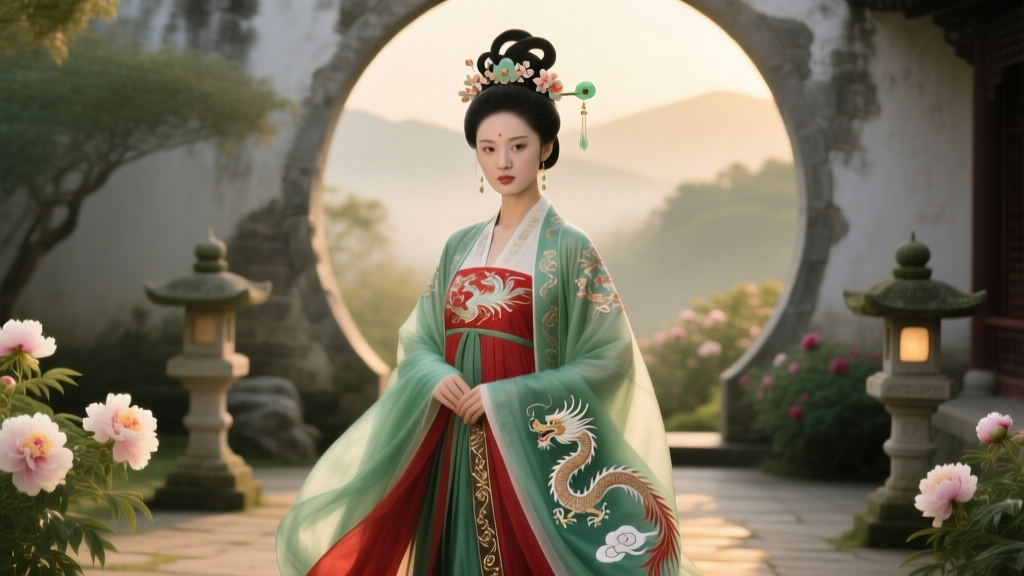
Hanfu Styles by Dynasty: The Ultimate Event Guide
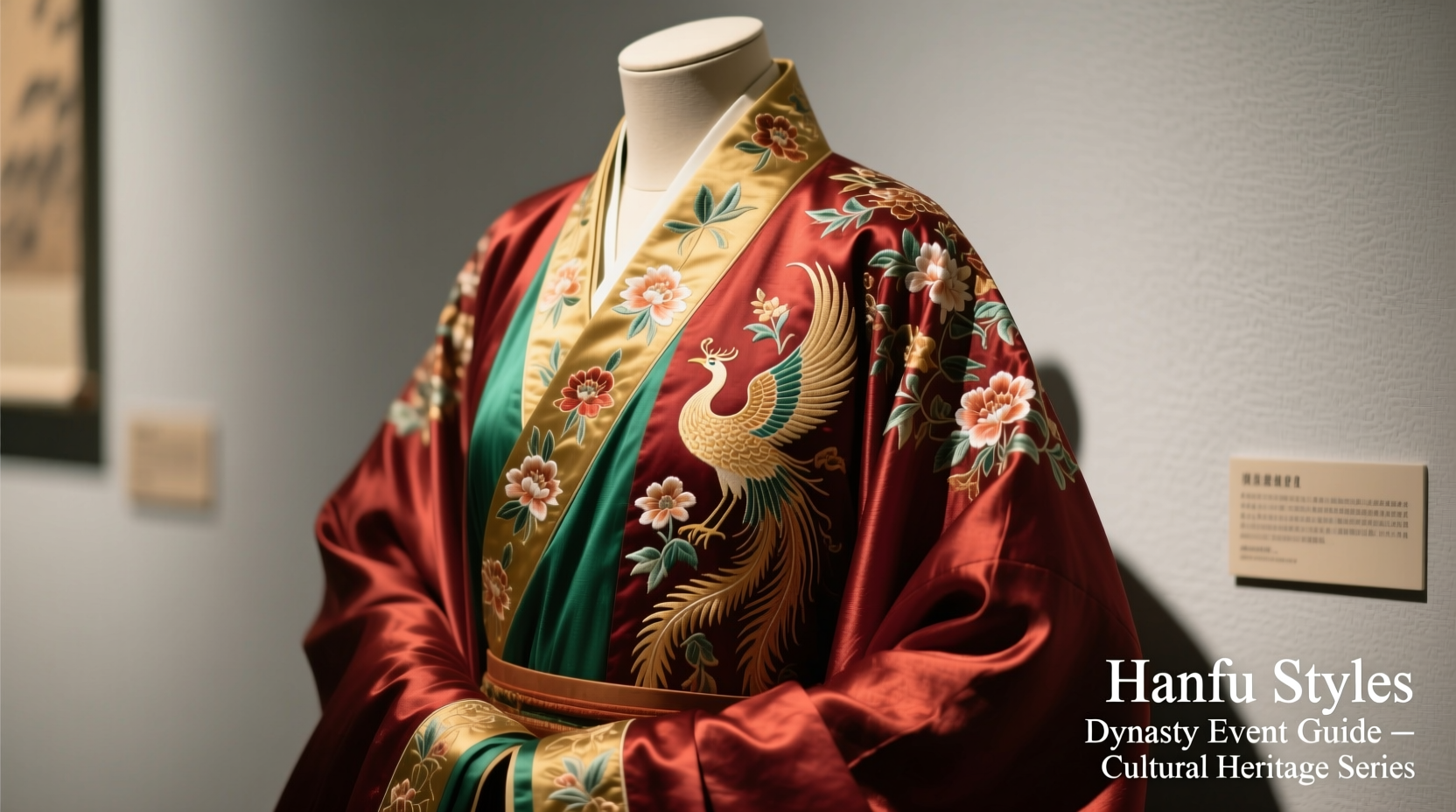
The contemporary Hanfu revival has transformed the traditional dress of the Han Chinese people from museum artifacts into living, breathing fashion. However, with over three millennia of sartorial evolution, selecting the appropriate attire for a modern event requires more than just an eye for aesthetics; it demands an understanding of historical context, cultural protocol, and textile heritage. Whether you are attending a traditional tea ceremony, a vibrant lantern festival, or a formal winter wedding, matching your attire to the occasion is a mark of deep cultural respect.
This guide explores hanfu styles by dynasty, providing a practical framework for enthusiasts, event planners, and cultural practitioners to navigate the rich tapestry of Chinese historical garments.
Navigating Historical Elegance: Matching Dynasty to Occasion
Unlike modern Western formalwear, which is largely categorized by time of day (e.g., black-tie vs. white-tie), traditional Hanfu is categorized by dynasty, silhouette, and the philosophical ethos of the era. The cut, collar structure, and fabric weight all dictate the garment's appropriateness for specific modern events.
The Han Dynasty (202 BCE – 220 CE): Solemnity and Antiquity
The Han era established the foundational codes of Chinese sartorial culture, emphasizing modesty, structural fluidity, and a deep connection to cosmological principles. The silhouettes are generally slender, wrapping closely around the body before flaring at the hem.
Key Garments: Shenyi and Quju
The Shenyi (深衣), or 'deep robe,' is a one-piece garment that conceals the body's contours, reflecting the Confucian ideals of modesty and restraint. A popular variant for women is the Quju (曲裾), characterized by a curved hemline that wraps around the legs in a spiral. The sleeves are typically narrow or feature a subtle taper, and the garments are secured with a simple silk sash rather than ornate buttons.
Best Suited For: Academic and Ceremonial Events
Due to its solemn and grounded aesthetic, Han Dynasty attire is ideal for graduation ceremonies, historical symposiums, ancestral worship, and classical poetry recitals. The color palette traditionally leans toward deep, earthy tones—such as cinnabar red, indigo, and charcoal black—often adorned with subtle geometric embroidery rather than loud florals.
The Tang Dynasty (618 – 907 CE): Opulence and Celebration
The Tang Dynasty represents a golden age of cosmopolitan exchange, economic prosperity, and artistic liberation. Women's fashion during this era was remarkably bold, featuring higher hemlines, exposed shoulders, and vibrant, heavily patterned textiles influenced by the Silk Road.
Key Garments: Qixiong Ruqun and Banbi
The iconic Qixiong Ruqun (齐胸襦裙) features a high-waisted skirt tied securely above the bust, creating an elongated, flowing silhouette. This is often paired with a Pibo (a long, draped silk shawl) and a Banbi (half-sleeve jacket). The collars are diverse, ranging from traditional cross-collars to U-shaped and round necklines, reflecting the era's openness to foreign influences.
Best Suited For: Galas, Summer Festivals, and Stage Performances
Tang style Hanfu is the undisputed choice for joyous, high-energy events. It is perfect for Mid-Autumn Festival celebrations, evening galas, and stage performances. The fabrics are lightweight and breathable—historically utilizing silk gauze (Luo) and damask—making it highly practical for summer outdoor events. Expect vibrant hues like pomegranate red, saffron yellow, and turquoise, heavily embroidered with peonies and cranes.
The Song Dynasty (960 – 1279 CE): Refined Minimalism
Reacting against the extravagance of the Tang, the Song Dynasty embraced Neo-Confucianism, resulting in a sartorial shift toward intellectual elegance, slender silhouettes, and understated luxury. The aesthetic is characterized by clean lines, narrow sleeves, and a muted, sophisticated color palette.
Key Garments: Beizi and Songku
The defining garment of this era is the Beizi (褙子), a long, open-front coat with parallel collars and side slits that extend from the armpit to the hem. It is typically worn over a Moxiong (tube top) and a pleated skirt or Songku (wide-legged trousers). The elegance of the Beizi lies in its drape and the subtle, tone-on-tone jacquard patterns woven into the fabric.
Best Suited For: Tea Ceremonies and Intimate Gatherings
The Song aesthetic is perfectly aligned with tranquil, intellectual, and artistic environments. It is the premier choice for traditional tea ceremonies, art gallery openings, calligraphy exhibitions, and intimate garden weddings. Colors are drawn from nature: celadon green, pale lotus pink, mist grey, and bamboo yellow.
The Ming Dynasty (1368 – 1644 CE): Grandeur and Matrimonial Rites
The Ming Dynasty saw the codification of many garment styles that are now considered the pinnacle of traditional Chinese formalwear. The silhouettes are structured, voluminous, and heavily layered, designed to project dignity, status, and wealth.
Key Garments: Aoqun, Mamianqun, and Fengguan Xiapei
The Aoqun (袄裙) consists of a long, lined jacket with a stand-up collar and metal buttons, paired with the legendary Mamianqun (马面裙), or 'horse-face skirt.' The Mamianqun features flat front and back panels with heavily pleated sides, allowing for ease of movement while maintaining a rigid, architectural front. For the highest level of formality, brides wear the Fengguan Xiapei (phoenix crown and clouded sash), an ensemble so exquisite it was historically granted to commoners by imperial decree for their wedding day.
Best Suited For: Weddings and Winter Formal Events
Ming Dynasty Hanfu is the gold standard for traditional Chinese weddings, New Year banquets, and formal winter events. The garments utilize heavy, insulating fabrics like Zhijin (gold-woven silk) and Yunjin (cloud brocade). The structured collars and voluminous sleeves provide a commanding presence in large banquet halls and formal photography settings.
Event Planning Matrix: Fabric, Budget, and Protocol
Selecting the right garment involves balancing historical accuracy with modern budget constraints. Below is a structured guide to help you align your dynasty choice with your event needs and financial parameters.
| Dynasty | Primary Garment | Ideal Event | Recommended Fabric | Avg. Price (USD) |
|---|---|---|---|---|
| Han | Shenyi / Quju | Graduations, Symposia | Linen, Hemp, Basic Silk | $60 - $150 |
| Tang | Qixiong Ruqun | Summer Festivals, Galas | Silk Gauze (Luo), Chiffon | $80 - $250 |
| Song | Beizi / Songku | Tea Ceremonies, Art Shows | Raw Silk, Linen, Jacquard | $120 - $300 |
| Ming | Aoqun / Mamianqun | Weddings, Winter Banquets | Brocade, Zhijin, Velvet | $200 - $800+ |
Note: Prices reflect authentic, mid-tier reproductions utilizing natural fibers. Bespoke garments crafted by Intangible Cultural Heritage (ICH) artisans utilizing traditional loom techniques can range from $1,500 to over $5,000.
Sourcing Authentic Hanfu: A Buyer’s Framework
When investing in Hanfu for significant life events, prioritizing textile integrity is paramount. Mass-produced polyester garments, while affordable, lack the drape, breathability, and cultural resonance of traditional weaves. According to the China National Silk Museum, historical weaving techniques like Luo (gauze) and Jin (brocade) require specialized draw-looms and immense artisanal skill.
For Ming-style wedding skirts, seek out artisans specializing in Nanjing Cloud Brocade (Yunjin), a UNESCO-recognized craft. For Tang and Song summer garments, look for authentic Xiangyunsha (mud silk) from Guangdong, a unique textile dyed with plant tannins and river mud that offers natural cooling properties and a distinctive rustling sound when worn. Reputable vendors will provide detailed breakdowns of the warp and weft density, as well as the specific natural dyes used.
Cultural Etiquette and Wearing Protocols
Wearing Hanfu requires strict adherence to foundational cultural protocols, the most critical being the collar direction. The universal rule across almost all dynasties is Jiaoling Youren (交领右衽)—the left side of the garment must cross over the right side, securing on the wearer's right hip. As documented in the textile archives of The Palace Museum, reversing this to Zuoren (left lapel over right) is strictly reserved for funerary rites and dressing the deceased. Wearing your collar incorrectly at a joyous event like a wedding or festival is considered highly inauspicious and deeply offensive.
Additionally, hair should ideally be styled in traditional updos utilizing wooden or jade hairpins (Zan) and step-shake ornaments (Buyao). Modern practitioners should avoid wearing the garments with overly casual footwear; traditional cloth boots or minimalist leather flats maintain the visual harmony of the silhouette. By understanding the profound history woven into every pleat and seam, wearers can honor the legacy of Hanfu, transforming any modern occasion into a bridge between the ancient and the contemporary.