Contemporary Chinese Dress: A Historical and Cultural Guide

The global perception of Chinese clothing has long been anchored in historical costumes or cinematic interpretations. However, the landscape of contemporary Chinese dress is a vibrant, living ecosystem where centuries-old sartorial traditions intersect with modern tailoring, streetwear, and high fashion. Far from being static museum pieces, garments like the qipao, hanfu, and tangzhuang are actively being reimagined by a new generation of designers and wearers. This guide explores the historical roots, cultural significance, and practical realities of modern Chinese fashion, offering a comprehensive framework for understanding and acquiring these garments today.
The Philosophy of Xin Zhong Shi (New Chinese Style)
To understand contemporary Chinese dress, one must first understand Xin Zhong Shi (新中式), or 'New Chinese Style.' This design philosophy does not merely replicate historical garments; rather, it distills traditional Chinese aesthetic codes and integrates them into modern, functional wardrobes. As explored in the Metropolitan Museum of Art’s landmark exhibition China: Through the Looking Glass, the dialogue between Eastern heritage and Western silhouettes has been ongoing for a century, but Xin Zhong Shi represents a distinctly modern, grassroots reclamation of cultural identity.
Key hallmarks of this movement include the use of pankou (knotted buttons), standing collars (liling), and traditional motifs like plum blossoms, cranes, and bamboo, applied to contemporary fabrics like denim, organza, and technical knits. The goal is wearability: a garment that honors the philosophical concept of tian ren he yi (harmony between humanity and nature) while allowing the wearer to navigate a modern urban environment comfortably.
Deconstructing the Modern Qipao (Cheongsam)
The qipao (旗袍), known in Cantonese as the cheongsam, is arguably the most globally recognized Chinese garment. Originating in the 1920s in Shanghai as a symbol of female emancipation and modernity, the contemporary qipao has evolved significantly from its mid-century iterations.
Silhouette and Tailoring Shifts
Historically, the 1930s qipao relied on traditional Chinese flat-cutting techniques, which utilized a single piece of fabric without darts, creating a fluid, columnar drape that obscured the body's natural curves. In the late 20th century, Western darting (sheng dao) was aggressively applied to create a tight, body-conforming silhouette. Today's contemporary Chinese dress movement is seeing a return to the 'improved qipao' (gai liang qi pao). Designers are loosening the silhouette, dropping the hemline to midi or tea-length, and introducing A-line cuts and hidden pockets, making the garment suitable for office wear and casual outings alike.
Fabric Innovations and Xiangyunsha Silk
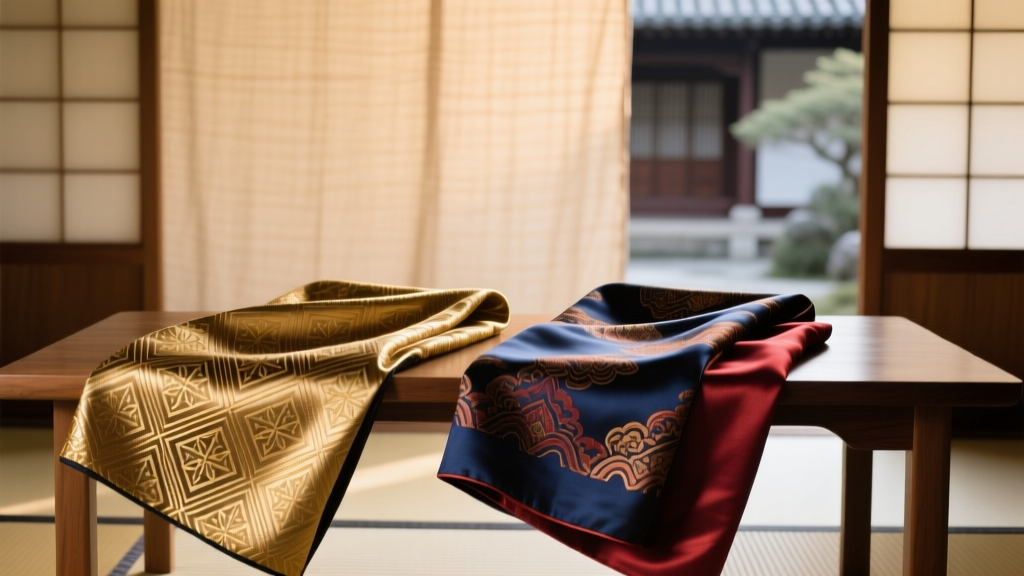
While stiff silk brocades remain popular for weddings, everyday contemporary qipaos favor fluid crepe de chine, linen blends, and stretch cottons. A highly prized material in the luxury contemporary market is Xiangyunsha (gambiered Canton gauze). According to archives preserved by the China National Silk Museum in Hangzhou, this ancient dyeing technique involves treating silk with the juice of the shulang yam and river mud, resulting in a rustling, water-resistant fabric with a distinctive dark, earthen sheen. A bespoke qipao crafted from authentic Xiangyunsha is a wearable investment, prized for its breathability in humid climates and its rich, organic texture.
Hanfu in the 21st Century: From Subculture to Mainstream
The Hanfu (汉服) movement, which began in the early 2000s as a niche internet subculture, has exploded into a multi-billion-dollar mainstream industry. Hanfu refers to the historical dress of the Han Chinese, spanning from the Shang Dynasty to the late Ming Dynasty. Today, contemporary Hanfu is not about strict historical reenactment, but about integrating traditional silhouettes into daily life.
The most prominent example of this is the Mamianqun (horse-face skirt). Characterized by its flat front and back panels with deep, structured side pleats, the Mamianqun has become a staple of modern Chinese street style. It is frequently paired with Western-style button-down shirts, tailored blazers, or modern knitwear, creating a striking juxtaposition of eras.
Key Contemporary Hanfu Configurations
The following table illustrates how historical Hanfu elements have been adapted for the contemporary wardrobe:
| Garment Element | Historical Precedent (Ming/Qing) | Contemporary Adaptation |
|---|---|---|
| Mamianqun (Skirt) | Heavy silk brocade, floor-length, strict pleating, worn with multiple layers. | Lighter jacquard or cotton, midi-length, paired with modern knitwear or blouses. |
| Pankou (Buttons) | Functional knotted silk fasteners used to secure overlapping collars. | Decorative metal, resin, or leather accents; often oversized or used on Western cuts. |
| Collar (Liling) | Stiff, high-standing white detachable collars protecting the garment from sweat. | Softened stand collars integrated into everyday blouses and light jackets. |
| Sleeves (Shuang) | Excessively long 'water sleeves' or wide pipa sleeves restricting manual labor. | Tapered pipa sleeves or standard cuffs with subtle traditional embroidery at the wrist. |
The Tangzhuang and Modern Menswear
While women's contemporary Chinese dress often dominates global fashion discourse, the Tangzhuang (Tang suit) remains a vital component of modern menswear. Despite its name, the Tangzhuang does not originate from the Tang Dynasty; it is a modern derivation of the Qing Dynasty Magua (riding jacket). Characterized by its mandarin collar and pankou knots, the contemporary Tangzhuang has been stripped of its boxy, rigid structure.
Modern iterations utilize soft wools, cashmere blends, and unstructured linen, functioning similarly to a Western cardigan or casual blazer. The Victoria and Albert Museum notes in its Asian textile collections that the adaptation of Qing-era menswear into modern diplomatic and casual contexts reflects a broader trend of utilizing sartorial codes to project cultural soft power. Today, a well-tailored, minimalist Tangzhuang is considered appropriate and highly sophisticated attire for business dinners and cultural events in China.
Sourcing, Pricing, and Styling Framework
Acquiring authentic, high-quality contemporary Chinese dress requires navigating a diverse market, ranging from mass-market e-commerce to bespoke ateliers. Below is a practical pricing and sourcing framework for international buyers and enthusiasts.
- Entry-Level / Mass Market ($30 - $80 USD / ¥200 - ¥500 RMB): Platforms like Taobao and AliExpress host brands like Shisanyu and Zhongzheng. These offer machine-embroidered Hanfu and polyester-blend qipaos. Ideal for beginners, though fabric breathability and historical accuracy may be compromised.
- Mid-Tier Independent Designers ($100 - $300 USD / ¥800 - ¥2,000 RMB): Brands focusing on Xin Zhong Shi often sell through curated boutiques in Shanghai, Beijing, and Chengdu, or via dedicated WeChat mini-programs. Expect natural fibers (silk blends, linen), hand-finished pankou, and original, copyrighted embroidery patterns.
- Bespoke and Luxury Couture ($500 - $2,500+ USD / ¥3,500 - ¥15,000+ RMB): For a traditional, flat-cut qipao or a luxury Xiangyunsha Hanfu set, buyers should seek out master tailors in Shanghai's former French Concession or heritage brands like Ruifuxiang. Bespoke fittings require multiple sessions to ensure the standing collar sits perfectly flush against the jawline without chafing.
Cultural Protocols and Respectful Wear
Wearing contemporary Chinese dress carries cultural weight, and understanding basic sartorial protocols is essential for respectful engagement. The most fundamental rule in Hanfu and traditional Chinese tailoring is jiaoling youren (交领右衽)—the left side of the collar must always cross over the right side, with the right side hidden beneath. Historically, reversing this (left over right) was strictly reserved for dressing the deceased for burial.
Furthermore, while modern fashion has largely divorced color from strict mourning associations, it is still considered a breach of etiquette to wear unadorned, pure white or unhemmed raw silk to joyous occasions like weddings or Lunar New Year celebrations, as these remain tied to traditional funeral rites. Conversely, incorporating subtle red, jade green, or auspicious motifs like the peony or bat (symbolizing good fortune) is highly encouraged. By understanding these nuances, wearers of contemporary Chinese dress do more than adopt a beautiful aesthetic; they participate in a living, breathing cultural continuum that honors the past while confidently stepping into the future.