Chinese Costume Drama Fashion: Modern Hanfu Styling

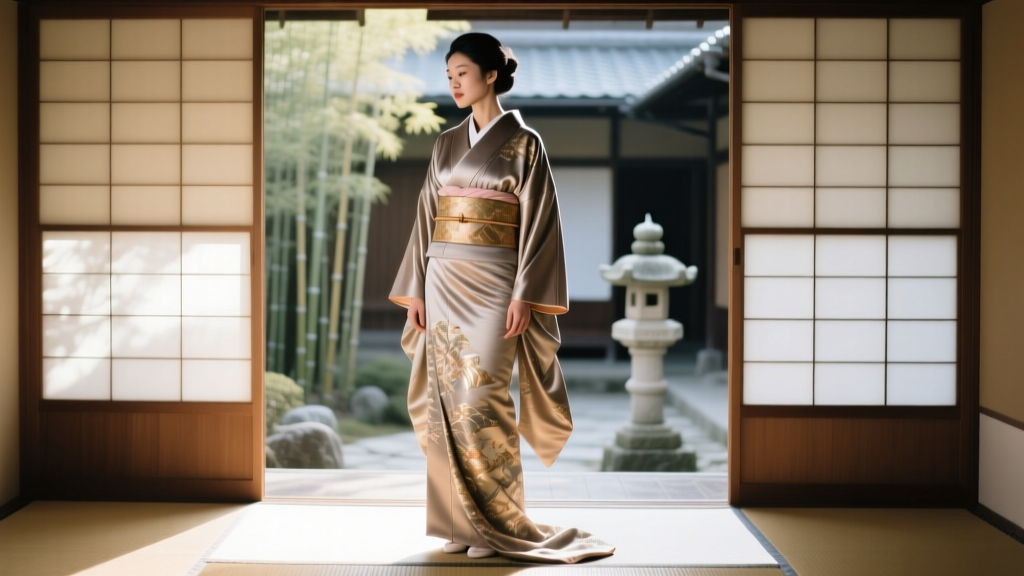
For millions of global viewers, the gateway to Asian traditional garments is the Chinese costume drama. Whether it is the ethereal, gravity-defying robes of Xianxia (immortal fantasy) epics or the richly embroidered court attire of historical sagas like Nirvana in Fire or Story of Yanxi Palace, these shows showcase breathtaking sartorial artistry. However, translating the visual splendor of the screen into a modern, wearable wardrobe requires a nuanced understanding of the difference between theatrical costuming and living historical traditions.
As the global Hanfu revival movement (Hanfu Yundong) continues to evolve, modern enthusiasts are moving away from cheap cosplay replicas and embracing historically informed garments. This guide will deconstruct the anatomy of screen-accurate fashion, teach you how to identify authentic construction, and provide actionable frameworks for integrating traditional Chinese silhouettes into your contemporary 2026 wardrobe.
Beyond the Screen: Understanding Xifu vs. Authentic Hanfu
To style traditional garments effectively, one must first recognize what they are watching on screen. The clothing worn in television and film is known as xifu (戏服), or theatrical/drama clothing. Xifu is engineered for the camera, not for daily life. Designers prioritize dramatic movement, lighting reflection, and rapid costume changes over historical accuracy.
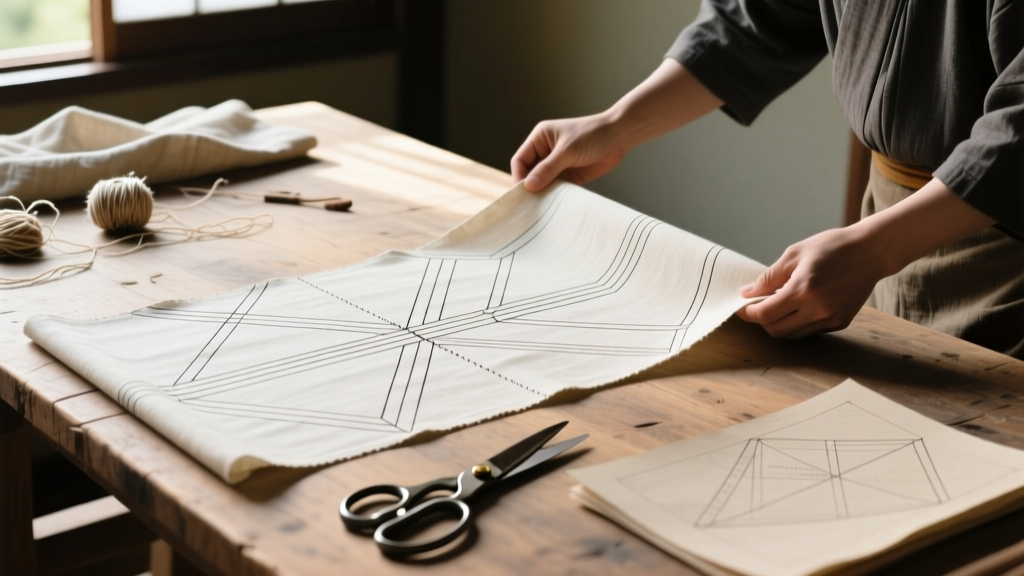
This results in several anachronisms: hidden zippers, Velcro closures, synthetic chiffon that flutters in wind-machine drafts, and exaggerated trailing sleeves that would be highly impractical in historical daily life. Authentic Hanfu (汉服), conversely, is rooted in traditional flat-pattern cutting (pingmian caijian). It relies on natural fibers, tie-closures, and geometric fabric manipulation rather than darts and tailored seams. According to the China National Silk Museum, historical Chinese garments were designed to preserve the integrity of the woven textile, cutting fabric in straight lines and folding it to create volume, rather than cutting it to force the body into a specific shape.
Deconstructing the Wardrobe: Key Garments for Modern Life
Rather than attempting to recreate a full, screen-accurate fantasy ensemble, modern styling focuses on extracting specific historical garments and adapting them for contemporary contexts. Two silhouettes dominate both historical dramas and modern street style.
The Mamianqun (马面裙): A Masterclass in Geometry
Originating in the Ming Dynasty (1368–1644), the Mamianqun, or 'horse-face skirt,' is arguably the most versatile traditional garment in the modern Hanfu wardrobe. It consists of two overlapping wrap panels that create flat, unpleated sections (the 'horse faces') at the front and back, while the sides feature deep, structured knife pleats.
- Construction: A traditional Mamianqun requires between 4.5 to 6 meters of fabric. The waistband is woven separately and attached, providing structural support without the need for elastic or zippers.
- Modern Styling: The Mamianqun is the ultimate bridge between eras. Pair a midi-length, dark-toned jacquard Mamianqun with a crisp, white Western button-down shirt tucked in, or a fitted cashmere turtleneck. The flat front panel provides a sleek, minimalist profile, while the side pleats offer dramatic movement when walking.
The Beizi (褙子): The Song Dynasty Duster
Frequently seen in dramas set during the Song Dynasty (960–1279), the Beizi is a long, open-front outer robe with a straight collar (zhiling) and side slits that extend up to the armpit. In modern terms, it functions exactly like a longline duster or an open cardigan.
Unlike the heavy, floor-sweeping robes of fantasy dramas, a historically accurate Beizi features narrow, straight sleeves that are highly practical. Layer a lightweight silk or linen Beizi over a modern camisole and wide-leg trousers for an elegant, breathable summer ensemble that channels the intellectual minimalism of the Song literati.
Materiality and Construction: A Comparative Guide
Escaping the 'cosplay trap' requires a critical eye for fabric and construction. The Victoria and Albert Museum's Asian textile collections highlight the historical importance of natural fibers and complex weaves in Chinese dress. Below is a framework to help you evaluate garments before purchasing.
| Feature | Drama Costume (Xifu) | Authentic Hanfu |
|---|---|---|
| Closures | Hidden zippers, snaps, Velcro | Fabric ties (ji), toggle buttons (pankou) |
| Fabric Composition | Polyester chiffon, spandex, nylon | Silk, linen, cotton, rayon, jacquard weaves |
| Pattern Cutting | Western tailoring, darts, set-in sleeves | Flat cutting, dropped shoulders, gussets |
| Decorations | Machine-embroidered polyester thread | Woven borders (lan), metallic gold-leaf weaving |
The Hanyuansu Framework: Fusion Styling
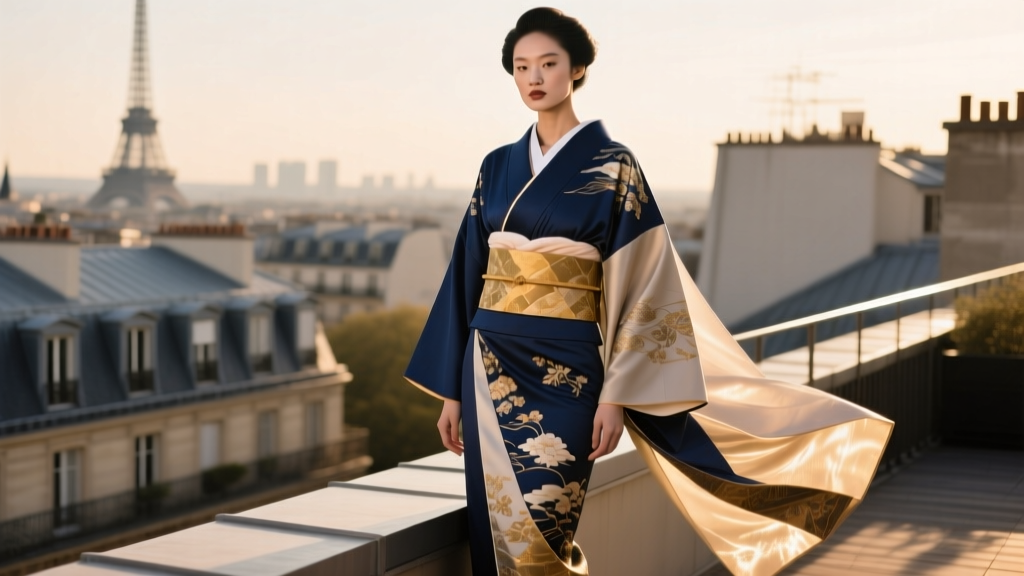
You do not need to wear a full head-to-toe historical ensemble to honor the culture. Hanyuansu (汉元素), or 'Han-element clothing,' refers to modern garments that incorporate traditional Chinese design motifs, fabric techniques, or silhouettes into Western cuts. This is the most accessible entry point for drama fans looking to elevate their daily wardrobe.
Color Theory and Seasonal Pairings
Chinese costume dramas often utilize highly saturated, anachronistic neon dyes that look striking on 4K screens but can appear costumey in natural daylight. For modern wear, look to the traditional Chinese color palette, which relies on natural plant dyes. Seek out garments in yuebai (moon white, a pale blue-white), zhuqing (bamboo green), or xiangye (fragrant leaf brown). These muted, earthy tones integrate seamlessly with modern neutrals like camel, navy, and charcoal.
Footwear and Hair: Grounding the Fantasy
The fastest way to ruin a sophisticated Hanfu outfit is with cheap, plastic accessories. Drama productions often use lightweight acrylic hair sticks and oversized floral crowns. For modern styling, practice restraint.
'The elegance of traditional Chinese adornment lies in its subtlety and material integrity. A single, well-crafted hairpin holds more cultural weight than a crown of plastic lotuses.'
- Hair: Invest in metal, wood, or jade hairpins (zanchai). Look into zanzhua (velvet flowers), a traditional craft from Nanjing that involves dyeing silk threads and shaping them with copper wire. They are lightweight, historically accurate, and breathtakingly beautiful.
- Footwear: Avoid theatrical platform boots. Traditional Hanfu was worn with flat, cloth-topped shoes with woven soles. Today, leather loafers, minimalist Mary Janes, or clean white sneakers pair beautifully with the hemlines of a Mamianqun, grounding the historical silhouette in contemporary reality.
Sourcing and Investment: Navigating the Hanfu Market
The market for traditional Chinese clothing is vast, primarily centered on specialized e-commerce platforms. Understanding the pricing tiers will help you invest in pieces that respect the craft and offer longevity.
- Tier 1: Fast Fashion & Drama Replicas ($25 - $60 USD)
These are mass-produced xifu replicas. They are typically made of polyester, feature inaccurate closures, and lack structural integrity. While fun for themed parties, they do not represent the living Hanfu tradition and will degrade quickly. - Tier 2: Commercial Hanfu Brands ($80 - $250 USD)
Brands like Shisan Yu and Zhongling offer excellent entry points for authentic silhouettes. At this price point, you will find accurate flat-pattern cutting, proper tie-closures, and high-quality synthetic blends or cotton-linen weaves that mimic historical textiles while remaining easy to care for. - Tier 3: Artisan & Museum-Grade Replicas ($300 - $1,500+ USD)
For the serious collector, artisan studios like Minghuatang produce museum-grade replicas based on extant Ming Dynasty artifacts. These garments utilize pure silk, complex zhi jin (gold-leaf weaving) techniques, and hand-finished details. According to textile historians at the Metropolitan Museum of Art Asian Art Collection, the preservation of these complex weaving techniques is vital to maintaining the intangible cultural heritage of Chinese textile arts.
Final Thoughts on Cultural Respect
Translating the magic of a Chinese costume drama into your personal style is a rewarding journey, provided it is approached with respect for the living culture behind the garments. By prioritizing authentic construction, natural materials, and thoughtful modern pairings over fantasy cosplay, you participate in the global appreciation of Hanfu—not as a relic of the past or a mere television prop, but as a dynamic, evolving sartorial tradition.