Exploring Chinese Traditional Mens Wear: Regional Styles
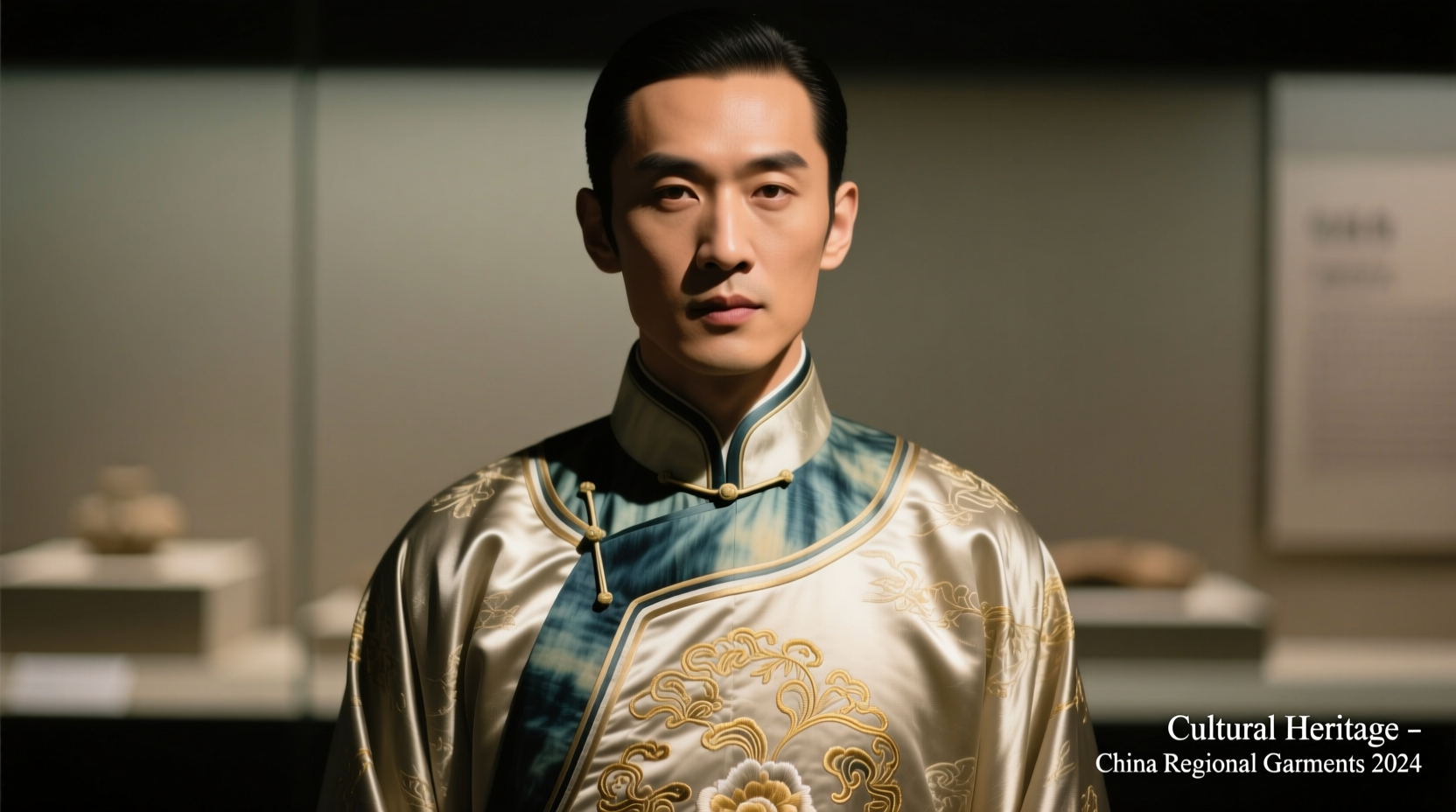
The Tapestry of Chinese Traditional Mens Wear
When discussing chinese traditional mens wear, Western audiences often default to a monolithic image: the bright red, frog-buttoned jacket seen during Lunar New Year celebrations. However, the reality of Chinese sartorial history is a vast, intricate tapestry dictated by extreme climatic shifts, dynastic upheavals, and deep regional identities. From the sweeping, structured robes of the Northern plains to the breathable, meticulously tailored silks of the Jiangnan water towns, traditional menswear is a masterclass in functional geography and cultural expression.
This guide explores the profound regional variations and substyles of Chinese menswear, moving beyond generic categorizations to examine the specific construction, fabrics, and cultural protocols that define these garments. Whether you are a textile collector, a history enthusiast, or someone seeking to wear these garments with cultural accuracy, understanding these regional nuances is essential.
Climatic Divides: Northern Heaviness vs. Southern Drape
The most fundamental driver of regional variation in historical Hanfu (汉服) is climate. The stark contrast between the freezing, arid winters of the North and the humid, subtropical heat of the South birthed entirely different approaches to pattern-making and textile weaving.
The Northern Broad-Shouldered Aesthetic
In Northern China, particularly during the Ming Dynasty (1368–1644), menswear prioritized insulation and imposing silhouettes. The quintessential Northern garment for scholars and officials was the Daopao (道袍). Despite its name translating to 'Daoist robe,' it was the standard daily wear for literati. Northern Daopao were cut with wide, generous sleeves and a broad shoulder line to accommodate thick, quilted under-layers.
A critical construction detail of the Daopao is the anbai (暗摆), or 'hidden swinging panels.' These are complex, pleated side panels inserted into the side slits of the robe. According to the Metropolitan Museum of Art's Ming Dynasty textile archives, these panels served a dual purpose: they maintained modesty and preserved the structural drape of the garment when walking or riding, while allowing the heavy, multi-layered wool and brocade fabrics to move without bunching. Northern weavers favored Zhuanghua (妆花), a heavy, intricately patterned silk brocade often interwoven with gold threads and wool, providing both wind resistance and immense prestige.
Jiangnan Scholar Elegance
Conversely, the Jiangnan region (South of the Yangtze River) demanded breathability and fluid movement. Southern scholars favored the Lanshan (襕衫) and the Zhiduo (直裰). The Lanshan, characterized by its distinctive horizontal hemline border (lan) and side slits, was cut much closer to the body than its Northern counterparts.
Southern tailors utilized lightweight mulberry silks, fine linens, and ramie. The drape of Southern Hanfu relies on the bias cut and the natural weight of the silk, creating a flowing, ethereal silhouette that allowed air circulation during oppressive summer humidity. The color palette also shifted; while Northern courts favored deep crimsons, blacks, and golds, Jiangnan scholars preferred subdued celadons, indigo, and pale ivory, reflecting the region's deep ties to literati painting and Daoist naturalism.
The Qing Dynasty Shift: Changshan and Magua Regionalism
The transition from the Ming to the Qing Dynasty (1644–1912) brought Manchu rule and a forced change in Han Chinese menswear, mandating the queue hairstyle and Manchu-style riding garments. However, regionalism did not disappear; it adapted. The Changshan (长衫, long gown) and Magua (马褂, riding jacket) became the new standard, but their execution varied wildly from Beijing to Guangzhou.
Beijing Bannerman vs. Cantonese Merchant Tailoring
In Beijing, the Changshan retained a boxier, more structured cut reminiscent of Manchu equestrian wear. The armholes were cut lower and wider to allow for the layering of heavy fur-lined vests and multiple Magua jackets during harsh winters. The collars were stiff, high mandarin collars designed to protect the neck from biting winds.
Meanwhile, in the southern trading hubs of Guangzhou (Canton) and later Shanghai, the Changshan underwent a radical transformation. As documented by the Victoria and Albert Museum's Chinese dress collections, Southern tailors began slimming the silhouette. The Cantonese Changshan featured higher, tighter armholes, a tapered waist, and narrower sleeves. This was heavily influenced by the humid climate and the rise of the merchant class, who required garments that looked sharp and professional in bustling, humid port cities without the bulk of Northern layering.
The 'Tangzhuang' Misconception: A Modern Invention
It is vital to address a common misconception in modern chinese traditional mens wear: the Tangzhuang (唐装). Despite the name translating to 'Tang Dynasty clothing,' this garment has absolutely no historical connection to the Tang Dynasty (618–907 AD).
The Tangzhuang is actually a modern hybrid, derived from the Qing Dynasty Manchu Magua, heavily modified with Western 3D tailoring techniques (like set-in sleeves and shoulder pads) and popularized globally after the 2001 APEC summit in Shanghai. While it is a valid piece of contemporary Chinese cultural dress, historians and Hanfu revivalists strictly categorize it as modern ceremonial wear rather than historical traditional wear. Authentic historical menswear relies on flat-pattern cutting (2D tailoring), where the fabric is draped and tied, rather than darted and pinned to the body.
Xiangyunsha: The Gambiered Silk of the South
No discussion of Southern Chinese menswear is complete without Xiangyunsha (香云纱), or Gambiered Canton Silk. Originating in the Shunde district of Guangdong, this is one of the most complex and expensive textile dyeing processes in the world.
Silk is repeatedly dyed with the tannin-rich juice of the wild yam, then coated with iron-rich river mud, and finally dried in the sun. The chemical reaction between the yam tannin and the river mud creates a distinctive dual-toned fabric: a rich, glossy copper-black on one side and a matte, sandy brown on the other. Historically reserved for wealthy Southern merchants and scholars, Xiangyunsha is naturally antibacterial, quick-drying, and incredibly cooling. Today, a bespoke Xiangyunsha Changshan remains a pinnacle of Southern sartorial luxury.
Beyond the Han: Ethnic Minority Menswear Substyles
China's 55 recognized ethnic minorities possess deeply distinct menswear traditions that often predate Han Chinese dynastic shifts.
- Miao (Hmong) Menswear: In the mountainous regions of Guizhou, Miao men traditionally wear wide-legged, pleated trousers made from hand-woven, indigo-dyed hemp. Festival wear often includes heavily embroidered jackets featuring geometric motifs that serve as clan identifiers, alongside intricate silver neck rings and headdresses that denote wealth and spiritual protection.
- Zhuang Brocade: The Zhuang people of Guangxi are renowned for Zhuangjin (Zhuang brocade). Men's ceremonial jackets feature striking, high-contrast geometric patterns woven in vibrant reds, yellows, and greens against a dark indigo base, typically fastened with woven cloth ties rather than metal buttons.
- Tibetan Chuba: On the high plateau, the Tibetan Chuba is a masterclass in survival tailoring. Worn with one or both sleeves tied off at the waist to regulate body temperature during extreme diurnal shifts, the Chuba is crafted from thick sheepskin, wool, and adorned with turquoise and coral amulets.
Regional Fabric and Silhouette Comparison Chart
| Region / Substyle | Primary Garment | Signature Fabric | Climate Adaptation | Est. Bespoke Price (USD) |
|---|---|---|---|---|
| Northern Han (Ming) | Daopao (道袍) | Zhuanghua Brocade, Wool | Wind resistance, layering capacity | $250 - $600 |
| Jiangnan (Southern Han) | Lanshan (襕衫) | Lightweight Mulberry Silk, Ramie | Breathability, fluid drape | $150 - $350 |
| Beijing (Qing) | Changshan / Magua | Heavy Satin, Fur-lined Cotton | Insulation, stiff collars | $300 - $800 |
| Guangdong (Canton) | Slim Changshan | Xiangyunsha (Gambiered Silk) | Moisture-wicking, cooling | $400 - $1,200 |
| Guizhou (Miao) | Indigo Hemp Trousers | Hand-woven Hemp, Indigo | Durability for mountain terrain | $80 - $200 |
Sourcing and Modern Acquisition
For collectors and enthusiasts looking to acquire authentic chinese traditional mens wear, navigating the market requires an understanding of terminology. Mass-market 'Tang suits' can be found for $30 to $80 on global e-commerce platforms, but these utilize synthetic blends and Western darts.
For authentic, historically patterned Hanfu (like the Daopao or Lanshan), buyers should seek out specialized Hanfu studios based in Chengdu or Hangzhou. These studios utilize traditional flat-pattern drafting. The Peabody Essex Museum's textile conservation notes frequently highlight the importance of seam placement in historical garments; authentic replicas will feature side-seams and shoulder seams that align with traditional weaving loom widths, avoiding modern center-back seams. Expect to pay between $150 and $400 for high-quality, authentic Hanfu from reputable makers like Ming Huatang or Shiyushe.
Cultural Protocols and Styling Frameworks
Wearing traditional Chinese menswear today requires an understanding of cultural protocols, particularly regarding the collar. The golden rule of Hanfu and traditional Qing wear is Jiaoling Youren (交领右衽), meaning the left side of the collar must cross over the right side. Crossing the right over the left (Zuoren) is strictly reserved for the deceased in traditional funerary rites and is considered highly inauspicious.
When styling a traditional Changshan or Daopao for modern wear, footwear is critical. Avoid pairing these garments with modern athletic sneakers, which disrupts the visual weight of the drape. Instead, opt for traditional cloth Laotou (老北京布鞋) shoes, minimalist leather loafers, or Chelsea boots, which complement the clean, uninterrupted vertical lines of the robe.
'The diversity of Chinese traditional mens wear is a direct reflection of the empire's vast geography and complex social hierarchies. To wear these garments correctly is to engage in a dialogue with centuries of regional artisans, weavers, and scholars.'
— Curatorial Department, Asian Textile Archives
By appreciating the regional substyles—from the heavy, structured brocades of the Northern plains to the breathable, mud-dyed silks of the Southern coasts—wearers and collectors can honor the profound depth of China's sartorial heritage.