Velvet Cheongsam Styling: Modern Elegance Guide 2026
The Historical Resonance of Velvet in Chinese Tailoring
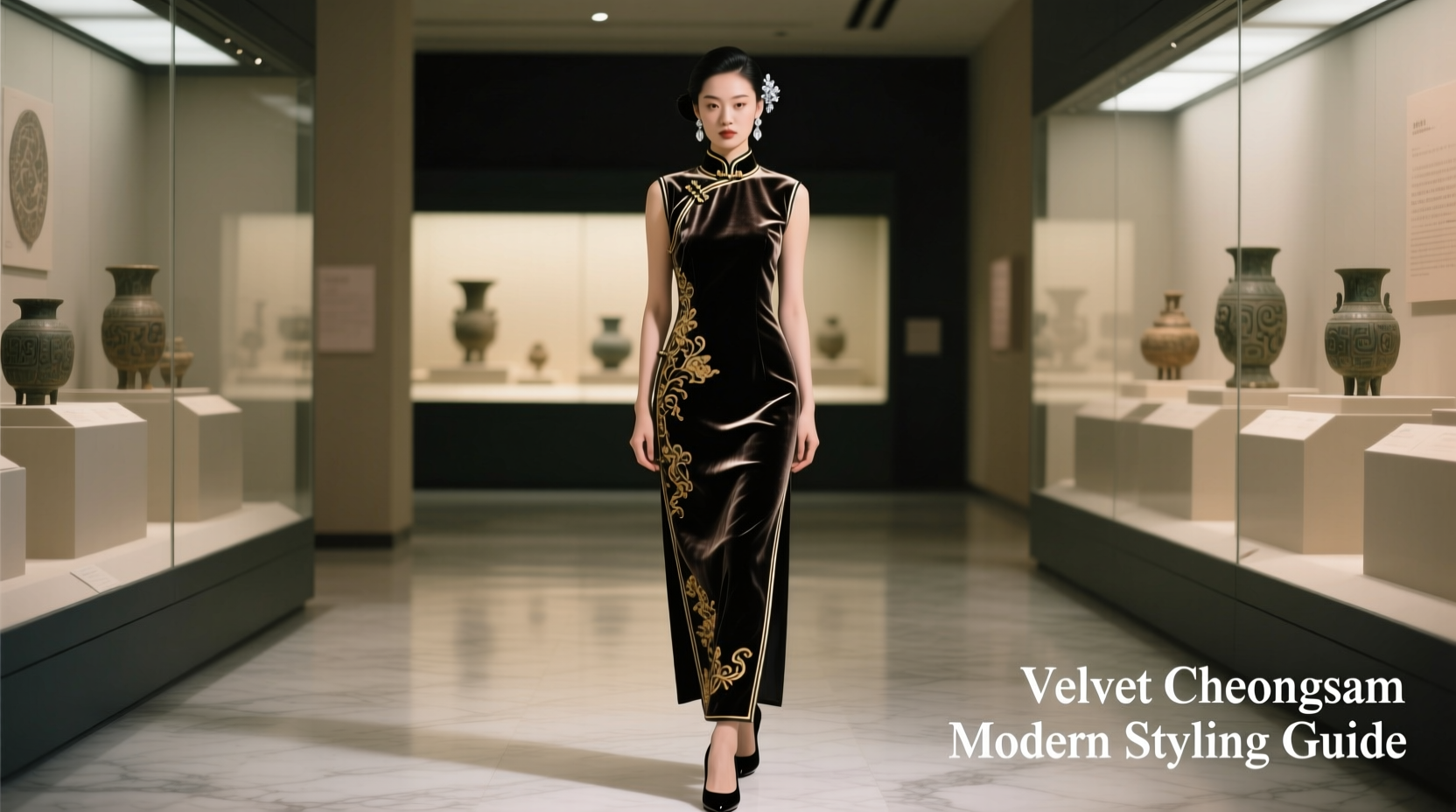
The velvet cheongsam (also known as the qipao) occupies a unique and luxurious space in the lexicon of Asian traditional garments. While the lightweight silk and linen qipaos of the 1920s and 1930s Shanghai era are frequently documented, the winter-weight velvet variations were the undisputed markers of high-society elegance. During the Republican era, velvet was not merely a textile; it was a statement of cosmopolitan wealth, frequently worn by socialites, writers, and cinematic stars for evening galas and winter weddings.
Historically, the most prized material was Zhangrong (Zhangzhou velvet), a luxurious silk velvet originating from Fujian province. Recognized for its dense, lustrous pile and intricate jacquard patterns, traditional Zhangzhou velvet weaving is a highly guarded craft. According to the China Intangible Cultural Heritage Network, the technique of creating this double-cloth silk velvet dates back to the Ming Dynasty, requiring master weavers to slice the warp threads to create the signature plush nap. Today, while authentic antique Zhangrong is largely confined to the archives of institutions like the Victoria and Albert Museum's Asian Collections, modern interpretations of the velvet cheongsam continue to honor this legacy of opulence.
Decoding Fabric: Silk Velvet vs. Modern Blends
When sourcing cheongsam velvet, understanding the fabric composition is critical to both the garment's drape and its cultural authenticity. Velvet is notoriously difficult to tailor, particularly for the form-fitting silhouette of a qipao.
The Bias Cut Challenge
A traditional qipao relies heavily on the bias cut to contour the body without the use of Western-style darts. Velvet, however, has a directional 'nap' (the way the fibers lie). When a master tailor cuts velvet on the bias, the nap can shift, creating optical illusions of color shading and risking seam slippage. High-end bespoke tailors mitigate this by using a silk-organza underlining, which stabilizes the velvet while allowing the garment to breathe and drape fluidly.
Fabric Tiers for the Modern Wardrobe
- 100% Mulberry Silk Velvet: The pinnacle of luxury. It possesses a liquid drape and a deep, rich luster. It crushes easily, requiring meticulous care, and is typically reserved for bespoke, floor-length evening qipaos.
- Silk-Rayon Blend Velvet: The most common choice for high-quality ready-to-wear. The addition of rayon adds weight and durability while maintaining a beautiful sheen. It holds the structure of the iconic mandarin collar (high collar) exceptionally well.
- Burnout (Devoré) Velvet: A modern favorite featuring sheer, patterned cutouts against a velvet background. This offers a contemporary, textural contrast that breathes life into traditional floral motifs like the peony or plum blossom.
- Cotton-Synthetic Velvet: Often found in mass-market retail. While durable and affordable, it lacks the luminous depth of silk and tends to attract lint, making it less suitable for formal cultural events.
The 2026 Styling Framework: Elevating the Velvet Qipao
The most common styling pitfall when wearing a velvet cheongsam is leaning too heavily into 'costume' territory. In 2026, the most sophisticated approach to Asian traditional garments is rooted in juxtaposition—balancing the historical weight of the qipao with sharp, contemporary elements.
Outerwear & Layering Protocols
Because velvet is a winter-weight fabric, layering is essential. Avoid pairing a velvet qipao with traditional silk shawls or brocade jackets, which can overwhelm the outfit and skew toward a theatrical aesthetic. Instead, opt for structured, minimalist outerwear:
- The Tailored Wool Overcoat: A calf-length, single-breasted wool coat in charcoal, camel, or midnight blue creates a striking, intellectual silhouette reminiscent of 1930s Shanghai literati.
- The Cropped Leather Jacket: For an edgy, streetwear-adjacent look, a cropped black leather moto jacket contrasts beautifully with the softness of the velvet pile, perfect for gallery openings or evening dinners.
- The Cashmere Duster: An unstructured, open-front cashmere drape adds movement and softness without competing with the intricate pankou (frog fastenings) of the cheongsam.
Footwear & Accessory Pairings
Leave the stiletto pumps and matching satin clutches in the past. Modernizing the velvet cheongsam requires grounding the look with architectural and organic elements.
- Footwear: Pointed-toe block heels, sleek Chelsea boots, or even minimalist white leather sneakers (for a high-low daytime fusion) are the current standard. Boots, in particular, echo the winter-appropriate nature of the velvet.
- Jewelry: Velvet absorbs light, so your jewelry must reflect it. Baroque pearls, raw jade pendants set in matte gold, or sculptural brass cuffs provide the necessary visual anchor. Avoid overly delicate chains, which get lost against the heavy fabric.
- Handbags: Opt for structured leather top-handle bags or modern geometric clutches. The rigidity of the leather balances the plushness of the cheongsam velvet.
Occasion-Based Styling Matrix
Navigating the cultural protocols of the qipao requires an understanding of color and motif. Red velvet is deeply tied to Lunar New Year and matrimonial banquets, while jewel tones are preferred for secular formal events.
| Occasion | Recommended Velvet Type & Color | Styling Pairings | Cultural Protocol |
|---|---|---|---|
| Lunar New Year Banquet | Crimson silk-blend with gold plum blossom motifs | Gold sculptural earrings, black leather ankle boots | Red symbolizes luck; avoid wearing if attending a mourning family's gathering. |
| Winter Wedding Guest | Emerald or Sapphire burnout (devoré) velvet | Baroque pearl drops, tailored wool wrap coat | Avoid solid red or pure white to respect the bride. Jewel tones show respect. |
| Art Gallery Opening | Obsidian (black) cotton-silk velvet, knee-length | Cropped leather jacket, silver cuff, minimalist clutch | Black velvet is chic and modern; keep the hemline at or just below the knee. |
| Academic / Formal Dinner | Deep plum Zhangrong-style jacquard velvet | Cashmere duster, jade pendant, block-heel pumps | Longer hemlines (mid-calf) denote formality and respect for the host. |
Sourcing, Bespoke Tailoring, and Price Tiers
Acquiring a high-quality velvet cheongsam is an investment in artisan craftsmanship. The Metropolitan Museum of Art's Costume Institute archives highlight the meticulous hand-finishing required for authentic qipaos, a standard that modern buyers should seek out. When shopping, expect the following price tiers (in USD):
- Mass-Market / Fast Fashion ($50 - $150): Typically made from polyester-blend velvets with machine-stitched, non-functional faux pankou knots. The side slits are often sewn shut, and the collar lacks internal stiffening.
- Artisan Ready-to-Wear ($300 - $800): Sourced from specialized boutiques in Shanghai, Hong Kong, or diaspora-led global brands. These feature genuine silk-rayon velvet, hand-tied functional pankou, and proper bias-cutting techniques.
- Bespoke / Couture ($1,500 - $4,500+): Commissioned from master tailors (such as those operating out of Shanghai's South Bund Fabric Market or heritage houses in Hong Kong). This tier includes personal measurements, multiple fittings, premium imported silk velvet, and entirely hand-stitched hems and fastenings.
Archival Care: Preserving the Pile
Velvet requires specialized care to maintain its structural integrity and luxurious nap. Never hang a velvet cheongsam on a wire or thin wooden hanger; the weight of the fabric, especially when cut on the bias, will permanently stretch the shoulders and distort the side seams.
'The soul of a qipao lies in its seams. When velvet is crushed or stretched improperly, the garment loses its architectural memory, and the history woven into its bias cut is permanently altered.' — Master Tailor Adage, Shanghai Garment Guild.
Cleaning Protocol: Never machine wash or aggressively hand-wash silk velvet. Water spots can permanently ruin the pile. Dry cleaning by a specialist who understands Asian traditional garments is mandatory. Storage: Store the garment flat in a breathable cotton garment bag. If you must fold it, pad the folds with acid-free tissue paper to prevent hard creases from crushing the velvet fibers. To remove minor wrinkles, use a handheld steamer from the inside of the garment, allowing the steam to lift the nap without applying direct, crushing heat to the exterior.
Conclusion
The velvet cheongsam is far more than a seasonal novelty; it is a masterclass in textile engineering and cultural expression. By understanding the historical weight of Zhangzhou velvet, respecting the complexities of the bias cut, and applying modern styling frameworks, you can integrate this magnificent garment into a contemporary 2026 wardrobe with confidence, reverence, and undeniable elegance.