Hanfu Dresses: Fabric and Craftsmanship

The Anatomy of Authentic Chinese Hanfu Dresses
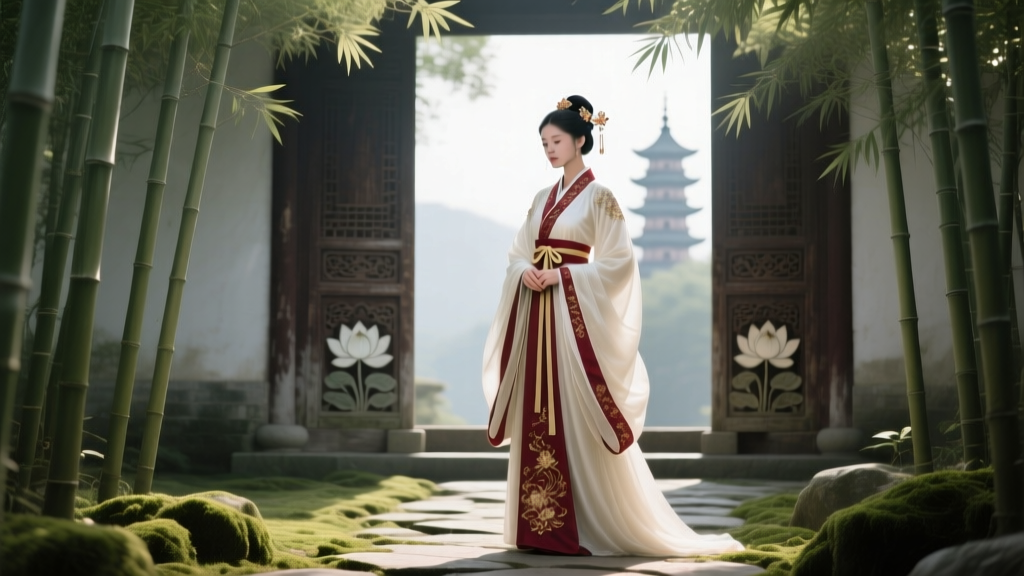
When examining authentic chinese hanfu dresses, one must look beyond the sweeping silhouettes and intricate motifs to understand the profound textile engineering that defines the garment. Unlike Western tailoring, which relies on darts, curved seams, and structured armholes to mold fabric to the human form, traditional Han clothing is rooted in a philosophy of harmony between the body and the textile. The modern Hanfu movement has revived not just the visual aesthetics of the Han, Tang, Song, and Ming dynasties, but also a deep appreciation for historical craftsmanship, weaving techniques, and natural dyeing protocols.
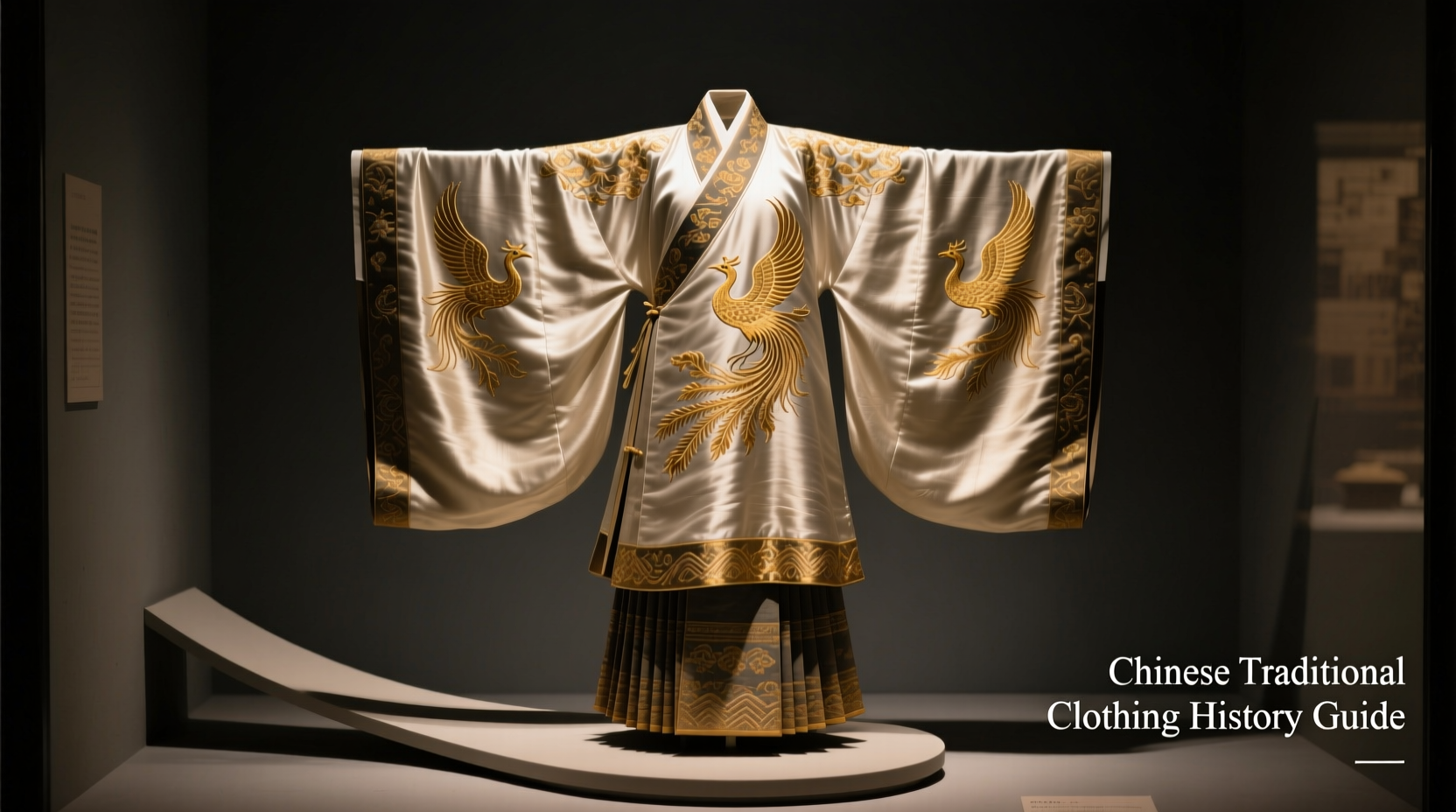
A standard Hanfu ensemble typically consists of a top and bottom, such as the Ruqun (a blouse paired with a wrap-around skirt) or the Aoqun (a lined jacket worn over a skirt). Another foundational silhouette is the Shenyi (deep robe), which seamlessly connects the top and bottom into a single garment while maintaining the visual distinction of a two-piece suit. Across these variations, the defining structural hallmark is the Jiāolǐng Yòurèn—the cross-collar that wraps over the right side of the body, a sartorial rule codified during the Zhou Dynasty that remains a non-negotiable standard for authentic garments today.
Píngmiàn Cáizhì: The Philosophy of Flat Cutting
The most critical differentiator in the craftsmanship of Chinese hanfu dresses is the Píngmiàn Cáizhì (flat cutting) system. In traditional Chinese tailoring, fabric is treated as a two-dimensional plane. Garments are constructed using straight cuts and geometric shapes, avoiding the complex curved armholes and shoulder seams found in modern Western apparel. When laid flat on a table, a completed Hanfu robe will lie entirely flush, with no puckering or structural tension.
This methodology was born out of respect for the material and the limitations of historical looms. Traditional wooden looms produced fabric in narrow widths, typically between 50 and 60 centimeters. To construct a wide-sleeved robe (Guǎngxiù), artisans would stitch multiple panels of fabric together rather than cutting a curved shape from a massive bolt of cloth. This resulted in the iconic Zhōngfèng (center back seam), a vertical line running down the spine of the garment. In traditional Chinese culture, this center seam represents moral integrity and uprightness—a physical manifestation of the wearer's ethical alignment. The drape and fit of the garment are not achieved through tailoring to the body's contours, but rather through the weight of the textile, the width of the sleeves, and the tension of the sash tied at the waist.
The Three Famous Brocades: Material Heritage
Silk has been the cornerstone of Chinese textile heritage for over five millennia. As noted by the Metropolitan Museum of Art's Heilbrunn Timeline of Art History, the mastery of sericulture allowed Chinese artisans to develop weaving techniques of unparalleled complexity. For high-end Hanfu, particularly those replicating Ming and Tang dynasty court dress, three specific types of brocade are historically and contemporarily revered: Nanjing Yun (Cloud) Brocade, Suzhou Song Brocade, and Sichuan Shu Brocade.
| Brocade Type | Origin | Weave Characteristics | Drape & Weight | Approx. Price (per meter) |
|---|---|---|---|---|
| Yun (Cloud) | Nanjing, Jiangsu | Heavy use of gold and peacock feather threads; complex jacquard weave. | Stiff, heavy, highly structured. Ideal for outer robes and ceremonial wear. | $150 - $400+ USD |
| Song | Suzhou, Jiangsu | Matte finish, intricate geometric and floral patterns, double-weave structure. | Medium weight, elegant drape. Perfect for Song dynasty Aoqun and scholarly garments. | $80 - $200 USD |
| Shu | Chengdu, Sichuan | Vibrant colors, tight weave, historically utilized heavy silk floss. | Durable, slightly crisp. Frequently used for Tang dynasty Banbi (half-sleeves) and skirts. | $60 - $150 USD |
Everyday Fabrics: Ramie and Linen
While silk dominates museum collections and ceremonial wear, the historical reality is that the majority of the populace wore garments made from plant fibers. Zhùmá (ramie) and linen were the textiles of the working class and scholars seeking modesty. Ramie, native to East Asia, yields a fabric that is highly breathable, naturally antibacterial, and possesses a beautiful, slubbed texture that softens with wear. Modern Hanfu practitioners frequently choose high-grade ramie for summer Ruqun due to its exceptional moisture-wicking properties and historical authenticity.
Natural Dyeing and Embroidery Protocols
The color palette of traditional Chinese hanfu dresses was historically dictated by the Five Elements theory (Wuxing) and sumptuary laws that restricted certain colors to specific social classes. Before the advent of synthetic aniline dyes in the late 19th century, artisans relied on complex botanical and mineral extraction methods.
- Indigo (Lán): Extracted from the leaves of the Persicaria tinctoria plant, requiring multiple oxidation dips to achieve deep, colorfast blues.
- Madder (Qiàn): Derived from the roots of Rubia cordifolia, yielding rich reds and terracottas, often requiring a mordant like alum to bind to silk fibers.
- Rattan Yellow (Téng): A vibrant, warm yellow extracted from the resin of the rattan palm, historically reserved for imperial garments during specific dynasties.
Embellishment on Hanfu is equally governed by strict regional traditions. Sū Xiù (Suzhou embroidery) is prized for its delicate, photorealistic floral motifs and the technique of splitting a single silk thread into up to 48 finer strands to create imperceptible color gradients. For the most luxurious garments, artisans utilize Kèsī (cut silk), a tapestry weave technique where the weft threads are woven only where the pattern requires them, creating a carved, three-dimensional effect that looks identical on both sides of the fabric. The Victoria and Albert Museum's textile archives frequently highlight Kèsī as one of the most time-intensive and highly skilled textile arts in human history, with a single square inch taking days to complete.
Navigating the Modern Market: Quality and Pricing
As the Hanfu revival matures into a robust cultural industry, the market for Chinese hanfu dresses has stratified into distinct tiers. Understanding these tiers is essential for collectors, cultural enthusiasts, and those seeking authentic garments.
Tier 1: Mass-Market and Costume Grade ($30 - $80 USD)
Produced primarily in factories in Guangzhou and Caoxian, these garments are made from polyester chiffon, jacquard poly-blends, and synthetic satins. While they capture the general silhouette of Hanfu, they lack the structural integrity of flat cutting, often featuring modern conveniences like hidden zippers, elastic waistbands, and machine-serged seams. These are suitable for casual cosplay or festival wear but do not represent authentic textile craftsmanship.
Tier 2: Mid-Range Artisan and Enthusiast Grade ($150 - $400 USD)
This tier represents the sweet spot for serious Hanfu practitioners. Brands in this category, such as Ming Huatang or Shihan, utilize genuine mulberry silk, authentic ramie, and high-quality viscose-linen blends. Garments are constructed using traditional flat-cutting methods, complete with proper center back seams and hand-finished collars. Embroidery is often a mix of high-density machine work and hand-stitched accents. The hardware (buttons and closures) is typically cast metal or carved jade, rather than stamped plastic.
Tier 3: Heritage and Museum-Grade Replicas ($800 - $3,500+ USD)
At the apex of the market are bespoke ateliers and heritage cooperatives that replicate specific historical artifacts. These garments utilize authentic Yun or Song brocades woven on traditional wooden jacquard looms. The dyeing is done exclusively with historical plant and mineral pigments, and the embroidery is completed entirely by hand using heritage techniques like Kèsī or gold-couching. Purchasing at this level is an investment in intangible cultural heritage, directly supporting master weavers and embroiderers whose craft is protected by national heritage registries.
What to Look For When Buying Authentic Hanfu
When evaluating Chinese hanfu dresses for authenticity and craftsmanship, inspect the following details:
- The Collar Construction: The inner layer of the cross-collar should be slightly higher than the outer layer, a detail known as Hùyǐng, which protects the outer silk from skin oils and sweat.
- Seam Finishing: Authentic garments will feature enclosed seams (often bound with silk bias tape) rather than overlocked or serged edges, honoring the historical method of preventing fraying without modern machinery.
- Sleeve Attachment: Traditional sleeves are attached straight across the shoulder line, creating a dropped shoulder effect when worn. If the garment has a curved armhole or shoulder darts, it has been Westernized.
- Tie Placement: Skirts and tops should be secured entirely by fabric ties (Jìdài). The presence of buttons, hooks, or zippers on a garment marketed as traditional Ming or Song dynasty Hanfu is an immediate indicator of modern modification.
By understanding the profound relationship between the loom, the cutting table, and the cultural philosophy of the wearer, one can truly appreciate the artistry embedded in every fold of authentic Chinese hanfu dresses. These garments are not merely historical costumes; they are living, breathing textiles that carry the weight of millennia of human ingenuity.