What Is Chinese Clothing Called? Hanfu, Qipao & Symbolism

Decoding the Terminology: What Is Chinese Clothing Called?
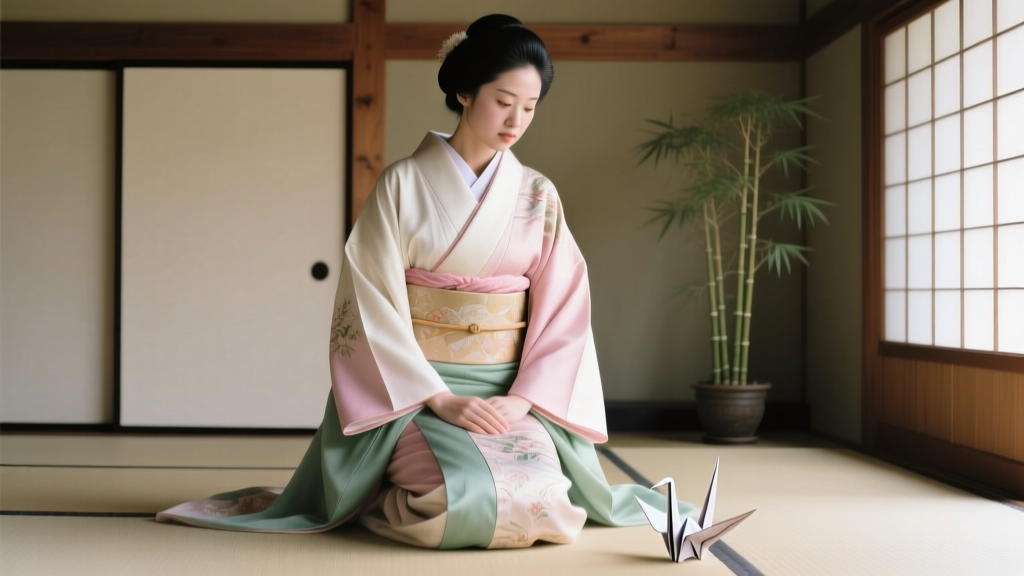
When exploring the rich tapestry of Asian dress, enthusiasts and cultural scholars frequently ask: what is Chinese clothing called? The answer is not a single monolith. Unlike Western historical dress, which is often categorized strictly by era, traditional Chinese clothing is categorized by ethnic lineage, dynastic shifts, and philosophical symbolism. To simply call it a 'kimono' (a Japanese term) or a generic 'costume' is a profound misnomer.
Chinese sartorial history is primarily divided into three distinct categories: Hanfu (the historical dress of the Han majority), the Qipao/Cheongsam (the modernized silhouette born of Manchu and Republican influences), and the Tangzhuang/Changshan (often misunderstood masculine garments). Each carries profound cosmological symbolism, regional variations, and strict cultural protocols.
Hanfu (汉服): The Ancient Thread of Han Identity
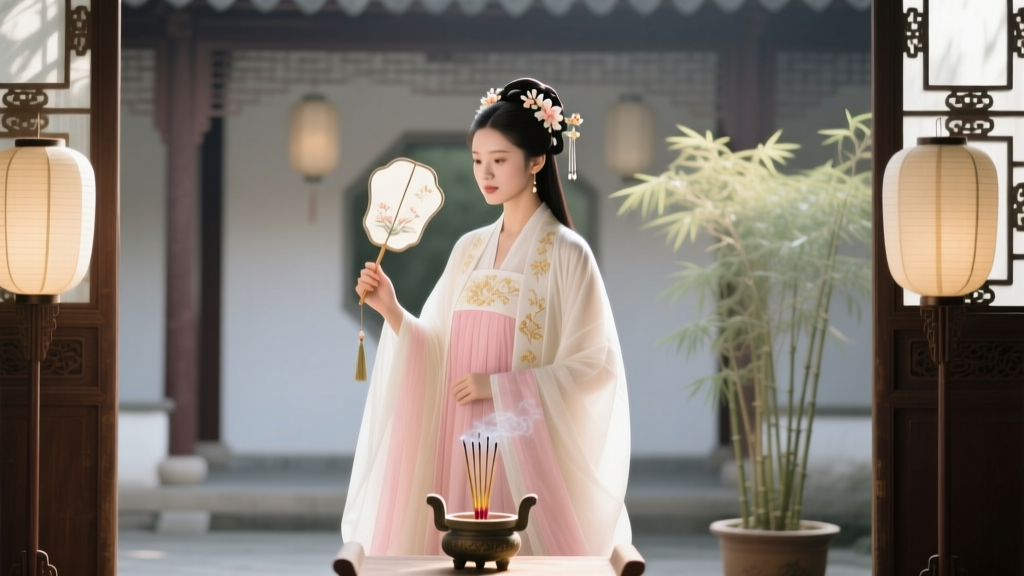
Hanfu translates literally to 'Han clothing.' It encompasses the indigenous dress of the Han Chinese people, spanning from the mythical Yellow Emperor (circa 2700 BCE) to the early Qing Dynasty (1644 CE). Hanfu is not merely fabric; it is a wearable manifestation of Confucian propriety and Daoist cosmology.
Structural Symbolism: Heaven, Earth, and the Middle Way
The construction of traditional Hanfu is deeply symbolic. The most defining feature is the Jiaoling Youren (cross collar, right lapel). The left side of the garment always crosses over the right. In traditional Chinese philosophy, the left represents the living and the yang (positive) energy, while the right represents the yin. Reversing this (left lapel under right) is strictly reserved for dressing the deceased for burial.
Furthermore, the classic Shenyi (deep garment) is constructed from exactly twelve panels of fabric, representing the twelve months of the lunar year. The sleeves are cut wide and round to symbolize the heavens, while the collar is square to represent the earth, grounding the wearer between the cosmic forces.
Key Components and Regional Variations
- Ruqun: A high-waisted skirt and top combination, heavily favored during the Tang Dynasty (618–907 CE). Tang-era Ruqun featured daringly low necklines and wide sleeves, reflecting the cosmopolitan, Silk Road-influenced wealth of Chang'an.
- Mamianqun: The 'horse-face skirt,' a pleated wrap skirt popular in the Ming Dynasty. The flat front and back panels (the 'horse faces') allowed for ease of movement while riding, while the intricate pleats on the sides featured woven motifs of dragons, phoenixes, or lotus flowers.
Qipao and Cheongsam (旗袍): The Modern Silhouette
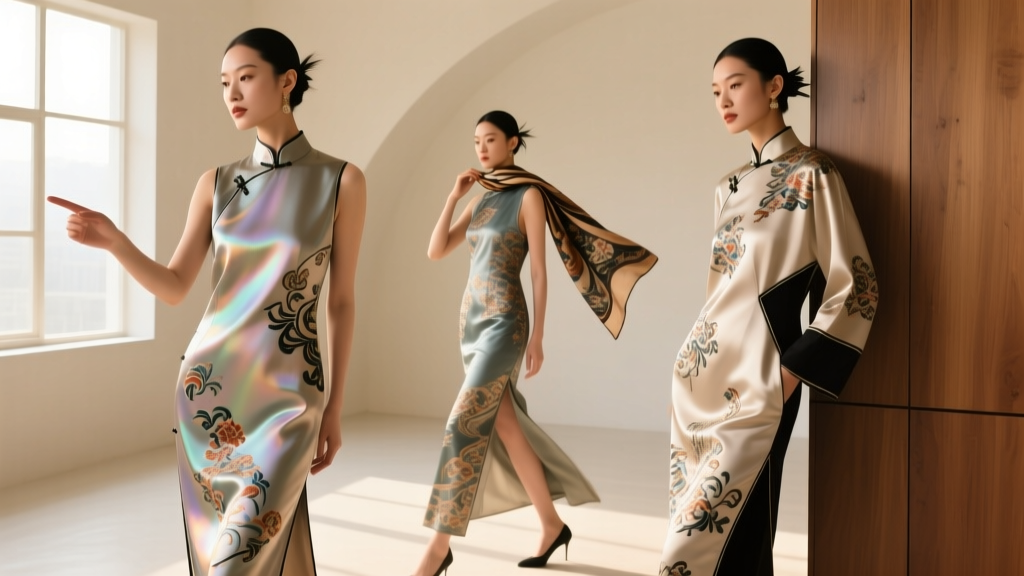
If Hanfu represents ancient cosmology, the Qipao represents the dynamic social upheaval of the 20th century. The term 'Qipao' (Mandarin) translates to 'banner robe,' referencing the qizhuang worn by the Manchu Eight Banners during the Qing Dynasty. However, the form-fitting garment recognized globally today is a product of 1920s and 1930s Shanghai.
The Evolution from Banner Robe to Modern Icon
According to archives at the Metropolitan Museum of Art, the original Manchu banner robe was a loose, A-line, floor-length garment designed to conceal the figure and accommodate horseback riding. In the 1920s, female students and Shanghai socialites radically altered the cut. They introduced Western darting to tailor the dress to the body's curves, raised the hemline to the calf or knee, and introduced the iconic Kaiqi (side slits).
'The Qipao is a masterclass in sartorial diplomacy. It bridges the modesty demanded by traditional Confucian values with the liberated, modern silhouette of the Western flapper era.' — Curatorial notes on 20th-century Shanghai textiles, Victoria and Albert Museum.
Motif Meanings and the Pankou Knots
The Pankou (frog knot buttons) are not mere fasteners; they are talismans. A Qipao designed for a wedding will feature knots shaped like peonies (wealth) or double happiness characters. A Qipao for a scholar might feature bamboo-shaped knots, symbolizing resilience and hollow modesty. The Victoria and Albert Museum's Asian collections highlight how the placement and complexity of Pankou often indicated the wearer's marital status and social standing in Republican-era China.
Tangzhuang (唐装) and Changshan (长衫): Misnomers and Masculine Elegance
When people ask what Chinese clothing is called regarding the jackets seen at Lunar New Year, they are usually referring to the Tangzhuang. Ironically, the Tangzhuang has nothing to do with the Tang Dynasty. The name derives from 'Tangren' (people of the Tang), a historical term for overseas Chinese. The jacket is actually a modernized adaptation of the Manchu Magua (riding jacket), popularized during the 2001 APEC summit in Shanghai.
Conversely, the Changshan (long shirt) is the traditional masculine counterpart to the Qipao. Worn by intellectuals like Lu Xun and Sun Yat-sen in the early 20th century, the Changshan is a straight-cut, ankle-length robe with a mandarin collar, symbolizing scholarly pursuit and moral rectitude.
Symbolic Color and Fabric Lexicon
Understanding Chinese clothing requires decoding the visual language of its textiles. The Smithsonian National Museum of Asian Art notes that color in Chinese dress was historically regulated by sumptuary laws.
| Color / Motif | Chinese Term | Symbolic Meaning & Protocol |
|---|---|---|
| Vermilion Red | Hong (红) | Joy, luck, and warding off evil. Strictly worn by brides and during Lunar New Year. Forbidden at funerals. |
| Imperial Yellow | Huang (黄) | The center of the universe, earth element. Historically reserved exclusively for the Emperor and Empress. |
| Jade Green | Lu (绿) | Spring, renewal, and longevity. Often used in garments for elders to wish them health. |
| Bat Motif | Fu (蝠) | A homophone for 'good fortune.' Five bats stitched on a hem represent the Five Blessings (health, wealth, long life, virtue, natural death). |
| Peony Motif | Mudan (牡丹) | The 'King of Flowers.' Represents feminine beauty, wealth, and aristocratic honor. |
Contemporary Buying and Styling Protocols
Purchasing authentic Chinese traditional garments requires navigating a market flooded with cheap polyester costumes. True cultural appreciation involves investing in proper materials and construction.
Navigating Fabrics and Silk Weights
Authentic Qipao and high-end Hanfu are crafted from mulberry silk. Silk weight is measured in momme (mm). A standard, durable Qipao should be made from 19mm silk crepe or charmeuse. For heavy, luxurious brocades (used in winter Hanfu or wedding Qipao), look for 22mm to 30mm weights. Avoid anything labeled 'silky polyester' if you seek breathable, historically respectful garments.
Price Ranges and Where to Buy
- Entry-Level Hanfu (Taobao / Specialized E-commerce): Expect to pay between $30 and $120 USD (200–850 RMB). Brands like Shisanyu offer historically informed Ming and Song dynasty replicas using cotton-linen blends and basic jacquard weaves.
- Bespoke Qipao (Shanghai / Hong Kong Tailors): A genuine, handmade Qipao with custom-fitted darting, hand-rolled hems, and intricate Pankou knots will cost between $500 and $3,000 USD. Famous tailoring streets like Shanghai's Changle Road house master artisans who require multiple fittings over several weeks.
- Museum-Grade Antiques: Qing dynasty dragon robes or early Republican silk Qipao can be acquired through auction houses like Sotheby's or Bonhams, typically ranging from $5,000 to over $50,000 USD, depending on the presence of gold-wrapped thread (koujin) and condition.
Cultural Etiquette for Wearing
When wearing Hanfu or Qipao outside of East Asia, context is vital. Never wear a garment with the right lapel over the left (the 'death lapel'). Avoid wearing solid white or unadorned hemp garments to joyous occasions, as these are traditional Chinese mourning colors and fabrics. By respecting these structural and symbolic boundaries, wearers honor the living heritage of Chinese sartorial arts, transforming a simple outfit into a profound cultural dialogue.