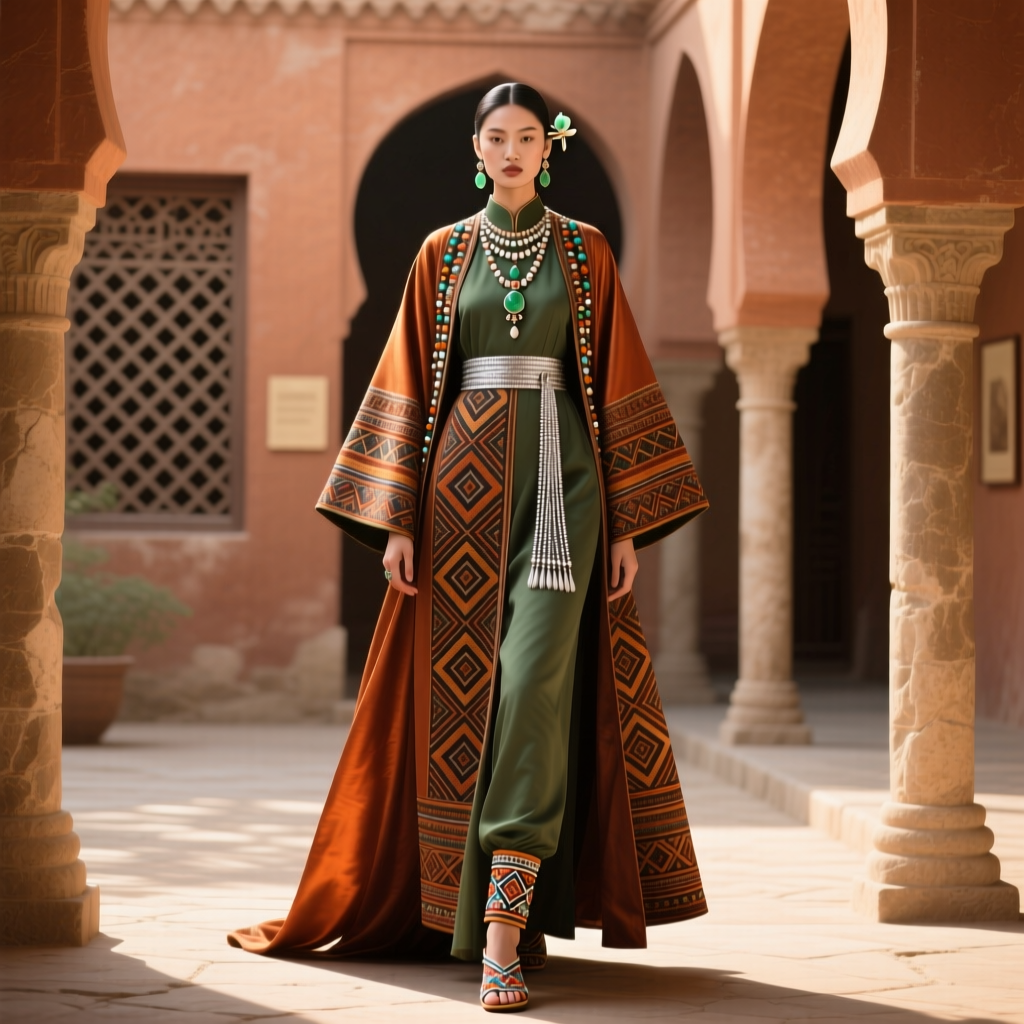
Indian Mens Traditional Dress: Style Guide

India's sartorial heritage spans thousands of years, weaving together an extraordinary tapestry of garments that reflect the subcontinent's diverse cultures, climates, and communities. For men, traditional Indian dress is far more than mere clothing — it is a living expression of identity, regional pride, and timeless elegance. From the flowing dhotis of South India to the regal sherwanis of the North, each garment carries stories of craftsmanship, symbolism, and social significance that continue to resonate in wardrobes today.
Whether you are attending a wedding, celebrating a festival, or simply exploring your cultural roots, understanding traditional Indian menswear opens a world of styling possibilities. This comprehensive guide walks you through the essential garments, how to wear them with confidence, and how to adapt them for contemporary settings — all while honoring the rich heritage behind every stitch and fold.
Essential Traditional Garments for Indian Men
The foundation of Indian men's traditional dress rests on several iconic garments, each with distinct characteristics, regional associations, and appropriate occasions. Understanding these pieces is the first step toward building a versatile ethnic wardrobe.
Kurta Pajama
The kurta pajama is arguably the most universally worn traditional outfit across India. The kurta is a loose, collarless shirt that typically falls to the knees or slightly below, while the pajama (not to be confused with Western sleepwear) refers to lightweight drawstring trousers. This combination is celebrated for its comfort, breathability, and adaptability. Kurtas are crafted from cotton for everyday wear, silk for festive occasions, and linen for a refined casual look. The silhouette is forgiving and flattering on virtually every body type, making it an excellent entry point for men new to Indian traditional wear.
Dhoti and Veshti
The dhoti is one of the oldest garments in Indian history — an unstitched rectangular piece of cloth, typically white or cream, wrapped around the waist and legs. Known as veshti in Tamil Nadu and pancha in Andhra Pradesh, this garment is deeply associated with religious ceremonies, classical arts, and formal South Indian occasions. Draping a dhoti requires practice, but the result is an elegant, dignified silhouette that commands respect. Modern pre-stitched dhotis with elastic waistbands have made this garment more accessible to younger generations.
Sherwani
The sherwani is the pinnacle of Indian men's formal traditional wear. A long, coat-like garment that buttons to the neck and extends below the knees, the sherwani evolved from Mughal court dress and remains the gold standard for grooms and wedding guests. Richly embroidered sherwanis in silk, brocade, or velvet are paired with churidar trousers or slim-fit pajamas. The garment's structured shoulders and tailored fit create a commanding, regal presence that is unmatched in Indian menswear.
Bandhgala (Jodhpuri Suit)
The bandhgala, also called the Jodhpuri suit, blends Indian tailoring with a Western-style jacket silhouette. Featuring a closed neck collar (bandh means "closed" in Hindi), this jacket is typically worn over a kurta and paired with tailored trousers or churidars. The bandhgala occupies a unique space between traditional and semi-formal Western wear, making it an excellent choice for cocktail events, receptions, and upscale gatherings where a full sherwani might feel too grand.
Nehru Jacket and Modi Jacket
The Nehru jacket is a sleeveless, hip-length vest with a mandarin collar, named after India's first Prime Minister Jawaharlal Nehru. It serves as a versatile layering piece that instantly elevates a simple kurta pajama into a more polished ensemble. The contemporary Modi jacket is a similar concept, often featuring bolder patterns, textured fabrics, and modern color palettes. Both jackets are indispensable tools for adding depth and sophistication to traditional outfits without committing to a full layered look.
For a deeper understanding of how these garments are constructed, explore our guide to Indian textiles and learn about the fabrics that define each piece.
Styling Tips and Accessories for Traditional Indian Menswear
Wearing traditional Indian clothing with confidence goes beyond simply putting on the right garment. The details — from footwear to headwear to jewelry — transform a basic outfit into a thoughtfully curated look.
Footwear: Mojaris, Juttis, and Kolhapuris
Traditional Indian footwear is an essential component of any ethnic outfit. Mojaris and juttis are handcrafted leather slip-on shoes with pointed toes, often featuring embroidery or beadwork. Originating from Rajasthan and Punjab, they pair beautifully with kurta pajamas and sherwanis alike. Kolhapuri chappals, from Maharashtra, are sturdier leather sandals with distinctive T-straps and are ideal for more rustic or casual traditional looks. Avoid wearing Western dress shoes with traditional outfits unless you are intentionally creating a fusion look.
Headwear: Pagdi, Safa, and Topi
In many Indian cultures, headwear signifies honor, status, and regional identity. The pagdi (turban) is a symbol of pride in North Indian and Rajasthani culture, with specific colors and tying styles denoting community and occasion. A safa is a shorter, more decorative turban often worn at weddings. For less formal occasions, an embroidered topi (cap) adds a subtle cultural accent. If you are unfamiliar with turban-tying, consider pre-tied options or consult a specialist — a poorly draped turban can detract from an otherwise polished look.
Shawls, Stoles, and Dupattas
Layering with a shawl or stole adds texture, color, and warmth to traditional outfits. Pashmina shawls from Kashmir, silk stoles with zari borders, and handwoven cotton dupattas can be draped over one shoulder for an effortlessly elegant effect. For grooms, a heavily embroidered shawl draped across the shoulders creates a majestic layered look that photographs beautifully.
Jewelry and Accents
Men's traditional Indian jewelry includes kada (thick metal bangles), chain pendants with religious or familial motifs, and brooches (kalgi) pinned to turbans or sherwani lapels. A well-chosen pocket square in a complementary hue, a classic watch, or a simple string of rudraksha beads can serve as the finishing touch. The key is restraint — select one or two statement pieces rather than overloading the outfit.
Discover more about accessorizing ethnic wear in our ethnic accessories guide for detailed pairing recommendations.
Occasion-Based Guide: What to Wear and When
One of the most common mistakes men make with traditional Indian dress is wearing the wrong garment for the occasion. Each event carries its own dress code expectations, and understanding these nuances ensures you always look appropriately dressed.
Weddings and Sangeet Ceremonies
Indian weddings are multi-day affairs with distinct dress codes for each function. For the main wedding ceremony, a sherwani or an elaborately embroidered kurta with a Nehru jacket is expected, especially if you are part of the groom's family. Sangeet and mehendi functions allow for more playful styling — think bright colors, printed kurtas, and Indo-Western fusion silhouettes. Reception dinners call for sophisticated bandhgalas or tailored sherwanis in deeper, richer tones like midnight blue, burgundy, or emerald green.
Festivals: Diwali, Eid, and Navratri
Festivals are a celebration of color and community. For Diwali, a silk kurta in jewel tones paired with a churidar and mojaris strikes the right balance between festive and comfortable. Eid celebrations call for pristine white or pastel kurtas, often with subtle embroidery and a well-groomed appearance. Navratri and Durga Puja celebrations, especially in Gujarat and Bengal, invite vibrant colors, mirror-work kurtas, and traditional dhotis for garba and cultural events.
Religious Ceremonies and Temple Visits
When attending poojas, temple ceremonies, or religious functions, modesty and tradition take precedence. A simple white or cream dhoti with a plain cotton kurta is universally appropriate. Avoid flashy colors, heavy embroidery, or Western-influenced silhouettes in sacred spaces. Many temples in South India actually require men to remove shirts and wear only a dhoti or veshti — check specific temple dress codes before visiting.
Formal Events and Corporate Gatherings
For formal dinners, cultural galas, or corporate events with an ethnic dress code, the bandhgala is your best ally. It projects authority and cultural awareness without appearing overly theatrical. Pair a well-tailored bandhgala in navy, charcoal, or black with slim trousers and polished mojaris for a look that bridges Eastern and Western formalwear seamlessly.
Learn more about dressing for specific celebrations in our festival dress code guide.
Modern Adaptations: Indo-Western Fusion and Contemporary Styling
Traditional Indian menswear is not frozen in time. Today's designers and style-conscious men are reimagining classic garments in ways that feel fresh, relevant, and wearable in global contexts.
The Indo-Western Silhouette
The Indo-Western category blends Indian design elements — mandarin collars, embroidery, asymmetric hems — with Western tailoring. Think a structured blazer with zari detailing, a kurta with a shirt collar, or dhoti pants paired with a cropped jacket. These hybrid pieces are perfect for men who want to honor tradition while maintaining a modern aesthetic, and they work exceptionally well at cocktail parties, art exhibitions, and creative industry events.
Asymmetric and Draped Kurtas
Contemporary designers are experimenting with asymmetric hemlines, layered draping, and unconventional cuts in kurta design. A high-low hem kurta, a side-button closure, or a cape-style overlay adds architectural interest to a traditionally simple garment. These pieces photograph beautifully and are increasingly popular among younger men attending weddings and festive events.
Minimalist and Monochrome Styling
A growing trend in Indian menswear is monochrome dressing — pairing a kurta, pajama, and jacket all in the same color family. An all-ivory ensemble, a tonal black look, or a head-to-toe dusty rose outfit creates a sophisticated, editorial effect. This approach works best with high-quality fabrics and precise tailoring, as the simplicity of the palette places all attention on cut and texture.
Sustainable and Handloom Revival
There is a powerful movement toward sustainable traditional dress, with men increasingly choosing handloom cottons, khadi, and naturally dyed fabrics. Supporting artisan weavers not only preserves endangered craft traditions but also results in garments with superior breathability, unique textures, and a story worth telling. Brands and cooperatives across India are making handloom kurtas and dhotis more accessible than ever.
Explore the intersection of heritage and modernity in our handloom heritage feature.
Buying Guide: How to Choose Quality Traditional Indian Menswear
Investing in traditional Indian garments requires knowledge of fabric, construction, and fit. Here is what to look for when building or expanding your ethnic wardrobe.
Fabric Selection
Cotton: Ideal for daily wear, summer events, and religious ceremonies. Look for handloom cotton, chanderi, or kota fabric for superior breathability and texture. Avoid overly stiff or synthetic-blend cottons that trap heat.
Silk: The fabric of choice for weddings, festivals, and formal occasions. Pure silk (look for the Silk Mark certification in India) drapes beautifully and carries a natural sheen. Varieties include Banarasi silk, Tussar silk, and raw silk, each with distinct textures and price points.
Linen: A modern favorite for semi-formal and casual traditional wear. Linen kurtas offer a relaxed, lived-in elegance that works well for daytime events and warm climates.
Brocade and Velvet: Reserved for sherwanis and winter wedding wear. These heavy, ornate fabrics create luxurious structure but require careful storage and professional cleaning.
Fit and Tailoring
Traditional does not mean shapeless. A well-fitted kurta should skim the body without clinging, with shoulder seams sitting correctly and sleeve lengths ending at the wrist. Pajamas and churidars should be comfortable at the waist with a clean taper. If buying off-the-rack, budget for alterations — a tailored traditional outfit looks exponentially better than one that is even slightly ill-fitting. For sherwanis and bandhgalas, professional tailoring is non-negotiable.
Where to Buy
Established brands like Manyavar, FabIndia, and Sabyasachi offer reliable quality across various price tiers. Local markets such as Chandni Chowk in Delhi, Commercial Street in Bangalore, and T. Nagar in Chennai offer incredible variety and bargaining opportunities. Online platforms provide convenience and access to designers across India, but always check return policies, fabric descriptions, and customer reviews before purchasing. For bespoke pieces, seek out reputable tailors who specialize in ethnic menswear — the investment is almost always worthwhile.
Price Expectations
A basic cotton kurta pajama set can range from budget-friendly to moderate, depending on fabric quality and brand. Silk kurtas and embroidered sets occupy a mid-range price bracket. Sherwanis, especially those with hand embroidery and premium fabrics, represent a significant investment. Set your budget based on the occasion's importance and the garment's expected frequency of wear.
For detailed fabric knowledge, visit our comprehensive Indian menswear fabric guide.
Frequently Asked Questions
What is the most common traditional dress for men in India?
The kurta pajama is the most commonly worn traditional outfit for men across India. Its versatility, comfort, and suitability for nearly every occasion — from casual daily wear to festive celebrations — make it the default choice for millions of Indian men. Regional variations exist, such as the pathani suit in the North and the jubba with mundu in Kerala, but the kurta pajama remains the most universally recognized and worn garment nationwide.
Can non-Indian men wear traditional Indian clothing?
Absolutely. Traditional Indian clothing is widely appreciated and welcomed when worn respectfully by people of all backgrounds. If you are attending an Indian wedding, cultural event, or festival, wearing a kurta pajama or bandhgala is generally seen as a gesture of appreciation and respect for the culture. The key is to wear the garment correctly — ensure proper fit, appropriate styling, and avoid treating the clothing as a costume. When in doubt, ask an Indian friend or colleague for guidance on what is suitable for the specific occasion.
What is the difference between a sherwani and a bandhgala?
A sherwani is a long, coat-like garment that extends below the knees, typically worn over a kurta and churidar. It is heavily structured, often embroidered, and reserved for the most formal occasions such as weddings. A bandhgala is a shorter, hip-length jacket with a closed neck collar, worn over a kurta and paired with trousers or churidars. The bandhgala is less ornate and more versatile, suitable for formal dinners, receptions, and semi-formal events. Think of the sherwani as the Indian equivalent of a morning coat, and the bandhgala as the equivalent of a tuxedo jacket.
How do I drape a dhoti correctly?
Draping a dhoti involves wrapping a long rectangular cloth (typically 4.5 to 5 meters) around the waist, passing it between the legs, and tucking it securely at the back. The exact technique varies by region — the South Indian style features neat pleats at the front, while the Bengali style involves a distinctive knot at the waist. For beginners, pre-stitched dhotis or dhoti pants with elastic waists offer the traditional look without the complexity. If you want to learn the authentic draping method, video tutorials and practice sessions are essential — expect several attempts before achieving a secure, elegant drape.
What colors are appropriate for traditional Indian menswear at different occasions?
Color choices in traditional Indian menswear carry cultural significance. White and cream are associated with religious ceremonies, peace, and in some regions, mourning — they are always safe for temple visits and poojas. Red, gold, and maroon are celebratory and auspicious, ideal for weddings and festivals. Pastels like blush pink, mint green, and powder blue have become popular for daytime events and summer weddings. Dark tones like navy, charcoal, and black are suited for evening receptions and formal gatherings. Avoid wearing all-black to religious ceremonies or auspicious events, as it is considered inauspicious in many Indian traditions.
How should I care for and store traditional Indian garments?
Proper care extends the life of your traditional garments significantly. Silk and brocade pieces should be dry cleaned only and stored wrapped in muslin cloth to prevent moisture damage — never use plastic covers, as they trap humidity. Cotton kurtas and dhotis can typically be hand washed or machine washed on gentle cycles with mild detergent. Always iron traditional garments on the appropriate heat setting, using a pressing cloth for embroidered or delicate fabrics. Store sherwanis and bandhgalas on padded hangers to maintain their structure, and refold silk garments periodically to prevent permanent crease lines.
Traditional Indian dress for men is a rich, evolving wardrobe system that rewards those who take the time to understand its nuances. Whether you are reaching for a simple cotton kurta on a warm afternoon or stepping into a hand-embroidered sherwani on your wedding day, these garments connect you to centuries of craftsmanship, culture, and community. Start with the basics, invest in quality, wear each piece with intention, and let India's extraordinary textile heritage become a living part of your personal style.
Continue your journey through global menswear traditions by exploring our cultural heritage collection and our complete garment guides library.