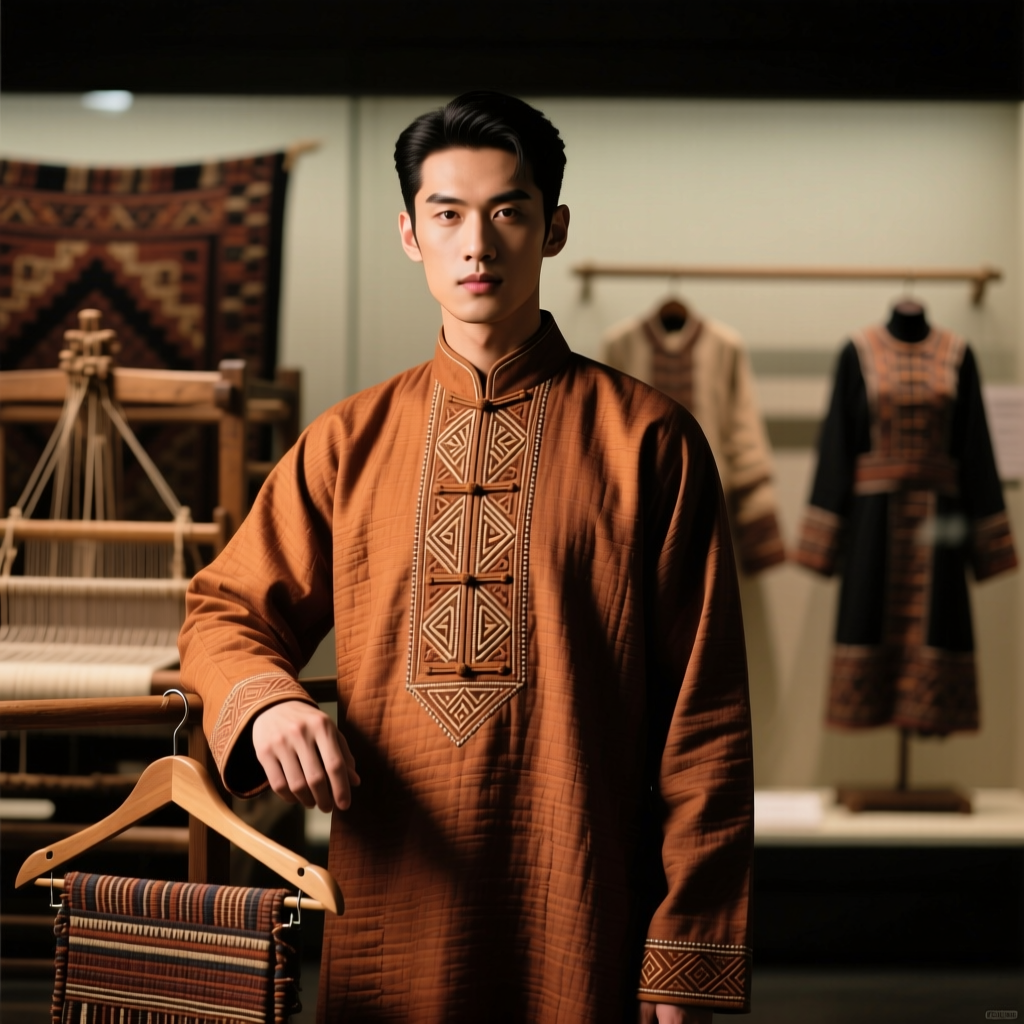
Wabi-Sabi in Fashion: Beauty of Imperfection
Noah Tanaka·Published

Understanding Wabi-Sabi
Wabi-sabi is a Japanese aesthetic centered on acceptance of transience and imperfection. In fashion, it values natural fabrics, asymmetric cuts, and visible craft.
Japanese Designers
Rei Kawakubo featured deliberate holes and raw edges. Yohji Yamamoto celebrated draped, unstructured forms. Issey Miyake's pleating improved with wear.
Material Choices
Linen that softens and wrinkles. Indigo that fades to unique blues. Leather that develops patina. Raw silk with visible slubs.
Visible Mending
The tradition of boro, patching with scrap fabric and sashiko stitching, celebrates garment history rather than disguising age.
Sustainable Practice
Wabi-sabi aligns with sustainability. Valuing worn garments and finding beauty in the mended directly counters fast fashion's constant newness.