Traditional Wear Accessories: The Complete Styling Guide
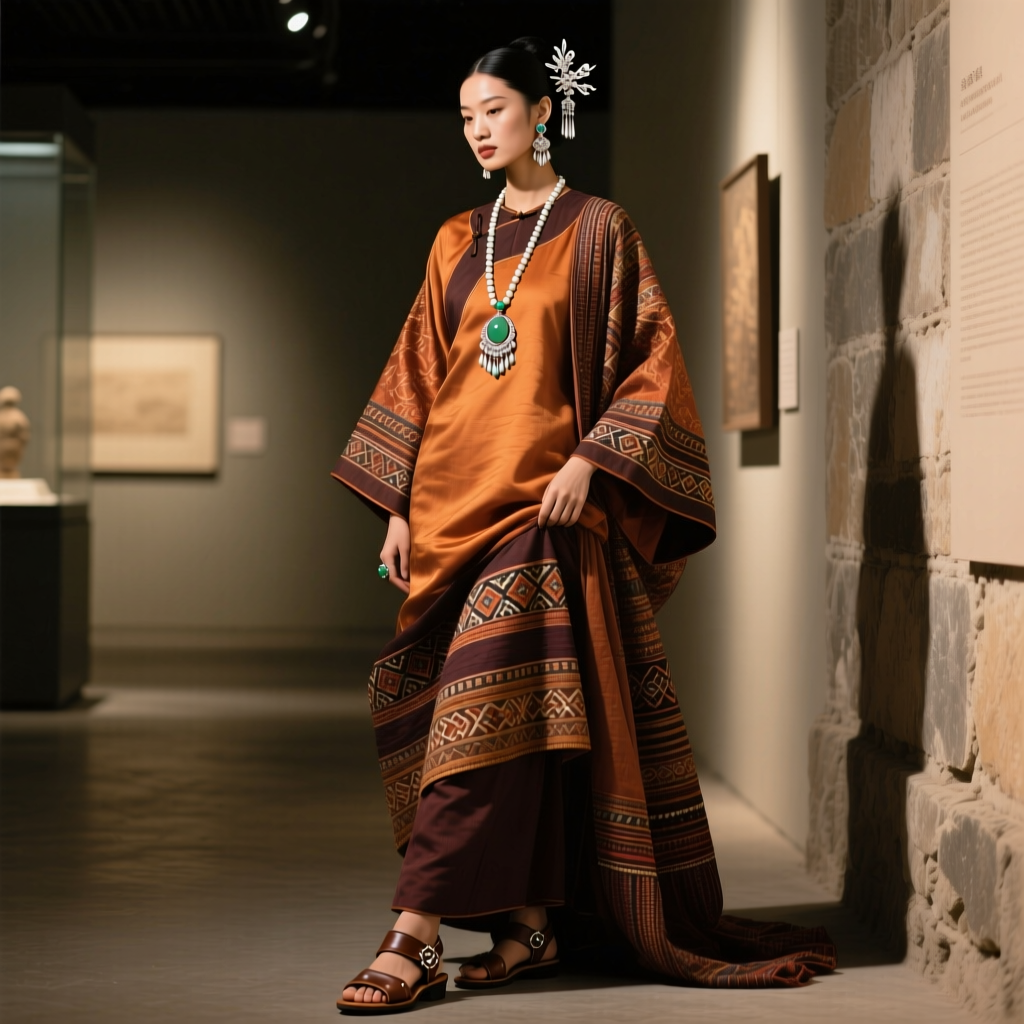
Traditional wear tells a story — of heritage, craftsmanship, and identity passed down through generations. But the garments themselves are only half the narrative. It is the accessories that complete the sentence, transforming a beautiful outfit into a breathtaking ensemble that speaks volumes about culture, occasion, and personal style.
Whether you are preparing for a wedding, a religious ceremony, a cultural festival, or simply wish to honor your roots through everyday dressing, understanding how to select and style traditional wear accessories is an art form worth mastering. From intricately hammered silver jewelry to hand-embroidered footwear, from silk sashes to ornate headpieces, every accessory carries meaning and intention.
This guide explores the essential categories of traditional wear accessories across cultures, offers practical styling advice for various occasions, and shows you how to thoughtfully integrate these timeless pieces into a modern wardrobe. Whether you are a first-time buyer or a seasoned collector, you will find actionable insights to elevate your traditional styling game.
Essential Categories of Traditional Wear Accessories
Before diving into styling strategies, it helps to understand the core categories of accessories that complement traditional garments. Each category serves both aesthetic and functional purposes, and many carry deep cultural symbolism that goes far beyond mere decoration.
Jewelry & Ornamental Metalwork
Jewelry is arguably the most recognizable category of traditional wear accessories. Across cultures — from the elaborate gold temple jewelry of South India to the turquoise and silver pieces of Native American artisans, from the filigree work of Portuguese tradition to the beadwork of Maasai communities — jewelry serves as a marker of status, spirituality, and identity.
When selecting traditional jewelry, consider the neckline and silhouette of your garment. High-necked outfits pair beautifully with statement earrings and maang tikkas (forehead jewelry), while open necklines invite layered necklaces and chokers. The metal tone should complement both the garment color and your skin undertone. Gold warms up deep reds, oranges, and earthy tones, while silver and white gold create striking contrast against jewel-toned fabrics like emerald, sapphire, and royal blue.
For a comprehensive understanding of how jewelry interacts with different garment structures, explore our guide to traditional garment construction, which breaks down necklines, drapes, and silhouettes across cultures.
Footwear: From Embroidered Mojaris to Wooden Geta
Traditional footwear is often overlooked in favor of modern shoes, yet it can dramatically elevate — or undermine — the cohesion of your ensemble. Embroidered mojaris and juttis from South Asia, beaded moccasins, Japanese geta and zori, Turkish babouches, and Mexican huaraches each represent centuries of artisanal tradition.
The key to styling traditional footwear lies in color coordination and proportion. If your outfit is heavily embellished, opt for simpler footwear in a complementary solid color. Conversely, a relatively plain garment can be anchored by richly decorated shoes. Pay attention to the formality level as well: metallic-threaded juttis belong at celebrations, while leather kolhapuris are perfectly suited for casual daytime events.
Headpieces, Veils & Hair Accessories
Headpieces carry profound cultural significance in many traditions. The dupatta draped over the head in South Asian ceremonies, the mantilla in Spanish and Latin American traditions, the gele of Yoruba culture, and the elaborate fascinators of British formalwear each communicate respect, status, and celebration.
Hair accessories such as jeweled pins, fresh flowers (gajra in South Asian traditions), ornamental combs, and fabric-wrapped hair ties add a finishing touch that ties the entire look together. When choosing a headpiece or hair accessory, consider the volume and style of your hair, the formality of the occasion, and whether the piece will remain secure throughout the event.
Belts, Sashes & Waist Accessories
Waist accessories serve both decorative and structural purposes. A kamarbandh (waist belt) can cinch a flowing silhouette, adding definition and elegance. Obi belts in Japanese tradition are central to the entire kimono ensemble, with their own complex art of tying and presentation. In West African traditions, beaded waist beads carry spiritual and aesthetic significance.
When styling a sash or belt, ensure it complements rather than competes with the garment. A heavily embroidered outfit benefits from a slim, understated belt, while a minimalist garment can carry a wide, ornate sash. The placement of the belt also matters: natural waist placement creates a classic silhouette, while hip-level placement offers a more relaxed, bohemian feel.
Bags, Clutches & Carrying Accessories
Traditional bags and clutches — from embroidered potlis and beaded minaudières to woven basket bags and silk pouches — are the practical finishing touch that many overlook. A well-chosen traditional bag not only carries your essentials but also reinforces the cultural narrative of your outfit.
Match the formality of the bag to the occasion. Potlis with drawstring closures and mirror work are ideal for festive celebrations, while structured silk clutches suit formal events. For daytime cultural gatherings, a handwoven tote or embroidered crossbody can add artisanal charm without overwhelming the look.
Styling Traditional Accessories for Every Occasion
The same accessory can read as understated or over-the-top depending entirely on context. Understanding occasion-based styling is the difference between looking effortlessly elegant and feeling uncomfortably overdressed.
Weddings & Grand Celebrations
Weddings are the stage where traditional accessories truly shine. This is the occasion to layer with confidence: stack bangles, layer necklaces of varying lengths, add an anklet, and finish with a statement headpiece. The key principle is balanced distribution — if your neck and ears are heavily adorned, keep your wrists relatively simple, and vice versa.
For bridal styling, every accessory should be chosen with the garment first. Select your outfit, then identify two to three focal points where accessories will draw the eye. A heavily embroidered lehenga or wedding kimono may need only statement earrings and a maang tikka, while a simpler silk sari invites a fuller jewelry set. Consult our wedding garments across cultures page for deeper context on bridal traditions worldwide.
Religious Ceremonies & Spiritual Observances
Religious occasions often call for modesty and restraint in accessorizing. Choose pieces that carry spiritual significance — a rudraksha mala, a cross pendant, a hamsa bracelet, or prayer beads — and let them serve as the focal point. Avoid excessively flashy or noisy accessories that may distract from the solemnity of the occasion.
Fabrics and colors also play a role here. White, saffron, and other spiritually significant colors in your accessories can deepen the connection between your appearance and the ceremony's purpose.
Festivals & Cultural Gatherings
Festivals invite playfulness and color. This is the perfect setting to experiment with mixing accessories from different regions or traditions, especially if you are honoring a multicultural heritage. Stack colorful bangles, add a vibrant dupatta or scarf, choose embroidered footwear, and carry a festive potli bag.
Consider the practical demands of the event as well. If you will be dancing, avoid long dangling earrings that may catch on clothing. If you will be outdoors, choose accessories that will not be damaged by heat, moisture, or dust.
Everyday & Casual Traditional Styling
Incorporating traditional accessories into daily wear is one of the most rewarding ways to keep cultural heritage alive. A single pair of jhumka earrings with a simple kurta and jeans creates an effortlessly stylish fusion look. A hand-embroidered belt can transform a plain dress. A traditional scarf draped over a modern blouse bridges the gap between heritage and contemporary fashion.
The rule for everyday styling is simplicity: choose one or two statement traditional accessories and let them stand out against a modern or minimalist base. This approach not only looks polished but also ensures your accessories receive the attention they deserve.
Modern Adaptations: Blending Tradition with Contemporary Style
One of the most exciting developments in fashion today is the creative fusion of traditional accessories with modern wardrobes. Designers and style enthusiasts around the world are finding innovative ways to honor heritage while embracing contemporary aesthetics.
Mixing Metals and Materials
The old rule of wearing only one metal tone at a time has given way to a more adventurous approach. Pairing gold kundan earrings with a silver chain necklace, or combining oxidized silver bangles with rose gold rings, creates a layered, curated look that feels both rooted and modern. The key is intentionality — mixed metals should look deliberate, not accidental. Anchor the mix by repeating each metal at least twice across your accessories.
Traditional Accessories with Western Silhouettes
A statement traditional necklace over a little black dress. Embroidered mojaris with tailored trousers. A silk dupatta worn as a scarf over a blazer. These combinations create a powerful visual tension that celebrates both worlds. When styling traditional accessories with Western garments, let the accessory be the hero piece and keep the garment relatively understated.
Explore our fusion fashion guide for more ideas on blending cultural elements with contemporary dressing.
Minimalist Traditional Styling
The minimalist approach strips traditional accessorizing down to its most essential elements. Instead of a full jewelry set, wear a single sculptural cuff. Instead of an elaborate headpiece, choose a single fresh flower in your hair. This approach works beautifully for those who prefer clean lines and understated elegance, and it allows each piece to be appreciated for its craftsmanship.
Sustainable & Vintage Traditional Accessories
There is a growing movement toward sourcing vintage and antique traditional accessories, which not only reduces environmental impact but also adds genuine historical depth to your collection. Vintage jewelry markets, estate sales, and family heirlooms are treasure troves of unique pieces that carry stories no mass-produced accessory can replicate.
When buying vintage, inspect clasps, settings, and structural integrity carefully. Some pieces may need professional restoration, which is a worthwhile investment for items of genuine craftsmanship and cultural value.
Buying Guide: How to Choose Quality Traditional Accessories
Investing in traditional wear accessories is a decision that deserves careful consideration. Quality pieces can last generations, while poorly made imitations tarnish, break, and disappoint within months. Here is what to look for when building your collection.
Assessing Craftsmanship
Examine the detailing closely. Hand-crafted pieces will show slight irregularities that are a hallmark of human artistry — no two hand-set stones are perfectly identical, no two hand-embroidered motifs are mirror images. These variations are features, not flaws. Machine-made pieces, by contrast, will be perfectly uniform, which can look sterile up close.
For metalwork, check the weight and finish. Quality silver and gold pieces have a satisfying heft. The finish should be smooth, with no sharp edges or rough spots that could snag fabric or irritate skin. Clasps and closures should operate smoothly and feel secure.
Understanding Materials
Educate yourself about the materials used in traditional accessories. Know the difference between gold-plated and solid gold, between natural and synthetic stones, between handloom silk and machine-woven polyester imitations. Reputable sellers will provide material information transparently. If a price seems too good to be true for the claimed materials, it almost certainly is.
For textile accessories like embroidered bags and scarves, examine the fabric weight, the density of embroidery, and the finishing of seams and edges. Our textile guide on natural fibers provides a detailed breakdown of fabric types commonly used in traditional accessories.
Sizing and Proportion
Accessories should complement your frame and the scale of your outfit. Petite frames are beautifully served by delicate, finely detailed pieces, while bolder, larger-scale accessories suit taller or broader frames. Similarly, consider the scale of your garment's patterns and embellishments — accessories should harmonize, not compete.
Where to Buy
The best sources for authentic traditional accessories are artisan cooperatives, established specialty jewelers, cultural bazaars, and verified online marketplaces that work directly with craftspeople. When buying online, look for detailed photographs, material descriptions, return policies, and customer reviews. Supporting artisan-direct purchases ensures fair compensation for craftspeople and typically yields higher-quality pieces.
Caring for Your Collection
Proper care extends the life of traditional accessories significantly. Store jewelry in soft pouches or lined boxes to prevent scratching. Keep silver pieces in anti-tarnish bags. Textile accessories should be stored flat or gently rolled to avoid creasing. Clean metal pieces with appropriate polishing cloths, and avoid exposing any traditional accessory to harsh chemicals, perfumes, or prolonged moisture.
Frequently Asked Questions
How many traditional accessories should I wear at once?
There is no universal rule, as the answer depends on the occasion, the scale of your accessories, and your personal comfort level. For formal events like weddings, layering four to six pieces (earrings, necklace, bangles, ring, headpiece, and anklet, for example) is common and appropriate. For everyday wear, one to two statement pieces are sufficient. The guiding principle is balance: distribute visual weight across your body so that no single area looks overloaded while others appear bare.
Can I mix traditional accessories from different cultures in one outfit?
Yes, and many people with multicultural backgrounds do this naturally as a way of honoring all facets of their heritage. The key is to do so with respect and understanding, rather than treating cultural symbols as mere decoration. When mixing traditions, look for common threads — similar color palettes, complementary metal tones, or shared design motifs — to create visual harmony. Avoid combining sacred or ceremonial items from different traditions in ways that could be seen as disrespectful.
What is the best way to start building a traditional accessory collection?
Begin with versatile, foundational pieces that can be worn across multiple occasions. A quality pair of statement earrings in a neutral metal, a versatile embroidered scarf or dupatta, a classic pair of traditional flat shoes, and a well-crafted clutch or potli bag form an excellent starting foundation. From there, you can gradually add more specialized pieces — bridal sets, festival-specific items, and heirloom-quality investments — as your collection and knowledge grow. Visit our artisan craftsmanship page to learn more about the traditions behind these pieces.
How do I match traditional accessories to my skin tone?
Warm skin undertones (golden, olive, or peachy) are beautifully complemented by gold, copper, brass, and warm-toned gemstones like citrine, amber, coral, and ruby. Cool undertones (pink, blue, or rosy) pair naturally with silver, white gold, platinum, and cool gemstones like sapphire, emerald, amethyst, and pearl. Neutral undertones can wear both metal families with equal ease. When in doubt, hold a piece of gold fabric and a piece of silver fabric near your face in natural light — the one that makes your skin look brighter and more even is your best match.
Are traditional accessories appropriate for professional or workplace settings?
Absolutely, when chosen thoughtfully. Smaller-scale traditional pieces — stud earrings with a cultural motif, a slim bangle, a silk scarf tied at the neck, or elegant traditional flats — can add personality and heritage to professional attire without overwhelming it. The workplace context matters: creative industries tend to be more accepting of bold styling, while conservative corporate environments may call for more restrained choices. A single well-chosen traditional accessory can serve as a powerful conversation starter and a point of pride in any professional setting.