The Ultimate Guide to Traditional Dress to Wear on Diwali
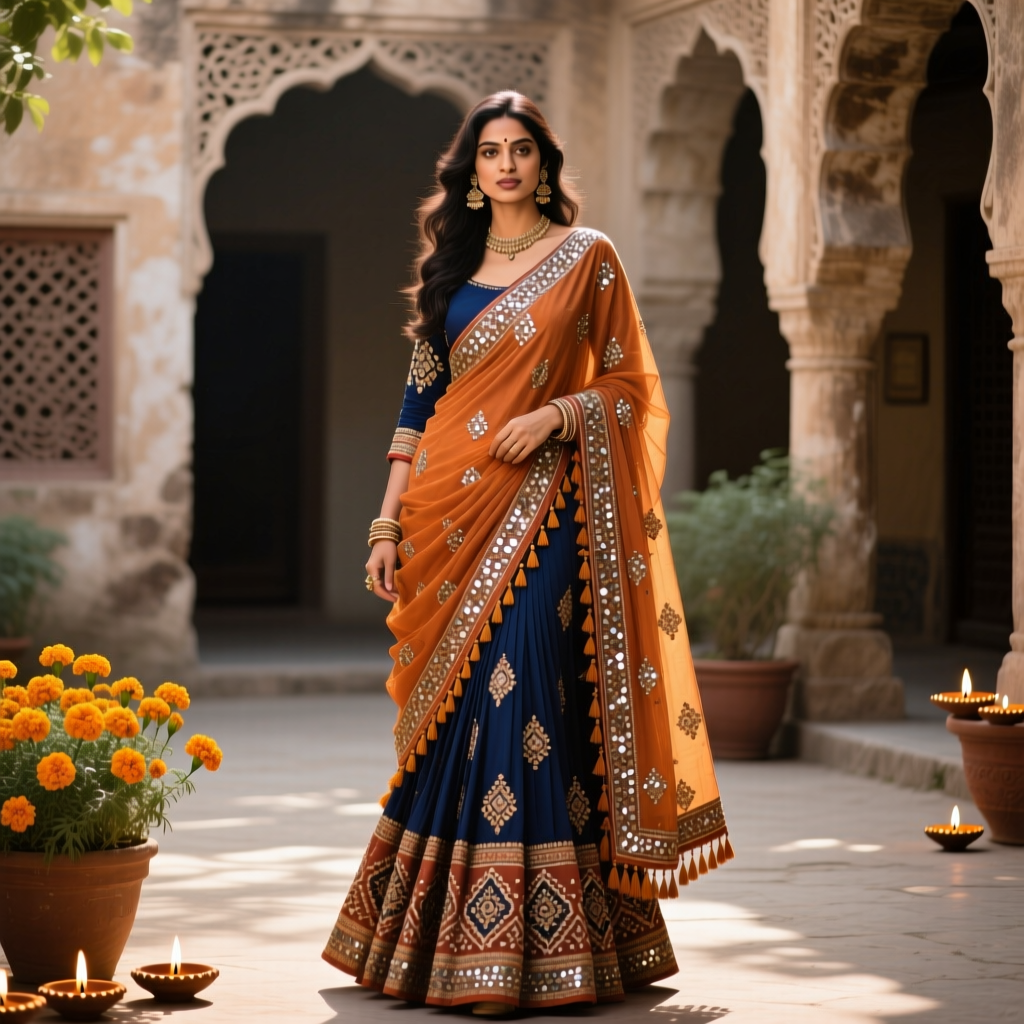
Diwali, the magnificent festival of lights, is a celebration that engages all the senses. The air is filled with the sweet aroma of marigolds and cardamom, homes are illuminated with the warm glow of earthen diyas, and families gather to share joy, prosperity, & gratitude. Amidst these beautiful traditions, one of the most cherished customs is adorning oneself in exquisite traditional attire. Wearing new clothes during Diwali symbolizes fresh beginnings, the shedding of the old, and the invitation of positive energy into your life. Whether you are preparing for an intimate Lakshmi Puja at home or attending a grand community gala, selecting the perfect traditional dress to wear on Diwali is an essential and exciting part of the festivities. This comprehensive style guide explores classic silhouettes, modern adaptations, essential accessories, and practical buying tips to help you curate a stunning festive wardrobe. For a deeper understanding of the rich history behind these garments, we encourage you to explore our cultural heritage archives and discover the stories woven into every thread.
Classic Silhouettes: Choosing the Right Traditional Garment
When deciding on the ideal traditional dress to wear on Diwali, the diversity of Indian textiles and silhouettes offers something for every personal style and body type. The saree remains the undisputed queen of festive wear. A lustrous Banarasi silk saree with intricate gold zari work exudes timeless elegance, while a vibrant Kanjeevaram silk saree offers a regal presence perfect for evening pujas. If you prefer a more structured yet equally traditional look, the lehenga choli is a magnificent choice. Characterized by a flared skirt, a fitted blouse, and a flowing dupatta, lehengas allow for freedom of movement and offer a canvas for stunning embroidery. For those who seek comfort without compromising on grandeur, the Anarkali suit is a fantastic option. Its floor-length, flowing kurta paired with a churidar or palazzo creates a majestic silhouette that flatters all figures. To master the art of wearing these classic garments, be sure to consult our comprehensive saree draping guide.
Men have equally splendid options, ranging from the classic kurta pajama to the highly ornate sherwani. Adding a richly textured Nehru jacket or a silk bandhgala can instantly elevate a simple kurta into a Diwali-ready ensemble. The Pathani suit is another excellent choice for those who prefer a more relaxed yet culturally rooted aesthetic. Explore our men's ethnic wear guide for more tailored inspiration and styling ideas that blend tradition with masculine elegance.
Styling Tips for the Festival of Lights
Styling your traditional dress to wear on Diwali goes beyond simply putting on a beautiful garment; it is about harmonizing colors, fabrics, and textures to reflect the festive spirit. Color plays a pivotal role in Diwali attire. Jewel tones such as emerald green, ruby red, & sapphire blue are highly favored for their richness and depth. These shades photograph beautifully under the warm light of diyas and fairy lights. Metallic accents, particularly gold, silver, and copper, are quintessential to Diwali styling, representing wealth and prosperity. When selecting fabrics, consider the time of day and the nature of the event. Pure silks, heavy brocades, & plush velvets are ideal for evening celebrations and main puja ceremonies, as they drape beautifully and carry a luxurious weight.
For daytime gatherings or casual family get-togethers, opt for breathable yet elegant fabrics like Chanderi, Chikankari cotton, or lightweight georgette. Layering is another excellent styling technique that adds dimension to your outfit. A beautifully embroidered cape over a simple silk kurta, or a contrasting dupatta draped in a modern Gujarati or Bengali style, can add depth and visual interest to your look. Remember to explore the roots of these stunning embellishments in our guide to Zari and traditional embroidery to truly appreciate the craftsmanship that goes into your festive wear.
Accessorizing Your Diwali Ensemble
No traditional dress to wear on Diwali is complete without the right accessories. Jewelry is paramount in elevating your festive look. For heavy silk sarees and lehengas, heritage jewelry styles such as Kundan, Polki, & Jadau are unparalleled in their beauty. These uncut diamond and gold settings reflect light magnificently and add a royal touch to your ensemble. If your outfit is heavily embroidered, balance it with a statement maang tikka, a pair of oversized chandbali earrings, and a stack of delicate glass or gold bangles. Conversely, if your garment features minimal embellishment, you can opt for a heavier necklace set to create a striking focal point.
Footwear is equally important, especially since Diwali involves a lot of standing, visiting relatives, and participating in rituals. Embroidered juttis and mojaris crafted from soft leather or silk are both traditional and comfortable, ensuring your feet look as festive as your outfit while providing the support you need. To carry your essentials, swap out your everyday handbag for a beautifully crafted potli bag. These drawstring pouches, often adorned with mirrors, pearls, or zardozi work, are the perfect functional accessory that complements ethnic wear seamlessly and keeps your hands free for holding puja thalis and greeting loved ones.
Modern Adaptations: Fusion Wear for Contemporary Celebrations
While classic silhouettes hold a special place in our hearts, modern adaptations of traditional dress to wear on Diwali have gained immense popularity among contemporary fashion enthusiasts. Indo-western fusion wear bridges the gap between heritage and modernity, offering comfort, style, & a unique sartorial voice. Pre-draped sarees and saree gowns are revolutionary for those who love the elegance of the six yards but struggle with the draping process. These garments offer the illusion of a traditional saree with the ease of a zipper and a pre-pleated skirt, making them perfect for long hours of celebration.
Cape lehengas and jacket-style suits are another brilliant modern adaptation, providing a chic, layered look that is perfect for cooler autumn evenings. For women who prefer pants, dhoti pants paired with a heavily embroidered crop top or a long, flowing Anarkali jacket create a striking, fashion-forward silhouette. Men can also embrace fusion wear by pairing a structured bandhgala with tailored trousers instead of the traditional churidar, or by wearing a silk kurta with a modern, minimalist Nehru jacket. If you are interested in blending the old with the new, our Indo-western fusion style guide offers brilliant ideas for mixing separates and creating custom looks that stand out in any crowd.
Diwali Occasions: Dressing for Every Event
Diwali is not just a single day but a multi-day festival, and your wardrobe should reflect the specific vibe of each occasion. Dhanteras, the first day, is dedicated to wealth and prosperity. It is an excellent day to wear subtle, elegant outfits with gold accents or yellow hues, symbolizing the purchase of precious metals and inviting good fortune. Choti Diwali, or Naraka Chaturdashi, is generally a more relaxed day focused on home preparation and smaller family gatherings. Comfortable yet festive cotton silks, light shararas, or simple kurta sets are ideal for this day, allowing you to move freely while decorating your home.
The main day of Diwali, dedicated to Lakshmi Puja, demands your most grand and auspicious traditional dress. This is the time to bring out your heaviest silks, richest embroidery, and most vibrant colors like deep red, magenta, and gold. The evening is often followed by fireworks and community parties, where your outfit needs to be both stunning and functional. Finally, Bhai Dooj celebrates the bond between siblings. The dress code for this day is usually joyous, playful, and comfortable, allowing you to travel to your sibling's home while looking festive. Pastel shades, floral prints, and lightweight fabrics work wonderfully for these daytime visits and family feasts.
The Diwali Buying Guide: How to Shop Smart
Investing in a high-quality traditional dress to wear on Diwali requires careful planning and a strategic approach to shopping. First, establish a clear budget. Festive wear can range from affordable, mass-produced garments to expensive, handwoven heirlooms. Allocate your budget wisely, prioritizing the main Diwali day outfit while keeping options for the surrounding days more economical. When shopping for silk, always look for authenticity marks, such as the Silk Mark, to ensure you are purchasing pure, natural fibers rather than synthetic blends. Pay close attention to the craftsmanship; inspect the embroidery, the finishing of the seams, and the quality of the inner lining.
Tailoring is the secret to making any traditional garment look expensive and custom-made. Even a moderately priced lehenga or kurta will look spectacular if it is tailored perfectly to your measurements. Do not leave alterations to the last minute, as festive seasons see a massive rush at local tailor shops. Finally, consider the longevity and care of your garment. Investing in sustainable, handloom textiles not only supports artisan communities but also provides you with a durable piece that can be passed down through generations. For advice on maintaining your festive wardrobe, read our detailed silk garment care guide to ensure your clothes remain pristine, vibrant, and ready for every future celebration.
Frequently Asked Questions
What colors are considered auspicious for Diwali?
During Diwali, colors that symbolize prosperity, joy, and positive energy are highly favored. Deep reds, vibrant magentas, rich golds, and sunny yellows are considered exceptionally auspicious, especially for the main Lakshmi Puja. Emerald green and royal blue are also popular choices that photograph beautifully and reflect the festive spirit. These warm and jewel-toned shades align perfectly with the glowing ambiance of diyas and candles that illuminate homes during the festival.
Can I wear black or white to a Diwali celebration?
Traditionally, solid black and stark white are avoided during auspicious Hindu rituals and pujas, as they are sometimes associated with mourning or inauspicious events. However, in modern, contemporary settings and evening parties, these colors have been widely embraced. If you choose to wear black or white, it is highly recommended to style them with heavy, vibrant embroidery, gold zari work, or colorful accessories to infuse the outfit with festive energy and align it with the joyous spirit of the occasion.
How do I choose the right fabric for a daytime Diwali puja?
For daytime pujas, comfort and breathability are just as important as aesthetics. Since you will be sitting on the floor, performing rituals, and moving around the house, opt for lightweight and breathable fabrics. Chanderi silk, cotton-silk blends, Chikankari cotton, and lightweight georgette are excellent choices. These fabrics drape beautifully, keep you cool during afternoon ceremonies, and offer a refined, elegant look without the heavy weight of pure brocades or thick velvets.
What is the best traditional dress for men on Diwali?
The best traditional dress for men depends on the specific event and personal comfort. For the main puja and evening gatherings, a rich silk kurta paired with a contrasting Nehru jacket or a structured bandhgala offers a regal and polished appearance. For more relaxed daytime events or visiting relatives, a high-quality cotton or linen kurta pajama is both comfortable and culturally appropriate. Completing the look with traditional mojari footwear and a classic watch ensures a well-rounded and stylish festive ensemble.
How can I reuse my Diwali outfit for other occasions?
One of the best ways to maximize your festive wardrobe is by mixing and matching separates. A heavy lehenga skirt can be paired with a simple silk shirt or a contemporary crop top for a wedding reception or a sangeet ceremony. The dupatta from a salwar kameez can be draped as a pallu over a plain saree to give it a completely new look. By changing the jewelry, swapping the blouse, or altering the draping style, you can easily repurpose your traditional dress to wear on Diwali for various other celebrations throughout the year.