Traditional Dress of the Philippines: A Complete Styling Guide
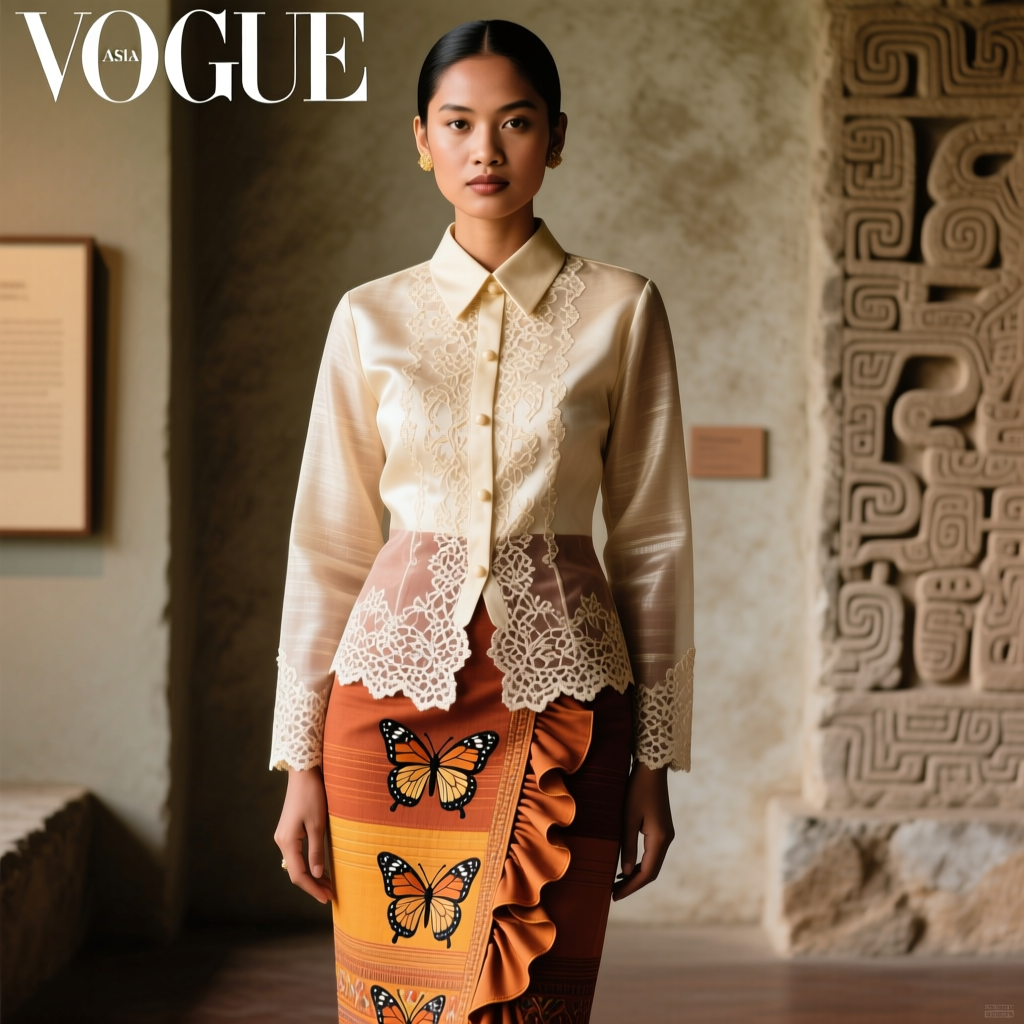
Traditional Dress of the Philippines: A Complete Styling Guide
Few wardrobes in the world carry as much history, artistry, and cultural pride as the traditional dress of the Philippines. From the gossamer-light barong tagalog woven from pineapple fibers to the sculptural butterfly sleeves of the terno, Filipino garments are a masterclass in textile innovation and elegant restraint. They tell stories of pre-colonial heritage, Spanish influence, indigenous craftsmanship, and a modern fashion renaissance that continues to captivate designers worldwide.
Whether you are attending a Filipino wedding, exploring cultural festivals, or simply looking to incorporate heritage pieces into your contemporary wardrobe, understanding these garments opens a door to one of Southeast Asia’s richest sartorial traditions. This guide walks you through the most iconic pieces of traditional Filipino dress, how to style them for modern occasions, where to source authentic garments, and how to honor the culture behind every stitch.
For a deeper look at how Filipino garments fit into the broader tapestry of world clothing, explore our Southeast Asian garment guides and cultural heritage collection.
The Iconic Garments: Barong Tagalog, Terno, and Beyond
To style traditional Filipino dress with confidence, you first need to understand the key garments that define the canon. Each piece carries distinct characteristics, regional roots, and styling possibilities.
The Barong Tagalog
The barong tagalog is arguably the most recognized Filipino garment on the global stage. This embroidered, semi-transparent shirt is traditionally made from piña (pineapple leaf fiber) or jusi (a silk-like fabric derived from banana or abaca fibers). It is worn untucked over an undershirt called the camisa de chino, paired with dark trousers and leather shoes.
What makes the barong tagalog remarkable is its construction. The fabric is so finely woven that it appears almost sheer, and the intricate hand-embroidery along the chest panel — known as the pechera — can take weeks or even months to complete. The garment’s origins trace back to the Spanish colonial era, when colonizers required native Filipinos to wear untucked shirts as a marker of social class. Over time, Filipinos transformed this imposed garment into a symbol of national pride and sophistication.
Today, the barong tagalog serves as formal wear for men at weddings, state functions, and significant celebrations. Modern variations include linen barongs for casual settings and colored versions for fashion-forward events.
The Terno and Its Butterfly Sleeves
The terno is the national dress of Filipina women and one of the most architecturally stunning garments in all of global fashion. Its defining feature is the butterfly sleeve — stiff, sculptural sleeves that rise from the shoulders like wings, created through meticulous pleating and structural support.
The terno evolved from the baro’t saya (blouse and skirt ensemble) worn by Filipino women during the Spanish colonial period. The original ensemble consisted of a translucent camisa (blouse) with wide sleeves, a panuelo (fichu or kerchief) draped over the shoulders, and a voluminous saya (skirt). Over the decades, these components merged into the unified, streamlined terno we recognize today, with the butterfly sleeves becoming its most celebrated element.
The terno is typically made from piña, jusi, or modern fabrics like organza and silk. Embroidery, beading, and lacework often adorn the bodice and sleeves, making each piece a wearable work of art. It is the go-to garment for Filipinas attending state dinners, formal galas, and high-profile cultural events.
The Baro’t Saya and Regional Variations
Before the terno became the unified national dress, the baro’t saya was the everyday and formal attire for Filipino women across the archipelago. The blouse (baro) and skirt (saya) combination varied significantly by region. In the Visayas, women wore the patadyong — a tube skirt with bold geometric patterns — while in the Cordillera region of northern Luzon, indigenous women wove intricate wraparound skirts called lufid or kain, featuring patterns that signified tribal identity and social status.
For men, pre-colonial attire included the kanga (a collarless jacket) and bahag (a loincloth), with colors and tattoos indicating rank and achievements. These indigenous garments remain visible today during cultural festivals and heritage celebrations.
Explore more about traditional blouses and their global significance to see how the baro connects to blouse traditions worldwide.
The Maria Clara Dress
Named after the iconic character in José Rizal’s novel Noli Me Tangere, the Maria Clara dress represents the epitome of Filipina grace and modesty. It is essentially an elaborated version of the baro’t saya, featuring a paneled skirt, the characteristic panuelo draped over the shoulders, and a more structured blouse. The Maria Clara dress is frequently seen in folkloric performances, cultural pageants, and heritage-themed weddings.
Styling Traditional Filipino Dress for Modern Occasions
One of the most exciting aspects of traditional Filipino dress is its adaptability. With thoughtful styling, these heritage garments can transition seamlessly from formal galas to semi-casual gatherings without losing their cultural integrity.
Formal Events and Weddings
For black-tie events and weddings, a full barong tagalog in piña or jusi is the gold standard for men. Pair it with well-tailored black or navy trousers, polished leather oxfords, and minimal accessories. The barong should fit comfortably — not too tight — allowing the semi-transparent fabric to drape elegantly over the camisa de chino beneath.
For women, a full-length terno in a rich color like deep burgundy, emerald, or ivory commands attention. Style it with understated gold or pearl jewelry, a structured clutch, and closed-toe heels. The butterfly sleeves are already a dramatic statement, so keep accessories refined rather than overwhelming. A simple updo or sleek hairstyle ensures the neckline and sleeves remain the focal point.
Semi-Formal and Cocktail Settings
Modern designers have created shorter, cocktail-length ternos and simplified barongs that work beautifully for semi-formal occasions. A knee-length terno in a lighter fabric like organza can be paired with strappy sandals and delicate drop earrings. For men, a linen or cotton barong in a muted color — worn with chinos instead of formal trousers — strikes the right balance between heritage and contemporary ease.
Cultural Festivals and Heritage Events
Festivals like Sinulog, Ati-Atihan, and Pahiyas celebrate Filipino culture with vibrant color and pageantry. These events are ideal occasions to wear regional garments — think brightly colored patadyong skirts, woven Cordillera textiles, or festive barongs with colorful embroidery. Accessories like shell jewelry, woven bags, and handcrafted sandals complement the celebratory atmosphere.
Everyday and Casual Adaptations
You do not need a gala invitation to incorporate Filipino design into your wardrobe. Modern Filipino fashion brands produce barong-inspired button-downs in cotton and linen that pair effortlessly with jeans or casual trousers. For women, blouses with subtle butterfly-sleeve details or skirts featuring traditional weaving patterns can be styled with simple basics for a look that honors heritage without feeling costumey.
Discover more about incorporating heritage garments into everyday style in our styling guides.
Accessories and Complementary Pieces
The right accessories elevate traditional Filipino dress from beautiful to breathtaking. Filipino accessory traditions draw from the archipelago’s rich natural resources — pearls, shells, gold, and woven fibers — creating pieces that are deeply connected to the land and sea.
Jewelry
South Sea pearls are the Philippines’ national gem and the quintessential accessory for formal Filipino attire. A strand of golden or white South Sea pearls pairs magnificently with a terno, adding luminosity without competing with the garment’s embroidery. For the barong tagalog, men traditionally keep jewelry minimal — a simple gold chain worn beneath the shirt or elegant cufflinks are sufficient.
Filipino goldsmithing has ancient roots, with pre-colonial communities creating intricate gold ornaments that signified status and spiritual protection. Today, modern Filipino jewelers continue this tradition, creating contemporary pieces inspired by tribal motifs. Shell and coral jewelry, particularly from the coastal provinces, offers a more casual alternative that connects beautifully to the islands’ maritime heritage.
Footwear
Traditional Filipino footwear includes the bakya (wooden clogs) and embroidered slippers, which were everyday wear in earlier centuries. For formal occasions, leather dress shoes for men and elegant heels for women are standard. However, designers have begun creating modern footwear that incorporates traditional weaving and embroidery techniques — these make exceptional conversation pieces at cultural events.
Bags and Wraps
Woven bags made from abaca, rattan, or buri palm are quintessentially Filipino and work beautifully with both formal and casual traditional attire. For formal events, a structured clutch in a complementary fabric — perhaps one that echoes the embroidery of your terno or barong — is ideal. A lightweight panuelo or shawl woven from piña can serve as both a style element and a practical layering piece in air-conditioned venues.
Hair and Headpieces
Historically, Filipina women adorned their hair with fresh flowers — particularly sampaguita (jasmine), the national flower — or decorative combs called peineta. For modern formal styling, a simple hairpin with a pearl or floral motif nods to this tradition without feeling anachronistic. Fresh sampaguita garlands remain popular at weddings and can be draped around the neck or woven into an updo.
Learn more about traditional accessories from around the world and how they complement heritage garments.
Modern Adaptations: How Contemporary Designers Are Reimagining Filipino Dress
The traditional dress of the Philippines is not frozen in time. A vibrant community of Filipino designers is reimagining heritage garments for contemporary audiences, ensuring these traditions remain relevant and wearable in the modern world.
The Terno Revival
In recent years, there has been a significant resurgence of interest in the terno, driven by designers who are experimenting with new silhouettes, fabrics, and construction techniques. Shorter ternos, terno jumpsuits, and terno-inspired separates have appeared on runways and at red-carpet events, making the garment accessible to younger generations who might not attend the formal galas where full-length ternos are traditionally worn.
Some designers have deconstructed the terno, separating the iconic butterfly sleeves from the bodice and applying them to jackets, blouses, and even outerwear. This approach allows wearers to incorporate the most recognizable element of Filipino formal dress into outfits that feel fresh and personal.
Sustainable and Artisanal Fashion
The global movement toward sustainable fashion has brought renewed attention to Filipino textile traditions. Piña weaving, abaca production, and indigenous loom weaving are inherently sustainable practices — they use natural fibers, require minimal chemical processing, and support rural artisan communities. Designers who prioritize these materials are not only creating beautiful garments but also preserving endangered craft traditions.
Filipino weaving communities in provinces like Aklan (known for piña), Ilocos (known for inabel cotton weaving), and the Cordilleras (known for their vibrant backstrap-loom textiles) are partnering with fashion brands to bring their work to international markets. When you purchase garments made from these textiles, you are directly supporting artisan livelihoods and helping sustain centuries-old techniques.
Gender-Neutral and Inclusive Styling
Contemporary Filipino fashion is increasingly embracing gender-neutral styling. The barong tagalog, with its fluid silhouette and delicate embroidery, lends itself naturally to gender-fluid interpretation. Designers have presented barongs on models of all genders, paired with everything from tailored trousers to flowing skirts, challenging traditional notions of who can wear what.
Similarly, the terno’s dramatic silhouette has been adapted for all body types and gender expressions. Structured terno jackets, for example, offer the architectural beauty of butterfly sleeves in a format that anyone can wear with confidence.
Explore our modern heritage fashion guide for more on how traditional garments are evolving in contemporary wardrobes.
Buying Guide: Where to Find Authentic Filipino Garments
Investing in traditional Filipino dress is a rewarding experience, but knowing where to source authentic, well-made pieces is essential. Here is what you need to know before making a purchase.
Fabric Matters
The fabric is the soul of any traditional Filipino garment. Genuine piña — woven from the fibers of red Spanish pineapple leaves — is the most prestigious and expensive option. It is lightweight, slightly stiff, and has a natural sheen that distinguishes it from imitations. Jusi is a more affordable alternative, offering a similar drape and sheen at a lower price point. Be cautious of synthetic fabrics marketed as piña; authentic handwoven piña has subtle irregularities that reveal its handmade origin.
For barongs, examine the embroidery closely. Hand-embroidered pieces feature slight variations in stitch length and tension, while machine-embroidered versions appear uniform. Both can be beautiful, but hand-embroidered barongs command higher prices and represent a greater investment in artisan craftsmanship.
Where to Buy
In the Philippines: The best sources are established tailors and ateliers in Manila, particularly in districts like Quiapo and Divisoria, where skilled artisans have been crafting barongs and ternos for generations. For regional textiles, visit weaving villages directly — communities in Aklan, Ilocos Sur, and the Cordilleras welcome visitors and sell directly to consumers. The Kultura Filipino store (with branches nationwide) offers a curated selection of garments and textiles from verified artisans.
Online: Several Filipino fashion houses and artisan cooperatives sell internationally through their websites. Look for sellers who provide detailed information about materials, construction methods, and the artisan communities behind their products. Custom barong makers often accept remote orders, where you provide measurements and select fabric and embroidery styles through consultations.
Vintage and Secondhand: Vintage barongs and ternos can be found in antique shops, estate sales, and online marketplaces. These pieces often feature exceptional handwork that is no longer available at accessible price points. When buying vintage, check for fabric deterioration — piña and jusi are delicate and can weaken with age, particularly along fold lines and seams.
Custom vs. Ready-to-Wear
For formal occasions, a custom-made barong or terno is ideal. Filipino tailors are skilled at creating garments that fit beautifully, and the process of selecting your fabric, embroidery pattern, and design details is deeply satisfying. Allow several weeks to months for custom orders, especially for hand-embroidered pieces.
Ready-to-wear options are increasingly available from Filipino fashion brands and are excellent for semi-formal occasions or everyday heritage-inspired styling. These pieces are typically more affordable and can be shipped internationally with shorter lead times.
Price Expectations
A machine-embroidered barong in jusi fabric typically starts at a modest price point, making it accessible for first-time buyers. Hand-embroidered piña barongs represent a significant investment, with prices reflecting the weeks of labor involved. Custom ternos, particularly full-length versions with elaborate embroidery and structural butterfly sleeves, are the most expensive category, reflecting both the complexity of construction and the cost of premium materials.
For a comprehensive overview of garment investment and care, visit our garment care and buying guides.
Frequently Asked Questions
What is the difference between piña and jusi fabric?
Piña is a luxury fabric handwoven from fibers extracted from the leaves of the red Spanish pineapple plant, primarily produced in Aklan province. It is prized for its fine texture, natural stiffness, and subtle sheen. Jusi, originally woven from abaca or banana fibers (though modern versions may use silk or synthetic blends), is softer, more pliable, and more affordable than piña. Both fabrics are used for barongs and ternos, but piña is considered the premium choice for the most formal occasions.
Can non-Filipinos wear traditional Filipino dress?
Yes, non-Filipinos can wear traditional Filipino dress, particularly when attending Filipino cultural events, weddings, or celebrations where such attire is encouraged. The key is to approach these garments with respect and understanding. Wearing a barong tagalog to a Filipino wedding, for example, is generally seen as a gesture of appreciation and participation in the culture. Avoid treating traditional garments as costumes or wearing them in ways that mock or trivialize their cultural significance. When in doubt, ask your Filipino hosts or friends for guidance on appropriate styling.
How do I care for a barong tagalog or terno?
Traditional Filipino garments made from piña or jusi require delicate care. Hand wash in cool water with a mild detergent, avoiding vigorous wringing or twisting. Lay flat to dry away from direct sunlight, which can weaken natural fibers. Iron on a low setting with a pressing cloth between the iron and the fabric to protect embroidery. For heavily embroidered or structured pieces like a terno with butterfly sleeves, professional dry cleaning is recommended. Store garments flat or on padded hangers to prevent creasing and stress on the delicate fabric.
What should I wear underneath a barong tagalog?
The traditional undershirt for a barong tagalog is the camisa de chino — a lightweight, collarless cotton shirt with a mandarin-style neckline. The camisa serves both a practical and aesthetic purpose: it provides opacity beneath the semi-transparent barong fabric and creates a clean, layered look. White is the most traditional color, though some modern stylists opt for black or tonal undershirts for a contemporary effect. Avoid wearing a regular collared dress shirt underneath, as the collar will disrupt the barong’s clean neckline.
Are there regional variations of traditional Filipino dress I should know about?
The Philippines is an archipelago of over 7,000 islands with more than 100 ethnolinguistic groups, and traditional dress varies enormously by region. In the Cordillera highlands of northern Luzon, indigenous groups like the Ifugao, Kalinga, and Bontoc wear handwoven textiles with patterns that indicate tribal identity and social standing. The Muslim communities of Mindanao and the Sulu archipelago have rich textile traditions featuring malong (tubular garments), intricate brasswork, and vibrant silk weavings called pis siyabit. The Visayan islands have their own traditions, including the colorful patadyong skirt and the kimona (a translucent blouse). Exploring these regional variations offers a far richer understanding of Filipino sartorial heritage than focusing solely on the barong and terno alone.
To continue your journey through global garment traditions, browse our full garment atlas guides and discover how clothing connects cultures across the world.