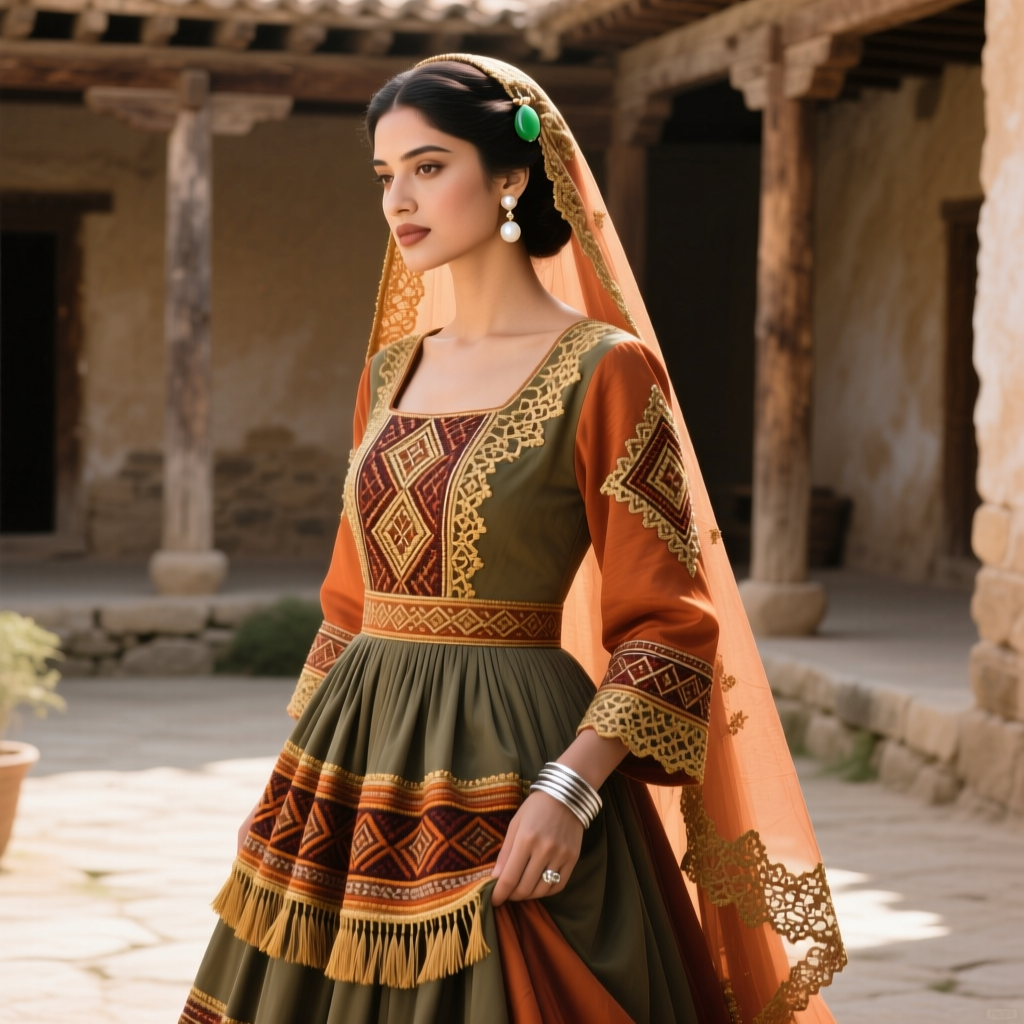
Traditional Dress Worldwide: Female Guide

Traditional Dress of Different Countries: A Complete Female Style Guide
There is something profoundly beautiful about wearing a garment that carries centuries of history, artistry, and cultural identity. Traditional dress for women across the globe represents far more than fabric and thread — each piece tells a story of heritage, craftsmanship, and the values of the people who created it. From the flowing elegance of a Japanese kimono to the vibrant embroidery of a Mexican huipil, women's traditional garments are among the most visually stunning and meaningful pieces in the world of fashion.
Whether you are exploring your own cultural roots, preparing for a themed event, or simply seeking to incorporate global fashion into your wardrobe, understanding traditional dress from different countries opens up a world of styling possibilities. This guide walks you through some of the most iconic women's traditional garments, how to style them, where to wear them, and how to find authentic pieces that honor their origins.
At The Garment Atlas, we believe that every traditional garment deserves to be understood, respected, and celebrated. Let us take you on a sartorial journey across continents.
Iconic Traditional Dresses From Around the World
Before diving into styling, it is essential to understand the garments themselves. Women's traditional dress varies enormously from region to region, shaped by climate, religion, social structure, and available materials. Here are some of the most recognized and celebrated traditional garments worn by women worldwide.
The Kimono (Japan)
The kimono is perhaps one of the most recognizable traditional garments in the world. This T-shaped, straight-lined robe features wide sleeves and is wrapped around the body with the left side over the right, secured by a wide sash called an obi. Kimonos are made from silk, cotton, or synthetic fabrics and often feature elaborate patterns that reflect the season, the wearer's age, and the occasion. A furisode (long-sleeved kimono) is worn by unmarried women, while a tomesode (shorter sleeves) is reserved for married women.
The Sari (India)
The sari is a single, unstitched length of fabric — typically between five and nine yards long — draped elegantly around the body in numerous regional styles. Worn with a fitted blouse called a choli and a petticoat, the sari is one of the most versatile garments in existence. From the rich Banarasi silk saris of Varanasi to the crisp cotton saris of Bengal, this garment adapts to every climate, body type, and occasion. Explore more about South Asian garment traditions in our cultural heritage section on South Asian textiles.
The Hanbok (Korea)
The Korean hanbok consists of a jeogori (a short, fitted jacket) paired with a chima (a full, high-waisted skirt). Known for its graceful lines and vibrant colors, the hanbok traditionally uses organic curves and flowing silhouettes that create a sense of movement and elegance. Colors historically indicated social status, with bright hues worn by royalty and muted tones by commoners.
The Dirndl (Germany & Austria)
Originating in the Alpine regions of Central Europe, the dirndl is a feminine dress consisting of a bodice, blouse, full skirt, and apron. Once a working-class garment, the dirndl has evolved into a celebrated outfit worn at festivals like Oktoberfest and other cultural events. The way the apron bow is tied traditionally signals the wearer's relationship status — a detail that adds charm and intrigue to this beloved dress.
The Huipil (Mexico & Central America)
The huipil is a loose-fitting tunic made from two or three rectangular pieces of fabric, joined together with intricate stitching. Each huipil is often hand-embroidered with motifs that reflect the wearer's community, personal history, and cosmological beliefs. No two handcrafted huipiles are exactly alike, making each piece a wearable work of art.
The Cheongsam / Qipao (China)
The cheongsam, also known as the qipao, is a form-fitting dress with a high collar, side slits, and distinctive frog button closures. Originally a loose, modest garment, the modern cheongsam evolved in 1920s Shanghai into the sleek, figure-hugging silhouette recognized today. It is commonly made from silk or brocade and is a popular choice for formal events and celebrations.
The Kaftan (Middle East & North Africa)
The kaftan is a long, flowing robe with wide sleeves that has been worn across the Middle East, North Africa, and Central Asia for centuries. Women's kaftans are often made from luxurious fabrics like silk, satin, or velvet and are adorned with elaborate embroidery, beadwork, or metallic thread. The kaftan is both a symbol of elegance and a practical garment suited to warm climates.
The Ao Dai (Vietnam)
The ao dai is a long, fitted tunic worn over wide-legged trousers. With its high collar, long flowing panels, and graceful silhouette, the ao dai is considered one of the most flattering traditional garments in the world. It is worn for school, work, weddings, and national celebrations, making it one of the few traditional dresses that remains part of everyday life.
Styling Tips: How to Wear Traditional Dress in Modern Settings
One of the most exciting aspects of traditional dress is finding ways to incorporate these garments into contemporary life. Whether you are wearing a full traditional outfit or blending elements with modern fashion, these styling strategies will help you look polished and respectful.
Mix Traditional Pieces With Modern Basics
You do not always need to wear a full traditional ensemble. A beautifully embroidered huipil can be paired with tailored jeans and ankle boots for a striking casual look. A silk cheongsam top can be worn with a pencil skirt or wide-leg trousers for a sophisticated office outfit. The key is to let the traditional piece be the focal point while keeping everything else understated.
Play With Proportions
Many traditional garments feature voluminous silhouettes — think of the full skirt of a dirndl or the flowing drape of a sari. When styling these pieces for modern settings, balance volume with structure. Pair a full skirt with a fitted top, or belt a loose kaftan to create definition at the waist. Proportion is the secret to making any outfit look intentional.
Layer Thoughtfully
Layering is a powerful tool for integrating traditional garments into your wardrobe across seasons. A lightweight kimono-style jacket can be layered over a simple camisole and jeans. A hanbok-inspired blouse can be worn under a tailored blazer. These combinations honor the traditional design while making it practical for daily wear. For more ideas on layering techniques, check out our guide to layering with global fashion pieces.
Choose Footwear Wisely
Traditional garments often carry a sense of formality and elegance, so your footwear should complement that energy. Heeled sandals, pointed-toe flats, and minimalist ankle boots work well with most traditional dresses. For a more casual adaptation, clean white sneakers can create an unexpected and fashion-forward contrast with pieces like the cheongsam or a simplified kimono jacket.
Accessories That Complement Traditional Dress
The right accessories can elevate a traditional outfit from beautiful to breathtaking. However, the key is to choose pieces that enhance rather than compete with the garment.
Jewelry
Traditional garments often feature intricate patterns and rich colors, so jewelry should be chosen thoughtfully. With a heavily embroidered huipil or a beaded kaftan, opt for simple gold or silver jewelry — stud earrings, a delicate chain necklace, or a single statement ring. With simpler garments like a plain cotton sari or a solid-color ao dai, you can embrace bolder jewelry such as chandelier earrings, layered bangles, or a chunky cuff bracelet.
Consider the cultural context of the jewelry you choose. Indian bridal jewelry, for instance, carries deep symbolic meaning, and wearing it outside of context may not be appropriate. Research and respect go hand in hand when accessorizing traditional dress. Visit our traditional jewelry guide for more insight.
Hair Accessories
Many cultures have rich traditions of hair ornamentation that pair beautifully with traditional dress. Japanese kanzashi (decorative hairpins), Indian maang tikka (forehead jewelry), and Korean binyeo (ornamental hairpins) are all stunning accessories that complete a traditional look. For modern adaptations, a simple silk scarf tied in the hair can evoke the elegance of traditional styling without requiring specialized pieces.
Bags and Clutches
When carrying a bag with traditional dress, look for pieces that echo the garment's aesthetic. A beaded or embroidered clutch pairs beautifully with a cheongsam or kaftan. A woven basket bag complements a dirndl or huipil perfectly. Avoid overly modern or sporty bags that might clash with the traditional feel of the outfit.
Shawls and Wraps
A beautifully crafted shawl can serve as both a practical layer and a style statement. Pashmina shawls from Kashmir, silk stoles from Thailand, and woven wraps from Guatemala all add texture and warmth while staying true to the global fashion theme. Draping a shawl over the shoulders is also a common practice in many cultures, adding modesty and elegance to the overall look.
Occasions for Wearing Traditional Dress
Understanding when and where to wear traditional dress ensures that you do so respectfully and appropriately. Here are the most common occasions where traditional garments shine.
Cultural Festivals and Celebrations
Festivals are the most natural setting for traditional dress. Whether it is Diwali, Lunar New Year, Oktoberfest, or Día de los Muertos, wearing traditional attire to cultural celebrations shows respect and participation. These events are also an excellent opportunity to learn about the garments directly from the communities that created them.
Weddings and Formal Ceremonies
Many traditional garments are designed specifically for weddings and formal ceremonies. A red cheongsam is a classic choice for Chinese wedding banquets, while a Banarasi silk sari is a staple for Indian weddings. Korean brides often wear a specially designed hanbok called a wonsam. If you are attending a wedding from a culture different from your own, it is always wise to ask the hosts about appropriate attire.
Everyday Wear and Office Settings
Some traditional garments have been adapted for everyday wear. The ao dai is still worn as a school uniform and office attire in Vietnam. Simplified versions of the kurta and salwar kameez are everyday staples across South Asia. In many workplaces around the world, incorporating a traditional scarf, blouse, or jacket into your daily rotation is a beautiful way to express cultural identity.
Travel and Cultural Immersion
When traveling, wearing locally made traditional garments — purchased from local artisans — can be a meaningful way to connect with the culture you are visiting. Wearing a handwoven sarong in Bali or a locally made kaftan in Morocco supports local economies and creates lasting memories. Always be mindful of sacred or ceremonial garments that should not be worn casually by outsiders.
Modern Adaptations: How Traditional Dress Evolves
Traditional dress is not frozen in time — it evolves alongside the cultures that create it. Modern designers around the world are reimagining traditional garments in ways that make them accessible, wearable, and relevant to contemporary fashion.
Contemporary Silhouettes
Designers frequently update traditional garments with modern cuts and proportions. A cropped kimono jacket, a mini-length cheongsam, or a jumpsuit-style sari are all examples of how traditional silhouettes are being reimagined. These adaptations maintain the essence of the original garment while appealing to modern tastes and lifestyles.
Fusion Fashion
Fusion fashion blends elements from multiple cultural traditions or combines traditional and Western design elements. A dirndl-inspired bodice on a cocktail dress, hanbok-style sleeves on a modern blouse, or African wax print fabric used to create a Western-style blazer are all examples of fusion fashion at its best. The key to successful fusion is deep understanding — the best fusion designers study traditional garments thoroughly before reinterpreting them.
Sustainable and Ethical Fashion
Many traditional garments are inherently sustainable. They are often made from natural fibers, crafted by hand, and designed to last for generations. As the global fashion industry grapples with sustainability, traditional techniques like hand-weaving, natural dyeing, and zero-waste pattern cutting are gaining renewed appreciation. Choosing traditionally made garments from ethical artisans is a powerful way to support sustainable fashion. Learn more about sustainable traditional textiles in our garment guides.
Buying Guide: Where to Find Authentic Traditional Dress
Finding authentic traditional garments requires knowledge, patience, and a commitment to ethical sourcing. Here is what you need to know before making a purchase.
Buy From Artisans and Local Makers
The best way to acquire a traditional garment is directly from the artisans who make them. Whether you are shopping at a local market in Oaxaca for a huipil or ordering from a family-run atelier in Kyoto for a kimono, buying direct ensures authenticity and supports the communities that keep these traditions alive. Many artisan cooperatives now sell online, making it possible to purchase genuine handmade garments from anywhere in the world.
Look for Quality Indicators
Authentic traditional garments are typically characterized by high-quality materials, hand-finished details, and construction techniques that have been refined over generations. Look for hand embroidery rather than machine stitching, natural fibers like silk, cotton, linen, or wool, and finishes that demonstrate craftsmanship. Mass-produced imitations often use synthetic fabrics, printed patterns that mimic embroidery, and poor-quality hardware.
Understand Sizing and Fit
Traditional garments often follow different sizing conventions than Western fashion. A Japanese kimono, for instance, is typically one-size-fits-most, with fit adjusted through the way it is wrapped and tied. A sari is unstitched and therefore adaptable to any body size. However, garments like the cheongsam and ao dai require precise measurements for a proper fit. Always consult size guides carefully and, when possible, have garments tailored to your measurements.
Respect Cultural Significance
Before purchasing a traditional garment, take time to understand its cultural significance. Some garments are reserved for specific ceremonies, social statuses, or sacred contexts. Purchasing and wearing these items without understanding their meaning can be disrespectful. Do your research, ask questions, and approach each garment with curiosity and humility. Our guide to understanding cultural dress offers a deeper look at this important topic.
Set a Realistic Budget
Authentic, handmade traditional garments represent significant labor and skill, and their prices reflect that. A hand-woven silk sari can take weeks or even months to create. A hand-embroidered huipil may represent hundreds of hours of work. While budget-friendly options exist — particularly for simpler, everyday garments — be wary of prices that seem too low. Extremely cheap "traditional" garments are almost always mass-produced imitations that do not support the artisans behind the originals.
Frequently Asked Questions
Is it appropriate to wear traditional dress from a culture that is not my own?
In most cases, yes — when done respectfully. Wearing traditional dress as a way to honor and celebrate a culture is generally welcomed, especially at cultural events, festivals, or when visiting the country of origin. The key is to avoid treating sacred or ceremonial garments as costumes, to purchase from authentic sources, and to learn about the garment's significance before wearing it. Appreciation becomes appropriation when context, respect, and understanding are absent.
How do I care for traditional garments made from delicate fabrics?
Care instructions vary by garment and material, but most traditional pieces benefit from gentle handling. Silk kimonos and cheongsams should typically be dry-cleaned. Cotton huipiles and saris can often be hand-washed in cold water with mild detergent. Always avoid harsh chemicals, direct sunlight for drying, and high-heat ironing. Store traditional garments folded with acid-free tissue paper or hung on padded hangers to maintain their shape and prevent damage.
Can traditional dress be worn to a professional workplace?
Absolutely. Many traditional garments are perfectly suited for professional settings. A well-tailored cheongsam, a neatly draped sari, or a simplified kaftan in a neutral fabric can look polished and authoritative in any office. The key is to choose garments in appropriate fabrics and colors for your workplace environment and to ensure that the fit is clean and structured. Many women around the world wear traditional dress to work every day.
What is the difference between a traditional garment and a costume?
A traditional garment is a living piece of clothing that carries cultural meaning, is worn by real people in real life, and reflects ongoing traditions. A costume, by contrast, is a simplified or exaggerated representation often worn for performance, play, or novelty. The distinction matters because reducing a culture's traditional dress to a costume strips it of its meaning and dignity. Always approach traditional garments as what they are — meaningful, functional, and beautiful clothing.
Where can I learn more about the history and techniques behind traditional dress?
The best ways to learn include visiting textile museums, reading books by cultural historians, attending workshops led by traditional artisans, and exploring dedicated online resources. The Garment Atlas garment guides offer in-depth articles on traditional textiles, construction techniques, and cultural context from around the world. Connecting directly with cultural communities and artisans is also an invaluable way to deepen your understanding.
Traditional dress is one of the most powerful expressions of cultural identity in the world of fashion. By approaching these garments with knowledge, respect, and genuine appreciation, you not only enrich your own wardrobe but also help preserve the incredible artistry and heritage they represent. Whether you are draping a sari for the first time, slipping into a vintage cheongsam, or styling a modern kimono jacket, you are participating in a global conversation about beauty, identity, and the enduring power of clothing to tell our stories.