Mastering the Traditional Dress Men Photo Pose: A Styling & Photography Guide
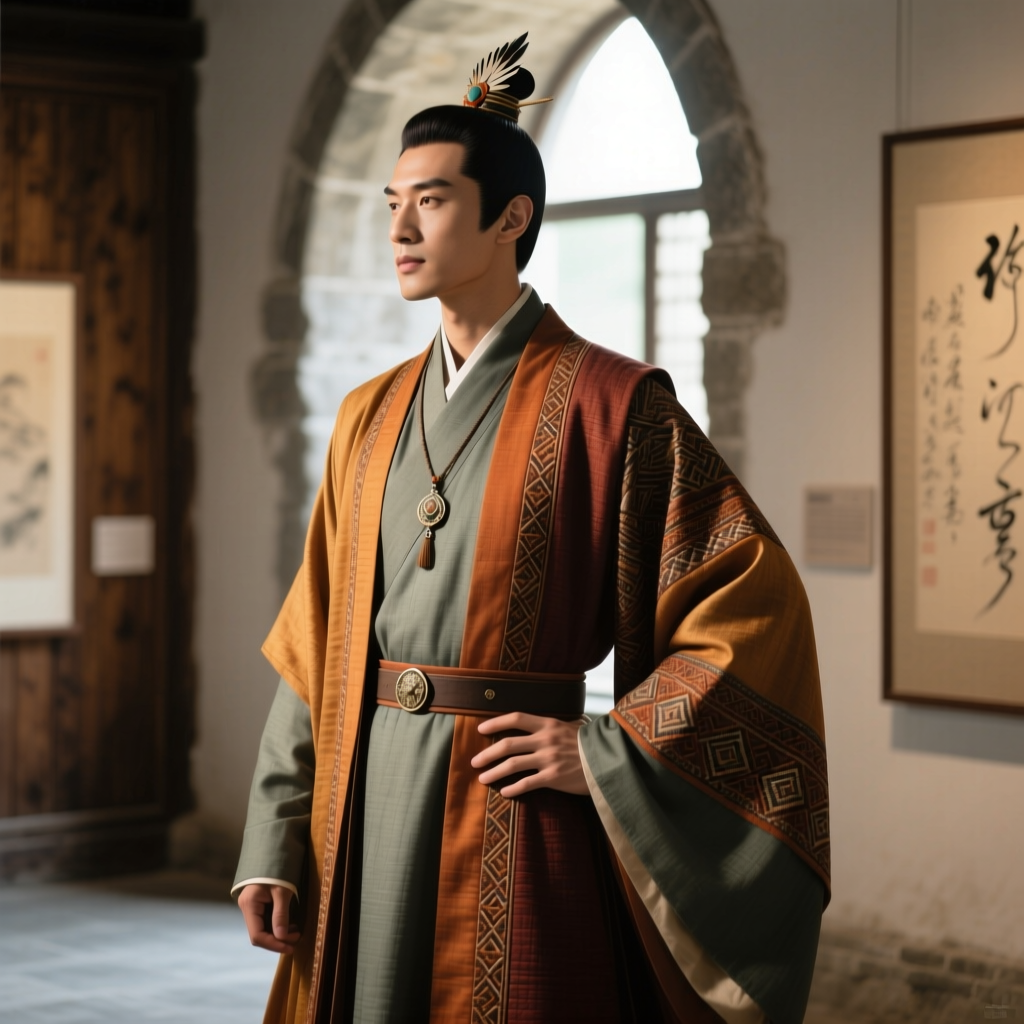
Traditional menswear is far more than a simple assembly of fabrics; it is a visual language that speaks of lineage, cultural pride, and artisanal mastery. When you step in front of the camera adorned in cultural attire, the goal is to capture the dignity, flow, and structural integrity of the garment. However, many men find themselves feeling stiff or uncertain when trying to translate the weight of heritage into a two-dimensional image. Mastering the traditional dress men photo pose is an art form that requires an understanding of your garment's unique silhouette, the cultural context it represents, and the subtle mechanics of body language.
Whether you are preparing for a wedding, a cultural festival, or an editorial fashion shoot, the way you carry yourself can either elevate the garment or diminish its impact. At The Garment Atlas, we believe that honoring cultural heritage through photography requires intentionality. From the regal stance required for structured coats to the relaxed fluidity needed for draped textiles, this comprehensive guide will walk you through the essential styling tips, accessory integrations, and posing techniques needed to capture breathtaking portraits in traditional menswear.
Mastering the Posture: Poses That Honor the Silhouette
Every traditional garment has a unique center of gravity and drape. A heavily embroidered coat demands a different physical presence than a flowing, draped tunic. Understanding how to manipulate your posture to highlight the tailoring and fabric is the first step in mastering the traditional dress men photo pose.
The Regal Stance
For structured garments like the South Asian sherwani or a formal military-inspired cultural tunic, posture is paramount. The regal stance involves shifting your weight slightly onto your back leg while extending the front leg just a few inches forward. This creates a subtle, dynamic angle that prevents the body from looking like a rigid block. Pull your shoulders back and down, elongating the neck and allowing the collar and lapels to sit flush against the chest. Keep your chin parallel to the ground to project confidence and honor the formality of the attire.
The Seated Sovereign
Sitting in traditional menswear can be tricky, as voluminous fabrics can bunch up awkwardly. When posing seated, opt for a throne-like chair or a low wooden stool, depending on the garment's origin. If you are wearing a draped lower garment or wide-legged trousers, sit with one ankle resting on the opposite knee, or sit cross-legged if the cultural context permits. Use your hands to gently arrange the fabric over your knees, ensuring the embroidery or weave is visible to the lens. This pose exudes a quiet, grounded authority.
The Walking Heritage
Movement brings textiles to life. For garments with significant flare, pleats, or heavy draping—such as a Scottish kilt or a flowing Middle Eastern bisht—the walking pose is essential. Take slow, deliberate steps toward or across the camera's field of view. Allow the fabric to catch the air and swing naturally. Look slightly off-camera, as if you are mid-conversation or observing your surroundings. This technique is particularly effective when showcasing the swing and weight of Scottish Highland dress, capturing the kinetic energy of the tartan.
Accessorizing for the Lens: Props & Details
One of the most common challenges in portrait photography is knowing what to do with your hands. In traditional menswear, accessories and cultural artifacts provide the perfect solution, giving your hands a purpose while enriching the visual storytelling of the image.
Headwear & Crown Pieces
Turbans, fezzes, berets, and woven caps are integral to many traditional ensembles. When posing with headwear, avoid grabbing it with a full fist, which can look aggressive or clumsy. Instead, use a relaxed hand to gently touch the brim, adjust the tail of a turban, or lightly rest your fingertips near the edge. This draws the viewer's eye to the face and the intricate wrapping or embroidery of the headpiece without obscuring it.
Sashes, Belts, & Cummerbunds
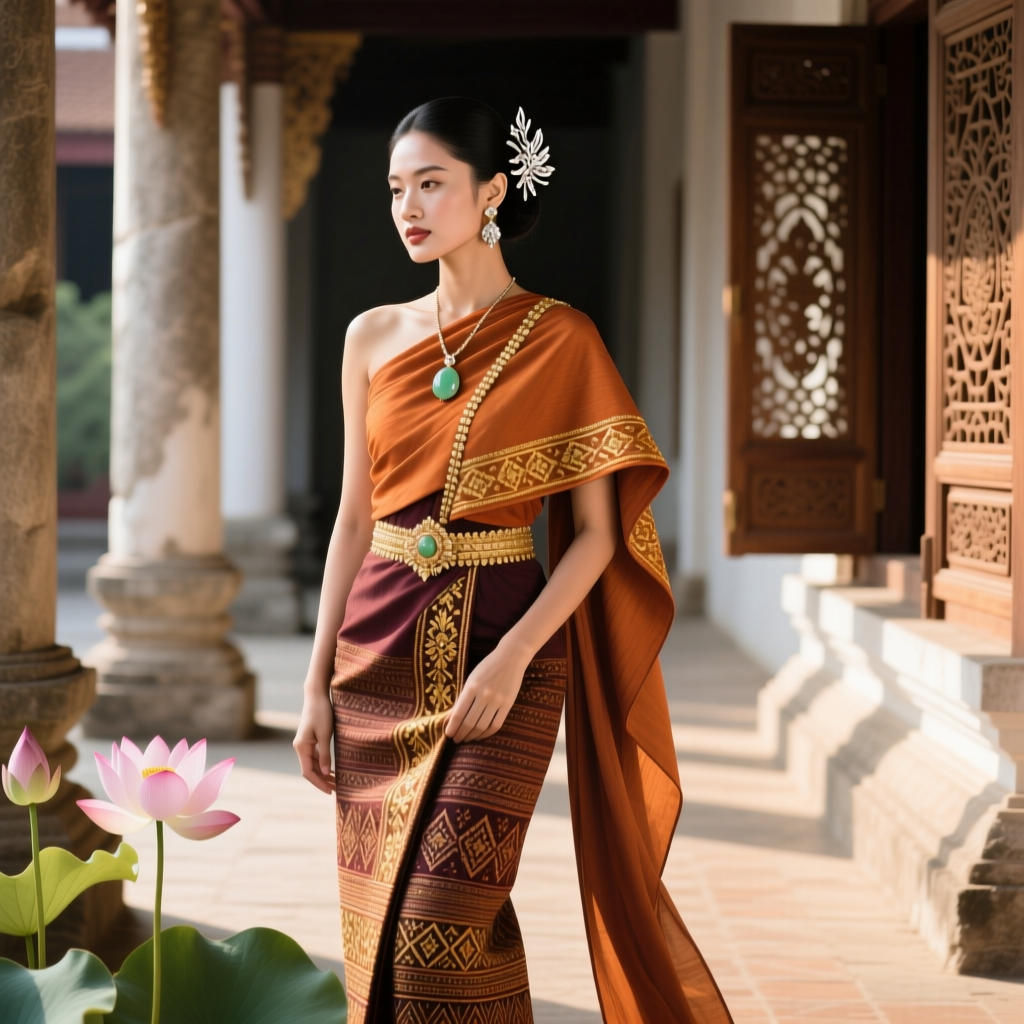
Waist accessories are excellent for anchoring a pose. Hooking one or two thumbs loosely into a silk sash, a leather belt, or a cummerbund creates a relaxed yet masculine silhouette. This pose naturally opens the chest and highlights the waist tailoring. When wearing heavily textured sashes, common in South Asian textiles and Southeast Asian formal wear, ensure the embroidered end is draped visibly over the hip to catch the light.
Ceremonial Props & Handheld Artifacts
Many traditional outfits are historically paired with specific items: a walking stick, a vintage fan, a pocket watch, or a ceremonial dagger like the Scottish sgian-dubh or the South Asian kirpan. Hold these items with reverence. A walking stick should be held loosely at the side or leaned upon gently, never gripped like a weapon. If holding a ceremonial blade, keep the point directed safely downward, resting your hand lightly on the pommel to convey respect for the artifact and the culture it represents.
Context & Occasions: Matching the Pose to the Event
The environment and the occasion dictate the emotional resonance of your pose. A traditional dress men photo pose must adapt to the narrative of the day, shifting from romantic intimacy to joyous celebration.
Weddings & Romantic Portraits
When photographing traditional wedding attire, the poses should reflect connection and partnership. If posing with a partner, avoid standing stiffly side-by-side. Instead, interact with the garments: adjust your partner's collar, hold hands while walking through a heritage courtyard, or share a quiet, candid laugh. For solo groom portraits, focus on the details—looking down while adjusting a cufflink, fastening a brooch, or tying a sash. These intimate, preparatory poses feel authentic and timeless.
Festivals & Cultural Celebrations
Festivals call for high energy, vibrant colors, and dynamic movement. Poses here should be expansive and joyful. Throw your head back in genuine laughter, raise a glass in a toast, or engage with the environment around you. Wide-angle shots that capture you mid-dance or mid-stride amidst a crowd or festive decorations highlight the communal aspect of traditional clothing.
Formal Lineage Portraits
For studio shoots or formal family portraits meant to document lineage, the pose should be stoic, symmetrical, and deeply respectful. Stand squarely facing the camera or in a classic three-quarter profile. Keep the facial expression neutral but warm, allowing the intricate craftsmanship of the garment to take center stage. These images are meant to be archived and passed down, so a timeless, dignified posture is essential.
Modern Adaptations: Blending Heritage with Contemporary Flair
Traditional menswear is not confined to the past; it is constantly evolving. Modern adaptations and fusion wear require a different approach to posing, blending historical reverence with contemporary fashion editorial styles.
The Street-Style Juxtaposition
Pairing traditional garments with modern streetwear elements—such as wearing a silk kurta with tailored sneakers or a cultural jacket over a plain white t-shirt and denim—creates a striking visual contrast. For these looks, adopt high-fashion, editorial poses. Lean against brutalist concrete walls, cross your arms loosely, and look directly into the lens with a relaxed, confident gaze. The juxtaposition of ancient textiles against modern urban architecture tells a compelling story of cultural continuity.
Playing with Light & Shadow
When shooting fusion wear or modernized traditional silhouettes, utilize dramatic lighting. Pose in the shadows, allowing a single beam of light to illuminate the texture of the fabric, such as the warp & weft of a handloom textile or the sheen of a silk blend. Turn your body away from the light source, looking over your shoulder. This moody, cinematic approach elevates the garment from mere clothing to a piece of wearable art.
The Garment Atlas Buying Guide: Sourcing Authentic Pieces
A successful photo shoot begins long before the camera starts clicking; it begins with sourcing the right garment. The way a piece drapes, reflects light, and moves is entirely dependent on its fabric and construction. When building your wardrobe for cultural portraits, keep these buying guidelines in mind.
Prioritize Natural Fibers & Authentic Weaves
Synthetic fabrics often photograph poorly, reflecting light in harsh, unnatural ways and clinging awkwardly to the body. Always seek out natural fibers like raw silk, fine wool, breathable linen, and organic cotton. Handwoven textiles, which you can learn more about in our guide to artisan weaving techniques, possess a rich, uneven texture that absorbs light beautifully and adds profound depth to photographs.
The Importance of Bespoke Tailoring
Even the most exquisite vintage textile will look unflattering if the fit is incorrect. Traditional garments often rely on precise shoulder alignments, exact sleeve lengths, and tailored waist suppressions to create a masculine silhouette. Invest in bespoke or made-to-measure services. A well-tailored garment allows you to move freely and confidently, eliminating the need to constantly tug or adjust your clothing during the shoot.
Supporting Heritage Artisans
When purchasing traditional menswear, seek out brands and cooperatives that work directly with heritage artisans. Not only does this ensure you are receiving an authentic piece that honors the culture, but it also supports the economic survival of ancient crafting techniques. Look for certifications of origin and avoid mass-produced, culturally appropriated imitations that lack the structural integrity required for a dignified portrait.
Frequently Asked Questions
How do I avoid looking stiff in traditional menswear?
Stiffness usually arises from a fear of wrinkling or disrupting the garment. To combat this, focus on your breathing and keep your joints slightly bent. Never lock your knees or elbows. Introduce subtle asymmetry by shifting your weight to one leg, angling your shoulders, or tilting your head slightly. Engaging in a light conversation with the photographer or someone off-camera can also help relax your facial muscles and soften your overall posture.
What are the best lighting setups for heavily embroidered garments?
Heavily embroidered garments, such as those featuring zardozi or gold thread work, require directional lighting to highlight the three-dimensional texture of the threads. Avoid flat, direct flash, which will wash out the details. Instead, use side-lighting or a Rembrandt lighting setup, where the light source is placed at a 45-degree angle. This creates micro-shadows within the embroidery, making the metallic threads and beadwork pop brilliantly on camera.
Can I mix modern accessories with traditional poses?
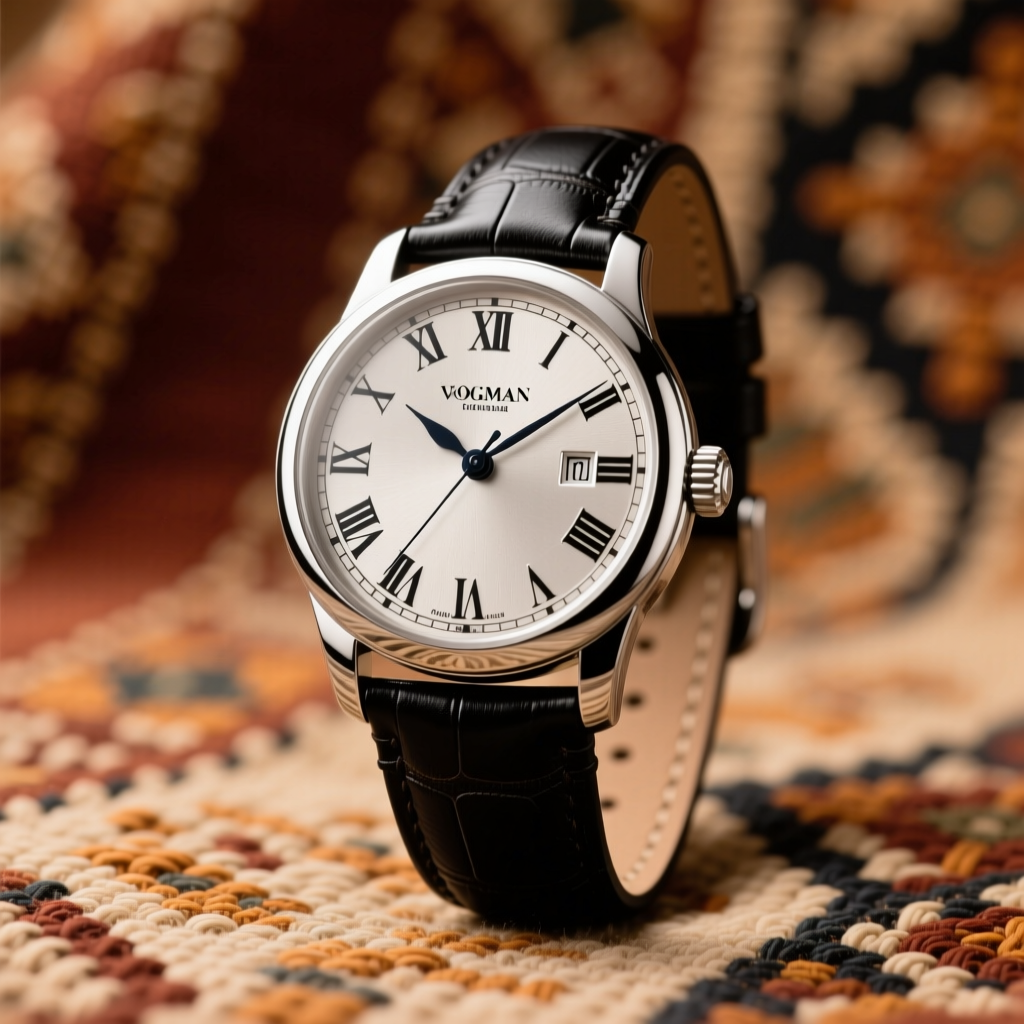
Absolutely. Blending modern accessories like a luxury dive watch, minimalist leather loafers, or contemporary eyewear with traditional attire is a popular styling choice that reflects the modern diaspora experience. When posing with these mixed elements, ensure the modern accessory is visible but not overpowering. For instance, if wearing a modern watch, use the pose where you adjust your cuff to naturally draw the eye to the wrist without making it the sole focal point of the image.
How should I pose if my traditional garment is highly voluminous?
Voluminous garments, such as the Japanese kimono or Middle Eastern thobes, can easily swallow your frame if not styled and posed correctly. Use your hands to define your waistline or create negative space between your arms and your torso. If sitting, gather the excess fabric deliberately and drape it over your lap or the arm of the chair. This maintains the grandeur of the garment while ensuring your physical silhouette remains defined and structured.
Where can I find authentic traditional garments for a photoshoot?
Authentic garments can be sourced from specialized heritage boutiques, direct-from-artisan cooperatives, and high-end vintage dealers. For specific regional attire, look for tailors who specialize in that culture's diaspora community. Always verify the provenance of the piece, ensuring the textiles are genuine and the construction methods align with historical practices, ensuring your photoshoot is both visually stunning and culturally respectful.