The Ultimate Guide to Traditional Dress for Men in Kerala
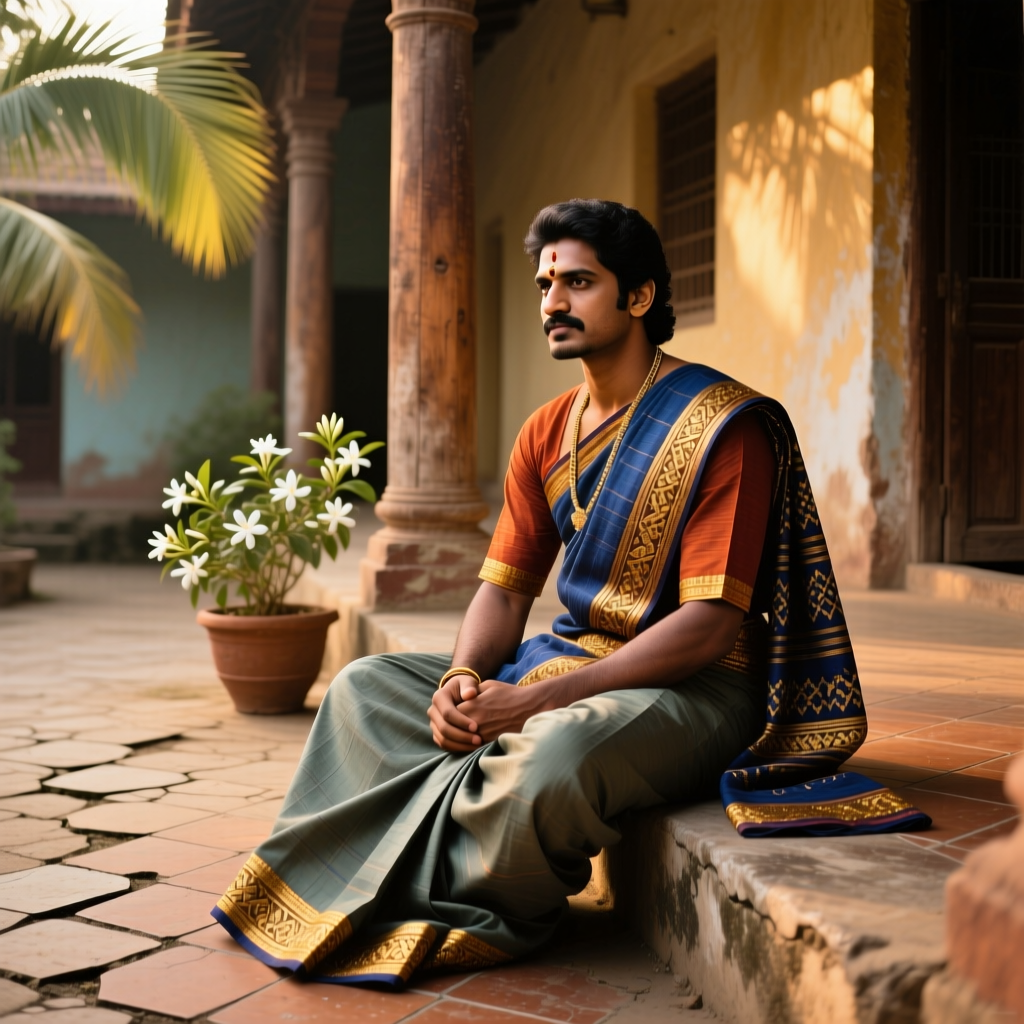
Kerala, a lush coastal state in southern India, is globally celebrated for its serene backwaters, rich cultural tapestry, & distinct sartorial heritage. When it comes to traditional dress for men in Kerala, the aesthetic is defined by a striking philosophy: understated elegance. Unlike the heavily embroidered & brightly colored garments found in other parts of India, Kerala menswear relies on the pristine purity of white cotton, accented by the subtle gleam of gold. This minimalist approach not only suits the tropical, humid climate but also reflects a deep-rooted cultural appreciation for simplicity, purity, & grace.
Whether you are attending a vibrant Syrian Christian wedding, participating in the harvest festival of Onam, or preparing for a pilgrimage to an ancient temple, understanding the nuances of Kerala traditional attire is essential. In this comprehensive guide, we explore the anatomy of the classic Mundu, master the art of the drape, & discover how modern menswear enthusiasts are adapting this heritage garment for contemporary wardrobes. For a deeper dive into the textiles that make this possible, explore our archive on Indian handloom traditions.
The Anatomy of Kerala Traditional Menswear
The traditional wardrobe for men in Kerala is remarkably streamlined, yet every element serves a specific cultural & functional purpose. The ensemble is built around a few key garments that have stood the test of time, evolving slightly in fabric quality but remaining largely unchanged in silhouette.
The Mundu (Lower Garment)
The foundation of Kerala menswear is the Mundu. It is a rectangular piece of unstitched cloth, typically measuring around two meters in length, wrapped around the waist. The quintessential Mundu is woven from unbleached or bleached cotton, featuring a distinct border known as the Kasavu. Traditionally made from pure gold or silver zari (thread), the Kasavu border is a hallmark of Kerala’s textile heritage. To learn more about how these borders are crafted, read our feature on Kasavu weaving heritage.
The Mel Mundu or Angavastram (Upper Drape)
While women traditionally pair the Mundu with a Neriyathu (a cloth draped over the blouse), men utilize an Angavastram or Mel Mundu. This is a matching piece of cloth with a Kasavu border, draped elegantly over the shoulders. It is an essential component for formal events, religious ceremonies, & temple visits, signifying respect & reverence.
The Jubba or Kurta (Tailored Top)
For everyday wear, weddings, & formal gatherings where a shoulder drape is not strictly required, men pair the Mundu with a Jubba or a tailored Kurta. The traditional Jubba is a loose, collarless shirt made from cotton or linen, often featuring subtle embroidery or simple wooden buttons. In modern contexts, crisp linen shirts in white, cream, or pastel shades are frequently worn as a contemporary substitute for the Jubba.
Mastering the Drape: Styling & Fit
Unlike tailored trousers, the Mundu requires a specific draping technique to ensure it stays in place while maintaining a sharp, dignified silhouette. The way a man drapes his Mundu can communicate his social setting, his respect for the environment, & his personal style.
The Formal Drape (Full Length)
For weddings, festivals, & temple visits, the Mundu is worn full-length, reaching down to the ankles. The cloth is wrapped tightly around the waist, with the ends tucked in securely at the navel. A neat, single pleat (known as a kuthu) is often created at the front or side to allow for ease of walking. The Kasavu border should be perfectly aligned horizontally at the hem, showcasing the gold thread with every step.
The Casual Drape (The Fold-Up)
In informal settings, at home, or while doing physical labor, it is common practice to fold the Mundu in half, tucking the lower hem into the waistband so that it reaches just below the knees. This provides ventilation & freedom of movement. However, it is considered highly disrespectful to enter a temple or attend a formal ceremony with the Mundu folded up. If you are transitioning from a casual setting to a formal one, simply untuck the fold & smooth the fabric down to the ankles.
Styling Tip: To achieve a crisp, structured look, the Mundu must be heavily starched. Traditional methods involve washing the garment in rice water, which gives the cotton a stiff, paper-like finish that holds pleats beautifully & resists wrinkling in the humid coastal air. For more tips on maintaining natural fibers, consult our guide to cotton fabrics.
Essential Accessories to Elevate the Look
Because the traditional dress for men in Kerala is inherently minimalist, accessories play a crucial role in defining the wearer’s personal style & the formality of the outfit.
- Footwear: Leather sandals, traditional Kolhapuri chappals, or embroidered Mojari slip-ons are the most appropriate choices. Avoid closed-toe formal lace-up shoes, as they clash with the fluid, unstitched nature of the Mundu. Furthermore, footwear must be removed before entering temples & many traditional homes.
- Jewelry: Men in Kerala often accentuate their white & gold attire with subtle gold jewelry. A thick gold chain worn over the Jubba or a traditional gold ring adds a touch of regional authenticity without overpowering the minimalist aesthetic.
- Timepieces: A classic leather-strap dress watch or a vintage gold timepiece pairs beautifully with the heritage look. Avoid overly sporty or digital watches, which can disrupt the sartorial harmony of the ensemble.
- The Pocket Square Alternative: While the Mundu lacks pockets, men often carry a neatly folded, embroidered handkerchief or a small traditional clutch to hold essentials, maintaining the clean lines of the draped garment.
Dressing for the Occasion
Understanding the context of your event is vital when styling traditional Kerala attire. The dress codes in Kerala are deeply tied to religious customs, climatic realities, & cultural pride.
Weddings & Festivals (Onam & Vishu)
During major festivals like Onam or Vishu, & at traditional weddings, the full Kasavu Mundu & Angavastram are mandatory. Grooms often opt for a Pattu Mundu (silk blend) for added sheen, pairing it with a richly embroidered silk Jubba. Guests should stick to high-quality cotton Kasavu sets, ensuring their Angavastram is draped neatly over the left shoulder.
Temple Pilgrimages
Kerala temples, such as the famous Guruvayur or Padmanabhaswamy temples, enforce strict traditional dress codes. Men are generally required to wear a Mundu. In many inner sanctums, shirts or Jubbass are prohibited; men must bare their upper bodies, wearing only the Mundu & the Angavastram draped over the shoulders. Always carry an extra Angavastram when visiting religious sites to ensure compliance with local customs.
Casual & Everyday Wear
For daily wear, the Kasavu border is usually omitted in favor of a simple, durable white or colored cotton Mundu (often referred to locally in its casual, checked form as a Lungi, though the draping style differs). This is paired with a simple cotton shirt, prioritizing comfort & breathability in the tropical heat.
Modern Adaptations: Blending Heritage with Contemporary Fashion
As global fashion evolves, so does the traditional dress for men in Kerala. Contemporary designers & local tailors have introduced innovative adaptations that respect the garment’s heritage while solving modern practicality issues. If you are exploring broader ethnic menswear styling, these fusion concepts are invaluable.
The Pocket Mundu & Velcro Fastenings
The most significant modern innovation is the introduction of the "Pocket Mundu." Tailors now construct the Mundu with hidden internal pockets & secure velcro or button fastenings at the waist. This eliminates the anxiety of the garment slipping & provides a place to store a smartphone or keys, making it highly practical for modern professionals attending weddings or corporate cultural events.
Fusion Outerwear
For winter weddings or high-fashion cultural events, men are increasingly pairing the pristine white Kasavu Mundu with structured, tailored blazers or heavily embroidered Nehru jackets (Bandhgalas). The contrast between the fluid, unstitched lower garment & the sharp, structured tailoring of the jacket creates a striking, avant-garde silhouette that bridges East & West.
Linen & Pastel Jubbass
While white remains the dominant color, modern Jubbass are now crafted from premium European linen in soft pastels like sage green, dusty rose, & powder blue. These subtle colors complement the gold Kasavu border beautifully, offering a fresh, youthful take on a centuries-old garment.
The Buyer’s Guide: Sourcing Authentic Kerala Attire
Investing in a high-quality Mundu & Jubba set requires an understanding of textiles, weaving techniques, & authenticity markers. Here is how to ensure you are purchasing genuine Kerala handloom attire.
- Look for the GI Tag: Authentic Kasavu Mundus from specific weaving clusters like Balaramapuram or Chendamangalam carry a Geographical Indication (GI) tag. This certifies that the garment was handwoven in Kerala using traditional methods.
- Test the Zari: Genuine Kasavu uses real gold or silver zari (or high-grade tested metallic yarn). Rub the gold border gently; authentic zari will not flake, peel, or lose its luster easily. Powerloom imitations often use cheap plastic threads painted gold, which will crack when folded.
- Examine the Weave: Handwoven cotton will have microscopic irregularities that give it a soft, organic texture. If the fabric feels unnaturally uniform, stiff, or synthetic, it is likely a mass-produced powerloom replica. For a deeper understanding of weave structures, review our natural fiber guides.
- Care & Maintenance: Always hand-wash your Kasavu Mundu in cold water with a mild, pH-neutral detergent. Never wring the fabric; instead, roll it in a dry towel to absorb excess moisture. Dry it in the shade, as direct sunlight will tarnish the gold zari border over time. Iron on a medium setting with a cotton cloth placed over the gold border to prevent scorching.
Frequently Asked Questions
What is the difference between a Mundu and a Lungi?
While both are rectangular garments worn around the waist, they serve entirely different purposes. A Mundu is typically white, features a formal Kasavu (gold) border, is heavily starched, & is worn for formal events, weddings, & temple visits. A Lungi, on the other hand, is casual wear. It is usually made of softer, un-starched cotton, features colorful checks or prints, & is tied with a simple knot at the waist for everyday lounging or manual labor.
How do I keep my Mundu from slipping while walking?
The traditional method involves tucking the ends tightly into the waistband & ensuring the fabric is heavily starched so it grips itself. However, for modern convenience, we highly recommend investing in a "Pocket Mundu" or having a tailor add a hidden drawstring or velcro strip to the inner waistband. This secures the garment firmly to your waist, allowing you to walk, sit, & dance at weddings without the fear of a wardrobe malfunction.
Can non-Malayalis wear traditional Kerala attire?
Absolutely. The people of Kerala are incredibly welcoming & deeply proud of their cultural heritage. Non-Malayalis wearing the Mundu & Jubba to a Kerala wedding, cultural festival, or temple visit is viewed as a sign of deep respect & cultural appreciation. Ensure you wear it correctly (full-length for formal events) & pair it with appropriate footwear to honor the tradition properly.
What footwear pairs best with a Mundu?
Because the Mundu is an unstitched, flowing garment, closed-toe formal shoes (like Oxfords or Brogues) create a jarring visual disconnect. The best footwear choices are traditional leather sandals, Kolhapuri chappals, or minimalist leather slip-ons. These choices maintain the organic, breathable aesthetic of the outfit while providing comfort. Remember that you will be removing your footwear frequently if visiting temples or traditional homes, so choose a pair that is easy to slip on & off.