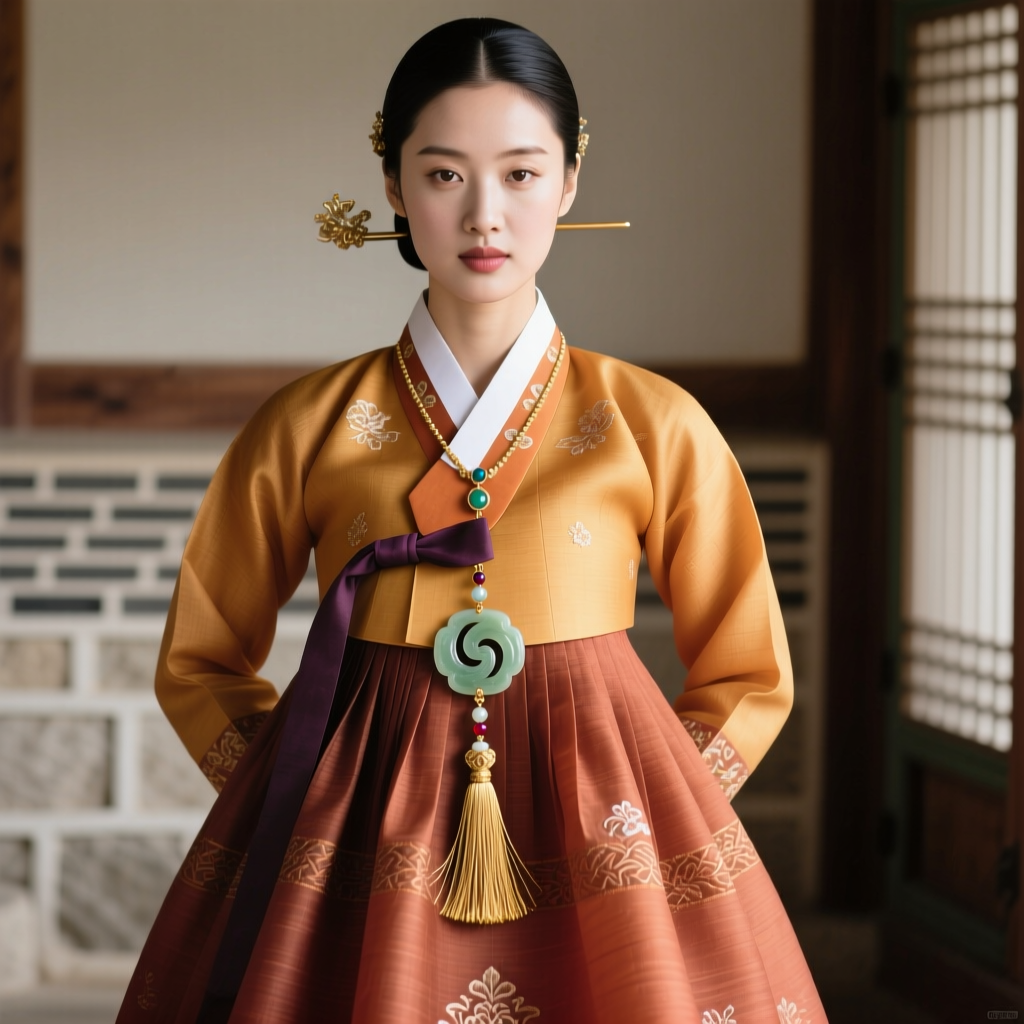
Early Filipino Clothing and Accessories

Long before Western influence reached the Philippine archipelago, early Filipinos had already developed a sophisticated and deeply meaningful approach to clothing, adornment, and personal style. From the intricate baro of the Visayans to the regal kain of the Cordilleran highlands, pre-colonial Filipino attire was never merely about covering the body. It was a living language of identity, status, spirituality, and artistry woven into every thread, bead, and hammered gold ornament.
Today, as interest in cultural heritage fashion continues to grow worldwide, the traditional clothing and accessories of early Filipinos offer a wellspring of inspiration for modern wardrobes. Whether you are a designer seeking authentic references, a cultural enthusiast exploring your roots, or simply someone who appreciates the intersection of history and style, understanding these garments opens a door to one of Southeast Asia's most underappreciated sartorial traditions.
This guide explores the foundational pieces, styling principles, and enduring legacy of early Filipino dress — and shows you how to honor this heritage in thoughtful, contemporary ways. For a deeper dive into related traditions, explore our heritage fashion guides and Southeast Asian textile traditions collection.
The Foundational Garments: Baro, Kain, and the Art of Draping
The wardrobe of early Filipinos was built around a few key garments that varied by region, climate, and social standing. Understanding these foundational pieces is essential before attempting any modern styling interpretation.
The Baro and Its Variations
The baro (also called barú) was the upper garment worn by both men and women across the archipelago. For women, it was typically a short, wide-sleeved jacket that ended at the waist, often made from handwoven cotton, abaca fiber, or — for the elite — imported silk. The color and detailing of the baro communicated social rank: red was traditionally associated with chiefs and nobility (maginoo class), while black or blue indicated common warriors or freemen.
Men's baro was generally simpler — a collarless, short-sleeved jacket that was wrapped or fastened at the front. Among the Tagalog communities, this garment was often paired with a bahag (loincloth) that was wrapped between the legs and secured at the waist with a belt or sash.
The Kain, Tapis, and Patadyong
For women, the lower garment took many forms depending on the region. The kain was a wraparound skirt — essentially a rectangular piece of handwoven fabric secured at the waist. In the Visayas, the patadyong served a similar purpose but was distinguished by its bold plaid or checkered patterns, often in vibrant combinations of red, black, yellow, and white.
The tapis was an overskirt or decorative wrap worn over the primary lower garment, particularly in Tagalog and Central Luzon regions. It served both functional and ornamental purposes, adding layers of color and texture to the ensemble. These garments were typically secured with woven sashes, braided cords, or simple tucking techniques — no buttons, zippers, or pins were used in pre-colonial Filipino clothing.
The Bahag and Male Attire
The bahag (loincloth) was the primary lower garment for men across most of the archipelago. It consisted of a long strip of cloth passed between the legs and wrapped around the waist. The length of the bahag's trailing ends often indicated social status — longer, more elaborately decorated ends signaled higher rank. Among the Cordilleran peoples of Northern Luzon, the bahag (called wanes) remains in use today during cultural ceremonies and is considered a mark of pride and identity.
For a comprehensive look at how these garments compare to other regional traditions, visit our traditional garments of Southeast Asia guide.
Accessories and Adornments: Gold, Beads, and the Language of Ornament
If the garments of early Filipinos were the canvas, the accessories were the masterpiece. Pre-colonial Filipinos were renowned throughout Southeast Asia for their extraordinary goldsmithing, beadwork, and body adornment traditions. These accessories were far more than decorative — they functioned as currency, spiritual protection, and markers of social hierarchy.
Gold Ornaments and Jewelry
Gold was abundant in the pre-colonial Philippines, and early Filipinos worked it with remarkable skill. Common gold accessories included:
- Ear ornaments (palamuti sa tainga): Elaborate gold ear plugs, rings, and pendants. Some designs featured intricate filigree work rivaling anything produced in contemporary India or China. Multiple ear piercings were common among both men and women of high status.
- Necklaces and collars: Gold chains, bead necklaces, and hammered gold collars were worn by the elite. The kamagi — a heavy, multi-layered gold necklace — was among the most prestigious ornaments in Visayan society.
- Bracelets and armlets: Gold arm bands worn above the elbow were particularly associated with warriors and chieftains. These balatik-inspired designs often featured serpent or crocodile motifs.
- Finger rings: Gold rings were worn on multiple fingers, sometimes as many as eight or ten per hand among the highest-ranking individuals.
Beadwork and Trade Beads
Beads held enormous cultural value in early Filipino society. Glass beads, carnelian beads, and agate beads obtained through maritime trade networks were strung into necklaces, bracelets, and hair ornaments. These beads were not merely decorative — they were heirloom objects passed down through generations and used in dowries, treaties, and ritual offerings. The Cordilleran peoples of the highlands developed particularly sophisticated beadwork traditions, creating elaborate patterns that encoded clan identity and spiritual beliefs.
Tattoos as Body Adornment
Among the Visayan peoples — whom Spanish colonizers called Pintados (the painted ones) — full-body tattoos served as a form of living clothing and permanent accessory. These intricate geometric and figurative designs covered the arms, legs, chest, and face of warriors and nobles. Each tattoo told a story of battles fought, voyages undertaken, and spiritual protections invoked. In a styling context, understanding this tradition reminds us that early Filipino adornment extended far beyond fabric and metal — the body itself was a canvas.
Headgear and Hair Ornaments
Headgear was an essential component of early Filipino attire. The tubao (headcloth) was worn by men in many regions, wrapped in styles that indicated regional origin and social rank. Women adorned their hair with gold pins, flower garlands, and beaded hairnets. In Mindanao, the malong could be draped over the head as a versatile garment that functioned as both clothing and head covering. Explore more about these versatile garments in our malong styling guide.
Styling Principles: How Early Filipino Clothing Communicated Identity
Understanding the styling logic behind early Filipino clothing is key to creating modern interpretations that feel authentic rather than costumey. Here are the core principles that governed how these garments were worn and combined.
Layering and Draping
Early Filipino styling was fundamentally about layering and draping rather than tailoring and structure. Garments were not cut to fit the body's contours — they were wrapped, folded, tucked, and layered to create silhouette and volume. A woman of status might wear a base kain, an overskirt tapis, a baro on top, and a separate cloth draped over one shoulder as a sash or shawl. This approach to dressing is remarkably modern and aligns beautifully with contemporary minimalist and deconstructed fashion aesthetics.
Color as Communication
Color was never arbitrary in early Filipino dress. Red signaled bravery, nobility, and spiritual power. Black and dark blue were associated with maturity and everyday labor. White was connected to mourning and spiritual purity in some regions, while yellow and gold tones were reserved for royalty and the highest-ranking members of society. When incorporating these color palettes into modern styling, choosing earth-toned base garments with strategic red or gold accents honors this chromatic heritage.
Texture and Material Contrast
Early Filipino stylists were masters of texture contrast. A single outfit might combine the rough, natural texture of abaca cloth with the smooth sheen of imported silk, the cold hardness of hammered gold, and the organic warmth of carved shell or bone accessories. This principle of mixing textures within a single ensemble is one of the most transferable lessons for modern wardrobes — pair a woven textile skirt with a sleek modern blouse and metallic accessories to echo this ancient sensibility.
Proportion and Asymmetry
Unlike the symmetrical, balanced silhouettes favored in much of Western fashion history, early Filipino styling often embraced asymmetry. A sash draped over one shoulder, a tapis tied at the hip to create an uneven hemline, or a bahag with deliberately unequal trailing ends — these asymmetric touches created visual dynamism and movement. Modern stylists can draw on this principle to create looks that feel organic and fluid rather than rigid and formulaic.
For more inspiration on incorporating heritage textiles into everyday wear, see our heritage textile styling resource.
Modern Adaptations: Wearing Heritage in the Contemporary World
The true test of any fashion tradition is its ability to evolve. Fortunately, the clothing and accessories of early Filipinos translate remarkably well into modern contexts — when approached with cultural sensitivity and design intelligence.
Everyday Heritage Styling
You do not need to wear a full traditional ensemble to honor early Filipino fashion. Consider these accessible adaptations:
- Wrap skirts inspired by the patadyong: Modern wrap skirts in plaid patterns pay homage to Visayan textile traditions while fitting seamlessly into a contemporary casual wardrobe. Pair with a simple linen top and woven sandals.
- Gold statement jewelry: A single bold gold collar necklace or a pair of oversized gold ear cuffs can channel the spirit of pre-colonial goldsmithing without requiring a museum replica. Look for pieces that feature serpent, sun, or geometric motifs drawn from Philippine archaeological finds.
- Woven sashes and belts: A handwoven sash worn as a belt, headband, or bag strap introduces heritage craft into any outfit. Seek out pieces made by Filipino weaving communities to support living traditions.
- Layered draping: Experiment with wrapping and draping techniques using oversized scarves, shawls, or lengths of fabric. The principle of unstructured, body-responsive dressing is both comfortable and visually striking.
Formal and Ceremonial Occasions
For weddings, cultural celebrations, and formal events, more elaborate interpretations of early Filipino dress are entirely appropriate and increasingly popular. Modern Filipino designers have been creating stunning contemporary gowns and suits that incorporate pre-colonial elements — handwoven textiles as bodice panels, gold filigree-inspired embroidery, tapis-style overskirts layered over modern silhouettes, and beadwork patterns drawn from Cordilleran traditions.
When styling for formal occasions, consider commissioning custom pieces from Filipino artisans and designers who work directly with indigenous weaving communities. This approach ensures cultural authenticity while supporting the continuation of traditional crafts. Browse our formal heritage fashion collection for curated inspiration.
Fusion and Cross-Cultural Styling
One of the most exciting frontiers in heritage fashion is the fusion of early Filipino elements with other global traditions. Imagine a baro-inspired cropped jacket paired with Japanese wide-leg trousers, or a tapis-style wrap layered over a Western-style midi dress. The key to successful fusion styling is understanding the cultural significance of each element you combine — approach each tradition with equal respect and knowledge, and avoid reducing sacred or ceremonial garments to mere aesthetic props.
Buying Guide: Where and How to Source Authentic Pieces
If you are ready to incorporate early Filipino-inspired clothing and accessories into your wardrobe, here is a practical guide to sourcing pieces that are authentic, ethical, and well-crafted.
Handwoven Textiles
The foundation of any heritage-inspired wardrobe is authentic handwoven fabric. Look for textiles sourced directly from recognized Filipino weaving communities:
- Inabel from Ilocos: This cotton textile features geometric patterns and is produced on traditional wooden looms. It is durable, breathable, and suitable for everyday garments.
- T'nalak from South Cotabato: Woven from abaca fiber by T'boli women, t'nalak features dream-inspired patterns and is considered one of the finest textiles in the Philippines. It is best used for special occasion pieces and accessories.
- Hablon from Iloilo: A versatile cotton or silk blend textile with vibrant color combinations, ideal for modern garment construction.
- Yakan textiles from Basilan: Known for their bold, geometric, and highly colorful patterns, these handwoven fabrics make stunning statement pieces.
When purchasing handwoven textiles, always verify that the seller works directly with weaving communities and pays fair prices. Avoid mass-produced imitations that appropriate traditional patterns without benefiting the originating communities.
Gold and Metal Accessories
For gold-inspired accessories, seek out Filipino jewelry designers who draw on pre-colonial motifs and techniques. Pieces featuring filigree, granulation, and repoussé work are particularly authentic to the early Filipino goldsmithing tradition. Many contemporary Filipino jewelers create collections explicitly inspired by archaeological gold finds from sites like Butuan and Surigao — these pieces offer museum-quality design in wearable formats.
Beadwork and Handcrafted Accessories
Cordilleran beadwork, shell accessories from coastal communities, and hand-carved bone and horn ornaments are all available through artisan cooperatives and cultural enterprises. When purchasing these items, look for sellers who provide information about the artisan, the community of origin, and the cultural significance of the patterns used.
Price Expectations and Value
Authentic handwoven textiles and handcrafted accessories are investment pieces. Expect to pay premium prices that reflect the extraordinary labor involved — a single meter of handwoven t'nalak can take weeks to produce. However, these pieces are heirloom-quality and gain character with age and use. Budget-conscious buyers can start with smaller accessories like woven sashes, beaded bracelets, or simple gold-toned jewelry before investing in larger garment pieces.
For a complete overview of building a heritage-inspired wardrobe from the ground up, check our building a heritage wardrobe guide.
Frequently Asked Questions
What materials were most commonly used in early Filipino clothing?
Early Filipinos primarily used natural fibers available in their local environments. The most common materials included abaca (a type of banana plant fiber prized for its strength and silky texture), cotton (grown and processed locally in many regions), and bark cloth made from trees like the balete. For elite and ceremonial garments, imported silk from Chinese and Southeast Asian trade networks was highly valued. Dyes were derived from plants, minerals, and shells — indigo for blue, turmeric for yellow, and various tree barks for red and brown tones. The choice of material was closely tied to social status, with finer, softer, and more colorful fabrics reserved for the upper classes.
How did early Filipino clothing differ across regions?
The Philippine archipelago's geography — over 7,000 islands with diverse ecosystems and cultural groups — produced significant regional variation in clothing. In the Cordillera highlands of Northern Luzon, the Igorot peoples wore the bahag (loincloth) for men and wrap skirts for women, with elaborate beadwork and tattoo traditions. In the Visayas, clothing was lighter and more colorful, reflecting the tropical lowland climate, and gold jewelry was particularly prominent. In Mindanao, the malong — a versatile tubular garment — was central to the wardrobe of many groups, reflecting both indigenous and Islamic influences. The Tagalog regions of Central Luzon favored the baro and tapis combination, with distinctive weaving and embroidery traditions. These regional differences are a reminder that "early Filipino clothing" is not a single tradition but a rich tapestry of related but distinct practices.
Is it culturally appropriate to wear early Filipino-inspired clothing today?
Yes, when done with respect, knowledge, and intentionality. The key principles for culturally appropriate styling are: understand what you are wearing — learn about the cultural significance and history behind each element; source ethically — buy from Filipino artisans and communities rather than mass-market retailers who appropriate designs without credit or compensation; avoid sacred or ceremonial items — some garments and accessories have specific spiritual or ritual significance and should not be worn casually; and credit the culture — when sharing your outfit publicly, acknowledge the cultural origins of your pieces. Filipino culture has a long tradition of welcoming others who approach it with genuine curiosity and respect. Wearing heritage-inspired clothing as a form of appreciation, education, and support for living craft traditions is widely encouraged by Filipino cultural advocates.
How can I incorporate early Filipino accessories into a modern outfit without looking costumey?
The secret to modernizing heritage accessories lies in selective styling — choose one or two statement pieces and pair them with contemporary basics. For example, a bold gold ear cuff inspired by pre-colonial designs looks striking with a simple white linen shirt and tailored trousers. A handwoven sash used as a belt adds instant cultural depth to a modern dress or jumpsuit. Avoid wearing multiple heritage elements simultaneously — a full traditional ensemble outside of a cultural event or ceremony can feel like a costume rather than a style choice. Focus on quality over quantity, and let each piece speak for itself. Consider the context: heritage accessories are most impactful when they create a thoughtful contrast with your overall look rather than blending into an entirely themed outfit.
Where can I learn more about pre-colonial Filipino fashion and textile history?
There are several excellent resources for deepening your knowledge of early Filipino clothing and adornment. The National Museum of the Philippines in Manila houses extensive collections of pre-colonial gold, textiles, and archaeological artifacts. Books such as Baro at Saya and scholarly works on Philippine textile traditions provide in-depth historical context. Online, Filipino cultural organizations, heritage fashion collectives, and indigenous weaving cooperatives maintain active educational platforms. For a curated starting point, explore our Philippine textile heritage resource page, which links to museums, reading lists, and artisan communities. Engaging directly with Filipino scholars, designers, and community members — whether through workshops, cultural events, or online forums — remains the most enriching way to learn about these living traditions.
What is the significance of the tapis in early Filipino women's fashion?
The tapis was far more than a simple overskirt in early Filipino women's fashion. It served as a marker of regional identity, social status, and personal artistry. The way a tapis was wrapped, the colors and patterns it displayed, and the quality of its weave all communicated information about the wearer. In some communities, specific tapis patterns were associated with particular life events — marriage, motherhood, or coming of age. The tapis also served practical purposes: it could function as a carrying cloth for infants, a ground cover, or an additional layer of warmth. In modern styling, the tapis principle — an unfixed, wraparound layer that adds visual complexity to an outfit — is remarkably versatile and can be adapted using contemporary fabrics and draping techniques.