Traditional Clothing and Accessories in Islam: A Comprehensive Style Guide
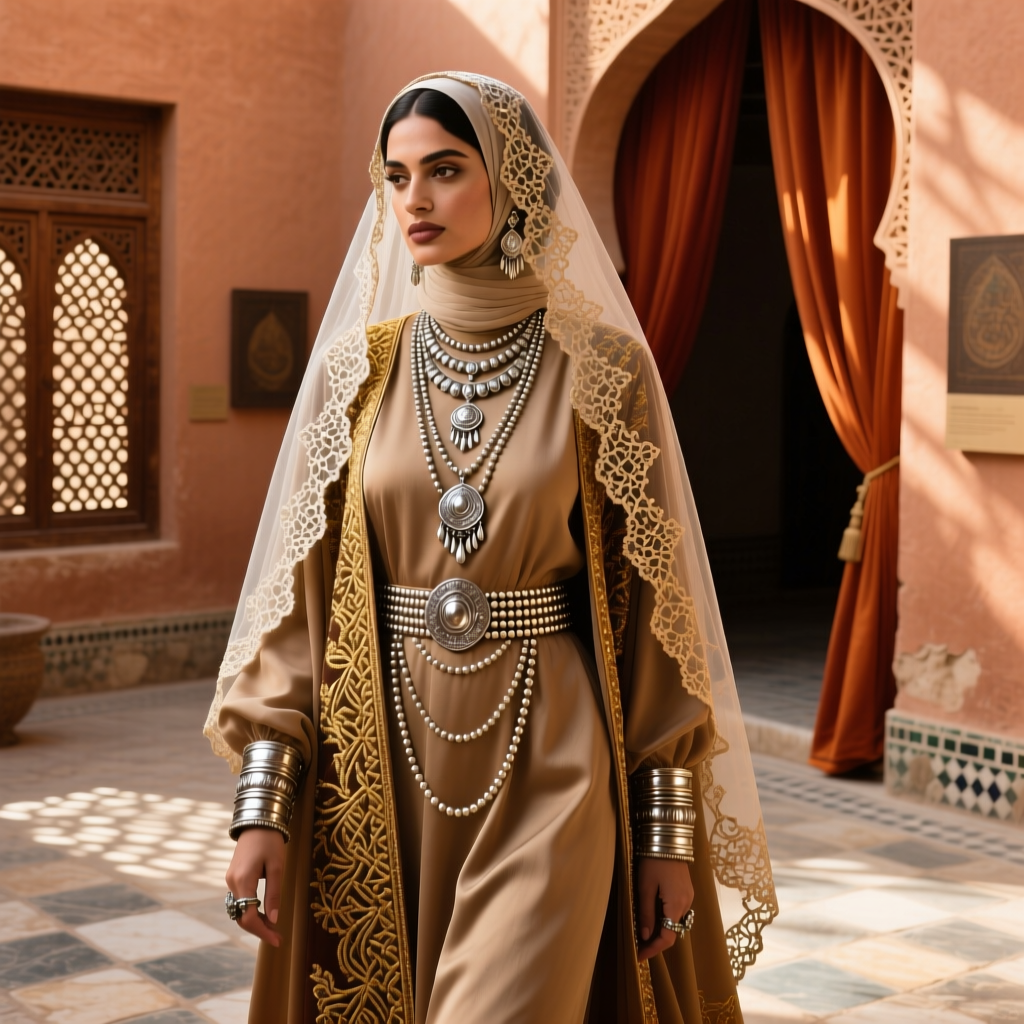
Islamic clothing is a profound expression of faith, culture, and personal aesthetics. Rooted in the principle of modesty, known as haya, traditional Islamic garments transcend mere functionality to become canvases of intricate craftsmanship and regional heritage. From the sweeping deserts of the Arabian Peninsula to the vibrant archipelagos of Southeast Asia, Muslim communities have cultivated a diverse sartorial lexicon that honors religious tenets while celebrating local artistry.
For the modern wardrobe, integrating these traditional pieces offers a masterclass in elegant, purposeful styling. Whether you are exploring your own heritage or seeking to incorporate modest fashion into your daily rotation, understanding the nuances of Islamic clothing and accessories is essential. In this guide, we explore the foundations of traditional Islamic attire, how to style these garments for various occasions, and where to source authentic, high-quality pieces. For a deeper dive into the history of these textiles, explore our archive on Islamic textile traditions.
The Foundations of Islamic Modest Fashion
The cornerstone of Islamic dressing lies in garments that provide coverage while allowing for freedom of movement and personal expression. The silhouettes are inherently fluid, designed to drape gracefully over the body without clinging.
The Abaya and Jilbab
The abaya is perhaps the most recognizable garment in Islamic womenswear. Traditionally a flowing, robe-like dress, it has evolved into a versatile outer garment. While the classic black abaya remains a timeless staple, modern interpretations feature kimono sleeves, open-front cuts, and tailored waists. The jilbab, often used interchangeably with the abaya in some regions, typically refers to a more structured, one-piece outer garment that sometimes includes an attached headcover. For a detailed breakdown of silhouettes, refer to our complete abaya guide.
The Thobe, Kaftan, and Regional Variations
For men, the thobe (also known as a dishdasha or kandura) is a long, ankle-length robe that serves as the foundation of traditional dress in many Arab nations. It is a masterclass in minimalist elegance, often crafted from crisp cotton or linen for warm climates. Women also wear variations of the kaftan and thobe, particularly in North and West Africa, where they are heavily embellished with regional embroidery. In South Asia, the shalwar kameez—a tunic paired with loose trousers—dominates, while in Southeast Asia, the baju kurung offers a tailored, modest silhouette suited for tropical climates.
The Hijab and Headcoverings
The hijab is the most widely recognized Islamic headcovering, but the term encompasses a vast array of styles. The shayla is a long, rectangular scarf wrapped loosely around the head and pinned at the shoulder. The khimar is a longer, cape-like veil that falls over the chest and back, offering effortless coverage. The chador, prevalent in Iran, is a full-body cloak held closed at the front by the wearer’s hands or wrapped securely.
Essential Accessories: Elevating the Modest Wardrobe
Accessories in Islamic fashion are not mere afterthoughts; they are functional tools and statement pieces that complete the modest aesthetic while solving practical styling challenges.
- Hijab Pins and Magnets: Securing a headscarf elegantly requires the right hardware. Traditional straight pins with decorative pearl or crystal heads add a touch of glamour. However, modern magnetic hijab pins have revolutionized the styling process, preventing snags in delicate fabrics like chiffon and silk while providing a secure, seamless hold.
- Underscarves and Bonnets: The foundation of a flawless hijab style is the underscarf. Tube caps, ninja caps, and bonnets provide a non-slip base that keeps hair tucked away and prevents the outer scarf from shifting. Choosing an underscarf in a complementary or contrasting color can add a subtle layer of depth to your overall look.
- Belts and Sashes: While traditional Islamic clothing is characterized by loose silhouettes, contemporary styling often incorporates belts to create structure. Cinching a flowing abaya or kaftan with a wide leather belt or an embroidered sash defines the waist without compromising the modesty of the garment.
- Modest Jewelry: Because modest fashion often features high necklines and long sleeves, jewelry placement is strategic. Statement earrings, stacked rings, and elaborate cuff bracelets take center stage. When wearing a hijab, earrings can be pinned directly to the scarf or chosen as bold studs that frame the face beautifully.
Dressing for the Occasion: From Daily Wear to Celebrations
The versatility of traditional Islamic clothing shines through its adaptability to different events, environments, and cultural milestones.
Everyday Elegance
For daily wear, breathability and ease are paramount. Cotton, jersey, and lightweight crepe are the fabrics of choice. A simple, unembellished abaya paired with a breathable cotton hijab and comfortable loafers or slip-on sneakers creates an effortlessly chic, practical ensemble. Neutral tones like beige, olive, and navy form the backbone of a versatile modest capsule wardrobe. Discover more about building a functional wardrobe in our guide to modest fashion staples.
Friday Prayers and Community Gatherings
Jumu’ah (Friday prayers) and community events call for a step up in formality. This is the perfect occasion to wear garments with subtle embellishments, such as lace trims, delicate pleating, or tonal embroidery. A well-tailored jilbab in a rich jewel tone, paired with a coordinating chiffon shayla, strikes the right balance between reverence and sophistication.
Eid & Weddings
Celebratory occasions are where Islamic fashion truly dazzles. Eid festivities and weddings are characterized by opulent fabrics like silk, velvet, and brocade. Garments are heavily adorned with intricate techniques such as zardozi (gold thread embroidery), dabka, and beadwork. For these events, the hijab is often crafted from luxurious organza or silk, draped elaborately and secured with ornate, jeweled pins. To understand the craftsmanship behind these celebratory garments, explore our feature on Middle Eastern embroidery.
Modern Adaptations: Blending Tradition with Contemporary Style
The beauty of traditional Islamic clothing lies in its ability to evolve. Today’s modest fashion enthusiasts seamlessly blend heritage garments with contemporary global trends.
The Art of Layering: Layering is a cornerstone of modern modest styling. A sleeveless slip dress can be layered over a fitted turtleneck, or a traditional open-front abaya can be worn over a crisp white button-down shirt and wide-leg trousers. This approach adds dimension and allows for greater versatility across changing seasons.
Monochrome Styling: Monochromatic outfits create a long, lean silhouette that exudes modern sophistication. Pairing a dusty rose abaya with a matching hijab, tonal underscarf, and coordinating accessories creates a cohesive, high-fashion look that feels both traditional and thoroughly contemporary.
Footwear Pairings: Gone are the days when traditional garments were exclusively paired with formal heels. Today, styling an elegant abaya with pristine white sneakers or chunky loafers is a popular way to ground the outfit, making it practical for urban environments while maintaining a fashion-forward edge.
The Garment Atlas Buying Guide: Sourcing Authentic Pieces
Investing in traditional Islamic clothing requires an understanding of fabrics, construction, and ethical sourcing to ensure your garments stand the test of time.
Understanding Fabrics
The drape and longevity of your garment depend heavily on the fabric. Nidha is a premium, lightweight fabric popular in the Gulf for its fluid drape and durability. Crepe offers a slightly heavier, matte finish that resists wrinkling, making it ideal for travel. For headscarves, premium chiffon provides a luxurious, airy feel, while modal and jersey offer stretch and comfort for everyday wear. For a comprehensive breakdown, consult our hijab fabric guide.
Evaluating Craftsmanship
When purchasing embroidered or embellished pieces, examine the reverse side of the fabric. High-quality craftsmanship will feature neat stitching without excessive loose threads. Hand-embroidered pieces will have slight, beautiful irregularities that distinguish them from machine-made alternatives and speak to the artisan’s skill.
Ethical and Artisan Sourcing
Seek out brands and artisans that prioritize fair trade and ethical labor practices. Supporting cooperatives and independent designers not only ensures you are receiving a unique, high-quality garment but also helps preserve ancient textile techniques and supports local communities.
Frequently Asked Questions
What is the difference between an abaya and a jilbab?
While the terms are sometimes used interchangeably depending on the region, an abaya is traditionally a loose, robe-like overdress that is often open at the front and worn over everyday clothing. A jilbab generally refers to a more structured, one-piece outer garment that provides full coverage and may sometimes include an attached headcover. In Western contexts, jilbab is often used to describe a modest, long tunic and skirt or trouser set.
How do I choose the right fabric for my hijab?
Choosing the right hijab fabric depends on the weather, the occasion, and your face shape. For warm weather and daily wear, breathable cotton, modal, or lightweight jersey are ideal as they are soft and easy to wrap. For formal events, chiffon, silk, and satin offer a luxurious drape and elegant sheen. If you have a round face, stiffer fabrics like organza or heavily textured crepe can help create structured folds that elongate the face.
Can traditional Islamic clothing be tailored for a modern fit?
Absolutely. Tailoring is highly encouraged to ensure your garments fit your unique proportions while maintaining modesty. You can easily take in the side seams of an abaya for a more structured silhouette, adjust sleeve lengths, or hem garments to suit your height. When tailoring, ensure that the garment remains opaque and loose enough to not reveal the body’s contours when sitting or moving.
What accessories are appropriate for formal Islamic events?
For formal events like weddings or Eid celebrations, elevate your look with statement accessories. Opt for embellished clutches, metallic or jeweled belts, and modest block heels. Brooches are particularly popular for formal hijab styling; a vintage or crystal-encrusted brooch can secure the folds of a silk scarf while acting as a stunning focal point near the face.
How should I care for heavily embroidered traditional garments?
Heavily embroidered garments, especially those featuring metallic threads, beadwork, or delicate silks, require specialized care. Always check the care label, but generally, these pieces should be dry-cleaned to prevent the embroidery from warping or the threads from bleeding. When storing, use breathable muslin garment bags and avoid wire hangers, which can distort the shoulders. Fold heavily beaded items flat to prevent the weight of the beads from stretching the fabric over time.