Styling Shalom Traditional Clothes & Accessories: A Johannesburg Visual Guide
Styling Shalom Traditional Clothes & Accessories: A Johannesburg Visual Guide
Johannesburg is a city that pulses with creativity, cultural fusion, and an undeniable sartorial elegance. When browsing through striking Johannesburg fashion photography, one cannot help but be captivated by the visual harmony of Shalom traditional clothes & accessories. This unique aesthetic represents a beautiful intersection of modesty, cultural pride, and contemporary grace. The term 'Shalom' in this context evokes a sense of peace, wholeness, and balance—qualities that are perfectly reflected in the flowing silhouettes, rich textiles, and intricate detailing of these garments.
Visual inspiration is a powerful tool for refining your personal style. By analyzing the stunning photos of traditional wear captured on the vibrant streets of Jozi, we can decode the elements that make these outfits so breathtaking. Whether you are looking to embrace your heritage, explore modest fashion, or simply integrate beautiful artisanal pieces into your wardrobe, this comprehensive styling guide will help you master the art of wearing traditional garments with modern confidence.
The Visual Language of Shalom Traditional Wear
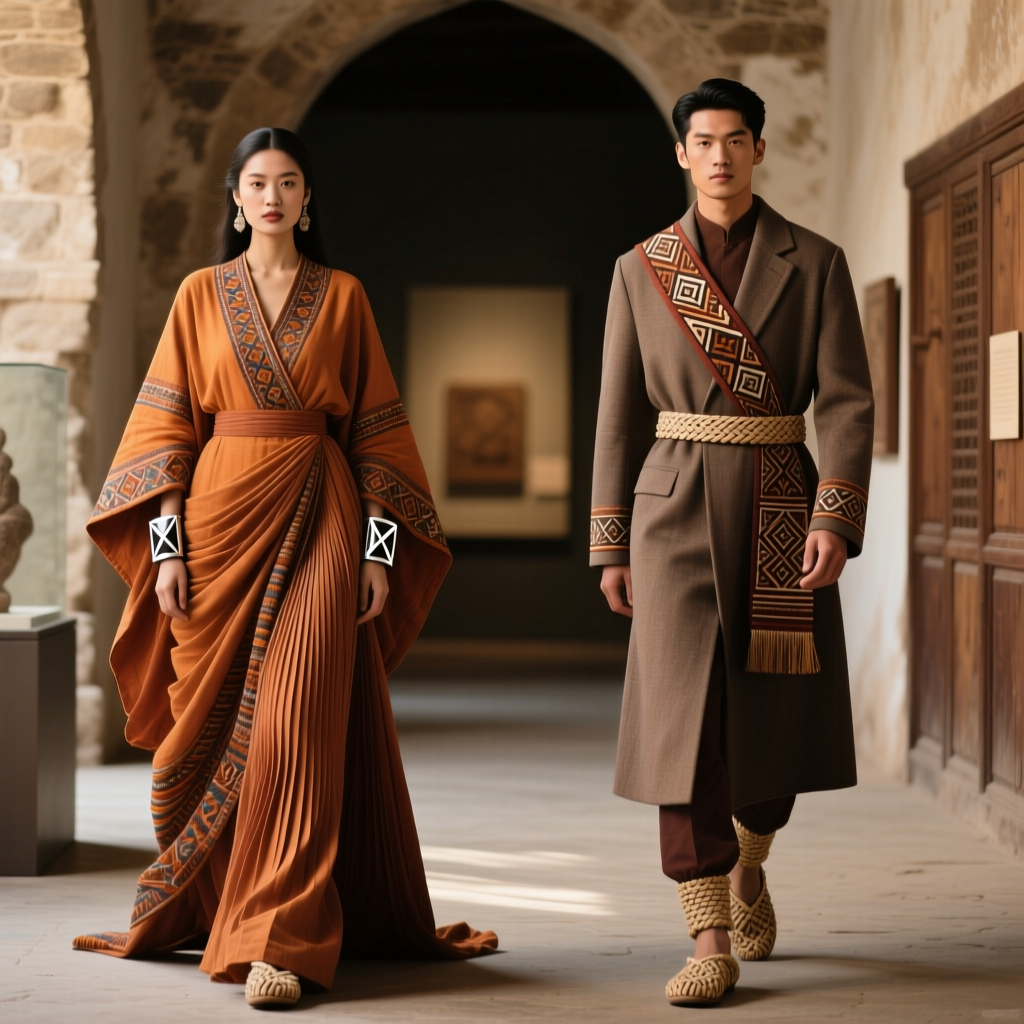
To truly understand how to style these garments, we must first appreciate their visual language. Photographs of Shalom traditional wear in Johannesburg often highlight a deep respect for South African textiles and global modest fashion influences. The visual hallmarks include:
- Flowing Silhouettes: Maxi dresses, wide-leg trousers, and sweeping skirts that offer both comfort and an air of regal elegance.
- Rich Color Palettes: Earthy terracottas, deep indigos, vibrant ochres, and serene pastels that reflect the diverse landscapes and cultures of the region.
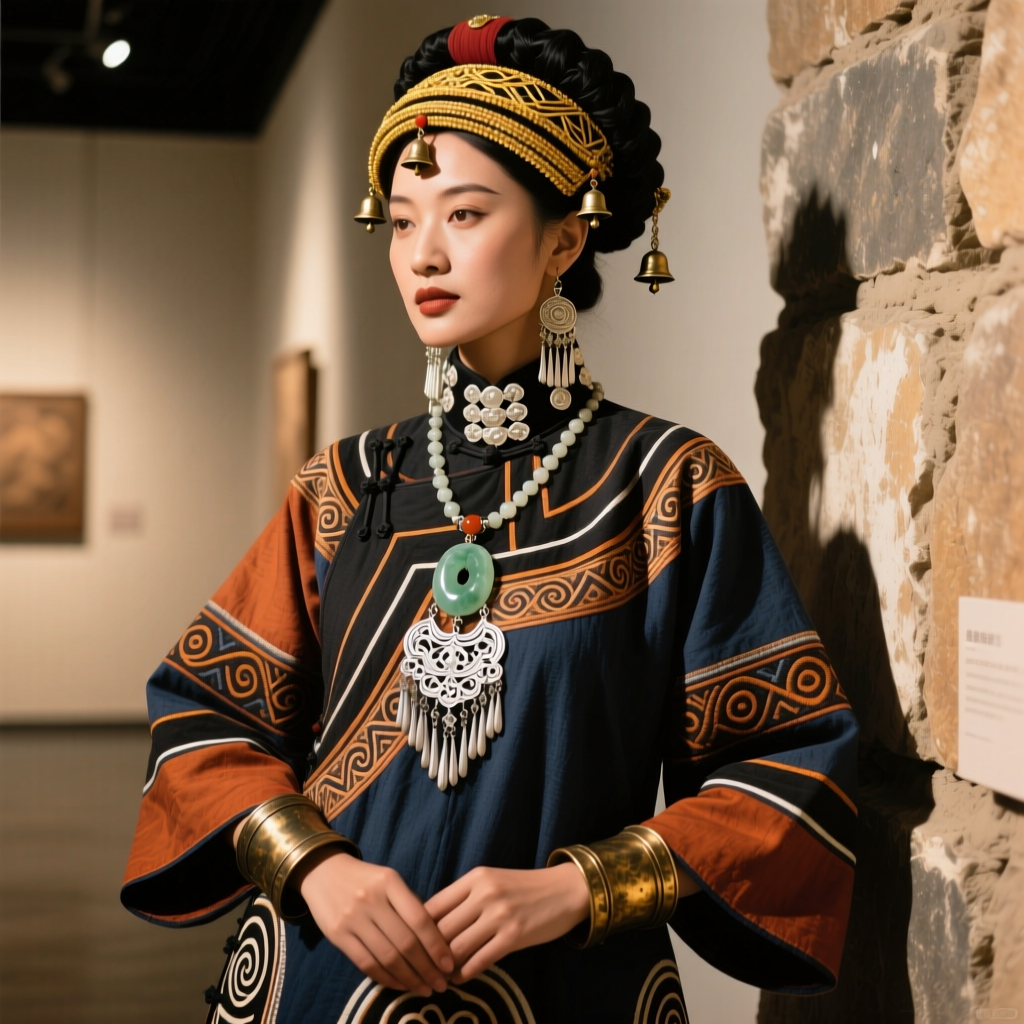
- Intricate Detailing: Subtle embroidery, delicate lace overlays, and strategic pleating that add texture without overwhelming the modest silhouette.
- Harmonious Layering: The seamless integration of inner layers, outer kaftans, and structured wraps that create depth and visual interest in every photograph.
When you look at high-quality street style photos from Johannesburg, the most striking element is how the clothing moves. The fabrics are chosen not just for their beauty, but for their drape, allowing the wearer to move with grace and dignity.
Masterful Styling Tips for Heritage Garments
Translating the beauty of editorial and street style photos into your everyday wardrobe requires a thoughtful approach to proportion and balance. Here are expert styling strategies to help you wear traditional pieces flawlessly.
1. The Rule of Proportional Balance
Traditional garments often feature voluminous cuts. If you are wearing a sweeping, wide-legged traditional trouser or a full maxi skirt, balance the silhouette with a more fitted, structured top. Conversely, if you are wearing an oversized, embroidered kaftan or tunic, pair it with sleek, tailored trousers or a straight-cut midi skirt. This balance ensures that the outfit does not overwhelm your frame, a trick frequently utilized by the stylists behind Johannesburg's most iconic fashion photos.
2. Strategic Layering for Depth
Layering is the cornerstone of heritage wear styling. A simple traditional dress can be transformed into a multi-dimensional outfit by adding a contrasting belt to cinch the waist, or by layering a lightweight, sheer duster coat over a solid base layer. In cooler Johannesburg weather, layering a traditional tunic over a fine-knit turtleneck adds a chic, contemporary edge while maintaining modesty and warmth.
3. Color Blocking with Cultural Palettes
Draw inspiration from the vibrant color stories seen in local photography. Pair a deep emerald green traditional skirt with a mustard yellow blouse. Color blocking not only makes a bold statement but also highlights the rich dyes used in authentic heritage garments. Stick to a three-color rule to keep the look cohesive and visually pleasing.
Elevating the Look with Authentic Accessories
No traditional outfit is complete without the right accessories. In Johannesburg fashion photography, accessories are never an afterthought; they are the focal points that tell a deeper cultural story. For a complete breakdown of essential pieces, explore our traditional accessories guide.
Statement Headwraps and Crowns
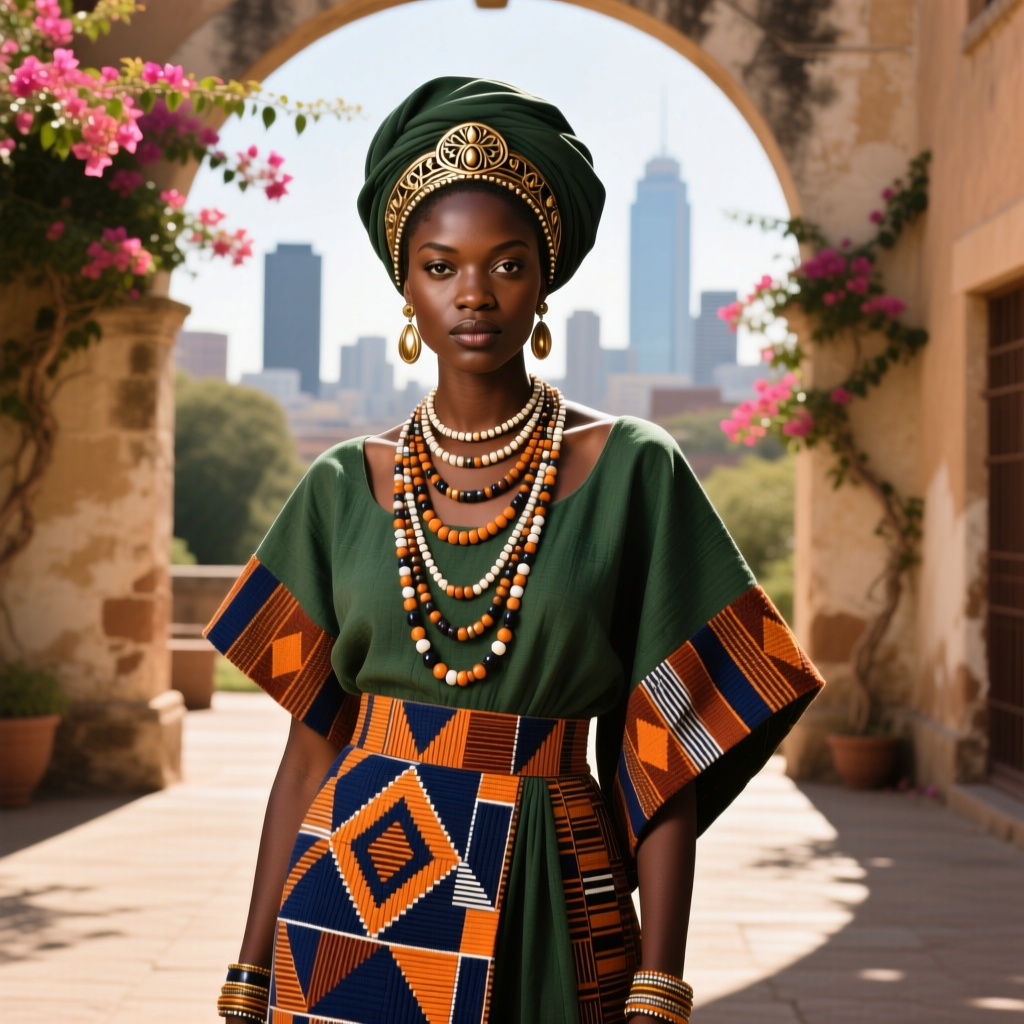
The headwrap is a symbol of elegance and cultural resonance. Whether styled in a towering, architectural wrap or a soft, romantic turban, headpieces draw the eye upward and frame the face beautifully. Choose fabrics that complement, rather than perfectly match, your outfit to add a layer of sophisticated contrast.
Artisanal Beadwork and Jewelry
South African beadwork is world-renowned. Incorporate beaded collars, layered brass necklaces, or cuffs that feature traditional geometric patterns. When wearing heavily patterned or embroidered clothing, opt for solid metal jewelry like hammered brass or oxidized silver to provide a striking, yet uncluttered, visual anchor.
Footwear that Grounds the Outfit
The footwear seen in Johannesburg street style photos often bridges the gap between traditional and modern. Handcrafted leather sandals, woven mules, or even sleek, minimalist ankle boots can ground a flowing traditional dress, giving it a contemporary, urban edge suitable for city walking.
Modern Adaptations for the Contemporary Wardrobe
One of the most exciting trends captured in modern fashion photography is the fusion of traditional garments with contemporary Western staples. This approach, often explored in our modest fashion guide, allows heritage pieces to be worn in corporate or casual settings.
Consider pairing a heavily embroidered traditional tunic with dark-wash, straight-leg denim jeans and a structured blazer. This juxtaposition of the ornate and the utilitarian creates a visually compelling outfit that is perfect for a creative workplace or a weekend outing in Maboneng. Alternatively, use a traditional printed scarf as a belt, a bag accent, or a necktie on a crisp white button-down shirt to inject a subtle nod to your heritage into a classic wardrobe staple.
Perfect Occasions for Traditional Elegance
Understanding where and when to wear your Shalom traditional clothes & accessories is key to styling them with confidence.
- Cultural Festivals & Heritage Days: This is the time to go all out. Embrace full traditional regalia, complete with elaborate headwraps, layered beadwork, and vibrant, sweeping fabrics.
- Weddings & Family Celebrations: Opt for luxurious fabrics like silk, chiffon, or high-quality lace. Jewel tones and metallic embroidery photograph beautifully in wedding settings, echoing the elegance seen in high-end Johannesburg editorial photos.
- Art Gallery Openings & Cultural Events: Showcase your fashion-forward sensibilities by blending traditional silhouettes with avant-garde accessories and bold, modern makeup.
- Everyday Elegance: For daily wear, choose breathable cottons and linens in muted tones. A simple traditional shift dress paired with leather sandals and a woven tote bag offers effortless, comfortable style.
The Johannesburg Buying Guide: Sourcing Your Pieces
To recreate the stunning looks seen in Johannesburg fashion photography, you need access to authentic, high-quality garments. Johannesburg is a treasure trove for traditional wear, provided you know where to look.
Braamfontein & the Inner City: This area is the beating heart of contemporary African fashion. Here, you will find young, innovative designers who are reimagining traditional Shalom and heritage garments for the modern consumer. Look for boutiques that prioritize ethical manufacturing and artisanal craftsmanship.
Rosebank & Sandton Boutiques: For more luxurious, high-end traditional wear, the boutiques in these northern suburbs offer exquisite fabrics, bespoke tailoring, and premium accessories. This is the place to source investment pieces for weddings and major celebrations.
Local Markets & Artisan Hubs: Places like the Rosebank Sunday Market or the Fourways Farmers Market often host stalls run by local artisans. These are fantastic venues to find unique, handmade accessories, beaded jewelry, and custom headwraps that will make your outfit truly one-of-a-kind. When shopping, always engage with the makers. Understanding the story and the Johannesburg fashion history behind a garment adds a profound layer of personal connection to your wardrobe.
Frequently Asked Questions
How do I care for delicate traditional fabrics?
Traditional fabrics, especially those featuring intricate embroidery, beadwork, or natural dyes, require gentle care. Always hand wash or use the delicate cycle with cold water and a mild, pH-neutral detergent. Avoid wringing the fabric; instead, roll it in a clean towel to absorb excess moisture and lay it flat to dry in the shade to prevent color fading. For heavily structured or beaded garments, professional dry cleaning is highly recommended to preserve the integrity of the artisanal work.
Can I mix Shalom traditional wear with Western fashion?
Absolutely. In fact, mixing traditional and Western pieces is one of the most celebrated styling techniques in modern Johannesburg fashion. The key is to let one element be the star. If you are wearing a bold, patterned traditional skirt, pair it with a simple, modern white t-shirt or a sleek turtleneck. This fusion not only makes traditional wear more accessible for daily life but also creates a unique, personalized aesthetic that stands out in any crowd.
What are the best accessories to complement a modest traditional dress?
When styling a modest traditional dress, the goal is to add interest without compromising the elegance of the silhouette. A beautifully tied headwrap or a structured turban is an excellent starting point. Layered metallic cuffs or a single, bold beaded collar can draw attention to the neckline. Finish the look with a structured, hand-woven basket bag or a high-quality leather crossbody, and a pair of comfortable, artisanal leather sandals.
Where can I find authentic traditional garments in Johannesburg?
Authentic pieces can be found across Johannesburg, from the high-end boutiques of Sandton to the vibrant, designer-led stores in Braamfontein and Maboneng. For bespoke, handmade accessories and unique textile finds, local artisan markets are invaluable. Always look for retailers who transparently source their fabrics and support local artisans, ensuring that your purchase contributes positively to the local fashion ecosystem and preserves traditional craftsmanship.
How do I choose the right colors for my skin tone in traditional wear?
Traditional African and modest fashion palettes are incredibly diverse, offering something for every complexion. If you have warm undertones, rich earth tones like terracotta, mustard, olive green, and warm browns will make your skin glow. For cool undertones, jewel tones such as emerald, sapphire, deep plum, and crisp indigo are highly flattering. Neutral shades like cream, taupe, and soft grey serve as excellent base colors that can be easily accented with vibrant accessories.