The Art of Accessorizing Chinese Traditional Dress: A Complete Styling Guide
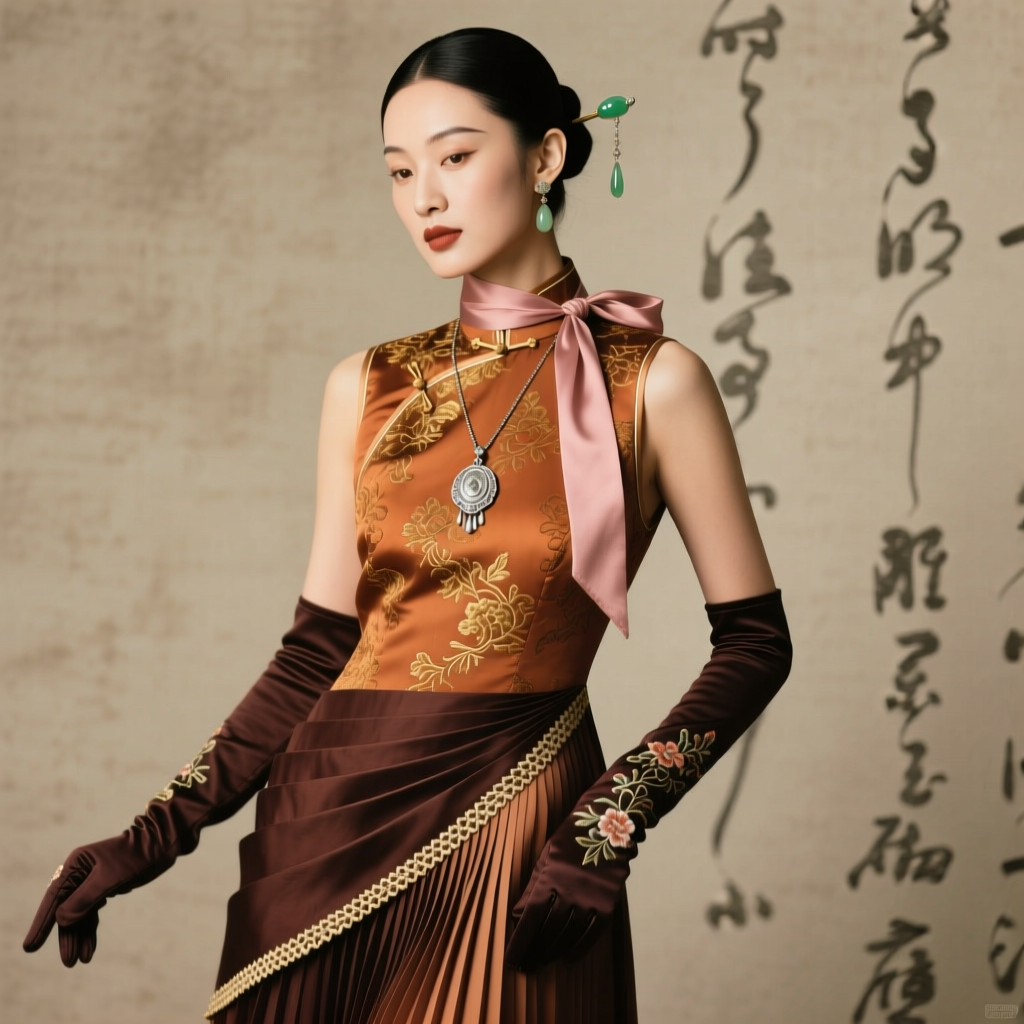
The allure of Chinese traditional dress lies not only in the flowing silhouettes of a Hanfu or the tailored elegance of a Qipao, but in the meticulous details that complete the ensemble. Accessories in traditional Chinese attire are never mere afterthoughts; they are profound expressions of cultural heritage, social status, and artistic mastery. From the gentle sway of a dangling hairpin to the symbolic resonance of a jade pendant, every piece tells a story that spans millennia. Whether you are preparing for a cultural festival, a traditional wedding, or simply looking to infuse your daily wardrobe with historical elegance, understanding how to properly accessorize is paramount.
In this comprehensive styling guide, we will explore the essential accessories that breathe life into Chinese traditional clothing. We will delve into the artistry of hair ornaments, the symbolism of jewelry, and the delicate craftsmanship of footwear. By mastering these elements, you can create a look that honors the rich tapestry of Chinese silk embroidery and textile history while expressing your unique personal style.
Essential Hair Accessories & Headpieces
In traditional Chinese aesthetics, the hair is considered a crown of glory, and adorning it is an art form in itself. Hair accessories are among the most iconic elements of Chinese traditional dress, serving both functional and deeply ornamental purposes. Understanding the distinction between different types of hairpins is the first step in mastering this art.
The Zan is a single-pronged hairpin used to secure buns and updos. Historically crafted from wood, bone, jade, or precious metals, the Zan is often topped with intricate carvings or enamelwork. The Chai, conversely, features a double prong, providing extra support for heavier, more elaborate hairstyles. Both are foundational pieces that anchor the hairstyle while offering a subtle gleam of metal or stone.
Perhaps the most captivating of all hair ornaments is the Buyao, which translates to "step-shake." This exquisite hairpin features dangling ornaments—often shaped like flowers, butterflies, or phoenixes—that tremble gracefully with the wearer's every movement. The kinetic energy of the Buyao brings a hairstyle to life, creating a sense of fluidity that perfectly complements the sweeping sleeves of a traditional Hanfu. When styling a Buyao, it is best to insert it at the front or side of an updo, allowing the pendants to frame the face and catch the light. For those interested in historical accuracy, look for pieces that mimic traditional kingfisher feather inlay (tian-tsui) using modern, cruelty-free enamel or silk thread alternatives.
Jewelry, Pendants & Handheld Accents
Jewelry in Chinese culture extends far beyond simple adornment; it is deeply intertwined with philosophy, health, and spiritual protection. The most revered of all materials is jade. A jade pendant, or Yupei, is a staple accessory that symbolizes purity, moral integrity, and protection. Often carved into auspicious shapes like the Bi disc, peaches for longevity, or bats for good fortune, jade pendants are traditionally suspended from the waist or worn close to the heart. To truly appreciate the depth of this stone, explore our detailed guide on jade in Chinese culture.
Waist accessories are particularly prominent in Hanfu styling. A beautifully woven silk sash or a braided cord ending in flowing tassels can dramatically alter the silhouette of a garment. These waist ornaments often feature intricate metalwork, such as gold or silver filigree, paired with carved stones. The gentle swaying of the tassels mirrors the movement of the Buyao, creating a harmonious visual rhythm from head to toe.
Handheld accents also play a crucial role in completing the traditional look. The folding fan and the rigid round fan are not just tools for cooling; they are canvases for calligraphy and landscape painting, reflecting the scholarly pursuits of the wearer. Similarly, a beautifully crafted paper parasol, often treated with tung oil for durability, adds a layer of cinematic romance to any ensemble, particularly when photographing outdoor portraits in gardens or historical architecture.
Footwear & Hosiery
While garments and jewelry often steal the spotlight, footwear grounds the entire ensemble in historical authenticity. Traditional Chinese footwear is a masterclass in textile craftsmanship, heavily featuring embroidery and symbolic motifs. The most iconic style is the Yunxie, or cloud shoe, characterized by its upturned toe that resembles a stylized cloud. These shoes are typically crafted from silk or cotton and feature dense, colorful embroidery depicting flowers, butterflies, or geometric patterns.
For women wearing a Qipao or Cheongsam, the footwear transitions into more structured, albeit equally elegant, territory. While modern styling often pairs the Qipao with high heels, traditional and vintage-inspired looks utilize embroidered flats or low-heeled silk slippers. The key to styling traditional footwear is ensuring that the color palette either harmonizes with the primary color of the dress or provides a deliberate, striking contrast—such as pairing a deep crimson dress with gold-embroidered shoes.
Hosiery, while often hidden beneath long skirts, is an essential layer of comfort and authenticity. Traditional cloth socks, bound with delicate ribbons, were historically worn to protect the feet and provide a smooth line inside the shoe. Today, modern wearers often opt for high-quality, breathable cotton or silk blend socks in neutral tones to maintain comfort during long festivals or ceremonies without sacrificing the traditional aesthetic.
Styling for Different Occasions
The beauty of Chinese traditional accessories lies in their versatility and their ability to be scaled according to the formality of the event. Knowing how to modulate your styling is essential for any enthusiast of historical fashion.
Weddings & Banquets: For matrimonial celebrations, the color palette is overwhelmingly dominated by red and gold, symbolizing joy, prosperity, and good fortune. Brides often wear elaborate headpieces featuring dragons & phoenixes, heavily encrusted with faux pearls, red coral, and gold-plated filigree. The accessories should be maximalist, reflecting the grandeur and significance of the union. Heavy jade bangles and multi-layered gold necklaces are also customary, serving as both adornments and familial blessings.
Festivals & Lunar New Year: During vibrant cultural festivals, accessories should be lively and expressive. This is the perfect occasion to wear brightly colored silk tassels, floral Buyao hairpins, and handheld fans. The styling can be slightly more relaxed than a wedding, allowing for playful mixing of colors and motifs. Incorporating accessories that feature zodiac animals or seasonal flowers, like plum blossoms for winter or peonies for spring, adds a thoughtful, culturally resonant touch to your festive attire.
Tea Ceremonies & Cultural Gatherings: For more subdued, intimate occasions like a traditional tea ceremony, the styling should pivot towards minimalism and tranquility. Opt for a single, high-quality jade hairpin or a simple wooden Zan. Jewelry should be understated—a delicate jade pendant on a thin silk cord or a pair of small pearl earrings. The goal is to project an aura of scholarly refinement and inner peace, allowing the quality of the textile symbolism and the serenity of the environment to take center stage.
Modern Adaptations & Fusion Styling
You do not need to wear a full historical garment to appreciate and utilize Chinese traditional accessories. In fact, some of the most striking fashion statements today come from fusion styling—blending historical artifacts with contemporary wardrobes. This approach not only keeps traditional craftsmanship alive but also introduces it to a global audience.
A minimalist jade pendant can be layered over a modern black turtleneck or a crisp white button-down shirt, creating a striking juxtaposition of ancient symbolism and modern tailoring. Similarly, a single, elegantly crafted Buyao can be used to secure a modern messy bun or a sleek French twist, adding an unexpected touch of historical romance to an everyday outfit or evening wear.
For those who love the silhouette of the modern Qipao, consider swapping out traditional fabric buttons for vintage jade or glass knot buttons. You can also pair a contemporary, knee-length Qipao with modern leather ankle boots instead of traditional silk slippers, creating an edgy, neo-traditional look that is perfect for urban environments. The key to successful fusion styling is balance; let the traditional accessory be the focal point of the outfit, and keep the surrounding garments relatively clean and unstructured.
Buying Guide: Sourcing Authentic Accessories
As the global interest in Chinese traditional dress grows, so does the market for accessories. However, navigating this market requires a discerning eye to distinguish between genuine craftsmanship and mass-produced costume jewelry. Here is what to look for when building your collection.
Material Authenticity: When purchasing jade, always look for reputable dealers who can verify the stone. Genuine jade (nephrite or jadeite) should feel cool to the touch and possess a natural, internal luster that glass or plastic cannot replicate. For metalwork, seek out pieces made from brass, copper, or sterling silver with high-quality plating. Cheap alloys will tarnish quickly and may cause skin irritation.
Embroidery & Textiles: If you are buying embroidered shoes, fans, or silk sashes, examine the stitch density. Hand-embroidery will show slight, beautiful irregularities and a rich, three-dimensional texture, whereas machine embroidery often lies flat and lacks the nuanced color gradients of traditional silk thread work. Support artisans and specialized boutiques that prioritize heritage techniques over fast-fashion manufacturing.
Construction & Durability: Check the structural integrity of hairpins. The connection between the decorative head and the metal prong should be securely soldered or wired, not merely glued. For items with silk tassels, ensure the binding at the top is tight and the silk threads are of high quality, as cheap synthetic threads will frizz and tangle after minimal use.
Frequently Asked Questions
How do I properly wear a Buyao hairpin?
To wear a Buyao correctly, first secure your hair into a stable bun or updo using modern hair ties and bobby pins for a strong foundation. Insert the main prong of the Buyao into the thickest part of the bun, angling it slightly downward so the weight of the hair locks it in place. Ensure the dangling ornaments are positioned to hang freely without catching on your clothing or other hairpins. If the Buyao feels heavy, use a secondary, plain hairpin crossed underneath it for extra support.
Can I mix Hanfu accessories with a modern Qipao?
Absolutely. Fashion is deeply personal, and mixing elements from different eras of Chinese history can yield stunning results. A Qipao, which gained prominence in the early 20th century, pairs beautifully with the delicate enamel hairpins and jade pendants typical of Hanfu styling. The key is to maintain a cohesive color palette. If your Qipao features intricate, busy patterns, opt for simpler, solid jade or metal Hanfu accessories to avoid visual clutter.
How should I care for silk tassels & embroidered items?
Silk is a delicate, natural protein fiber that requires gentle care. Keep silk tassels and embroidered accessories away from direct sunlight, which can fade the vibrant dyes, and avoid contact with water or perfumes, which can stain the fabric. If a tassel becomes tangled, do not pull it. Instead, lay it flat on a table and use a wide-tooth comb or your fingers to gently work out the knots from the bottom up. Store these items in breathable cotton bags to prevent moisture buildup and dust accumulation.
What is the cultural significance of jade in Chinese accessories?
Jade holds a paramount place in Chinese culture, revered even above gold. Confucius likened jade to virtue, with its smoothness representing benevolence and its hardness representing justice. Wearing jade accessories is believed to protect the wearer from negative energy, promote physical health, and attract good fortune. It is often passed down through generations as a family heirloom, carrying the blessings and history of one's ancestors.
Where can I find authentic, high-quality traditional accessories?
Authentic accessories can be sourced from specialized online boutiques that focus on historical reenactment and heritage crafts. Look for sellers based in regions known for specific crafts, such as Suzhou for silk embroidery or Jingdezhen for ceramic and enamel accents. Additionally, visiting physical cultural districts, museum gift shops, and established antique markets in major cities can yield unique, vintage pieces that carry genuine historical weight and unparalleled craftsmanship.