How to Find & Style the Best Traditional Dress Shops Near You
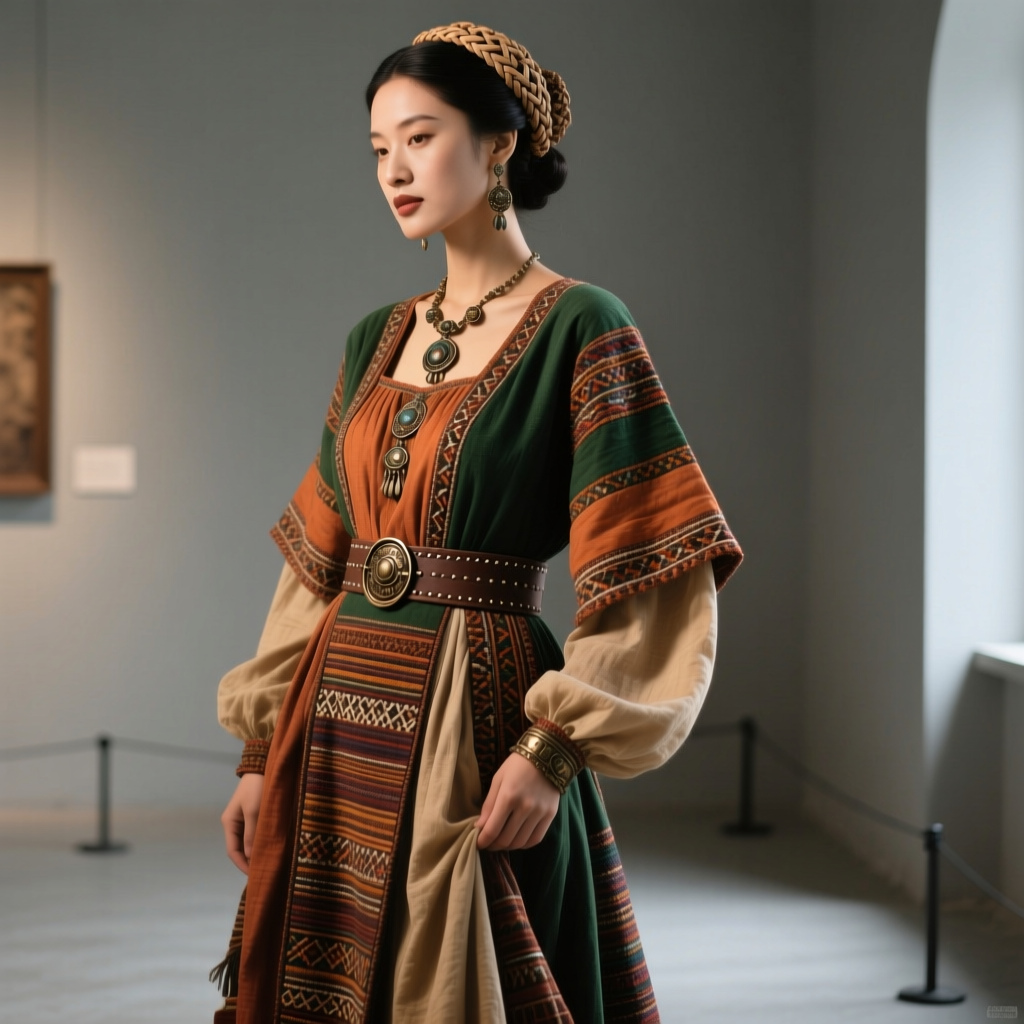
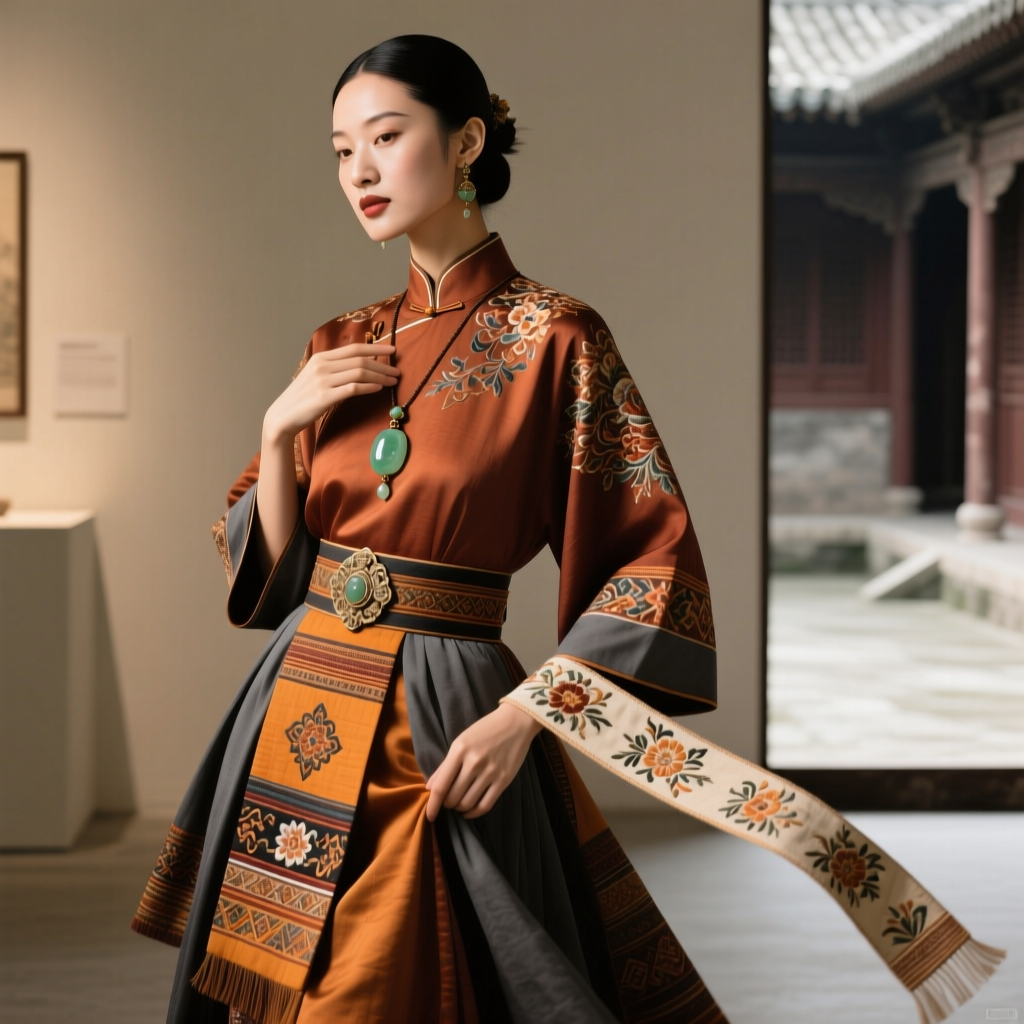
There is a profound magic in wearing garments that carry the weight of history, the touch of artisan hands, and the vibrant stories of cultural heritage. Whether you are seeking a meticulously embroidered South Asian lehenga, a beautifully woven West African boubou, a graceful East Asian hanbok, or a vivid Latin American huipil, traditional clothing offers a unique way to express your identity and honor global craftsmanship. However, finding authentic, high-quality cultural attire can be a challenge in an era dominated by mass-produced fast fashion. This is why so many fashion enthusiasts and heritage lovers find themselves typing 'best traditional dress for women shop near me' into their search engines, hoping to uncover local boutiques that offer genuine, ethically sourced, and beautifully crafted ethnic wear.
Shopping locally for traditional garments is about more than just acquiring a beautiful piece of clothing; it is about connecting with the community, supporting skilled artisans, and ensuring that ancient textile techniques continue to thrive. In this comprehensive styling and buying guide, we will explore how to identify the finest local traditional dress shops, how to style your cultural garments for the modern world, and how to care for these treasured pieces so they last for generations.
Decoding the Search: What Makes a Great Local Traditional Boutique?
When you begin your search for a local traditional clothing boutique, it is essential to look past the storefront and examine the origins of the garments inside. The best traditional dress shops act as curators of cultural heritage, bridging the gap between rural artisans and urban wardrobes. A high-quality boutique will be transparent about where their textiles come from, often highlighting the specific regions, weaving cooperatives, or embroidery collectives that produced the fabrics.
Authenticity is the cornerstone of a great ethnic wear shop. Look for retailers that educate their customers about the textiles they sell. For instance, a reputable shop specializing in South Asian attire will be able to explain the differences between Banarasi silk, Chanderi cotton, and Kanjeevaram weaves, much like the detailed histories found in our silk weaving traditions archive. Similarly, a boutique focusing on African textiles should be able to distinguish between authentic wax prints, hand-dyed indigo cloth, and woven kente. If the shop owners or staff are passionate about the history and technique behind the garments, you are likely in the right place.
Furthermore, the best local shops often carry exclusive, limited-run pieces rather than endless racks of identical, factory-made garments. They prioritize natural fibers like silk, cotton, linen, and wool, which not only feel luxurious against the skin but also age beautifully over time. By choosing to shop at these specialized local boutiques, you are actively participating in the preservation of global textile arts.
Styling Traditional Garments for Modern Wardrobes
One of the most common hesitations when purchasing traditional attire is figuring out how to integrate it into a contemporary lifestyle. The key to styling cultural garments for everyday or modern wear lies in the art of balance and contrast. You do not always have to wear a full, head-to-toe traditional ensemble to make a statement; often, the most striking looks come from thoughtful fusion.
Consider the rule of proportions. If you are wearing a heavily embroidered, voluminous traditional skirt—such as a Moroccan caftan skirt or a heavily pleated saree petticoat—pair it with a simple, structured, and minimalist modern top. A crisp white button-down shirt or a fitted turtleneck can ground the ornate nature of the traditional piece, allowing the craftsmanship to take center stage without overwhelming your silhouette. Conversely, if you are wearing a richly patterned traditional tunic or kurta, pair it with tailored, wide-leg trousers or dark-wash denim for a chic, cosmopolitan look.
Layering is another powerful tool in the modern stylist's arsenal. A beautifully embroidered ethnic jacket or a traditional silk kimono can be thrown over a modern slip dress or a simple t-shirt and jeans combination to instantly elevate the outfit. This approach not only makes your traditional purchases more versatile but also creates a unique, personalized aesthetic that blends heritage with modernity. For more inspiration on mixing cultural pieces with contemporary fashion, explore our guide to fusion ethnic wear styling.
The Art of Accessorizing Cultural Attire
Accessories can either elevate a traditional outfit to its full ceremonial glory or adapt it for a casual, modern outing. When accessorizing traditional dresses, it is crucial to consider the visual weight of the garment itself. If your dress features intricate embroidery, heavy beadwork, or bold, clashing patterns, opt for minimalist, understated jewelry. Delicate gold chains, simple stud earrings, or sleek metallic cuffs will complement the garment without competing for attention.
On the other hand, if your traditional dress is made of a solid, richly dyed fabric or features a more subdued print, this is the perfect opportunity to introduce statement accessories. Chunky oxidized silver jewelry, vibrant beaded necklaces, or elaborate traditional headpieces can add depth and character to your look. Footwear also plays a vital role; while traditional embroidered slippers or handcrafted leather sandals are perfect for cultural events, pairing a traditional dress with modern ankle boots or sleek block heels can instantly modernize the silhouette for a dinner date or an evening out.
Do not forget the power of the handbag. While a traditional clutch or a potli bag is essential for weddings and festivals, a structured, contemporary leather handbag can beautifully juxtapose the flowing lines of a traditional dress, creating a look that is both globally minded and fashion-forward. To understand the intricate details that often adorn these garments and accessories, delve into our global embroidery techniques guide.
Dressing for the Occasion: From Casual to Ceremonial
Traditional clothing spans a vast spectrum of formality, and knowing how to select the right garment for the right occasion is a vital styling skill. For casual, daytime outings, focus on breathable, lightweight fabrics like handloom cotton, linen, and raw silk. Garments such as a simple block-printed salwar kameez, a relaxed African dashiki dress, or a lightweight embroidered peasant blouse are perfect for brunches, market visits, or casual gatherings. These pieces offer comfort while still showcasing beautiful artisanal techniques.
For festive occasions, cultural holidays, and evening celebrations, you can embrace richer fabrics and more elaborate designs. Silks, velvets, and brocades come alive in the evening light, especially when adorned with metallic threads, sequins, or intricate beadwork. This is the time to wear your full traditional ensembles, complete with matching dupattas, sashes, or ceremonial shawls. The drape and fall of heavier fabrics lend a regal, dignified air that is perfectly suited for celebrations.
When attending formal events or weddings, the focus shifts to heirloom-quality pieces. These are the garments that often require custom tailoring and meticulous draping. Understanding the foundational mechanics of your garment is crucial here; for example, mastering the folds of a saree or the precise tying of a hanbok's goreum (ribbon) ensures that you look polished and feel secure throughout the event. For a deeper dive into the mechanics of draping, visit our comprehensive saree draping guide.
Modern Adaptations: Blending Heritage with Contemporary Fashion
The evolution of traditional dress is a testament to the living, breathing nature of culture. Modern designers and local boutiques are increasingly offering contemporary adaptations of classic garments, making them more accessible and practical for daily wear. These adaptations might include pre-draped sarees that zip up like skirts, traditional tunics tailored into modern shift dresses, or cultural motifs printed on contemporary blazer silhouettes.
Seeking out local shops that specialize in these modern adaptations is a fantastic way to build a wardrobe that honors your heritage while fitting seamlessly into a modern professional or social environment. A traditional textile fashioned into a modern wrap dress or a tailored jumpsuit allows you to carry your cultural identity into the boardroom or a cocktail party with elegance and confidence. These fusion pieces are also excellent entry points for those who are just beginning to explore traditional attire and want to start with familiar, contemporary silhouettes.
The Ultimate Buying Guide for Local Ethnic Wear
When you finally locate the perfect traditional dress shop near you, knowing how to evaluate the quality of the garments will ensure that your investment is worthwhile. The first step is to examine the fabric. Authentic traditional garments are predominantly made from natural fibers. Rub the fabric between your fingers; real silk will feel warm and slightly textured, while synthetic imitations will feel cool and overly slippery. Our handloom fabrics care guide offers excellent tips on identifying and maintaining natural textiles.
Next, inspect the craftsmanship. Look closely at the seams, the hem, and the lining. High-quality traditional wear will feature clean, finished seams and high-quality linings that protect the outer fabric and provide structure. If the garment features embroidery, check the reverse side; a skilled artisan will keep the back of the embroidery almost as neat as the front, with minimal loose threads or chaotic knotting.
Finally, consider the fit and the potential for alterations. Traditional garments are often designed with specific cultural silhouettes in mind, which may not perfectly align with modern, off-the-rack sizing. A great local boutique will either offer in-house tailoring or partner with a local tailor who understands the specific construction of cultural garments. Do not be afraid to have a traditional piece tailored to your exact measurements; a well-fitted garment, regardless of its cultural origin, will always look more elegant and feel more comfortable.
Frequently Asked Questions
How do I verify the authenticity of a traditional dress shop near me?
To verify a shop's authenticity, engage the staff in conversation about the origins of their textiles. Genuine boutiques will proudly share information about the artisans, the specific weaving or dyeing techniques used, and the region of origin. Look for shops that avoid mass-produced, synthetic fabrics and instead focus on handcrafted, natural-fiber garments. Reading local reviews and seeking recommendations from cultural community centers can also help you identify trusted, reputable retailers.
Can I wear traditional cultural attire if I am not from that culture?
Wearing traditional attire from a culture other than your own can be a beautiful way to celebrate and appreciate global diversity, provided it is done with deep respect and understanding. The key is to avoid treating sacred or highly specific ceremonial garments as mere costumes. Purchase from authentic, culturally-owned businesses rather than fast-fashion brands that appropriate designs without credit. When in doubt, research the cultural significance of the garment or ask the boutique owner for guidance on appropriate contexts for wearing the piece.
What is the best way to care for heavily embroidered traditional garments?
Heavily embroidered garments require delicate, specialized care to preserve both the fabric and the intricate threadwork. Avoid machine washing, as the agitation can snag threads and ruin beads or sequins. Instead, opt for professional dry cleaning, specifically seeking out cleaners who have experience with delicate ethnic and bridal wear. When storing these pieces, wrap them in breathable muslin or cotton cloth to protect them from dust and moisture, and avoid hanging heavy garments for long periods, as the weight of the embroidery can stretch and distort the fabric.
How far in advance should I visit a local boutique for custom traditional wear?
If you are looking for custom-tailored traditional wear, especially for major events like weddings or cultural festivals, it is highly recommended to visit a local boutique at least two to three months in advance. Authentic traditional garments often involve made-to-order fabrics, intricate hand-embroidery, and multiple fitting sessions. Allowing ample time ensures that the artisans can complete their work without rushing, and gives you enough buffer for any necessary final alterations.
Are local traditional dress shops more expensive than online retailers?
While the upfront cost at a reputable local boutique may be higher than that of an online fast-fashion retailer, the value you receive is vastly superior. Local shops offer authentic, high-quality materials, ethical labor practices, and the ability to try on and tailor the garment to your exact body shape. Furthermore, you are investing in a durable, heirloom-quality piece rather than a disposable garment. The personalized customer service, expert styling advice, and assurance of authenticity make the investment in a local traditional dress shop entirely worthwhile.