Samoa's Siapo: Artistry in Bark Cloth
Siapo: Samoan Artistry in Bark
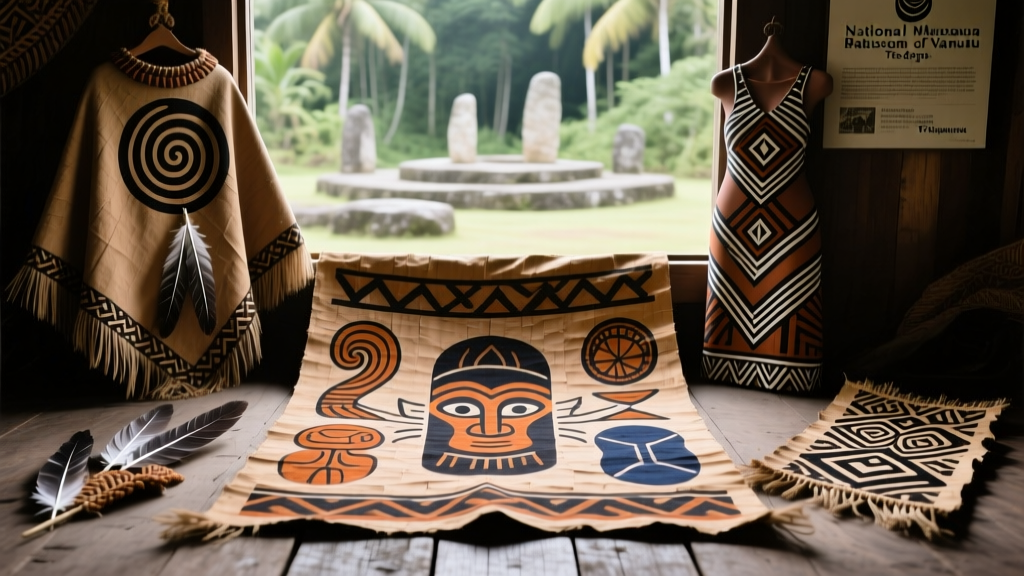
Samoa's siapo tradition represents one of the Pacific's most refined bark cloth arts. The intricate designs, applied through carved pattern boards and natural pigments, transform humble tree bark into sophisticated visual compositions.
From Tree to Cloth
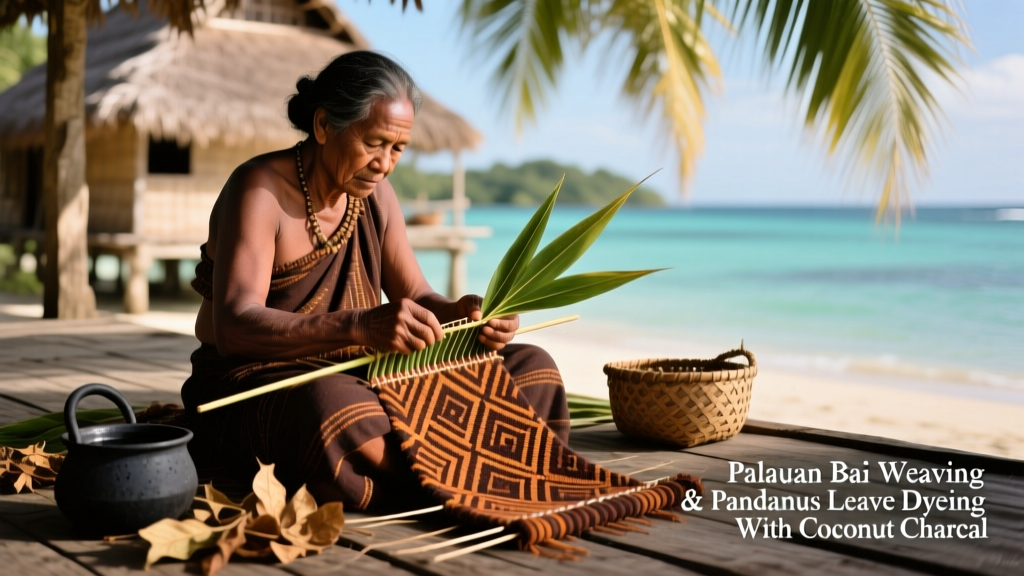
The u'a tree (paper mulberry) is cultivated in family plantations. When stems reach maturity (18-24 months), women harvest and process them. Stripped bark is soaked overnight, then beaten on flat stones with hardwood beaters until it becomes thin, flexible sheets.
The 'Upetete Design Board
Siapo's distinctive patterns come from 'upetete — relief-carved design boards made from coconut midrib and sennit. Rubbing the bark cloth over these boards transfers raised patterns, which are then painted with natural dyes.
Natural Color Palette
Traditional siapo uses four colors: brown from o'a tree sap, red-brown from ago (turmeric), black from candlenut soot, and white (the natural bark). These earth tones create a warm, harmonious palette unique to Samoan textile art.