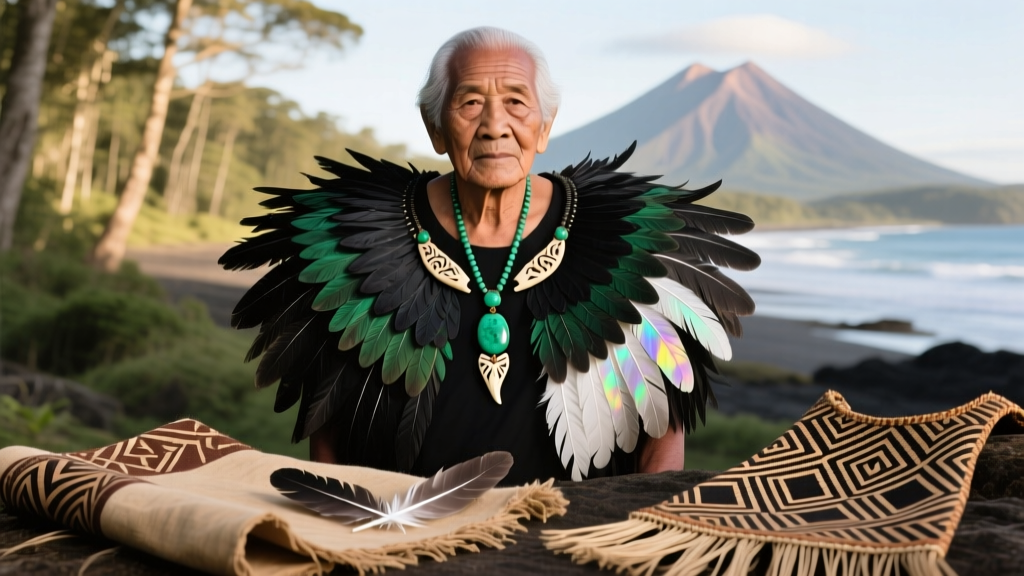
Hawaiian Kapa Cloth: Art and Tradition
Aaron Whyte·Published

Bark Cloth Beauty
Kapa (also known as tapa in other Pacific cultures) is a cloth made from the inner bark of the wauke (paper mulberry) tree. Hawaiian kapa makers developed some of the most refined techniques in the Pacific.
The Process
Making kapa involves stripping the bark, soaking it, and beating it with wooden beaters (hohoa) on stone anvils. The result is a soft, flexible cloth that can be decorated with natural dyes.
Watermark Patterns
Unique to Hawaiian kapa are watermark patterns created during the beating process. These geometric designs—lines, triangles, and zigzags—are pressed into the cloth itself.
Cultural Significance
Kapa was used for clothing, bedding, and ceremonial purposes. Different patterns indicated social rank and were associated with specific families or chiefs.