Hawaiian Kapa: The Art of Bark Cloth Making

Kapa: Hawaii's Ancient Textile Art
Kapa (also known as tapa across the Pacific) is bark cloth made from the inner bark of the wauke (paper mulberry) tree. In pre-contact Hawaii, kapa was the primary fabric for all clothing, bedding, and ceremonial use.
The Making Process
Creating kapa is a multi-stage process requiring specialized knowledge:
- Cultivating wauke trees for 1-2 years
- Harvesting and stripping the inner bark
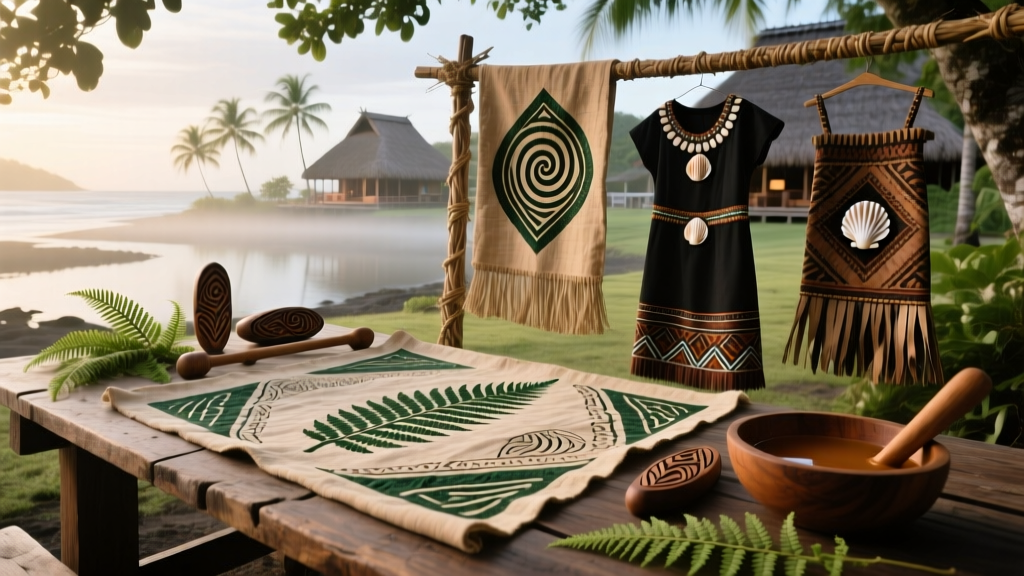
- Soaking and beating with carved wooden i'e kuku beaters
- Felting layers together through moisture and pounding
- Applying natural dyes and watermark patterns
Distinctive Hawaiian Features
Hawaiian kapa is distinguished by its watermark patterns (created during beating), fine texture (among the finest in Polynesia), and the use of 'ohe kapala bamboo stamps for surface decoration.
Cultural Significance
In Hawaiian cosmology, kapa-making was associated with female deities. The art form declined after Western contact introduced cotton textiles, but a cultural revival since the 1970s has restored kapa practice as a living art form.
Revival and Preservation
Master practitioners like Marie McDonald and Roen Hufford have dedicated decades to recovering lost kapa techniques, ensuring this ancient Hawaiian art continues into the future.