Uzbek Ikat and Chapan: Silk Road Weaving Art

The Living Legacy of Uzbek Ikat
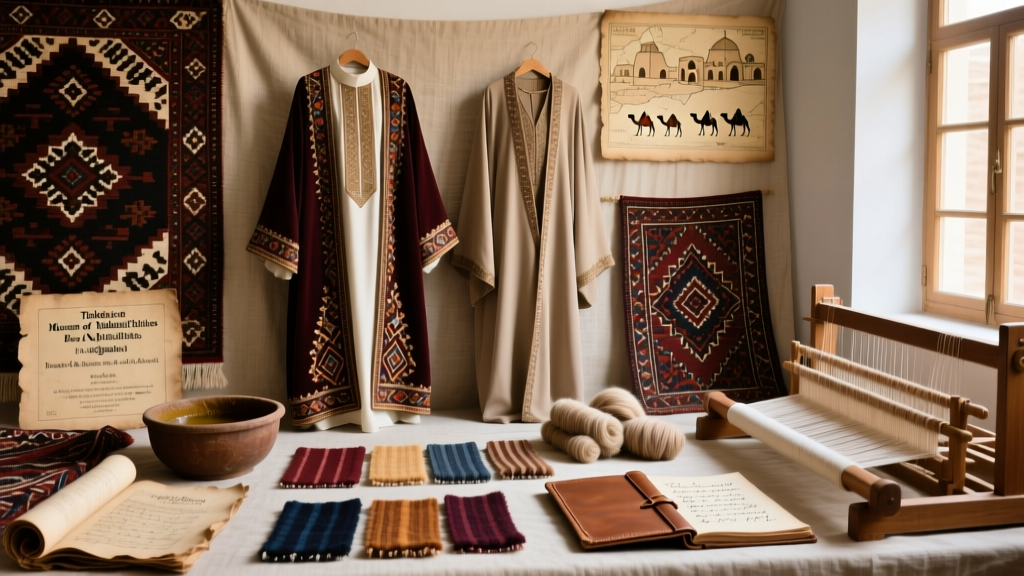
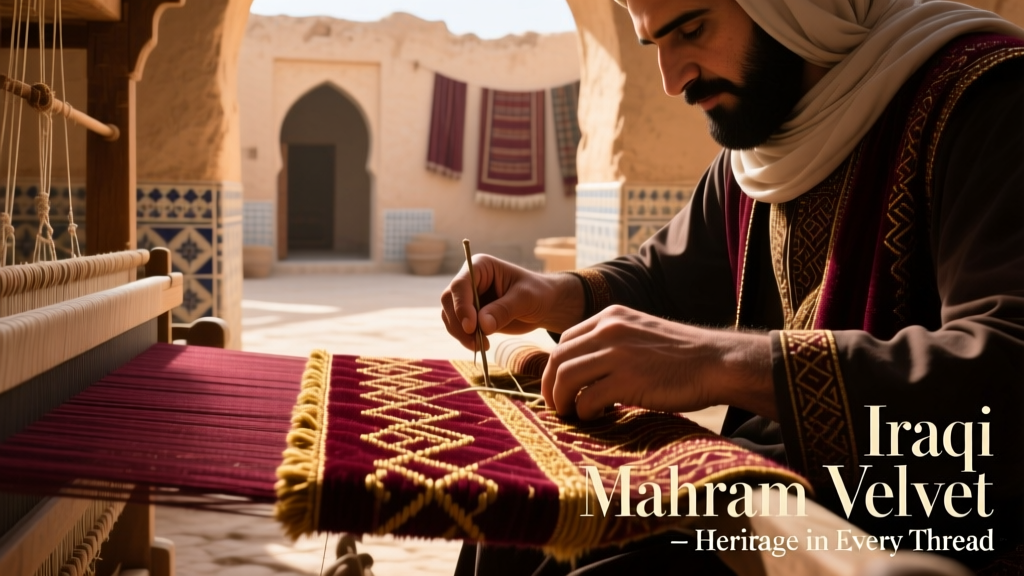
Uzbek ikat, known locally as adras and khan atlas, represents one of Central Asia's most celebrated textile traditions. The vibrant, cloud-like patterns created through resist-dyeing silk and cotton warp threads have adorned Central Asian garments for centuries.
Chapan: The Quilted Coat
The chapan is a long, quilted robe traditionally worn across Uzbekistan and neighboring regions. These coats feature intricate ikat fabrics on the exterior, with cotton padding providing warmth during harsh Central Asian winters. A well-crafted chapan can take weeks to produce, from dyeing the threads to the final quilting.
Dyeing Techniques
- Natural dyes from pomegranate, walnut, and indigo
- Warp threads bound with wax-coated cotton before dyeing
- Multiple dye baths create layered color effects
- Master dyers (ustoz) pass knowledge through apprenticeship
Modern Revival
Contemporary Uzbek designers are reimagining ikat patterns for global fashion markets. The city of Margilan remains the epicenter of traditional ikat production, where family workshops continue practices dating back to the Silk Road era.