Turkmen Don Coat: Silk Road Fashion Legacy

The Turkmen Don: A Coat of Many Cultures
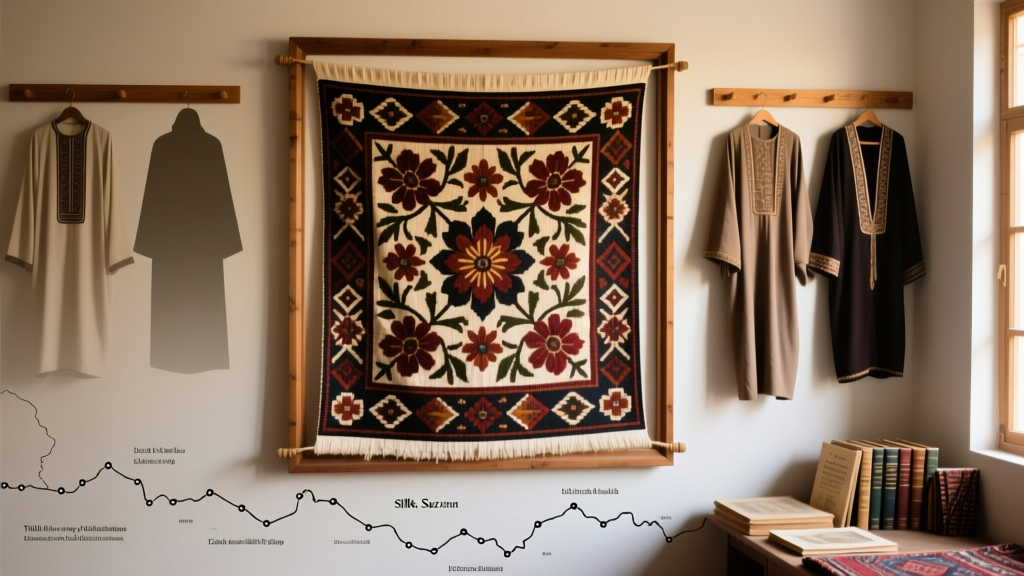
The don (also spelled chapan or chakman) is the iconic outer garment of Turkmen culture — a long, quilted coat worn by both men and women across Turkmenistan and neighboring Central Asian nations. Its origins trace back to the Silk Road era, when Turkmen weavers blended Persian, Chinese, and nomadic steppe influences into a uniquely expressive textile tradition.
Construction and Materials
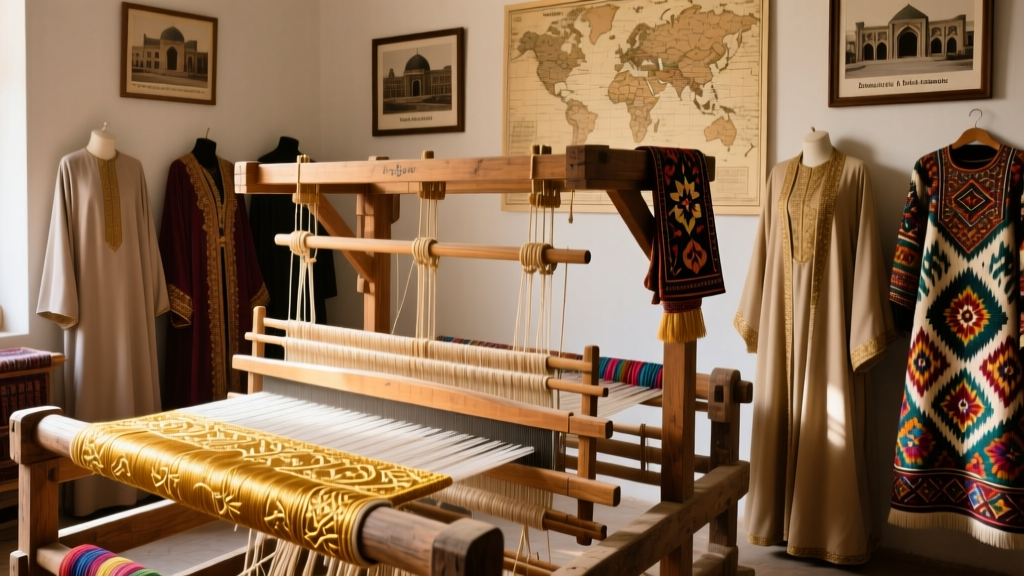
- Outer fabric: Traditionally hand-woven silk ikats (known locally as abrbandi, meaning "cloud-tying") or wool broadcloth in deep reds, indigos, and ochres.
- Lining: Cotton or lightweight wool, often in contrasting colors that peek through at the cuffs and collar.
- Quilting: Diamond-pattern qavish stitching provides warmth without bulk, essential for the harsh Karakum Desert winters.
Tribal Distinctions
Each Turkmen tribe has distinct don styles. The Teke tribe favors bold red backgrounds with black geometric trim. The Yomut prefer navy and cream with hook-shaped motifs. The Ersari are known for oversized diamond patterns in earth tones. These visual codes allow Turkmen people to identify tribal affiliation at a glance.
Wearing Traditions
Men wear the don open over a white shirt and loose trousers, belted with a woven sash. Women's versions are more fitted, often paired with elaborate silver jewelry including the distinctive gulyaka collar ornament. On special occasions, a second don may be draped over the shoulders as a ceremonial cloak.
Preservation Efforts
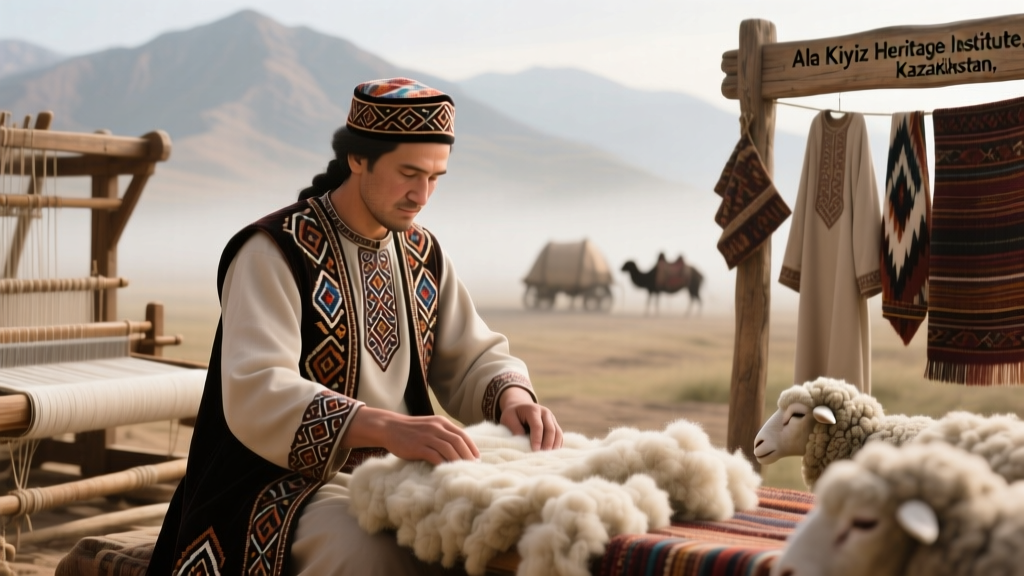
The Turkmen government has designated traditional textile crafts as national heritage. Ashgabat's National Carpet Museum houses historic don specimens dating to the 18th century, while artisan workshops in Mary province continue hand-weaving ikat silks using natural dyes derived from pomegranate, madder root, and indigo.