Tajik Atlas Silk: Ikat Weaving Traditions

Atlas Silk Defined
Atlas (meaning "satin" in Tajik) refers to the boldly patterned ikat silk fabrics produced in the Fergana Valley, shared between Tajikistan, Uzbekistan, and Kyrgyzstan. These fabrics are characterized by their vivid colors and feathered-edge geometric patterns.
Production Centers
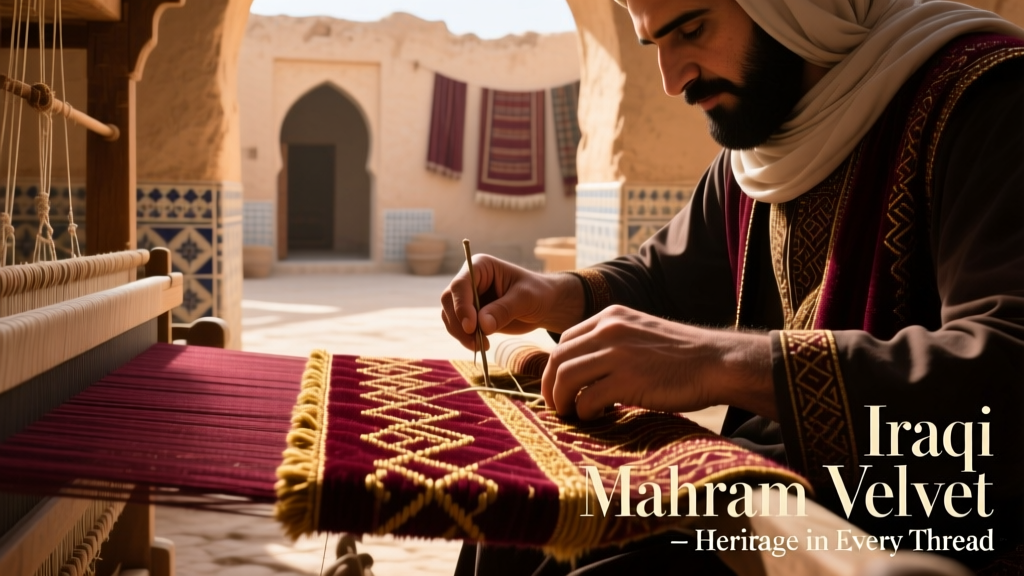
The cities of Khujand and Istaravshan in northern Tajikistan remain active centers of atlas weaving. Master weavers (ustod) oversee workshops where apprentices learn the complex processes of warp preparation, resist-dyeing, and weaving.
The Dyeing Sequence
- Raw silk threads are stretched on a frame
- Sections to remain undyed are tightly bound with plastic or cotton
- Threads are immersed in the lightest color first (usually yellow)
- New sections are bound, and threads are re-dyed in progressively darker colors
- Finished warps are mounted on the loom, where patterns emerge during weaving
Wearing Atlas
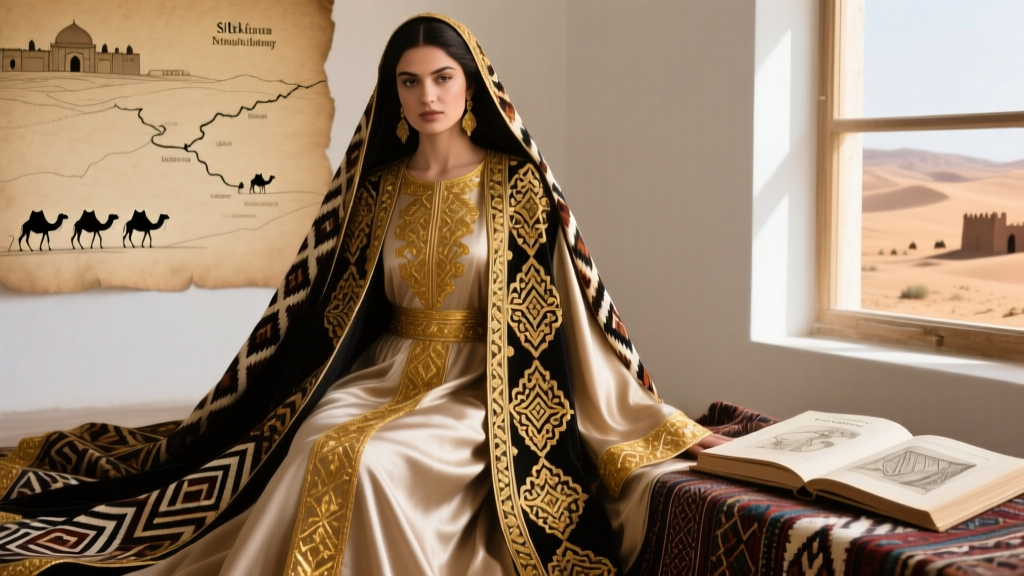
Tajik women wear atlas silk for celebrations—weddings, Navruz festivals, and family gatherings. A single dress may require 8 to 12 meters of fabric. Modern atlas also appears in jackets, headscarves, and home furnishings.
UNESCO Recognition
In recent years, efforts have grown to recognize Central Asian ikat weaving as intangible cultural heritage, supporting workshops that train new generations of weavers in natural dyeing techniques.