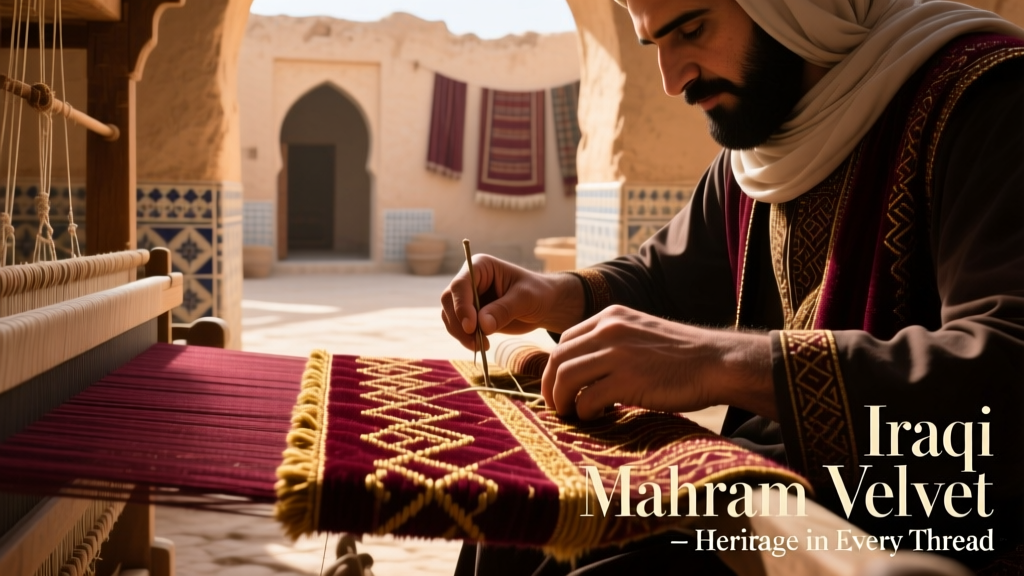
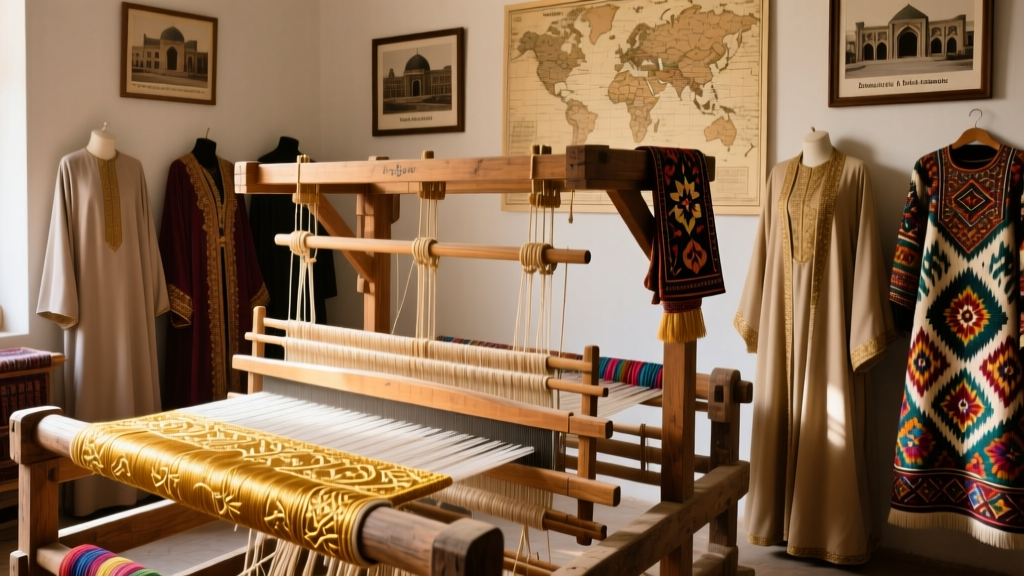
Pashto Embroidery: Khet Partug Dress Art

The Living Art of Pashto Embroidery
Pashto embroidery, known locally as gul (flower), adorns the traditional khet partug — the loose shirt and trouser combination worn across Afghanistan, Pakistan, and diaspora communities. This centuries-old craft transforms plain fabric into wearable art through intricate geometric and floral stitchwork.
Key Stitching Techniques
- Kandahari Guldoozi: The most prestigious style, featuring mirror work (sheesha) surrounded by dense satin stitch in silk threads. Originating from Kandahar, this technique creates dazzling light-reflective patterns.
- Peshawari Chappal Stitch: Cross-stitch patterns used on leather footwear, featuring bold red, green, and gold geometric motifs that denote tribal affiliation.
- Hazara Suzandozi: Fine chain stitch creating flowing vine and paisley patterns, typically in muted earth tones on dark backgrounds.
Cultural Significance
Each embroidery pattern carries meaning. The badam (almond) motif symbolizes fertility and prosperity. The eight-pointed star represents protection. Brides traditionally wear heavily embroidered khet partug in red and gold, with the bride's family spending months preparing the trousseau garments.
Modern Revival
Contemporary Pashto designers are adapting traditional guldoozi for global fashion markets. Kabul-based brand Zarif Designs has gained international recognition for fusing Kandahari embroidery with modern silhouettes, while artisan cooperatives in Peshawar train young women in heritage stitching techniques.
How to Identify Authentic Pashto Embroidery
Genuine hand-embroidered pieces show slight irregularities in stitch length and thread tension. Machine-made imitations have perfectly uniform stitches. Authentic pieces also use silk or cotton thread rather than synthetic polyester, and the reverse side of the fabric shows clean, organized thread paths rather than tangled knots.