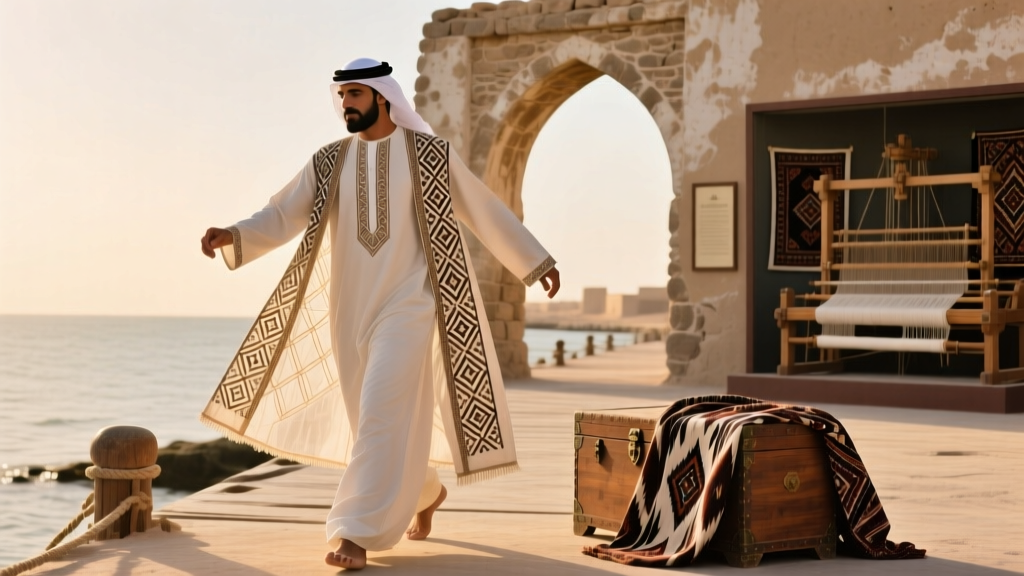
Persian Termeh Weaving: A Cultural Guide

Origins of Termeh Weaving
Termeh is one of Iran's most celebrated textile traditions, a handwoven fabric characterized by its dense pile and intricate paisley (boteh) motifs. Originating in the Safavid period (1501-1736), Termeh production reached its zenith in the workshops of Yazd and Isfahan.
Materials and Techniques
Traditional Termeh uses silk warp threads and wool or silk weft, creating a fabric with remarkable durability and a distinctive sheen.
The Boteh Motif
The paisley or boteh design is the most iconic element. In Persian tradition, the boteh represents the cypress tree, a symbol of eternity and resilience.
Regional Variations
Yazdi Termeh tends toward deeper colors with denser patterns. Isfahani Termeh features lighter palettes with more open designs.
Modern Preservation
Today, fewer than 50 active Termeh looms remain in Iran. The Iranian Cultural Heritage Organization has designated several master weavers as Living Human Treasures.