Persian Termeh: Iran's Luxury Silk Art

Termeh: Iran's Silk Treasure
Termeh is a luxurious Persian silk brocade, handwoven with intricate paisley (boteh) and floral patterns. For centuries, termeh was reserved for royal courts and aristocratic households, representing the pinnacle of Iranian textile artistry.
Historical Significance
Termeh production flourished during the Safavid dynasty (1501-1736), with Isfahan and Yazd as major centers. Shahs commissioned termeh for court robes, diplomatic gifts, and mosque furnishings. European travelers marveled at the fabric's extraordinary beauty and refinement.
Weaving Technique
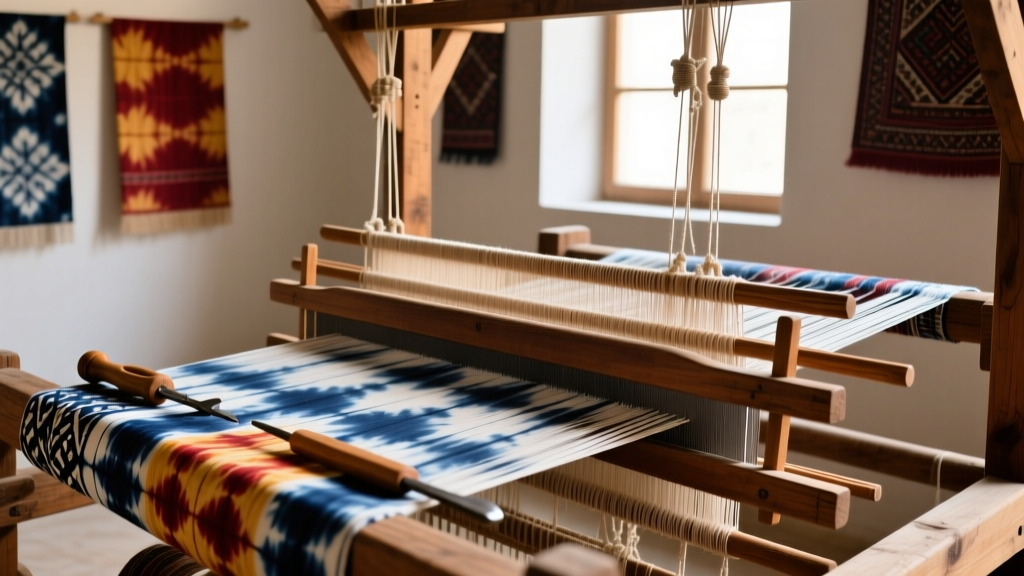
Traditional termeh is woven on a drawloom, requiring a weaver and an assistant (keshideh-kesh) who manages the pattern cords. Silk warp threads are combined with silk or metallic weft threads. The most complex termeh patterns require thousands of individual pattern cords.
The Boteh Motif
The paisley (boteh) — a curved teardrop shape — is termeh's signature motif. Its origins are debated: some see a cypress tree bent by wind (humility before God), others a flame (Zoroastrian heritage). The boteh appears in endless variations across termeh designs.
Contemporary Production
Yazd remains the center of termeh weaving, though most production now uses Jacquard looms. Artisan workshops preserve hand-drawloom techniques for collectors and cultural institutions.