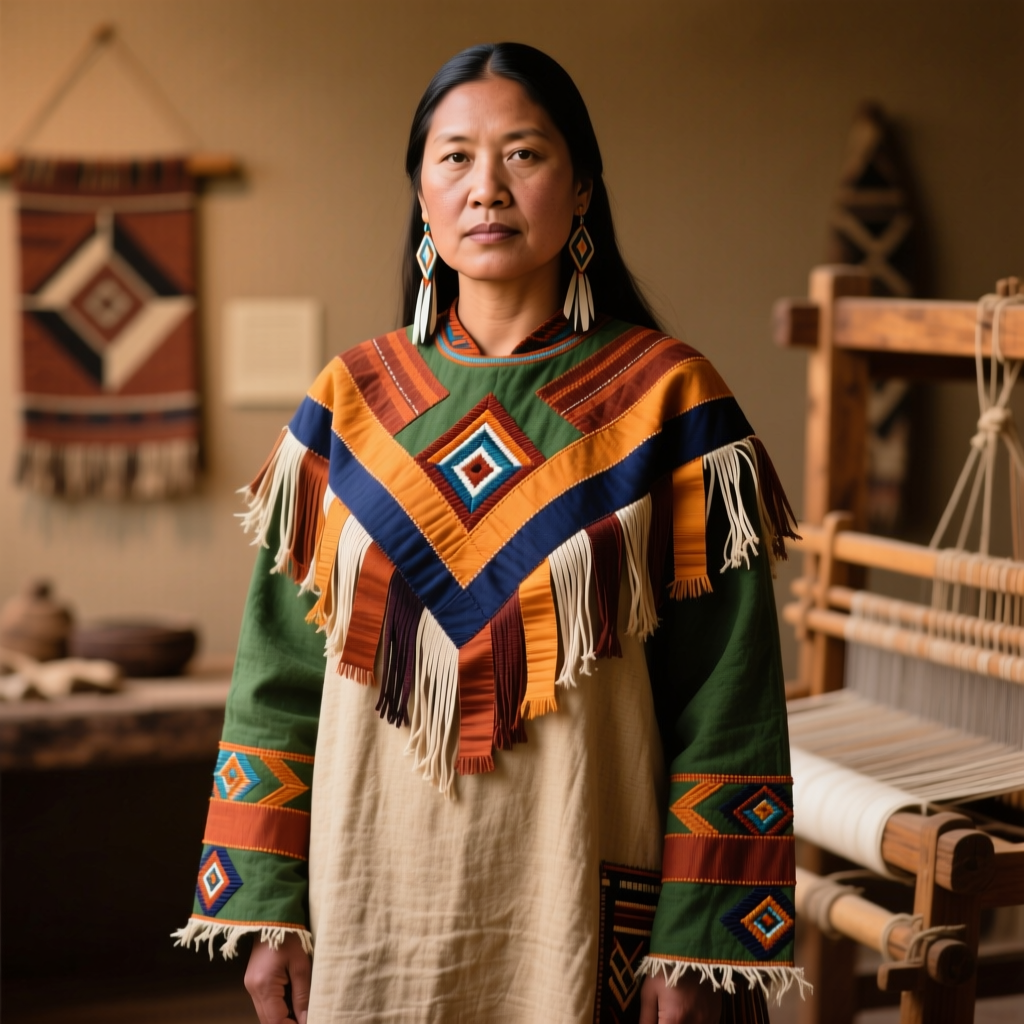
Sámi Gákti: The Living Heritage of Northern Europe's Indigenous Dress
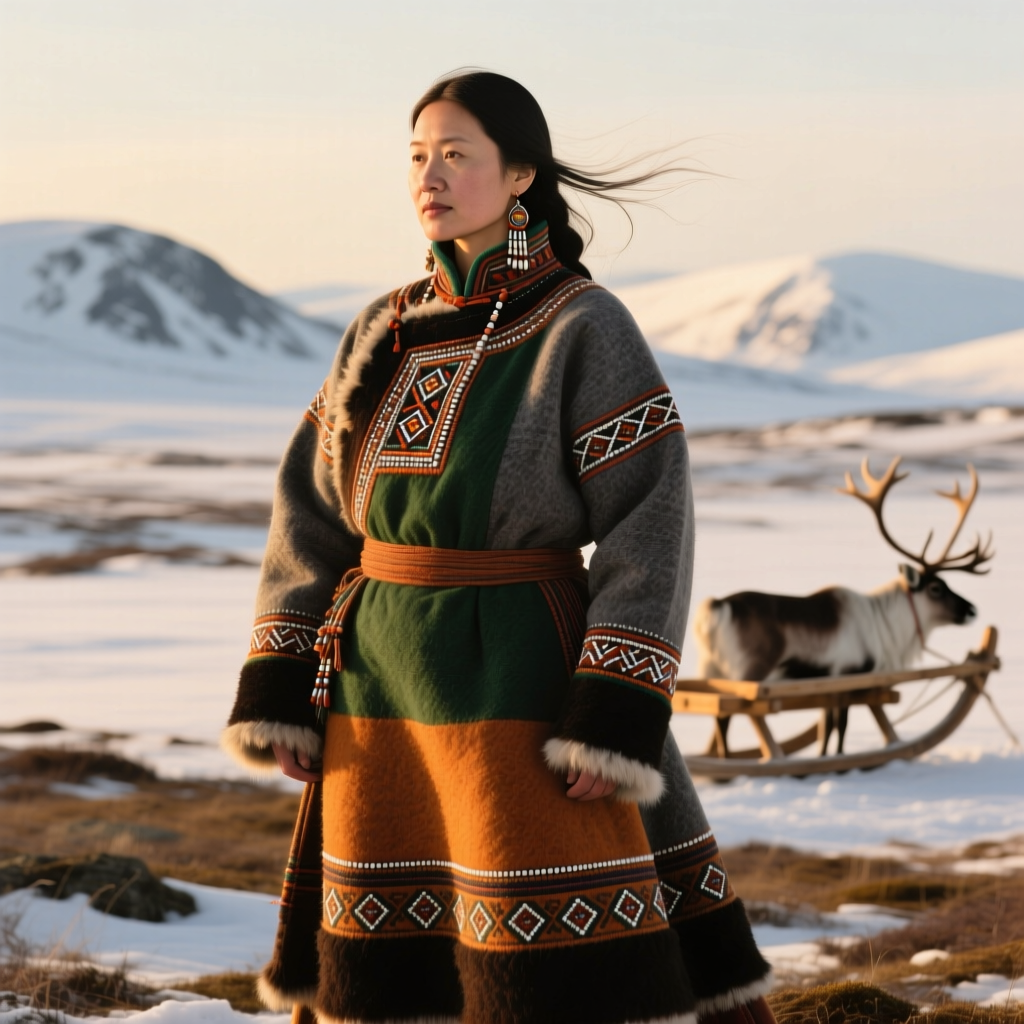
The vast Arctic landscapes of northern Scandinavia and the Kola Peninsula have long been home to the Sámi people, one of Europe's oldest indigenous cultures. Among the many traditions that have survived centuries of colonization, assimilation policies, and modernization, few carry as much weight — both literal and symbolic — as the gákti, the traditional Sámi dress. More than a mere garment, the gákti is a living document of identity, a marker of community belonging, and a masterwork of Arctic craftsmanship that continues to evolve while honoring its deep ancestral roots.
To understand the gákti is to understand the Sámi people themselves: resilient, deeply connected to the land, and fiercely protective of a cultural heritage that stretches back thousands of years across the region known as Sápmi. This article explores the history, artistry, regional diversity, and ongoing preservation of the Sámi gákti, offering a comprehensive look at one of the world's most culturally significant traditional garments.
Historical Roots: The Gákti Across Centuries of Sámi Life
The origins of the gákti are intertwined with the nomadic and semi-nomadic lifestyle of the Sámi people, whose traditional territories span what is now northern Norway, Sweden, Finland, and parts of Russia's Kola Peninsula. Archaeological evidence suggests that the Sámi have inhabited these Arctic and sub-Arctic regions for at least 10,000 years, and their clothing traditions have evolved in direct response to the demands of one of the harshest climates on Earth.
The earliest forms of Sámi dress were constructed from reindeer hides and animal furs, designed to provide insulation against temperatures that could plunge far below freezing for months at a time. These garments were practical above all else — tailored for mobility during long migrations with reindeer herds, for fishing along frozen rivers, and for gathering resources across the tundra. Over centuries, as trade networks expanded and new materials became available, the gákti began to incorporate woven fabrics, particularly wool, which offered both warmth and a canvas for decorative expression.
The introduction of trade goods from southern Scandinavia, Russia, and even further afield brought new elements into Sámi material culture. Silver ornaments, pewter thread, colorful woven bands, and dyed fabrics gradually became integrated into gákti design. These additions were not merely aesthetic; they served as markers of wealth, social status, and trade relationships. A gákti adorned with intricate silver buttons or elaborate pewter-thread embroidery signaled not only the wearer's personal standing but also the prosperity and connections of their family and community.
During the centuries of intense colonization and missionary activity — particularly from the 17th century onward — the Sámi faced enormous pressure to abandon their traditional ways of life, including their dress. Church authorities and state governments across Norway, Sweden, and Finland actively discouraged or outright banned the wearing of traditional Sámi clothing, viewing it as a symbol of cultural resistance. Many Sámi were forced to adopt the clothing styles of the dominant cultures, and the gákti retreated from everyday use in many communities.
Yet the gákti never disappeared entirely. In more remote communities, particularly among reindeer-herding families who continued to live close to the land, the tradition persisted. Elders passed down sewing techniques, pattern knowledge, and the cultural meanings embedded in every stitch and color choice. This quiet persistence laid the groundwork for the cultural revitalization movements that would later bring the gákti back into prominence as a powerful symbol of Sámi identity and pride.
Cultural Significance: Reading the Language of the Gákti
Every element of a gákti carries meaning. To a knowledgeable observer, the garment communicates a wealth of information about its wearer: their geographic origin, family affiliations, marital status, and even their role within the community. The gákti functions as a kind of visual language, a system of symbols and conventions that has been refined over generations.
Color as Identity
The dominant colors of a gákti are among its most immediately recognizable features, and they vary significantly by region. In some areas, deep blue is the primary color, while in others, red, green, or even white may dominate. These color choices are not arbitrary — they are tied to specific Sámi communities and serve as geographic identifiers. A person wearing a gákti from Kautokeino in northern Norway, for example, can be distinguished from someone wearing one from Jokkmokk in Sweden or Utsjoki in Finland by the color palette alone.
Within each regional tradition, additional colors appear as accents — in woven bands, embroidered borders, and decorative trims. The interplay of these colors follows established conventions that have been passed down through generations, though individual artisans may introduce subtle variations that reflect personal creativity within the bounds of tradition.
Marital Status and Social Markers
One of the most widely recognized functions of the gákti is its ability to communicate marital status. In many Sámi communities, the shape and decoration of the headwear, the type of belt worn, and the presence or absence of certain accessories can indicate whether the wearer is single, married, or widowed. For example, in some traditions, unmarried women may wear a particular style of headband, while married women adopt a different head covering altogether.
These social markers extend beyond marital status. The richness of the silver ornaments, the complexity of the embroidery, and the quality of the materials can all convey information about a family's economic standing and social position within the community. A gákti worn for special occasions — weddings, baptisms, or community celebrations — is typically far more elaborate than one worn for daily work, and the distinction between everyday and ceremonial gákti is carefully maintained.
Spiritual and Ceremonial Dimensions
The gákti also holds spiritual significance within Sámi culture. In traditional Sámi belief systems, clothing was understood to have protective properties, and certain garments or decorative elements were thought to ward off harm or bring good fortune. While the influence of Christianity has altered some of these associations, the gákti continues to be worn during important life events and ceremonies, connecting the wearer to ancestors and to the spiritual dimensions of Sámi life.
During Sámi National Day celebrations, weddings, confirmations, and other significant gatherings, the gákti takes center stage. It is worn with pride and reverence, a tangible link between past and present that affirms the continuity of Sámi culture in the modern world. For many Sámi, wearing the gákti is an act of cultural reclamation — a deliberate choice to honor their heritage in the face of historical suppression.
Craftsmanship and Materials: The Art of Making a Gákti
Creating a gákti is a labor-intensive process that requires a diverse set of skills, from textile work and leathercraft to metalworking and decorative arts. Traditionally, the knowledge required to make a gákti was passed from mother to daughter, from grandmother to granddaughter, through years of hands-on instruction and observation. Today, while some elements of production have been modernized, the core techniques remain deeply rooted in tradition.
Fabrics and Foundation
The body of a traditional gákti is typically made from wool fabric, chosen for its warmth, durability, and ability to hold shape. The wool is often a sturdy, tightly woven broadcloth that can withstand the rigors of Arctic life. In some regions, particularly for summer gákti or lighter ceremonial versions, cotton or linen may be used. The fabric is cut according to patterns that have been refined over generations, with careful attention to fit and ease of movement.
The cut of a gákti varies by region, but most share certain structural features: a fitted bodice, a flared skirt (for women's gákti) or a tunic-style upper garment (for men's), and long sleeves. The garment is typically pulled over the head rather than buttoned up the front, though variations exist. The collar, cuffs, and hem are often decorated with applied bands of contrasting fabric or woven trim, creating the distinctive banded appearance that is characteristic of many gákti styles.
Decorative Bands and Woven Trims
Among the most striking features of the gákti are the decorative bands that adorn the collar, cuffs, hem, and sometimes the chest and back. These bands are traditionally woven on small looms or created using tablet weaving, a technique in which small cards with holes are used to create intricate patterned bands. The patterns woven into these bands are often geometric — diamonds, zigzags, crosses, and stylized natural forms — and they follow regional traditions that dictate which patterns are appropriate for which communities.
The art of band weaving is one of the most specialized skills in gákti-making. A skilled weaver can produce bands of extraordinary complexity and beauty, and the quality of a gákti's woven trims is often seen as a reflection of the maker's expertise. In recent decades, there has been a concerted effort to document and preserve traditional band-weaving patterns, as some designs were at risk of being lost as older generations of artisans passed away.
Pewter Thread Embroidery and Silverwork
Pewter thread embroidery, known as tinntrådssöm in Swedish, is one of the most distinctive decorative techniques associated with Sámi craftsmanship. Fine pewter wire is twisted and couched onto leather or fabric to create elaborate, shimmering patterns. This technique is particularly prominent on belts, pouches, and knife sheaths, but it also appears on the gákti itself, especially around the collar and chest area.
Silver ornaments are another hallmark of the Sámi gákti, particularly for women's ceremonial dress. Large, ornate silver brooches are used to fasten the collar, and silver buttons, chains, and pendants may be sewn onto the garment or worn as accessories. These silver pieces are often heirlooms, passed down through families for generations, and they carry immense sentimental and cultural value. The tradition of Sámi silversmithing is itself a rich area of cultural heritage, with distinct regional styles and motifs.
Leatherwork and Accessories
A complete gákti ensemble includes a range of accessories that are themselves works of craftsmanship. The belt, often made of leather and decorated with pewter thread embroidery or metal studs, is both functional and decorative, cinching the gákti at the waist and providing a place to hang essential tools. Traditional Sámi knives, with their beautifully crafted sheaths, are often suspended from the belt, as are small pouches for carrying personal items.
Footwear is another important component. Traditional Sámi shoes, known as nutukas or gállohat, are made from reindeer skin and stuffed with dried sedge grass for insulation. These shoes are remarkably warm and well-suited to Arctic conditions, and they are often decorated with woven bands or colored stitching that complement the gákti.
Regional Variations: A Tapestry of Local Traditions
One of the most remarkable aspects of the gákti tradition is its extraordinary regional diversity. Across Sápmi, dozens of distinct gákti styles have developed, each reflecting the history, environment, and cultural identity of a particular community. This diversity is a testament to the adaptability and creativity of Sámi artisans, who have shaped their clothing traditions in response to local conditions, available materials, and cultural exchange.
Norwegian Sápmi: Kautokeino, Karasjok, and the Northern Coast
In the Norwegian part of Sápmi, some of the most well-known gákti traditions come from the inland communities of Kautokeino (Guovdageaidnu) and Karasjok (Kárášjohka). The Kautokeino gákti is renowned for its rich blue color and elaborate silver ornamentation, with large, intricately designed brooches and chains that cascade across the chest. The Karasjok gákti, by contrast, often features more red in its color palette and distinctive band patterns that set it apart from its neighbor.
Along the Norwegian coast, particularly in areas like Varanger and the Sea Sámi communities, gákti traditions reflect the influence of maritime life and contact with Norwegian coastal culture. Sea Sámi gákti styles have historically been less well-documented than those of the inland reindeer-herding communities, but recent revitalization efforts have brought renewed attention to these coastal traditions.
Swedish Sápmi: Jokkmokk, Gällivare, and Beyond
In Swedish Sápmi, the gákti traditions of Jokkmokk (Jåhkåmåhkke) are among the most celebrated. The Jokkmokk gákti often features a distinctive combination of blue and red, with elaborate woven bands and pewter-thread decoration. The community's annual winter market, which has been held for centuries, has long served as a gathering point where gákti styles are displayed, exchanged, and admired.
Further north, in the Gällivare and Kiruna areas, gákti styles show influences from both Swedish and Finnish Sámi traditions, reflecting the fluid borders and interconnected communities of the region. These northern Swedish gákti often incorporate unique band patterns and color combinations that distinguish them from styles found elsewhere.
Finnish Sápmi: Utsjoki, Inari, and Enontekiö
The Sámi communities of northern Finland have their own distinct gákti traditions, with notable styles from Utsjoki (Ohcejohka), Inari (Anár), and Enontekiö (Eanodat). The Utsjoki gákti is known for its elegant simplicity and distinctive red-and-blue color scheme, while the Inari region's Skolt Sámi community maintains a gákti tradition that reflects its Eastern Orthodox heritage and historical ties to Russia. The Skolt Sámi gákti is visually quite different from other Sámi styles, featuring unique headwear and decorative elements that set it apart.
The Enontekiö gákti incorporates elements that reflect the community's position at the crossroads of Finnish, Swedish, and Norwegian Sápmi, resulting in a style that borrows from multiple traditions while maintaining its own distinctive character.
Eastern Sápmi: The Kola Peninsula
The Sámi communities of Russia's Kola Peninsula — including the Skolt, Kildin, and Ter Sámi — have gákti traditions that are less widely known but equally rich. These eastern styles show stronger influences from Russian and other indigenous Arctic cultures, with different decorative techniques and garment structures. The political isolation of these communities during the Soviet era led to a divergence from the gákti traditions of western Sápmi, making the Kola Peninsula styles a unique and important branch of the broader gákti heritage.
Modern Preservation: Keeping the Gákti Alive in a Changing World
The gákti has survived centuries of pressure, but its future depends on the continued commitment of Sámi communities, cultural institutions, and individual artisans to preserve and transmit the knowledge required to make and wear it. In recent decades, a powerful cultural revitalization movement has swept through Sápmi, and the gákti has been at the heart of this renaissance.
Education and Knowledge Transmission
One of the most important developments in gákti preservation has been the establishment of formal educational programs dedicated to Sámi crafts and traditional knowledge. Institutions such as the Sámi University of Applied Sciences in Kautokeino and various folk schools across Sápmi now offer courses in gákti-making, band weaving, pewter thread embroidery, and silversmithing. These programs ensure that the specialized skills required for gákti production are taught to new generations, even as the traditional family-based transmission of knowledge has been disrupted by modernization.
Elders play a crucial role in these educational efforts, serving as instructors, mentors, and living repositories of cultural knowledge. Their expertise in regional styles, appropriate materials, and the cultural protocols surrounding the gákti is irreplaceable, and efforts to document their knowledge through recordings, publications, and workshops have become a priority for cultural preservation organizations.
The Question of Cultural Appropriation
As interest in indigenous cultures has grown globally, the gákti has sometimes been the subject of cultural appropriation — used in fashion collections, costumes, or commercial products without the involvement or consent of Sámi communities. This has been a source of significant concern and frustration for many Sámi, who view the gákti as a sacred cultural expression rather than a design resource to be freely borrowed.
Sámi organizations and activists have been vocal in advocating for the respectful treatment of gákti traditions. They emphasize that the gákti is not a costume to be worn by non-Sámi people, nor a design to be replicated for commercial gain. Instead, they encourage those interested in Sámi culture to learn about it respectfully, to support Sámi artisans and businesses, and to appreciate the gákti as a living cultural tradition that belongs to the Sámi people. For those interested in learning more about traditional garments from around the world, exploring our heritage collection offers respectful, in-depth coverage of global clothing traditions.
The Gákti in Contemporary Sámi Life
Today, the gákti occupies a dynamic space in Sámi life. It is worn at weddings, funerals, political events, cultural festivals, and national celebrations. Sámi politicians and representatives often wear the gákti when participating in governmental proceedings, making a powerful statement about indigenous rights and cultural continuity. Young Sámi people increasingly embrace the gákti as a source of pride and identity, and social media has provided new platforms for showcasing gákti styles and connecting with other Sámi across the vast distances of Sápmi.
Some contemporary Sámi designers and artisans have begun to explore the boundaries of gákti tradition, creating modern interpretations that honor the past while pushing the form forward. These innovations are sometimes controversial — debates about what constitutes an authentic gákti and who has the authority to innovate are ongoing within Sámi communities. However, many see this creative tension as a sign of a healthy, living tradition that is capable of growth and adaptation without losing its core identity. If you are interested in how traditional garments influence modern fashion, our style guides explore the intersection of heritage and contemporary dress.
Legal and Institutional Protections
Efforts to protect Sámi cultural heritage, including the gákti, have gained momentum at both national and international levels. The Sámi parliaments of Norway, Sweden, and Finland have advocated for stronger protections against cultural appropriation and for greater support of traditional crafts. International frameworks such as UNESCO's Convention for the Safeguarding of the Intangible Cultural Heritage have provided additional tools for recognizing and protecting traditions like gákti-making.
At the community level, many Sámi organizations maintain guidelines for the appropriate use and wearing of the gákti, helping to ensure that the garment is treated with the respect it deserves. These guidelines cover everything from which gákti styles are appropriate for different occasions to the proper way to care for and store a gákti, reflecting the deep cultural protocols that surround this remarkable garment.
Frequently Asked Questions
What is the difference between a gákti and a kolt?
The terms gákti and kolt refer to the same traditional Sámi garment, but they come from different languages. Gákti is the Northern Sámi word, while kolt is the term used in Swedish and Norwegian contexts. In Finnish, the garment is sometimes called saamenpuku, which translates simply as "Sámi dress." Regardless of the term used, the garment itself follows the same fundamental principles of construction, decoration, and cultural meaning, though specific styles vary by region. Understanding these linguistic nuances is part of appreciating the rich cultural landscape of Sápmi, something we explore further in our indigenous garments guide.
Can non-Sámi people wear a gákti?
This is a sensitive and important question. Within Sámi communities, the prevailing view is that the gákti is a cultural garment that belongs to the Sámi people and should be worn by Sámi individuals. Non-Sámi people are generally discouraged from wearing a gákti, as doing so can be seen as cultural appropriation or a trivialization of a deeply meaningful tradition. There are limited exceptions — for example, a non-Sámi spouse of a Sámi person may be given permission to wear a gákti within the context of family and community events. However, the general principle is that the gákti should be respected as a cultural expression that is not available for general use. Those who admire the gákti are encouraged to support Sámi artisans, learn about the culture, and appreciate the garment from a respectful distance.
How long does it take to make a traditional gákti?
The time required to make a gákti varies enormously depending on the complexity of the design, the skill level of the maker, and the specific regional tradition being followed. A relatively simple everyday gákti might take several weeks of dedicated work, while an elaborate ceremonial gákti with extensive pewter thread embroidery, hand-woven bands, and silver ornamentation can take many months or even over a year to complete. Much of this time is spent on the decorative elements — weaving bands, creating embroidery, and preparing accessories — rather than on the basic garment construction. The investment of time and skill is part of what gives the gákti its immense cultural and personal value.
How are gákti traditions passed down to younger generations?
Traditionally, gákti-making knowledge was transmitted within families, with mothers, grandmothers, and aunts teaching daughters and nieces the skills needed to create and maintain gákti. This family-based transmission remains important, but it has been supplemented by formal educational programs, community workshops, and cultural camps that bring young Sámi people together with experienced artisans. Digital resources, including video tutorials and online communities, have also become tools for knowledge sharing, particularly for Sámi youth who may live far from their ancestral communities. The combination of traditional and modern approaches to education is helping to ensure that gákti knowledge continues to flow to new generations.
Where can I learn more about Sámi textiles and traditional Arctic garments?
There are many excellent resources for those who wish to learn more about Sámi textiles and the broader tradition of Arctic clothing. Sámi museums and cultural centers across Sápmi — such as the Sámi Museum Siida in Inari, Finland, and the Ájtte Museum in Jokkmokk, Sweden — offer extensive collections and exhibitions related to gákti and other aspects of Sámi material culture. Academic publications on Sámi ethnography and textile arts provide detailed scholarly perspectives, while books by Sámi authors and artisans offer insider knowledge and personal narratives. For a broader exploration of traditional dress from cultures around the world, browse our garment guides to discover the incredible diversity of human clothing traditions and the stories they tell.
The Sámi gákti stands as one of the most powerful examples of how clothing can serve as a vessel for cultural identity, historical memory, and community belonging. From its origins as a practical response to Arctic survival to its current role as a symbol of indigenous pride and resilience, the gákti continues to inspire, to teach, and to connect the Sámi people to their ancestors and to each other. In a world where traditional knowledge is increasingly threatened, the survival and flourishing of the gákti tradition offers a hopeful reminder that culture, when nurtured with care and determination, can endure across any distance of time or change.