The Ultimate Guide to Japanese Traditional Clothing: History, Styles, and Cultural Significance
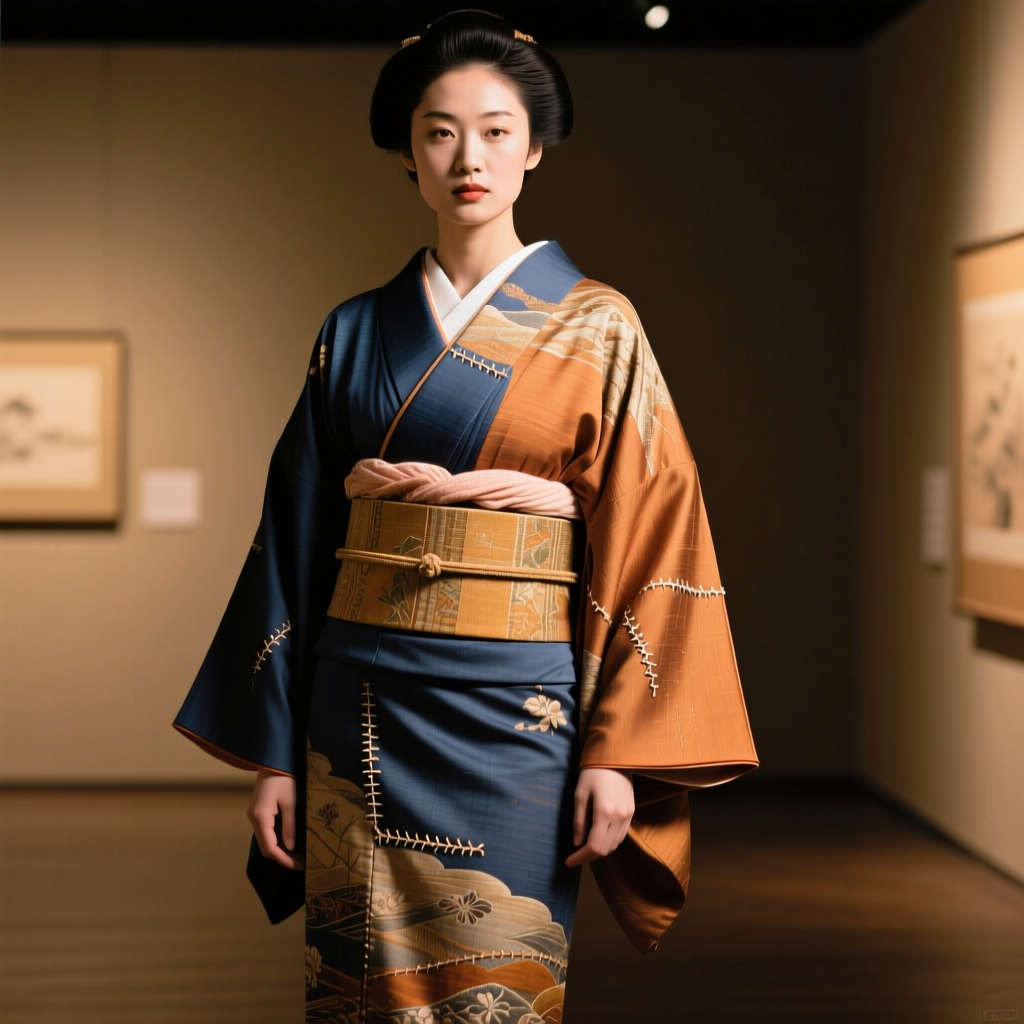
When exploring the rich tapestry of global sartorial heritage, few traditions command as much reverence and fascination as Japanese traditional clothing. Known collectively as wafuku (literally "Japanese clothing"), these garments represent a profound intersection of art, nature, and social philosophy. Unlike Western fashion, which often emphasizes the contours of the human body, traditional Japanese attire focuses on the drape, the textile, and the symbolic motifs that adorn the fabric. From the globally recognized elegance of the silk kimono to the breezy, relaxed comfort of the cotton yukata, the world of wafuku offers a masterclass in aesthetic discipline and cultural storytelling. In this comprehensive guide, we will journey through the history, defining characteristics, and enduring cultural significance of Japanese traditional garments, exploring how these historic textiles continue to influence and inspire the modern world.
The Origins and Evolution of Japanese Garments
The story of Japanese clothing begins long before the iconic silhouettes of the modern era took shape. In the early Kofun and Nara periods, Japanese attire was heavily influenced by continental Asia, particularly the Han and Tang dynasties of China. Garments were often composed of separate upper and lower pieces, such as wrapped jackets and wide-legged trousers. However, as Japan began to isolate itself and cultivate a unique cultural identity, a distinct sartorial evolution took place.
The true genesis of the modern kimono occurred during the Heian period. Artisans developed the "straight-line-cut" method, a revolutionary approach to garment construction that involved cutting fabric in straight lines and sewing them together. This technique meant that the garment did not need to be tailored to the wearer's specific body shape, making it highly versatile and easy to fold. It also allowed for the use of tanmono, standard bolts of fabric that were roughly 14 inches wide, ensuring that almost no textile was wasted during the cutting process.
During the subsequent Edo period, the kosode—a garment with small sleeve openings that was originally worn as an underlayer by the aristocracy—evolved into the primary outer garment for men and women across all social classes. This era saw an explosion of textile arts, dyeing techniques, and weaving innovations. The strict sumptuary laws of the Edo period, which dictated what different social classes could wear, inadvertently fueled a culture of subtle luxury. Commoners began to express their wealth and taste through hidden linings, intricate tie-dyeing, and sophisticated iki (refined, understated elegance).
The dawn of the Meiji era marked a dramatic shift. As Japan opened its borders and rapidly modernized, the government encouraged the adoption of Western clothing, known as yofuku, particularly for men and for public, official duties. Traditional clothing was increasingly relegated to the private sphere and special occasions. Despite this shift, wafuku survived, adapting to contemporary life while retaining its deep-rooted connection to Japanese heritage and artisan craftsmanship.
Defining Characteristics and Silhouette Philosophy
To understand Japanese traditional clothing, one must understand its fundamental geometry and the philosophy behind its silhouette. The most defining characteristic of the kimono and its variants is the T-shaped, straight-lined construction. Rather than using darts, pleats, or tailored seams to accentuate the waist or bust, traditional Japanese garments are designed to create a smooth, cylindrical silhouette. This approach shifts the focus entirely away from the physical body and onto the garment itself—the quality of the silk, the brilliance of the dye, and the poetry of the motifs.
The obi, a wide and often highly decorative sash, is essential to the structure of wafuku. While early versions of the obi were relatively thin and functional, they evolved into the wide, stiff, and elaborately tied sashes seen today. Learning how to tie an obi is considered an art form in itself, with hundreds of different knots (musubi) signifying different ages, marital statuses, and levels of formality. The obi not only secures the garment but also acts as the visual anchor of the entire ensemble.
Layering is another hallmark of traditional Japanese attire, deeply tied to the country's distinct seasons. In colder months, multiple layers of silk or padded cotton are worn for warmth, with careful attention paid to how the collars and hems peek out from beneath one another. The exposure of the nape of the neck, known as the eri, is considered one of the most elegant and alluring aspects of the traditional silhouette. The collar is deliberately pulled back to create a graceful, swooping line that frames the face and highlights the neck.
Footwear and accessories complete the architectural look of wafuku. Split-toe socks called tabi are worn to accommodate the thonged straps of traditional sandals. For formal occasions, flat-soled zori made of brocade or lacquered wood are preferred, while elevated wooden geta are often paired with casual wear or specific types of raincoats. Hair is typically adorned with kanzashi (ornamental hairpins) that reflect the current season, further integrating the wearer into the natural world.
Key Types of Traditional Japanese Attire
The term "kimono" is often used as a catch-all phrase for Japanese clothing, but the reality is a highly nuanced wardrobe with specific garments for specific purposes. Exploring the anatomy of a kimono reveals a complex system of formality and function.
The Kimono and Its Formal Variations
The kimono is the most formal and recognizable piece of wafuku. However, not all kimono are created equal. Formality is dictated by fabric, pattern placement, and the presence of family crests (mon).
- Furisode: Characterized by long, swinging sleeves, the furisode is the most formal kimono for unmarried women. It is a vibrant, heavily patterned garment often worn at coming-of-age ceremonies and weddings.
- Tomesode: The most formal kimono for married women. It features a solid color on the upper half with elaborate patterns restricted to the lower half, below the hemline.
- Houmongi: A "visiting wear" kimono that features patterns flowing continuously across the seams. It is considered semi-formal and can be worn by both married and unmarried women for tea ceremonies and social gatherings.
- Komon: A casual kimono featuring a repeating, all-over pattern. It is suitable for everyday wear, casual outings, and dining.
The Yukata
Often confused with the kimono by those outside of Japan, the yukata is a distinct garment with its own rules. Understanding the differences between yukata and kimono is essential for proper etiquette. The yukata is an unlined, casual garment traditionally made of breathable cotton or hemp. Originally worn as a bathrobe by the nobility, it evolved into the standard attire for summer festivals (matsuri) and fireworks displays. It is worn without the complex undergarments required for a silk kimono and is paired with a simpler, narrower obi and wooden geta sandals.
Hakama and Haori
Traditional Japanese clothing extends far beyond the wrapped robe. The hakama is a pleated, skirt-like trouser worn over a kimono. Historically worn by samurai to protect their legs while riding horses, the hakama is now a staple of martial arts uniforms, university graduation attire for women, and formal wear for Shinto priests. The haori is a hip- or thigh-length jacket worn open over the kimono. Originally a male garment designed to be worn over armor, the haori was eventually adopted by women and is now a versatile layering piece that adds warmth and a touch of formality to an outfit.
Occasions, Etiquette, and Regional Variations
Wearing wafuku is deeply intertwined with the Japanese life cycle and the changing of the seasons. The concept of seasonality is paramount; wearing a motif of cherry blossoms in autumn, or maple leaves in spring, is considered a significant faux pas. The appreciation of Japanese textile arts is closely linked to this mindfulness of nature and time.
Major life events are marked by specific traditional garments. Seijin-no-Hi (Coming of Age Day) sees young women donning lavish furisode to celebrate their entry into adulthood. The Shichi-Go-San (Seven-Five-Three) festival features young children dressed in miniature, vibrant kimono to pray for their health and longevity at local shrines. Traditional Shinto weddings require the bride to wear a shiromuku, a pure white ensemble symbolizing purity and her willingness to be dyed in the colors of her new family, before changing into a highly decorative iro-uchikake for the reception.
While the foundational rules of wafuku are universal across Japan, regional variations highlight the incredible diversity of the archipelago's artisan traditions. In Kyoto, the birthplace of high culture, Kyo-yuzen dyeing allows for incredibly detailed, painterly motifs on silk, while Nishijin-ori weaving produces some of the most opulent and heavy brocade obis in the world.
Traveling south to Okinawa, the traditional clothing shifts dramatically to suit the subtropical climate. The Ryusou is the traditional Okinawan garment, characterized by lighter fabrics, wider sleeves, and a looser fit. It is often adorned with Bingata, a vibrant, resist-dyeing technique featuring bold tropical motifs of flora, fauna, and ocean waves. Conversely, in the northernmost island of Hokkaido, the indigenous Ainu people developed entirely distinct clothing traditions. Traditional Ainu attire is crafted from attus (a cloth woven from elm tree bark) and cotton, heavily embroidered with intricate, thorn-like geometric patterns designed to protect the wearer from malevolent spirits.
Cultural Significance and Modern Revival
Japanese traditional clothing is far more than mere fabric; it is a wearable archive of history, philosophy, and social values. The meticulous care required to fold, store, and clean a silk kimono teaches patience and respect for material goods. The practice of passing down garments through generations, often altering or re-dyeing them to suit the next wearer, embodies a deeply ingrained culture of sustainability and anti-waste that predates modern environmental movements.
In contemporary times, there has been a significant revival of interest in wafuku, both domestically and internationally. While Western clothing remains the standard for daily life, a new generation of Japanese artisans, vintage collectors, and fashion enthusiasts are finding innovative ways to integrate traditional garments into modern wardrobes. Vintage kimono are being styled with boots, leather belts, and modern accessories, breaking the rigid rules of the past while keeping the textile arts alive.
Globally, the influence of Japanese traditional clothing on haute couture and streetwear is undeniable. Designers frequently draw inspiration from the T-shaped silhouette, the wrap-front closure, and the wide obi belt. As interest in global traditional garments grows, the kimono stands out as a symbol of enduring elegance—a testament to the idea that true style transcends the fleeting trends of the moment, rooting itself instead in the timeless beauty of nature and human craftsmanship.
Frequently Asked Questions
What is the difference between a kimono and a yukata?
The primary differences lie in the fabric, formality, and undergarments. A kimono is typically made of silk or high-quality synthetic blends, is fully lined, and requires a complex set of undergarments (nagajuban) and a formal obi. A yukata is an unlined, casual garment made of breathable cotton or linen, worn directly over basic undergarments, and secured with a simpler, narrower sash. Kimono are worn for formal events and cooler weather, while yukata are reserved for summer festivals, relaxing at hot spring resorts, and casual outings.
Can foreigners wear Japanese traditional clothing?
Yes, absolutely. Japanese culture is generally very welcoming of foreigners who show a genuine interest and respect for its traditions. Wearing a kimono or yukata is a popular activity for tourists visiting cities like Kyoto and Tokyo. The key is to wear the garment respectfully, ensuring it is wrapped correctly (always left side over right side, as right-over-left is strictly reserved for dressing the deceased) and that the attire is appropriate for the season and setting.
How do you care for and store a silk kimono?
Silk kimono require meticulous care. They should never be washed at home with water. Instead, they must be professionally dry-cleaned by specialists who understand traditional textiles. After wearing, a kimono should be aired out and gently wiped with a dry cloth to remove moisture and oils. For storage, kimono are carefully folded along their straight seams and wrapped in special acid-free paper called tatoushi. They should be stored in a cool, dry, and dark place, preferably in a wooden drawer or chest, with mothballs to protect the silk from insects.
What footwear is worn with traditional Japanese garments?
Footwear is an essential component of the ensemble. Tabi are split-toe socks worn to accommodate the thong of the sandal. For formal occasions, such as tea ceremonies or weddings, flat-soled zori made of brocade, vinyl, or lacquered wood are worn. For casual wear, particularly with a yukata, elevated wooden clogs called geta are the standard choice. In rainy weather, a specialized, waterproof lacquered clog known as an ashida might be worn to keep the hem of the garment out of the mud.
Is traditional Japanese clothing still worn daily?
For the vast majority of Japanese people, Western-style clothing (yofuku) is the standard for daily life, work, and school. However, wafuku remains very much alive. It is worn daily by certain professionals, such as Shinto priests, traditional inn (ryokan) staff, geisha, and practitioners of traditional arts like tea ceremony and ikebana. For the general public, traditional clothing is reserved for significant life milestones, seasonal festivals, and cultural celebrations, serving as a cherished link to Japan's rich Asian sartorial heritage.