Traditional Mexican Clothing for Girls: A Guide
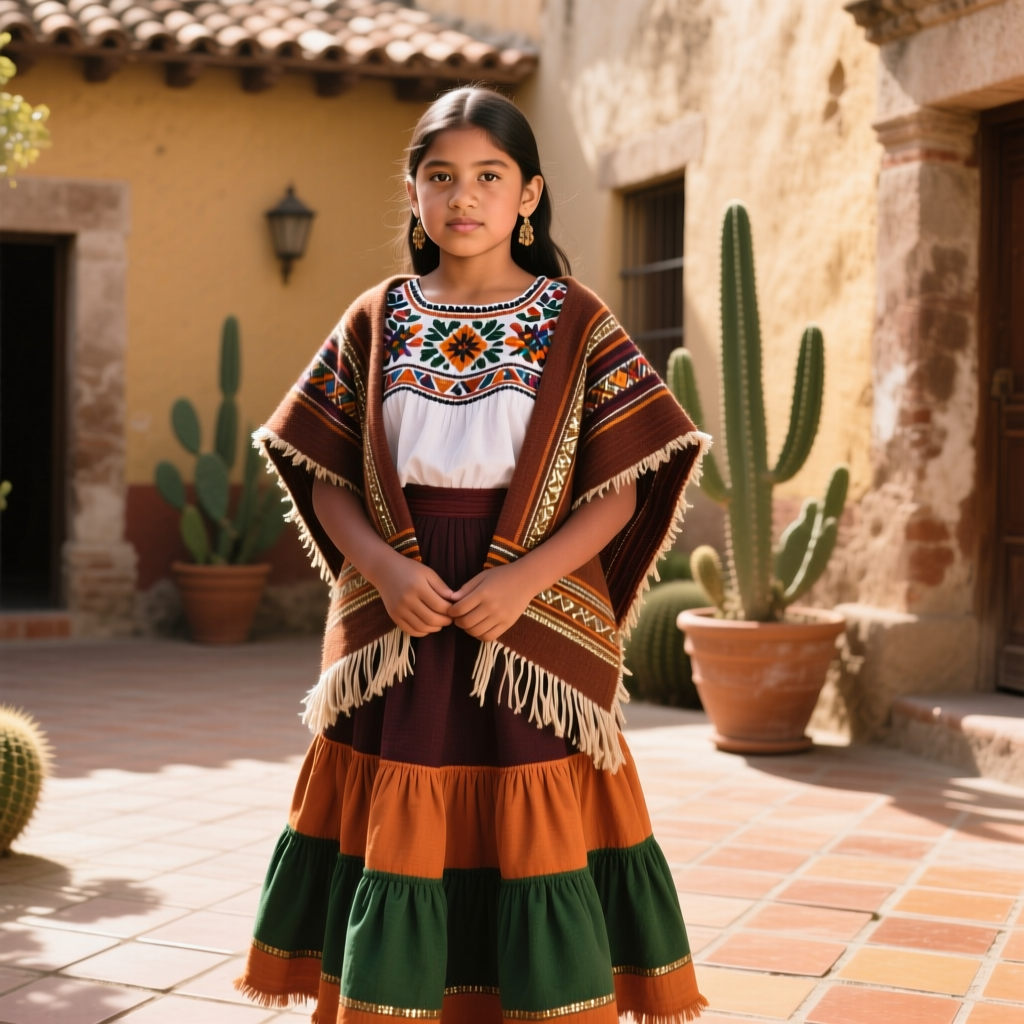
The vibrant tapestry of Mexican culture is woven with threads of deep historical significance, artistic mastery, and profound regional pride. When we examine the sartorial landscape of this diverse nation, the traditional clothing worn by young girls stands out as a particularly poignant symbol of cultural transmission. Far from being mere miniature replicas of adult attire, traditional Mexican clothing for girls serves as a living classroom, a canvas of indigenous heritage, and a celebration of identity. From the intricate cross-stitch of the Yucatán peninsula to the bold, floral embroidery of Oaxaca, these garments tell stories of resilience, adaptation, and artistic brilliance.
At The Garment Atlas, we believe that understanding the clothing of a culture requires looking at how its traditions are passed down to the next generation. Dressing young girls in traditional garments is a practice steeped in meaning, often tied to community celebrations, religious ceremonies, and the preservation of indigenous languages and weaving techniques. This comprehensive guide explores the origins, defining characteristics, regional variations, and enduring cultural significance of traditional Mexican clothing for girls, offering a deep dive into one of the world's most visually stunning and historically rich sartorial traditions.
The Origins and Evolution of Girls' Traditional Garments
Long before the arrival of European explorers, the Indigenous peoples of Mesoamerica possessed highly sophisticated textile traditions. Clothing was not merely functional; it was deeply intertwined with cosmology, social status, and community identity. For young girls, garments were often simpler versions of what their mothers wore, designed to allow for movement and play while still adhering to the modesty and cultural codes of their specific ethnic group. The backstrap loom was the primary tool of creation, allowing women to weave intricate, brocaded fabrics that told the stories of their ancestors. You can explore more about these foundational practices in our archive of Mesoamerican textiles.
The early colonial period introduced a massive shift in the sartorial landscape. The Spanish brought new materials, such as wool and silk, as well as new tools like the pedal loom. They also imposed European standards of modesty, which required Indigenous populations to cover more of their bodies. This led to the evolution of garments like the huipil—a traditional tunic—which was adapted to be worn over long, European-style skirts. For young girls, this blending of worlds resulted in unique hybrid garments that maintained Indigenous weaving techniques while incorporating European silhouettes and decorative elements like lace and ribbons.
Following the Mexican Revolution, there was a concerted national effort to forge a unified Mexican identity, one that celebrated the country's Indigenous roots alongside its mestizo heritage. This era saw the romanticization and popularization of certain regional styles, such as the China Poblana and the Adelita dress. These styles were adapted for children and became staples in school pageants and national celebrations. Today, the evolution continues as contemporary indigenous artisans blend ancestral techniques with modern sensibilities, ensuring that traditional clothing for girls remains relevant, comfortable, and deeply cherished in contemporary times.
Key Characteristics and Elements of the Attire
The beauty of traditional Mexican girls' clothing lies in its meticulous craftsmanship and the symbolic language embedded in every stitch. While styles vary wildly from state to state, several core characteristics unite these garments under the umbrella of Mexican folk art.
Textiles and Fabrics
The foundation of most traditional garments is manta, an unbleached, medium-weight cotton fabric that is breathable and durable, making it ideal for the varied Mexican climates. Another common fabric is cambaya, a lightweight, often sheer muslin that is heavily embroidered. In cooler, high-altitude regions, wool woven on pedal looms is used for skirts and outerwear. The choice of fabric is rarely arbitrary; it is dictated by the local environment and the specific ancestral practices of the community's indigenous weaving traditions.
Embroidery and Symbolism
Embroidery is the heartbeat of Mexican traditional dress. For girls' clothing, the motifs are often vibrant, featuring local flora and fauna, geometric patterns, and mythological symbols. The techniques used are incredibly diverse, ranging from the precise punto de cruz (cross-stitch) of the Mayan communities to the elaborate smocking and chain-stitch work found in the central highlands. To truly appreciate the skill involved, one must study the various Mexican embroidery techniques that have been passed down through generations of female artisans. The colors chosen are also symbolic; magenta often represents the blood of life, yellow signifies the sun and maize, and blue honors water and the heavens.
Silhouettes and Garment Types
The most ubiquitous garment is the huipil, a loose-fitting tunic made from one to three panels of woven or embroidered fabric. For young girls, the huipil is often paired with a simple cotton skirt or, in more festive contexts, a voluminous skirt adorned with ribbons and lace. In some regions, girls wear one-piece dresses known as vestidos, which feature heavily embroidered yokes and smocked bodices. The quechquemitl, a triangular shoulder cape, is also frequently worn by young girls in central Mexico during cooler weather or for special ceremonies.
Accessories and Adornments
No traditional outfit is complete without its accompanying accessories. Hair is a major focal point, often braided intricately and woven with brightly colored satin ribbons or fresh flowers. The rebozo, a traditional Mexican shawl, is another essential element. While adult women use the rebozo for everything from carrying babies to shielding themselves from the sun, young girls are often gifted miniature or lightweight rebozos, learning the art of draping and tying them from a very young age.
Regional Variations Across Mexico
Mexico is a country of immense geographic and cultural diversity, and this is vividly reflected in the regional variations of traditional clothing. The garments worn by girls in the arid north differ vastly from those worn in the tropical south.
Oaxaca: The Tehuana Tradition
In the Isthmus of Tehuantepec in Oaxaca, the Zapotec women are renowned for their stunning Tehuana dress, a matriarchal symbol of power and elegance. Young girls in this region often wear miniature versions of this iconic attire for festivals. The outfit features a heavily embroidered velvet or satin skirt and a matching huipil adorned with large, vibrant floral motifs. For the most significant celebrations, girls may also wear the resplandor, a spectacular, lace-trimmed headdress that frames the face like a halo, signifying their connection to the community's rich Zapotec heritage.
Chiapas: The Chiapaneca Dress
The traditional dress of Chiapas, particularly from the region of Chiapa de Corzo, is a study in striking contrasts. The Chiapaneca dress for girls typically consists of a black satin or tulle skirt and blouse, serving as a dark canvas for explosively bright floral embroidery. Magenta, yellow, blue, and green threads are used to stitch elaborate roses and daisies. The dark background is said to represent the earth and the night sky, while the vibrant flowers symbolize the joy and vitality of youth. This style is frequently seen during the Fiesta Grande, where young girls participate in traditional dances.
Yucatán: The Terno and Mayan Heritage
In the Yucatán peninsula, the traditional attire is deeply rooted in Mayan culture, adapted with Spanish colonial influences. The Terno is the most formal and recognized outfit, consisting of three white pieces: a square-necked blouse (hipil), a fitted bodice (justán), and a long skirt. For young girls, these garments are crafted from fine white cotton and feature exquisite punto de cruz (cross-stitch) embroidery in silk threads along the necklines and hems. The pristine white fabric reflects the intense heat of the region, while the intricate needlework showcases the patience and artistry of Mayan women.
Jalisco: The Adelita and Folkloric Flair
When many people outside of Mexico picture traditional Mexican clothing, they are often thinking of the Adelita or Jalisco style. Originating from the colonial and revolutionary eras, this outfit is characterized by a wide, flowing skirt adorned with concentric rings of brightly colored ribbons, paired with a white, ruffled blouse. Young girls wear this style extensively for school celebrations, patriotic holidays, and when performing in folkloric dance costumes. The skirt is designed to be manipulated during the Jarabe Tapatío, creating a visual spectacle of color and movement.
Puebla: The China Poblana
The China Poblana is a legendary ensemble from Puebla, steeped in folklore and national mythology. The outfit for girls features a white, embroidered blouse with geometric and floral patterns, paired with a skirt divided into sections of green, white, and red—the colors of the Mexican flag—often embellished with sequins and beads. While its origins are tied to the complex history of Asian slaves brought to New Spain via the Manila Galleons, the China Poblana has evolved into a beloved symbol of Mexican femininity and national pride, frequently worn by young girls during civic parades.
Occasions for Wearing Traditional Dress
Traditional Mexican clothing for girls is not relegated to museum displays; it is a vibrant, living practice worn during a variety of significant cultural, religious, and civic occasions.
Fiestas Patrias and Civic Celebrations
During September, the month of Mexican independence, schools and communities across the nation celebrate Fiestas Patrias. Young girls frequently dress in regional traditional attire to participate in parades, school pageants, and the reenactment of the Grito de Dolores. Wearing these garments is a way for children to physically embody the nation's history and express their civic pride, connecting them to the heroes and indigenous roots of their country.
Día de los Muertos and Religious Festivals
The Day of the Dead (Día de los Muertos) is a profound time for family remembrance, and traditional clothing plays a vital role in the festivities. Girls may wear intricately embroidered dresses adorned with marigold motifs, or don the skeletal Catrina makeup while dressed in elegant, vintage-inspired traditional gowns. Similarly, during Las Posadas in December, young girls dress as shepherds or angels, often wearing simple manta tunics and rebozos, participating in processions that blend Catholic traditions with indigenous community practices.
Folkloric Ballet and Quinceañeras
Dance is a primary vehicle for cultural preservation in Mexico. Girls who participate in Ballet Folklórico spend years mastering regional dances, and their wardrobes become a collection of authentic, highly specialized traditional garments. Furthermore, during a Quinceañera (the celebration of a girl's fifteenth birthday), it is common for the younger sisters and the court of honor to wear traditional regional dresses during the surprise dance routines, bridging the gap between modern coming-of-age celebrations and ancestral roots.
Everyday Wear in Indigenous Communities
It is crucial to recognize that in many indigenous communities across states like Oaxaca, Chiapas, and Guerrero, traditional clothing is not reserved solely for festivals. For countless young girls, the huipil and hand-woven skirt are their everyday attire. In these contexts, the clothing is a daily assertion of indigenous identity, a marker of community belonging, and a practical, climate-appropriate choice that defies the homogenizing pressures of global fast fashion.
The Cultural Significance and Preservation of Heritage
The act of dressing young girls in traditional Mexican clothing is a profound statement of cultural continuity. In a globalized world where mass-produced fashion dominates, choosing to wear, create, and support traditional garments is an act of resistance and preservation. For indigenous communities, the huipil is a legal and cultural document; the specific patterns, colors, and weaving techniques denote a girl's specific village, her family's lineage, and her place within the community's social fabric.
However, the preservation of these traditions faces significant challenges. The rise of fast fashion and cultural appropriation by international brands has threatened the livelihoods of indigenous artisans. When mass-market companies copy traditional embroidery patterns without crediting or compensating the originating communities, it strips the garments of their cultural soul and economic value. Supporting authentic artisans by purchasing directly from cooperatives ensures that the women who create these garments can afford to pass their skills down to their daughters, keeping the tradition alive.
Moreover, organizations and grassroots movements across Mexico are actively working to educate the younger generation about the value of their textile heritage. Workshops on backstrap weaving, natural dyeing, and traditional embroidery are being integrated into community centers, ensuring that young girls do not just wear the clothing, but understand the profound history and technical mastery required to create it. By fostering this deep respect, the traditional clothing of Mexican girls will continue to be a vibrant, evolving expression of a rich and enduring cultural legacy.
Frequently Asked Questions
What is the most common traditional outfit for Mexican girls?
While it varies heavily by region, the most universally recognized traditional outfit is a white cotton blouse or dress featuring vibrant, colorful floral embroidery, often paired with a full skirt and hair ribbons. In indigenous communities, the huipil (a woven tunic) paired with a woven skirt and a rebozo (shawl) is the most common and culturally significant everyday attire.
How can I ethically source traditional Mexican clothing for children?
To ethically source these garments, it is essential to purchase directly from indigenous artisan cooperatives, verified fair-trade organizations, or reputable Mexican boutiques that transparently credit and fairly compensate the makers. Avoid mass-market retailers or international fast-fashion brands that sell machine-made imitations of indigenous patterns, as this practice constitutes cultural appropriation and harms local economies.
What do the colors and patterns in the embroidery represent?
The motifs and colors are deeply symbolic and vary by community. Generally, floral patterns represent the local flora and the fertility of the earth. Geometric shapes often map the cosmos, the agricultural calendar, or local mythology. Colors like magenta and red can symbolize life and the sunrise, yellow represents maize and the sun, and blue honors water and the heavens. Each village has its own specific visual vocabulary.
Is it appropriate for non-Mexicans to wear these garments?
Wearing traditional Mexican clothing can be a beautiful way to show appreciation, provided it is done with deep respect and understanding. It is generally acceptable to wear authentic, ethically sourced garments at cultural festivals, traditional dances, or when invited to participate in community celebrations. However, it is crucial to avoid wearing sacred or ceremonial garments out of context, and one must never treat the clothing as a casual costume or a novelty item.
How should traditional embroidered garments be cared for?
Authentic, hand-embroidered garments require gentle care to preserve the integrity of the threads and fabrics. They should be hand-washed in cold water using a mild, pH-neutral detergent. Avoid harsh scrubbing, which can pull the embroidery threads, and never use bleach. The garments should be air-dried in the shade to prevent the vibrant colors from fading in direct sunlight, and ironed on the reverse side to protect the raised embroidery work.