Traditional Mexican Clothing in Australia: A Cultural & Style Guide
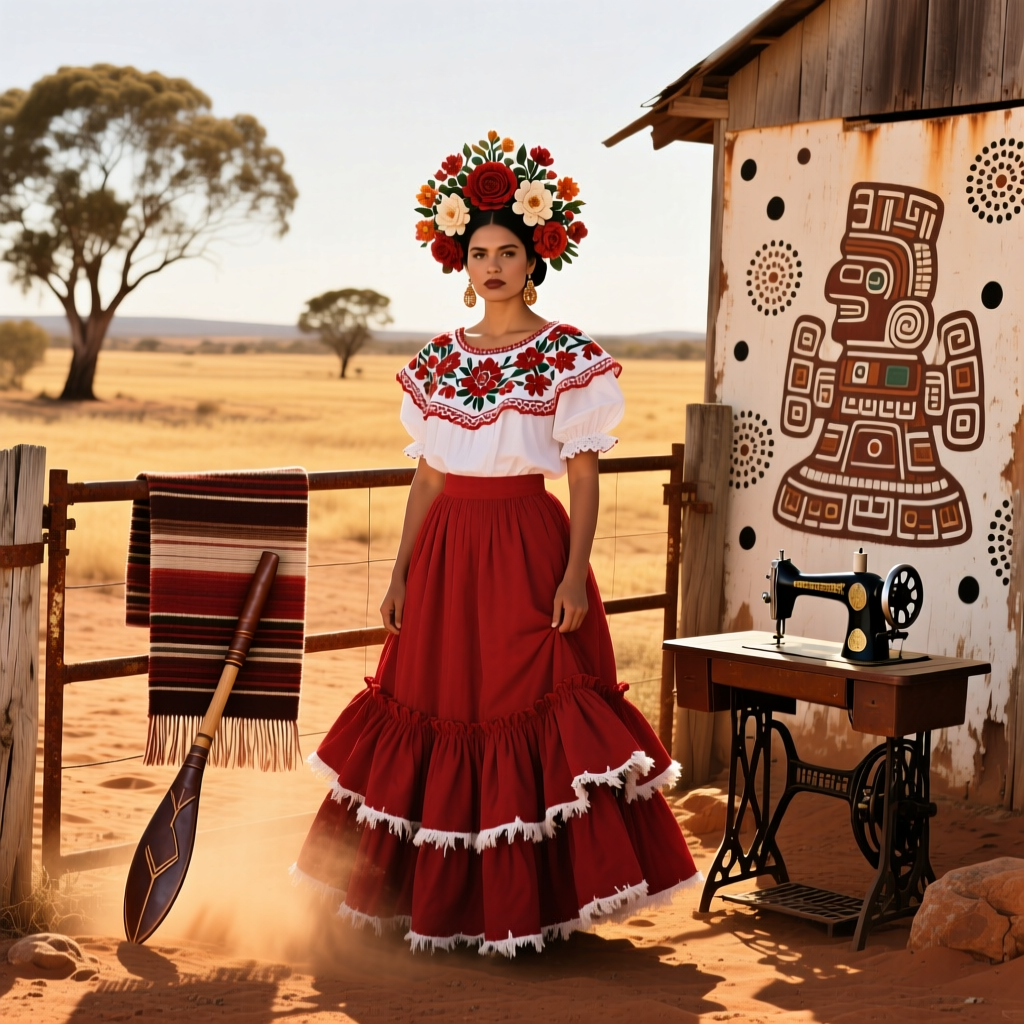
When one envisions the Australian sartorial landscape, images of sun-bleached surfwear, rugged outback driza-bones, and sleek urban minimalism often come to mind. Yet, woven into the multicultural fabric of this vast continent is a vibrant, deeply historical thread: traditional Mexican clothing. Across the bustling streets of Sydney, the laneways of Melbourne, and the tropical coastlines of Queensland, the intricate embroidery, vivid natural dyes, and masterful weaving of Mexican garments have found a passionate audience and a second home.
The presence of traditional Mexican clothing in Australia is a testament to the power of cultural exchange, the diaspora of Latin American communities, and a growing global appreciation for slow, artisanal fashion. From the flowing, breathable cottons of the Yucatán Peninsula to the heavy, intricate brocades of Chiapas, these garments offer Australians a unique way to connect with indigenous heritage while navigating their own diverse climates. This comprehensive guide explores the origins, characteristics, and cultural significance of traditional Mexican clothing in Australia, offering insights into how these timeless pieces are worn, celebrated, and ethically sourced Down Under.
The Origins and Journey of Mexican Garments to Australia
The story of Mexican textiles arriving on Australian shores is intertwined with the broader narrative of global migration and cultural diplomacy. While the Latin American diaspora in Australia is smaller compared to European or Asian communities, it is profoundly vibrant. Beginning in the late twentieth century, waves of immigrants from Mexico and Central America brought their most cherished possessions with them, including hand-woven huipiles, ceremonial rebozos, and family heirlooms that served as tangible connections to their homeland.
These garments were initially confined to community gatherings, private celebrations, and cultural associations. However, as Australia’s multicultural policies fostered greater public sharing of heritage, Mexican textiles began to appear in local markets, university cultural festivals, and community arts & crafts fairs. Australians, known for their appreciation of global travel and diverse aesthetics, quickly became captivated by the storytelling inherent in Mexican weaving. Every geometric pattern, every stylized animal, and every floral motif on a traditional garment speaks to a specific village, a pre-Columbian mythology, or a post-colonial fusion of indigenous & Spanish influences.
Today, the journey of these garments is facilitated by ethical importers, cultural ambassadors, and Mexican-Australian entrepreneurs who bridge the Pacific. They work directly with artisan cooperatives in states like Oaxaca, Puebla, and Chiapas, ensuring that the rich legacy of Latin American textiles is preserved and respected within the Australian fashion and homewares market.
Defining Characteristics of Authentic Mexican Apparel
To understand the appeal of Mexican clothing in Australia, one must first understand the defining characteristics that separate authentic artisanal garments from mass-produced imitations. Traditional Mexican apparel is renowned for its reliance on natural fibers, ancestral weaving techniques, and symbolic embroidery.
At the heart of the indigenous wardrobe is the huipil, a loose-fitting tunic made from two or three rectangular pieces of fabric joined by stitching, ribbons, or fabric strips. The huipil is far more than a simple top; it is a canvas of identity. Depending on the region, the embroidery can depict local flora, fauna, or cosmological beliefs. For those looking to dive deeper into the history and construction of this iconic piece, our guide to understanding the huipil explores the mathematics of the backstrap loom and the symbolism of regional motifs.
Another cornerstone of Mexican apparel is the rebozo, a long, flat garment used variously as a shawl, a baby carrier, a sun shield, or a ceremonial wrap. The rebozo is a masterpiece of the warp & weft, often featuring intricate macramé fringes known as rapacejos, which can take an artisan weeks to tie by hand. In Australia, the rebozo has been embraced not only by the Mexican diaspora but also by mothers practicing baby-wearing and by fashion enthusiasts looking for a versatile, ethically made layering piece.
For menswear and warm-weather elegance, the guayabera reigns supreme. Characterized by its vertical pleats (alforzas) and patch pockets, the guayabera is traditionally made of linen or light cotton. It is a garment that perfectly bridges the gap between casual and formal wear, a trait that has made it increasingly popular for Australian summer weddings and tropical resort wear. You can explore the styling and history of this shirt in our comprehensive guayabera shirt guide.
Adapting to the Australian Climate and Lifestyle
Australia is a continent of extreme and varied climates, from the tropical humidity of the Top End to the snowy alps of Victoria and the dry, searing heat of the outback. Traditional Mexican clothing, born in a country with its own diverse micro-climates, is remarkably well-suited to the Australian environment, provided one selects the right garment for the right region.
In the sweltering summers of Queensland and Western Australia, the lightweight, white cotton huipiles of the Yucatán Peninsula are a revelation. The loose, unstructured silhouettes allow for maximum airflow, while the white fabric reflects the harsh Australian sun. Similarly, the open-weave cotton morrales (bags) and straw hats from Mexico provide practical, stylish alternatives to synthetic beachwear. The breathability of hand-spun cotton, which lacks the chemical treatments of commercial fabrics, makes it incredibly comfortable against the skin in high humidity.
Conversely, in cities like Melbourne and Hobart, where the weather can famously shift through four seasons in a single day, the layering capabilities of Mexican garments shine. A heavy wool serape or a thick, brocaded rebozo from the highlands of Chiapas provides exceptional warmth against biting southerly winds. Australian urbanites have taken to styling these vibrant, hand-woven wraps over minimalist winter coats, creating a striking juxtaposition of indigenous color against monochrome cityscapes. The durability of these natural wools and the mastery of Mexican embroidery techniques ensure that these pieces withstand the rigors of daily urban commuting while remaining timeless.
Regional Variations Celebrated in Australian Communities
Mexico is not a monolith, and its clothing reflects a staggering diversity of indigenous cultures, geography, and history. In Australia, cultural festivals and specialized Latin American boutiques often highlight these regional variations, educating the public on the distinct origins of each piece.
Oaxacan Textiles: Oaxaca is perhaps the most famous Mexican state for textile production, particularly the use of natural dyes. The deep, rich reds derived from the cochineal insect, the blues from indigo, and the yellows from marigold and wild chamomile are highly prized by Australian collectors and slow-fashion advocates. The Zapotec rugs and huipiles from the Valles Centrales region are frequently featured in Australian gallery exhibitions focusing on natural dyes in traditional garments.
Chiapan Brocades: The garments of Chiapas, particularly those from San Juan Chamula and Zinacantán, are characterized by heavy, dark wools and dense, brocaded floral patterns that seem to bloom in the weave. These pieces are often showcased in Australian winter fashion pop-ups and are revered for their incredible warmth and structural integrity.
Yucatecan Elegance: The Yucatán Peninsula offers a lighter, more delicate aesthetic. The terno, a traditional three-piece suit worn by Yucatecan women, features exquisite cross-stitch embroidery (xocbichuy) that has influenced Australian bohemian bridal wear. The delicate lace and fine cottons are perfect for the Australian outdoor lifestyle, offering a refined elegance that transitions seamlessly from a beachside lunch to an evening garden party.
Occasions and Celebrations: Wearing Heritage Down Under
In Australia, traditional Mexican clothing is most visibly celebrated during specific cultural occasions that have grown from intimate community gatherings to major public events. The most prominent of these is Día de los Muertos (Day of the Dead). What was once a private observance for Mexican-Australians to honor their ancestors has blossomed into massive public festivals in cities like Sydney, Melbourne, and Brisbane. During these events, the streets are filled with people wearing vibrant, skull-adorned garments, traditional Oaxacan dresses, and elaborate floral headpieces, sharing the beauty of Mexican perspectives on life & death with the wider Australian public.
Fiestas Patrias, particularly Mexican Independence Day in September, is another occasion where traditional dress takes center stage. Community associations organize charreadas (rodeos), folkloric ballet performances, and street fairs where the china poblana dress—with its sequined skirts and eagle motifs—is worn with immense pride. These events are vital for the diaspora, allowing second-generation Mexican-Australians to connect with their roots through the tactile experience of wearing ancestral garments.
Beyond specific national holidays, Mexican textiles have found their way into mainstream Australian milestone celebrations. It is increasingly common to see Australian brides incorporating a vintage Mexican lace mantilla or a hand-embroidered rebozo into their wedding attire, particularly for bohemian, outdoor ceremonies in regions like Byron Bay or the Margaret River. This cross-cultural adoption, when done respectfully and with an understanding of the garment's origins, highlights the universal language of beauty and craftsmanship.
Cultural Significance and Ethical Sourcing in Australia
As the popularity of bohemian, festival, and 'resort' fashion grows in Australia, so does the risk of cultural appropriation and the exploitation of indigenous artisans. The Australian market has seen an influx of mass-produced, machine-embroidered blouses that mimic traditional Mexican designs, often sold at major music festivals and fast-fashion retailers. These knock-offs strip the garments of their cultural context, underpay the original creators, and flood the market with inferior, synthetic materials.
For Australian consumers, the cultural significance of wearing traditional Mexican clothing lies in the commitment to ethical sourcing and cultural appreciation. True appreciation requires acknowledging the indigenous women and men who have preserved these ethical textile sourcing practices despite centuries of marginalization. It means understanding that a huipil is not merely a 'boho top' but a sacred garment that denotes a woman's village, marital status, and cosmological worldview.
Australians looking to purchase authentic Mexican clothing should seek out certified fair-trade importers, indigenous-owned cooperatives, and specialized boutiques that transparently name the artisan communities they work with. By paying a fair price for a hand-woven rebozo or a naturally dyed huipil, Australian buyers directly support the economic independence of indigenous women in Mexico, helping to fund community education, healthcare, and the preservation of ancestral backstrap loom weaving for future generations.
Frequently Asked Questions
Where can I buy authentic traditional Mexican clothing in Australia?
Authentic traditional Mexican clothing can be found through specialized online boutiques based in Australia that partner directly with Mexican artisan cooperatives. Additionally, Latin American cultural festivals, multicultural markets in major cities like Sydney & Melbourne, and ethical fashion pop-up events often feature vendors selling genuine, hand-woven garments. Always look for sellers who provide information about the specific region, artisan group, and materials used in the creation of the piece.
How do I care for delicate Mexican embroidered garments in the Australian climate?
The harsh Australian sun and high UV index can cause natural dyes and vibrant embroidery threads to fade if left in direct sunlight. It is best to hand-wash these garments in cold water using a mild, pH-neutral detergent. Avoid wringing the fabric; instead, press the water out gently and dry the garment flat in the shade. For heavily embroidered or wool pieces like serapes, professional dry cleaning with a specialist who understands delicate, hand-woven textiles is highly recommended.
Is it appropriate for non-Mexicans to wear traditional Mexican clothing in Australia?
Yes, provided it is done with respect, understanding, and a commitment to ethical consumption. Wearing a beautifully embroidered huipil or a hand-woven rebozo purchased from a fair-trade source is a form of cultural appreciation that supports indigenous artisans. However, it is important to avoid wearing sacred or ceremonial garments out of context, and to steer clear of cheap, mass-produced imitations that exploit indigenous designs without compensating the original creators.
What are the most popular Mexican garments worn at Australian summer festivals?
During the Australian summer festival season, lightweight cotton huipiles, embroidered peasant blouses (blusas de manta), and hand-woven morral bags are incredibly popular. The guayabera shirt is also a favorite for men attending outdoor summer weddings and garden parties, offering a sophisticated, breathable alternative to traditional linen suits. These garments are favored for their natural fibers, which provide excellent comfort in the Australian heat.
How can I support Mexican indigenous artisans from Australia?
The most direct way to support indigenous artisans from Australia is to purchase garments through verified fair-trade organizations and ethical importers who guarantee that the weavers and embroiderers receive a living wage. Additionally, supporting Australian museums, cultural centers, and NGOs that host exhibitions and workshops on Latin American textiles helps raise awareness and preserve these vital cultural heritage practices on a global scale.