Traditional Irish Clothing Near Me: A Complete Cultural Guide
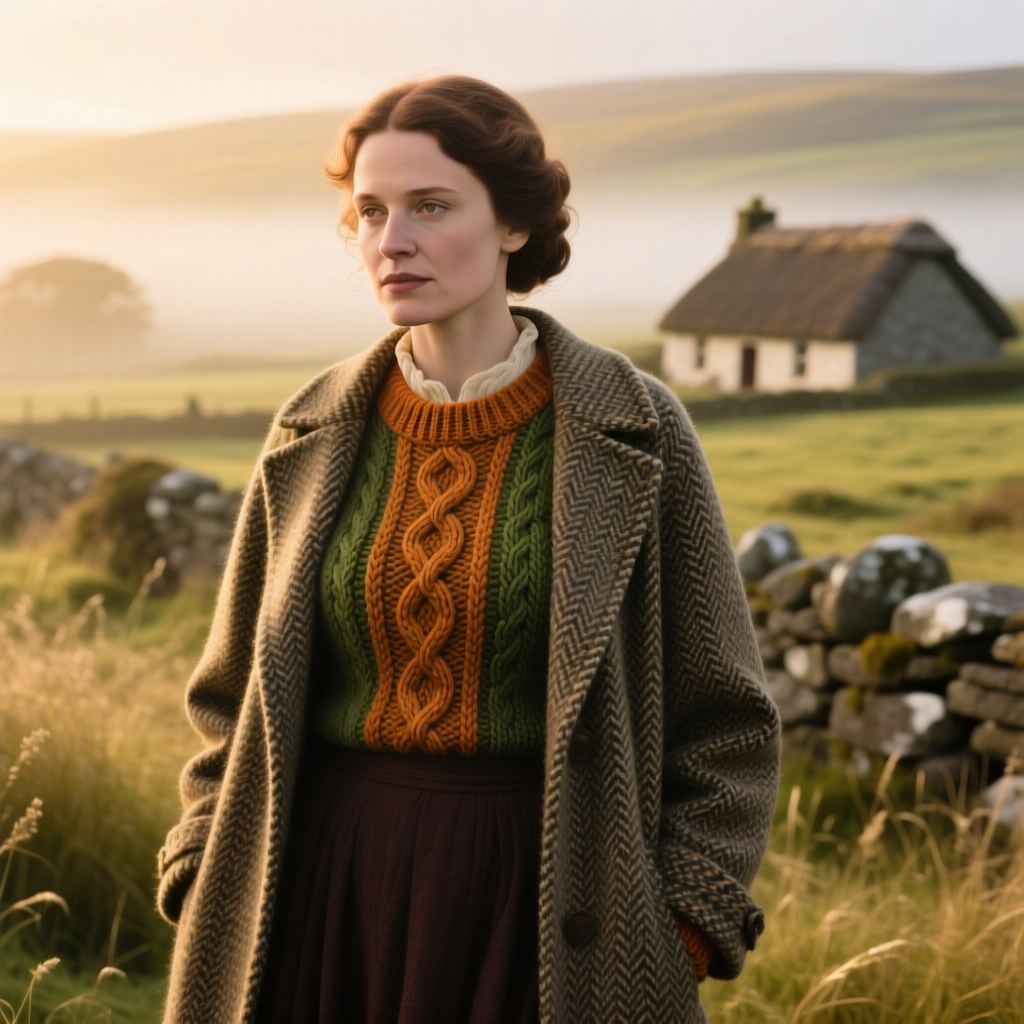
If you have ever searched for traditional Irish clothing near me, you are far from alone. Across the globe, millions of people feel a deep connection to Ireland's rich textile heritage and seek out authentic garments that carry centuries of craftsmanship, symbolism, and cultural pride. Whether you are tracing your Irish ancestry, preparing for a cultural celebration, or simply drawn to the timeless beauty of Irish textiles, finding genuine traditional Irish clothing in your local area is easier than you might think — provided you know what to look for and where to look.
Ireland's clothing traditions are woven into the very fabric of its history. From the windswept Aran Islands where fishermen's wives knitted intricate patterns into wool sweaters, to the rolling hills of Donegal where tweed has been handwoven for generations, Irish garments tell stories of resilience, identity, and artistry. This comprehensive guide will walk you through the origins, characteristics, and cultural significance of traditional Irish clothing, along with practical advice on locating authentic pieces near you.
Origins and History of Traditional Irish Clothing
The story of traditional Irish clothing stretches back thousands of years, long before the iconic garments we recognize today took their familiar forms. In ancient Ireland, the native population wore garments known as the léine (a long, flowing tunic typically made of linen) and the brat (a woolen cloak fastened at the shoulder with a brooch). These garments were practical responses to Ireland's damp, temperate climate and were often dyed using natural plant-based pigments, with saffron yellow being particularly prized among the Gaelic nobility.
The arrival of the Normans in the twelfth century introduced new tailoring techniques and fabrics, but Irish dress remained distinct. English sumptuary laws passed during the Tudor and Stuart periods actually attempted to suppress Irish clothing traditions, including bans on the wearing of saffron-dyed garments and the traditional Irish mantle. These laws, rather than eradicating Irish dress, reinforced its role as a symbol of cultural identity and resistance.
The eighteenth and nineteenth centuries brought dramatic changes. The Great Famine of the 1840s devastated rural communities where traditional textile crafts had flourished, and mass emigration scattered Irish artisans across the world. Yet it was during this diaspora that Irish clothing traditions began to gain international recognition. Emigrants carried their knitting patterns, weaving techniques, and cultural pride to North America, Australia, and beyond — planting seeds for the global appreciation of Irish garments that continues today.
The Gaelic Revival of the late nineteenth and early twentieth centuries sparked renewed interest in traditional Irish arts, including textiles and clothing. Organizations and cultural movements worked to preserve and promote Irish craftsmanship, leading to the establishment of cooperatives and craft villages that still operate in some form today. This revival laid the groundwork for the contemporary market where you can search for traditional Celtic clothing and find authentic pieces rooted in genuine heritage.
Iconic Traditional Irish Garments and Their Characteristics
When people search for traditional Irish clothing near them, they are usually looking for one or more of several iconic garments. Each carries its own history, construction methods, and cultural meaning.
The Aran Sweater
No garment is more synonymous with Ireland than the Aran sweater. Originating from the Aran Islands off the west coast of County Galway, these heavy-knit wool sweaters feature intricate cable, diamond, honeycomb, and basket stitch patterns that were traditionally passed down through families. Each pattern carries symbolic meaning: the cable stitch represents the fisherman's rope and wishes for a good catch, the diamond stitch symbolizes wealth and success, and the honeycomb stitch honors the hard work of the bee and rewards of labor.
Authentic Aran sweaters are knitted from untreated, oil-rich wool called báinín, which retains its natural lanolin and provides remarkable water resistance. This made them ideal for fishermen braving the harsh Atlantic waters. Today, you can find Aran sweaters in specialty Irish shops, heritage boutiques, and dedicated knitwear stores. When shopping locally, look for labels indicating the sweater was hand-knitted or at minimum hand-loomed in Ireland, as machine-made imitations are common.
Donegal Tweed
Donegal tweed is a handwoven fabric produced in County Donegal that is celebrated worldwide for its quality, durability, and distinctive flecked appearance. The characteristic colorful neps — small flecks of dyed wool scattered throughout the fabric — are inspired by the Donegal landscape itself: the purple of heather, the green of moss, the gold of gorse, and the grey of stone.
Traditionally, Donegal tweed was woven on handlooms in weavers' cottages, with entire families participating in the process from carding and spinning to weaving and finishing. Today, while some production has been mechanized, several mills in Donegal still produce tweed using traditional methods. Garments made from Donegal tweed include jackets, waistcoats, flat caps (often called Irish flat caps or tweed caps), and skirts. If you are looking for traditional European garments with genuine artisanal heritage, Donegal tweed is among the finest examples available.
The Irish Kilt
While kilts are more commonly associated with Scotland, Ireland has its own kilt tradition. The Irish kilt is typically a solid saffron (mustard-yellow) color or features tartan patterns associated with Irish counties or families rather than Scottish clans. Irish kilts gained popularity during the Gaelic Revival as part of a broader movement to define and celebrate distinct Irish cultural symbols.
Today, Irish kilts are most commonly worn at cultural events, weddings, step-dancing competitions, and St. Patrick's Day celebrations. They are available from specialty kilt makers, Irish heritage shops, and custom tailors. A complete Irish kilt outfit often includes a kilt, a sporran (pouch), knee-high socks with flashes, and a jacket or waistcoat.
The Galway Shawl and Irish Lace
The Galway shawl is a large, fringed shawl traditionally worn by women in western Ireland. Often woven from wool or a wool-silk blend, these shawls feature rich colors and patterns and were essential garments for warmth in an era before central heating. Irish lace, while not a garment in itself, was used extensively to adorn collars, cuffs, veils, and christening gowns. Centers of lace-making excellence included Carrickmacross in County Monaghan (appliqué lace), Kenmare in County Kerry (needlepoint lace), and Limerick (run lace).
Antique and vintage Irish lace pieces can sometimes be found at estate sales, antique shops, and vintage clothing stores near you, offering a tangible connection to Ireland's extraordinary needlework traditions.
Where to Find Traditional Irish Clothing Near You
Finding authentic traditional Irish clothing in your local area depends on where you live, but several types of retailers and venues consistently carry genuine Irish garments.
Irish Specialty Shops and Heritage Boutiques
Many cities with significant Irish diaspora populations — particularly in the United States, Canada, the United Kingdom, Australia, and New Zealand — have dedicated Irish shops that import clothing directly from Irish makers. These stores are often family-run businesses with deep connections to specific counties or craft traditions in Ireland. They typically carry Aran sweaters, Donegal tweed caps and jackets, Irish linen garments, Celtic jewelry, and accessories like claddagh rings and Tara brooches.
To find an Irish specialty shop near you, search for terms like "Irish shop," "Irish imports," or "Irish heritage store" along with your city or region. Community boards at local Irish cultural centers, pubs, and Catholic churches often have business cards and flyers for these shops.
Cultural Festivals and Highland Games
Irish cultural festivals, Highland Games (which often include Irish participation), St. Patrick's Day parades, and Celtic heritage events are excellent places to find vendors selling traditional Irish clothing. These events attract artisans and importers who bring a curated selection of garments, and you have the advantage of seeing, touching, and trying on pieces in person. Many vendors at these events are themselves of Irish descent and can share the stories behind their merchandise.
Local Tailors and Custom Makers
For those seeking a truly personalized piece of traditional Irish clothing, working with a local tailor who has experience with Irish garments can be immensely rewarding. This is particularly true for Irish kilts, tweed jackets, and formal wear. A skilled tailor can source authentic Irish fabrics — such as Donegal tweed or Irish linen — and create a garment tailored to your exact measurements. Explore how traditional Scottish clothing shares certain tailoring traditions with Irish dress, and a tailor experienced in one often has knowledge of the other.
Online Retailers with Local Pickup or Showrooms
Many reputable online retailers specializing in Irish clothing now offer showrooms, pop-up shops, or local pickup options in major cities. These businesses often have direct relationships with mills, knitters, and workshops in Ireland, ensuring authenticity. When shopping online, look for retailers that provide detailed information about where and how their garments are made, and that feature certifications such as the Guaranteed Irish mark or the Aran Islands Origin certification for sweaters.
Regional Variations in Irish Clothing Traditions
Ireland may be a small island, but its clothing traditions vary significantly from region to region, reflecting differences in climate, available materials, economic activity, and cultural influences.
The West Coast and Aran Islands
The western seaboard, battered by Atlantic storms, produced some of Ireland's most iconic and practical garments. The Aran sweater is the most famous example, but this region also developed heavy woolen socks, shawls, and oilskin garments for fishermen. The Connemara region of County Galway is known for its distinctive red flannel petticoats, which were worn by women well into the twentieth century and are still produced for traditional wear and cultural performances.
Donegal and the Northwest
Donegal's contribution to Irish clothing is dominated by tweed. The county's landscape literally colors the fabric, with local plants used to dye the characteristic neps. Donegal is also known for its handknit woolens, including heavy walking socks and the distinctive Donegal hat — a tweed cap with a short brim. The weaving tradition here is so strong that "Donegal Tweed" is a protected geographical indication, meaning only fabric woven in the county can carry the name.
The South and Irish Linen Country
While linen production was historically centered in Northern Ireland (particularly around Belfast, which was once known as "Linenopolis"), the tradition extends throughout the island. Irish linen is renowned as some of the finest in the world, prized for its strength, smoothness, and ability to keep the wearer cool in warm weather. Today, garments made from Irish linen — shirts, blouses, dresses, and handkerchiefs — can be found in quality clothing stores worldwide. Linen damask, used for tablecloths and napkins, remains a luxury product associated with Irish craftsmanship.
Urban Centers: Dublin, Cork, and Galway
Ireland's cities developed their own sartorial identities influenced by trade, industry, and cultural exchange. Dublin, as the capital and a historic center of Anglo-Irish society, had a thriving tailoring tradition. Cork's maritime heritage influenced practical working clothing, while Galway — as the gateway to the Connemara Gaeltacht (Irish-speaking region) — became a natural marketplace for western handmade textiles. Today, these cities host numerous boutiques and markets where traditional and contemporary Irish clothing can be found side by side. For a broader perspective on how regional traditions shape dress, explore our guide to textile traditions around the world.
Cultural Significance and Modern Relevance
Traditional Irish clothing is far more than costume — it is a living expression of cultural identity, community values, and artistic achievement. Understanding the cultural significance of these garments enriches the experience of wearing and collecting them.
Symbolism and Identity
Every stitch in an Aran sweater, every fleck of color in Donegal tweed, carries meaning. These garments were historically markers of family, region, and occupation. An Aran sweater's pattern could identify a drowned fisherman's family; a tweed cap's weave could signal its wearer's county of origin. Today, wearing traditional Irish clothing is a powerful way to honor ancestry, celebrate heritage, and maintain a tangible connection to Irish culture — especially for the vast Irish diaspora spread across the globe.
Preservation of Craft
Purchasing authentic traditional Irish clothing supports the continuation of craft traditions that might otherwise disappear. Hand-knitting, hand-weaving, and traditional tailoring are labor-intensive skills that require years of training. When you choose to buy genuine Irish-made garments, you directly support artisans, cooperatives, and small mills that keep these traditions alive. This is part of a broader movement to value handmade garments and cultural preservation in an age of fast fashion.
Ceremonial and Celebratory Wear
Traditional Irish clothing plays a central role in many life events and celebrations. Irish step-dancers wear elaborate costumes rooted in traditional design, complete with intricate Celtic embroidery. Weddings with Irish heritage themes often feature kilts, tweed suits, and lace veils. St. Patrick's Day celebrations worldwide see millions of people donning Aran sweaters, tweed caps, and green accessories as expressions of Irish pride. Christening gowns made from Irish lace or linen continue to be treasured family heirlooms passed through generations.
Sustainability and Slow Fashion
Traditional Irish clothing aligns perfectly with the growing movement toward sustainable and ethical fashion. Garments like Aran sweaters and Donegal tweed jackets are built to last for decades — even generations — and are made from natural, biodegradable materials using low-impact production methods. In a world increasingly concerned about the environmental cost of disposable clothing, investing in traditional Irish garments represents a conscious choice toward quality, longevity, and environmental responsibility.
Frequently Asked Questions
How can I tell if an Aran sweater is authentically Irish?
An authentic Aran sweater will typically have a label indicating it was made in Ireland, often specifying the Aran Islands or another western Irish location. Look for the Aran Islands Origin certification or the Guaranteed Irish symbol. Genuine hand-knitted Aran sweaters are made from 100% pure new wool (often merino or báinín), feature intricate three-dimensional stitch patterns that are consistent on both sides, and have a heavier, denser feel than machine-made imitations. Hand-knitted sweaters will also have slight irregularities that distinguish them from mass-produced versions. Price is another indicator — a genuine hand-knitted Aran sweater requires 40 to 80 hours of skilled labor and is priced accordingly.
Are Irish kilts the same as Scottish kilts?
No, Irish kilts differ from Scottish kilts in several important ways. While Scottish kilts are almost always made from tartan (plaid) fabric associated with specific clans, Irish kilts are traditionally solid-colored — most commonly saffron (a deep mustard-yellow) — or feature tartans associated with Irish counties or districts rather than family clans. The Irish kilt also tends to have a different pleating style and is often worn with a different style of jacket. The modern Irish kilt tradition largely dates from the Gaelic Revival period, making it younger than the Scottish kilt tradition, though both share ancient Celtic roots. If you are exploring traditional Scottish clothing alongside Irish garments, these distinctions become fascinating points of comparison.
What is the best way to care for traditional Irish wool garments?
Traditional Irish wool garments, particularly Aran sweaters and Donegal tweed, require specific care to maintain their quality and longevity. Always hand-wash Aran sweaters in cool water using a gentle wool detergent — never machine-wash or tumble-dry them, as this causes felting and shrinkage. After washing, gently squeeze out excess water (never wring) and lay the sweater flat on a clean towel to dry, reshaping it to its original dimensions. Store wool garments folded rather than hung, as hanging can cause stretching. Cedar blocks or lavender sachets in your storage area will help repel moths naturally. Donegal tweed jackets should be dry-cleaned sparingly and brushed regularly with a clothes brush to remove dust and maintain the nap of the fabric.
Can I find authentic Irish linen clothing outside of Ireland?
Yes, authentic Irish linen clothing is available worldwide through specialty retailers, heritage clothing stores, and reputable online shops. Look for the Irish Linen Guild certification mark, which guarantees that the fabric was woven in Ireland from flax processed to Irish standards. Many high-end department stores carry Irish linen shirts, blouses, and handkerchiefs. Irish linen is also sold by the yard to tailors and seamstresses who wish to create custom garments. When purchasing Irish linen, feel the fabric — genuine Irish linen has a distinctive cool, smooth hand-feel with a slight crispness that softens beautifully with washing and wear. It is stronger and more lustrous than linen produced in other regions.
What occasions are appropriate for wearing traditional Irish clothing?
Traditional Irish clothing is remarkably versatile and can be worn for a wide range of occasions. Aran sweaters are perfect casual and semi-casual garments suitable for everyday wear, outdoor activities, and informal gatherings. Donegal tweed jackets and caps are appropriate for both casual country pursuits and smart-casual events. Irish kilts are traditionally worn at formal cultural events including weddings, ceilidhs (traditional Irish social gatherings), step-dancing competitions, pipe band performances, and St. Patrick's Day parades. Irish linen shirts and dresses are ideal for warm-weather occasions, garden parties, and summer events. There is no wrong occasion to wear traditional Irish clothing — these garments were designed for real life, and they bring heritage and craftsmanship into your everyday wardrobe.
Whether you are searching for your first Aran sweater, commissioning a bespoke Donegal tweed jacket, or browsing for vintage Irish lace at a local antique shop, the pursuit of traditional Irish clothing near you is a journey into one of the world's richest textile traditions. Each garment you find and wear carries forward centuries of artistry, resilience, and cultural pride — connecting you to the weavers, knitters, and artisans of Ireland who turned wool, linen, and flax into wearable works of art.