Traditional Clothing in African Countries: A Comprehensive Cultural Guide
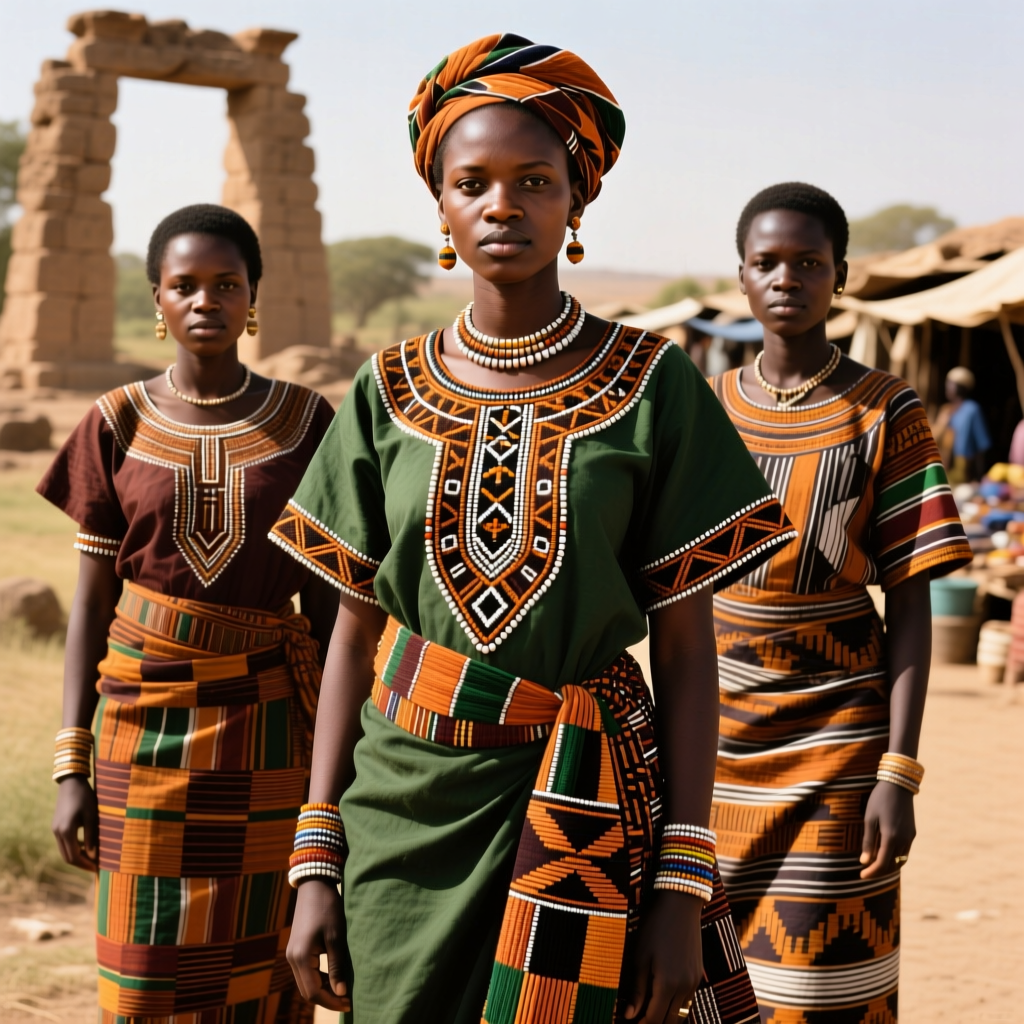
Traditional Clothing in African Countries: A Comprehensive Cultural Guide
Africa is a continent of extraordinary diversity — home to over 54 nations, thousands of ethnic groups, and an even greater number of languages, customs, and artistic traditions. Among the most vivid and tangible expressions of this cultural richness is the continent's traditional clothing. From the flowing indigo-dyed robes of West Africa to the intricate beaded garments of the Maasai in East Africa, traditional African clothing is far more than mere adornment. It is a living archive of history, identity, social status, spiritual belief, and artistic innovation.
For centuries, garments across the African continent have served as powerful communicators. The colors, patterns, textures, and silhouettes of traditional attire convey messages about a person's age, marital status, occupation, clan affiliation, and even political allegiance. Clothing has played a central role in rites of passage, religious ceremonies, royal courts, and everyday communal life. Understanding traditional clothing in African countries requires looking beyond aesthetics to appreciate the deep cultural frameworks that give each garment its meaning.
In this comprehensive guide, we journey across the continent to explore the origins, characteristics, regional variations, and enduring cultural significance of traditional African clothing. Whether you are a fashion enthusiast, a cultural researcher, or simply curious about the sartorial heritage of Africa, this guide offers a detailed and respectful exploration of one of the world's most fascinating textile traditions. For more in-depth explorations of specific garments and textile traditions, visit our complete guides collection at The Garment Atlas.
Origins & Historical Foundations of African Traditional Clothing
The story of traditional clothing in Africa stretches back millennia, long before the arrival of woven textiles as we know them today. Archaeological evidence suggests that early African communities used animal hides, tree bark, and plant fibers to create protective garments. In ancient Egypt, linen woven from flax was produced as early as 3000 BCE, making it one of the oldest textile traditions on the continent and indeed the world. The Egyptians developed sophisticated weaving techniques and used clothing as a marker of social hierarchy, with finely pleated garments reserved for royalty and the priesthood.
As trade networks expanded across the Sahara Desert, the Indian Ocean, and later the Atlantic, African textile traditions absorbed and transformed outside influences. Arab traders introduced cotton cultivation and new weaving techniques to West Africa beginning around the 8th century. Indian Ocean trade brought silk, cotton, and dyeing methods from South Asia to the Swahili Coast, where they merged with local traditions to create distinctive East African textile cultures. Portuguese and Dutch traders later introduced European fabrics and wax-printing techniques, which African artisans reinterpreted and made entirely their own.
Despite these external influences, the core philosophy behind African clothing has remained remarkably consistent: garments are not passive coverings but active participants in social and spiritual life. In many traditional African societies, cloth itself is considered a form of currency, a sacred object, and a medium of artistic expression. Among the Ashanti people of Ghana, for example, kente cloth was historically reserved for royalty and was believed to carry spiritual power. The Dogon people of Mali associate weaving with the creation of the universe itself, embedding cosmological meaning into every thread.
The production of traditional textiles has always been a communal endeavor. Spinning, dyeing, weaving, and embellishing are often divided among specialized artisans — frequently organized by gender, caste, or family lineage. Indigo dyeing, for instance, has been practiced for centuries by Yoruba women in Nigeria using resist-dyeing techniques, while the narrow-strip weaving of kente and aso-oke cloth has traditionally been the domain of male weavers. This division of labor reflects broader social structures and underscores the idea that clothing production is inseparable from community life. To learn more about how textile craftsmanship shapes cultural identity, explore our cultural heritage resources.
Iconic Garments & Textile Traditions Across the Continent
Africa's traditional clothing encompasses an astonishing range of garments, each reflecting the unique environment, history, and worldview of the people who created it. Below are some of the most iconic and culturally significant textile traditions found across the continent.
Kente Cloth — Ghana
Perhaps the most globally recognized African textile, kente cloth originates from the Ashanti and Ewe peoples of Ghana. Woven in narrow strips on horizontal looms, kente is characterized by its bold geometric patterns and vibrant colors. Each pattern — known as an adweneasa — carries a specific name and meaning. For example, the pattern "Fathia Fata Nkrumah" was created to celebrate the marriage of Ghana's first president to an Egyptian woman, symbolizing Pan-African unity. Colors in kente are equally symbolic: gold represents royalty and wealth, green signifies growth and spiritual renewal, and black denotes maturity and ancestral energy. Traditionally, kente was worn draped over the body in a toga-like fashion by Ashanti kings and nobility during important state occasions.
Boubou (Agbada / Grand Boubou) — West Africa
The boubou, also known as the agbada in Nigeria or the grand boubou in Francophone West Africa, is a flowing, wide-sleeved robe worn by both men and women across the Sahel and West African regions. Its origins can be traced to the ancient empires of Ghana, Mali, and Songhai, where it was worn by royalty and Islamic scholars. The grand boubou typically consists of three pieces: a long-sleeved shirt, loose-fitting trousers, and the voluminous outer robe itself. It is often elaborately embroidered around the neckline and chest, with the quality and complexity of the embroidery signaling the wearer's social standing. Today, the boubou remains a staple of formal and ceremonial dress throughout West Africa and the diaspora.
Kanga & Kitenge — East Africa
In East Africa, particularly in Tanzania, Kenya, and the Swahili Coast, the kanga and kitenge are beloved everyday garments with deep cultural resonance. The kanga is a rectangular cotton cloth, typically measuring about 1.5 by 1 meter, featuring bold printed patterns and — most distinctively — a Swahili proverb or saying printed along the bottom border. These proverbs, known as jina, allow wearers to communicate messages, offer advice, or even express grievances without speaking a word. The kitenge (also called chitenge) is a heavier, more versatile fabric used to make tailored dresses, skirts, headwraps, and even baby carriers. Both garments reflect the cosmopolitan trading history of the Swahili Coast, blending African, Arab, Indian, and European textile influences into something uniquely East African.
Dashiki — West Africa & the Diaspora
The dashiki is a colorful, loose-fitting pullover garment with origins in West Africa, particularly among the Yoruba people of Nigeria, where the word derives from the Yoruba term dàńśíkí, itself borrowed from the Hausa word for a short, sleeveless tunic. The modern dashiki, with its distinctive V-shaped embroidered neckline and bold printed or woven patterns, gained international prominence during the 1960s and 1970s as a symbol of Black pride and Pan-African identity in the United States. While it has become somewhat commercialized globally, in its traditional context the dashiki remains a meaningful garment worn during cultural celebrations, religious services, and community gatherings.
Shweshwe — Southern Africa
Shweshwe is a printed cotton fabric that has become synonymous with Southern African fashion, particularly among the Sotho and Xhosa peoples of South Africa and Lesotho. Originally imported from Europe in the 19th century — with roots tracing back to indigo-dyed cloth from India and France — shweshwe was adopted and transformed by local communities who gave it cultural significance and distinctive styling. The fabric features intricate geometric patterns, traditionally in indigo blue, chocolate brown, or red, and is used to make dresses, skirts, and ceremonial garments. Among Xhosa women, shweshwe plays an important role in traditional coming-of-age ceremonies and wedding preparations.
For a deeper look at how these garments compare with traditional clothing from other world regions, browse our global traditional clothing guides.
Regional Variations: How Geography Shapes Dress
Africa's immense geographic diversity — from the Sahara Desert in the north to the tropical rainforests of the Congo Basin, the savannas of East Africa, and the temperate coasts of the south — has profoundly influenced the materials, construction, and styling of traditional clothing across the continent.
North Africa
In North African countries such as Morocco, Tunisia, Algeria, and Egypt, traditional clothing reflects a blend of indigenous Berber (Amazigh), Arab, Islamic, and Mediterranean influences. The djellaba, a long, hooded robe with wide sleeves, is widely worn across the Maghreb region by both men and women. In Morocco, the kaftan — an elaborately decorated, ankle-length garment — is a centerpiece of women's formal and ceremonial wear, often crafted from silk, brocade, or velvet and embellished with gold or silver thread embroidery known as sfifa. Berber communities in the Atlas Mountains maintain their own distinctive textile traditions, including handwoven wool cloaks called aselham and vibrant hand-knotted rugs that double as wearable blankets in the harsh mountain climate. The haik, a large rectangular cloth draped around the body, is another traditional garment with deep historical roots in the region.
West Africa
West Africa is one of the continent's most prolific regions for textile production and innovation. Beyond kente and the boubou, the region is home to the Yoruba aso-oke cloth of Nigeria — a handwoven fabric made from cotton, silk, and metallic threads, worn during weddings, funerals, and chieftaincy ceremonies. The Hausa people of northern Nigeria and Niger are known for their beautifully embroidered babban riga, a flowing gown similar to the boubou but with distinct Hausa aesthetic sensibilities. In Senegal and Gambia, the mbubb (a long, loose gown) is commonly worn, often paired with matching trousers. Mali's bogolanfini, or mud cloth, is a hand-dyed cotton fabric decorated with fermented mud and plant-based dyes, creating striking brown, black, and white patterns that carry symbolic meanings related to social status, protection, and historical events. The influence of West African textiles extends far beyond the continent, shaping fashion and cultural expression throughout the African diaspora.
East Africa
East African traditional clothing is shaped by the region's pastoral and agrarian communities, as well as centuries of Indian Ocean trade. The Maasai people of Kenya and Tanzania are renowned for their distinctive red shuka — a checked or plaid cloth wrapped around the body — and their elaborate beaded jewelry, which communicates age, social status, and clan identity. The colors and patterns of Maasai beadwork are highly codified: red symbolizes bravery and unity, white represents peace and purity, and green denotes the land and sustenance. In Ethiopia, the habesha kemis is a traditional white cotton dress worn by women, featuring intricate embroidered borders called tibeb along the neckline, sleeves, and hem. Ethiopian and Eritrean men traditionally wear the gabi, a thick, handwoven cotton blanket-like garment draped over the shoulders. Along the Swahili Coast, the kanzu — a long white robe of Arabic origin — remains standard formal wear for men, reflecting the region's deep Islamic heritage.
Central Africa
In Central Africa, traditional clothing often incorporates raffia palm fiber, bark cloth, and woven grasses, reflecting the region's dense tropical environment. The Kuba people of the Democratic Republic of Congo are celebrated for their extraordinary raffia textiles, which feature complex geometric appliqué and cut-pile embroidery techniques. Kuba cloth, known as shoowa, was historically used as currency, ceremonial regalia, and burial shrouds for nobility. The Pygmy communities of the Congo Basin have traditionally worn garments made from beaten bark cloth, a practice that predates woven textiles. In urban Central African settings, the abacost — a short-sleeved, collarless suit popularized in Zaire (now DRC) — became a symbol of post-colonial national identity, demonstrating how traditional and modern clothing concepts continue to evolve.
Southern Africa
Southern African traditional clothing is remarkably diverse, reflecting the region's many ethnic groups. The Zulu people of South Africa are known for their beadwork and animal-skin garments, with specific combinations of beads and pelts indicating age, gender, and marital status. Zulu married women traditionally wear the isicholo, a large, flared hat made from grass and cotton, which has become an internationally recognized symbol of Zulu identity. The Herero people of Namibia wear distinctive Victorian-inspired long dresses and horn-shaped headdresses called otjikaiva — a style adopted and transformed from German colonial-era dress into a proud marker of Herero cultural identity. The Basotho people of Lesotho are famous for their beautifully patterned wool blankets, known as seanamarena, which are worn draped over the shoulders and carry deep symbolic significance related to status, clan identity, and life milestones. Learn more about these fascinating garment traditions in our garment guides archive.
Cultural Significance & the Role of Clothing in African Societies
Traditional clothing in African countries is never merely decorative. It operates as a sophisticated system of visual communication, embedding layers of meaning that are legible to those who understand the cultural codes. Understanding this significance is essential to appreciating African textile heritage in its full depth.
Identity & Social Status
Across the continent, clothing functions as a primary marker of personal and group identity. Among the Ashanti, the specific kente pattern worn by an individual communicates their clan affiliation, social rank, and the nature of the occasion. In many West African societies, the quality of fabric, the complexity of embroidery, and the number of garments layered together all serve as visible indicators of wealth and prestige. Among the Tuareg people of the Sahara, the indigo-dyed veil called the tagelmust worn by men signals maturity, social standing, and ethnic identity — and is considered more important than any other article of clothing.
Rites of Passage & Ceremonial Life
Traditional clothing plays a central role in life's most important transitions. During naming ceremonies, initiation rites, weddings, and funerals, specific garments are prescribed by custom and carry profound symbolic weight. Among the Xhosa people of South Africa, young women undergoing the intonjane initiation rite wear specific beaded garments and body adornments that mark their transition from childhood to womanhood. In Yoruba culture, the aso-ebi tradition — in which family members and friends wear matching fabrics to a celebration — creates visual unity and reinforces social bonds at weddings, funerals, and other significant events. Funeral cloth across many African cultures is carefully selected to honor the deceased, with specific colors and patterns associated with mourning, celebration of life, and ancestral veneration.
Spiritual & Protective Functions
In many African traditions, clothing is believed to carry spiritual power. Amulets, talismans, and sacred symbols are often incorporated into garments to protect the wearer from harm, attract good fortune, or connect with ancestral spirits. The bogolanfini (mud cloth) of Mali features symbols believed to offer supernatural protection to hunters and warriors. Among the Dogon, woven blankets carry cosmological significance, with the act of weaving itself seen as a reenactment of the divine creation of the world. In Ethiopian Orthodox Christian tradition, the gabi is worn during prayer and religious services, serving both a practical and devotional function.
Artistic Expression & Economic Life
Textile production has historically been one of Africa's most important artistic and economic activities. Weaving, dyeing, embroidery, and beadwork are highly skilled crafts passed down through generations, often within specific families or guilds. The textile trade has shaped the economic history of the continent — from the trans-Saharan trade in cloth to the Indian Ocean commerce in cotton and silk. Today, traditional textile production continues to provide livelihoods for millions of artisans across Africa, while also serving as a powerful medium for contemporary artistic expression. Many African fashion designers draw on traditional textile techniques and motifs to create modern garments that honor heritage while pushing creative boundaries. Discover more about the intersection of heritage and design in our textile traditions section.
Preservation, Modern Adaptation & the Future of African Traditional Clothing
As globalization accelerates and Western-style clothing becomes increasingly ubiquitous, questions about the preservation of traditional African clothing have gained urgency. Yet far from being static relics of the past, traditional garments across the continent continue to evolve, adapt, and thrive in new contexts.
One of the most significant developments in recent decades has been the rise of African fashion designers who seamlessly blend traditional textile techniques with contemporary silhouettes and global fashion sensibilities. Designers from Lagos to Nairobi, Dakar to Johannesburg are reimagining kente, aso-oke, shweshwe, and bogolanfini for modern wardrobes, bringing African textile heritage to international runways and retail markets. This creative fusion ensures that traditional crafts remain economically viable and culturally relevant for new generations.
At the same time, community-led preservation efforts are working to safeguard endangered textile traditions. Organizations and artisan cooperatives across the continent are documenting traditional techniques, training young weavers and dyers, and advocating for the protection of indigenous textile knowledge from cultural appropriation and mass-produced imitations. The debate around African wax print — much of which is manufactured in Europe and Asia rather than on the continent — highlights the complex relationship between tradition, authenticity, and global trade.
Traditional clothing also continues to play a vital role in diaspora communities, where garments like the dashiki, kente stole, and headwrap serve as powerful symbols of cultural pride, ancestral connection, and resistance. From Juneteenth celebrations in the United States to Caribbean Carnival costumes rooted in West African masquerade traditions, the influence of African clothing extends far beyond the continent's borders.
The future of traditional African clothing lies not in freezing it in time but in supporting the living, breathing communities of artisans, designers, and wearers who continue to give it meaning. By understanding the history, craftsmanship, and cultural depth behind these garments, we can engage with African textile heritage in ways that are respectful, informed, and genuinely celebratory. Explore our full collection of garment guides to continue your journey through the world's clothing traditions.
Frequently Asked Questions
What is the most widely recognized traditional African fabric?
Kente cloth from Ghana is arguably the most internationally recognized African textile, known for its vibrant, hand-woven geometric patterns and deep symbolic meanings. However, other fabrics such as African wax print (ankara), mud cloth (bogolanfini) from Mali, aso-oke from Nigeria, and shweshwe from Southern Africa are also widely celebrated and have significant global visibility. Each fabric has its own unique production methods, cultural associations, and regional importance. The diversity of African textiles means there is no single fabric that represents the entire continent — rather, each region and community contributes its own distinct tradition to the broader tapestry of African textile heritage.
How do colors and patterns in traditional African clothing convey meaning?
Colors and patterns in African traditional clothing function as a sophisticated visual language. In kente cloth, for example, gold represents royalty and wealth, green symbolizes growth and renewal, red signifies political passion or spiritual intensity, and blue denotes harmony and peace. Among the Maasai, red is associated with bravery and the blood of cattle, while white represents purity. Patterns can encode proverbs, historical events, clan identities, or philosophical concepts. The specific meaning of a color or pattern is always culturally contextual — what red signifies in one community may carry a completely different meaning in another. This complexity is what makes African textile traditions so rich and worthy of careful study.
Is it appropriate for non-Africans to wear traditional African clothing?
This is a nuanced question that deserves thoughtful consideration. Many African communities welcome the respectful appreciation and wearing of their traditional garments, particularly when purchased directly from African artisans and designers, which supports local economies. The key distinction is between appreciation and appropriation. Wearing a kente stole purchased from a Ghanaian weaver at a graduation ceremony, for example, is generally seen as respectful engagement. However, wearing sacred or ceremonial garments without understanding their significance, or purchasing mass-produced imitations that undercut authentic artisans, raises ethical concerns. The best approach is to educate yourself about the cultural context of any garment you wish to wear, purchase from authentic sources, and wear it with genuine respect and understanding.
What is the difference between African wax print and traditional hand-woven textiles?
African wax print — often called ankara — is a machine-produced cotton fabric featuring bold, colorful patterns created through a wax-resist dyeing process. Its origins trace back to Indonesian batik, which was adapted by Dutch manufacturers in the 19th century and subsequently embraced and transformed by West African consumers. While wax print has become deeply embedded in African fashion and culture, it is fundamentally different from hand-woven textiles like kente, aso-oke, or Kuba cloth, which are produced on traditional looms using techniques passed down through generations. Hand-woven textiles tend to carry deeper ceremonial and symbolic significance, while wax print is more commonly used for everyday and fashionable clothing. Both, however, are integral parts of contemporary African textile culture.
How are traditional African textile techniques being preserved today?
Preservation efforts take many forms across the continent and the diaspora. Artisan cooperatives and weaving villages continue to practice and transmit traditional techniques to younger generations, often supported by cultural heritage organizations and social enterprises. Museums and academic institutions are documenting endangered textile practices through research, photography, and oral history projects. Fashion schools across Africa are incorporating traditional techniques into their curricula, ensuring that future designers understand and value these crafts. International organizations such as UNESCO have recognized certain African textile traditions as Intangible Cultural Heritage, providing additional frameworks for protection. Perhaps most importantly, the growing global demand for authentic, ethically produced African textiles is creating economic incentives for artisans to sustain their craft, demonstrating that cultural preservation and economic viability can go hand in hand. Visit our cultural heritage hub to learn more about preservation efforts worldwide.