Traditional African Clothing for Men: A Comprehensive Cultural Guide
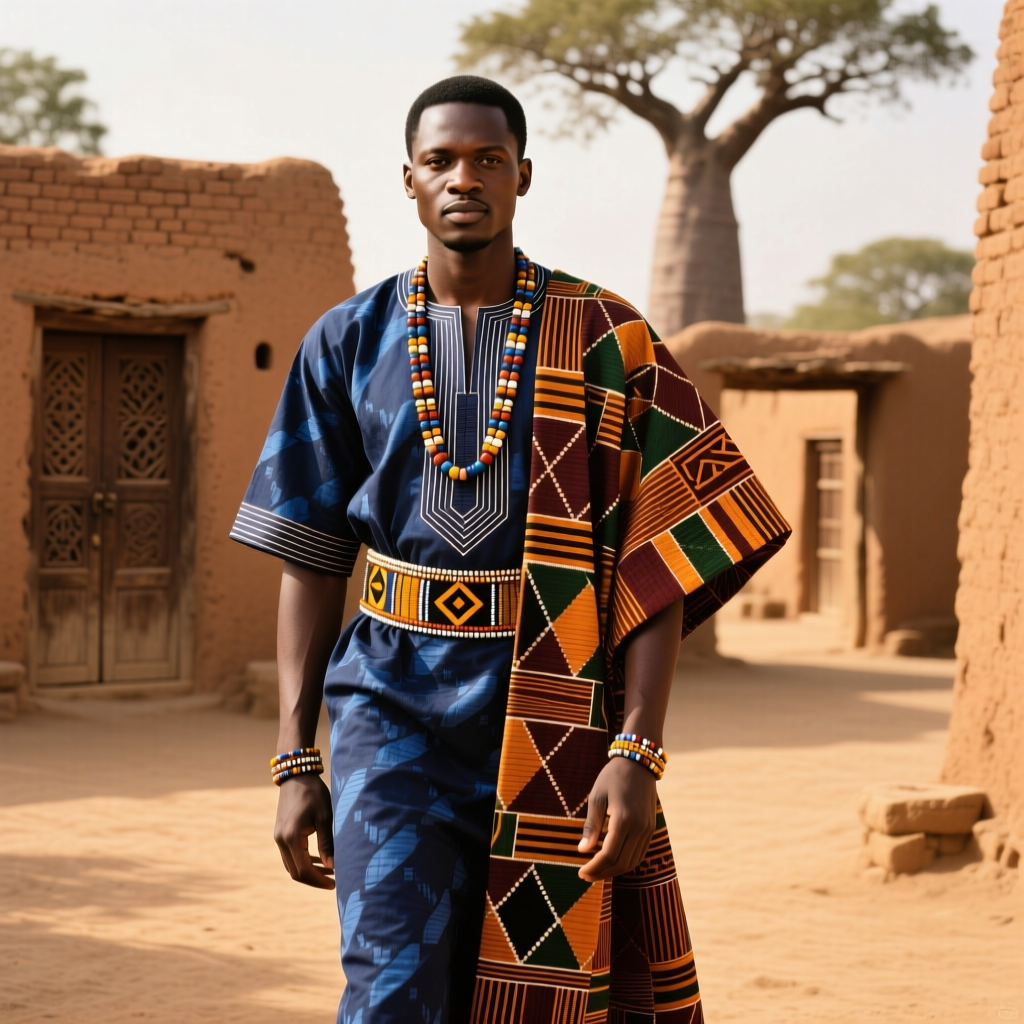
Across the vast and diverse continent of Africa, clothing has always served as far more than mere protection from the elements. For centuries, traditional African clothing for men has functioned as a living language — communicating identity, social status, spiritual beliefs, ethnic affiliation, and personal achievements through every thread, pattern, and color. From the flowing grand boubou of West Africa to the intricately beaded garments of the Maasai in the east, men's traditional attire across the continent represents one of the most richly varied sartorial traditions on Earth.
Understanding traditional African clothing for men requires us to look beyond fashion and into the heart of cultural expression. Each garment carries the weight of ancestral knowledge, the artistry of skilled craftspeople, and the pride of communities that have preserved these traditions through generations of change. Whether draped, wrapped, tailored, or adorned, these garments tell stories that written words alone cannot capture.
In this comprehensive guide, we explore the origins, characteristics, regional variations, and enduring cultural significance of traditional African men's clothing — offering a deep appreciation for garments that continue to inspire and evolve in the modern world.
Origins and Historical Foundations of Traditional African Men's Clothing
The history of traditional African clothing for men stretches back thousands of years, long before the continent's interactions with external trading partners reshaped certain sartorial practices. Archaeological evidence, oral traditions, and ancient artworks reveal that early African societies developed sophisticated textile traditions using locally available materials and ingenious techniques passed down through generations.
Early Materials and Techniques
Before the introduction of imported fabrics, African men's clothing was crafted from an impressive range of indigenous materials. Animal hides and leather were among the earliest textiles, treated and softened through elaborate tanning processes to create garments worn by warriors, hunters, and community leaders. In forested regions, bark cloth — made by beating the inner bark of specific trees until it achieved a soft, workable texture — served as a primary clothing material.
Cotton cultivation and weaving emerged independently in several regions of Africa. The narrow-strip loom, a technology distinct to West Africa, allowed weavers to produce long strips of cloth that were then sewn together to create larger garments. This technique, still practiced today, gives many traditional West African textiles their characteristic striped appearance and is central to the production of fabrics like kente and aso oke.
Trade and Textile Evolution
The trans-Saharan trade routes, Indian Ocean commerce, and later Atlantic trade networks introduced new materials, dyes, and design influences to African textile traditions. Silk threads obtained through trade were incorporated into prestigious garments. Indigo dyeing became a highly specialized craft in regions from Nigeria to Mali, producing deep blue fabrics that signified wealth and refinement. These exchanges did not replace indigenous traditions but rather enriched them, creating hybrid styles that reflected Africa's position at the crossroads of global commerce.
The introduction of European-manufactured textiles during the colonial period added another layer of complexity. Far from abandoning their traditions, African men creatively incorporated imported fabrics into existing garment forms, developing new styles that maintained cultural authenticity while embracing new possibilities. This adaptive creativity remains a defining characteristic of African fashion to this day.
Iconic Garments and Their Defining Characteristics
Traditional African clothing for men encompasses an extraordinary variety of garment types, each with distinctive construction methods, silhouettes, and decorative elements. Understanding these iconic pieces provides essential insight into the continent's sartorial heritage.
The Grand Boubou (Agbada / Babban Riga)
Perhaps the most widely recognized traditional African men's garment, the grand boubou is a flowing, wide-sleeved robe worn across much of West Africa and parts of Central Africa. Known as agbada among the Yoruba of Nigeria, babban riga among the Hausa, and mbubb in Wolof, this imposing garment typically consists of three pieces: a large outer robe with dramatically wide sleeves, a long-sleeved shirt worn beneath, and matching trousers called sokoto or kaftan pants.
The grandeur of the boubou lies in its volume and the quality of its embroidery. Master embroiderers spend weeks or even months creating intricate patterns along the neckline, chest panel, and sleeve edges. The most prestigious examples feature hand embroidery using silk or metallic threads, with motifs that may include geometric patterns, stylized flora, and symbolic designs carrying specific meanings. The fabric itself — often damask, brocade, or hand-woven cotton — is selected for its quality, drape, and luster.
A well-tailored grand boubou is designed to project dignity and authority. The wearer must learn to manage the voluminous sleeves, folding them over the shoulders in a manner that conveys elegance and composure. This mastery of movement is itself considered a mark of cultural sophistication.
Kente Cloth and Wrapped Garments
Among the Akan peoples of Ghana, particularly the Ashanti and Ewe, kente cloth holds an exalted position in men's traditional dress. This hand-woven textile, produced on narrow-strip looms, features boldly colored geometric patterns arranged in named designs, each carrying specific proverbs, historical references, or philosophical concepts.
Men traditionally wear kente as a large wrapped cloth, draped over one shoulder and wrapped around the body in a manner reminiscent of a toga. The way the cloth is draped — which shoulder is exposed, how the folds fall, the length that reaches the ground — follows established conventions that communicate the wearer's status and the formality of the occasion. A chief or elder at a significant ceremony may wear kente in a full, floor-length drape, while a younger man at a festive gathering might adopt a shorter, more practical arrangement.
The colors in kente are deeply symbolic: gold represents royalty and wealth, green signifies growth and spiritual renewal, blue denotes peace and harmony, red recalls bloodshed and sacrifice, and black represents maturity and ancestral energy. The combination of colors and patterns in a particular kente cloth creates a complex visual statement that knowledgeable observers can read like a text.
The Dashiki and Kaftan
The dashiki — a loose-fitting pullover shirt with a distinctive V-shaped neckline and ornate embroidery around the collar and chest — has become one of the most internationally recognized symbols of African men's clothing. Originating in West Africa, the dashiki ranges from simple everyday versions in printed cotton to elaborately embroidered examples suitable for formal occasions.
The kaftan (or caftan), while having roots that extend across North Africa and the Middle East, has been thoroughly embraced and adapted within sub-Saharan African traditions. African men's kaftans are typically long, flowing garments that reach to the ankles, often featuring elaborate embroidery and crafted from richly colored or patterned fabrics. In many communities, the kaftan serves as an alternative to the full agbada for occasions that call for traditional dress but perhaps slightly less formality.
The Kanzu and Kofia of East Africa
In East Africa, particularly along the Swahili Coast, the kanzu — a long, white or cream-colored robe — serves as the foundational garment of traditional men's dress. Introduced through Arab trade contacts centuries ago, the kanzu has been thoroughly integrated into East African culture and is worn by men across Kenya, Tanzania, Uganda, and the Comoros Islands.
The kanzu is typically paired with a kofia, a cylindrical or rounded cap often featuring intricate embroidery or perforated patterns. For formal occasions, a suit jacket or a tailored coat called a bisht may be worn over the kanzu. The overall effect is one of clean elegance, with the pristine white of the garment symbolizing purity and respectability.
Regional Variations Across the Continent
Africa's enormous geographic, climatic, and cultural diversity produces a stunning range of regional variations in men's traditional clothing. What a man wears in the Sahel differs dramatically from what is traditional in the tropical forests, coastal regions, or southern grasslands.
West Africa: A Textile Powerhouse
West Africa boasts perhaps the most internationally visible tradition of men's clothing on the continent, thanks to the region's extraordinary textile heritage. Beyond the agbada and kente already discussed, the region is home to numerous distinctive styles.
Among the Yoruba of southwestern Nigeria, men's traditional attire includes the fila (cap), buba (loose shirt), sokoto (trousers), and agbada or gbariye (outer robe). The aso oke fabric, a hand-woven textile with a slightly thicker weight than kente, is particularly prized for formal occasions and is often woven in custom color combinations for specific events. The Yoruba fila cap is itself an expressive element — the direction in which it is tilted can convey messages about the wearer's mood, intentions, or marital status.
In Mali, the bogolanfini (mud cloth) tradition produces distinctive brown and black patterned fabrics that Bambara men wear as wrappers or tailored garments. The geometric patterns in mud cloth carry symbolic meanings related to hunting, agriculture, and social values. Among the Tuareg of the Saharan regions, men wear the tagelmust — an indigo-dyed veil and turban combination that serves both practical and cultural functions, protecting against desert sun and sand while signifying male maturity and dignity.
East Africa: Swahili Elegance and Pastoral Traditions
East African men's traditional clothing reflects the region's complex history of indigenous, Arab, and Indian Ocean influences. The kanzu and kofia dominate along the coast, while inland communities maintain distinct traditions.
The Maasai of Kenya and Tanzania are renowned for their shuka — a wrapped blanket-like garment, most commonly in bold red with plaid or striped patterns. Maasai men layer their shuka in distinctive ways, and the garment is complemented by elaborate beaded jewelry, including necklaces, bracelets, and earrings that communicate age-set membership, social status, and personal achievements. The iconic red color is believed to protect against wild animals and represents the earth and bravery.
In Ethiopia, men traditionally wear the habesha kemis equivalent for men — a white cotton garment called a gabi or netela, draped over a long white shirt and trousers. These garments feature tibeb — colorful woven borders that range from simple stripes to elaborate multi-colored patterns. Ethiopian traditional dress maintains a distinctive aesthetic that sets it apart from other African regions, reflecting the country's unique historical trajectory.
Southern Africa: Blankets, Beadwork, and Animal Skins
Southern African men's traditional clothing includes some of the continent's most visually striking garments. Among the Basotho of Lesotho and South Africa, the Seanamarena blanket is a magnificent woven wool blanket worn draped over the shoulders like a cloak. These blankets feature distinctive patterns and color combinations, with specific designs reserved for chiefs, married men, or particular ceremonies. The Basotho blanket has become an enduring symbol of national identity.
Zulu traditional dress for men historically centered on animal skins and furs, with specific pelts designated for different ranks and occasions. Leopard skin, in particular, was reserved for royalty and high-ranking chiefs. Today, while everyday dress has changed dramatically, these elements are preserved and proudly displayed during cultural ceremonies, weddings, and traditional gatherings. Beaded accessories — including chest plates, armbands, and headbands — complement the garments and carry their own communicative significance.
The Xhosa people maintain traditions involving wrapped blankets, beaded necklaces called ithumbu, and distinctive hairstyles that mark different stages of male initiation and maturity. Among the Ndebele, vivid geometric patterns — echoed in their famous house paintings — appear in beaded aprons and accessories worn during ceremonies.
North Africa: Mediterranean and Saharan Crossroads
North African men's traditional clothing reflects the region's position at the intersection of African, Arab, and Mediterranean cultures. The djellaba — a long, loose-fitting robe with a pointed hood called a qob — is widely worn across Morocco, Algeria, and Tunisia. Crafted from wool in winter and cotton or linen in summer, the djellaba ranges from simple everyday versions to finely tailored examples adorned with sfifa (decorative braid trim) in silk or metallic thread.
In Egypt and the Sudan, the galabiya — a collarless, loose-fitting robe — serves as the traditional everyday garment for men, often accompanied by a turban or cap. The quality of fabric and fineness of construction distinguish formal from casual versions. Throughout the Sahara, various nomadic and semi-nomadic peoples maintain clothing traditions adapted to extreme desert conditions, featuring layered garments, face coverings, and indigo-dyed fabrics that provide both protection and cultural identity.
Cultural Significance and the Meaning Behind the Garments
Traditional African clothing for men is never merely decorative. Every element — from color choice to pattern selection, from fabric quality to the manner of wearing — carries layers of meaning that connect the wearer to community, ancestry, and cosmic order.
Status, Leadership, and Social Hierarchy
Across virtually all African societies, clothing serves as a primary indicator of social position. Chiefs, kings, and elders wear garments made from the finest materials, featuring the most elaborate embroidery or weaving, and incorporating elements — such as specific colors, animal skins, or bead configurations — that are restricted to their rank. Among the Ashanti, only the Asantehene (king) may wear certain kente patterns, making his clothing an extension of royal authority itself.
Age-grade systems, common across many African societies, use clothing to mark the progression of men through life stages. Initiation ceremonies often involve the bestowal of new garments that signify a young man's transition to warrior status, elderhood, or community leadership. These sartorial transitions are among the most significant moments in a man's life and are celebrated with elaborate ceremonies.
Spiritual and Ceremonial Dimensions
Many traditional African men's garments carry spiritual significance. Specific colors may be associated with particular deities or spiritual forces. White, for instance, is widely associated with purity, spirituality, and connection to ancestors across numerous African cultures. Red may represent life force, sacrifice, or martial courage. Certain patterns are believed to offer spiritual protection, ward off negative energies, or invoke the blessings of ancestors.
Ceremonial occasions — including weddings, naming ceremonies, harvest festivals, and funerary rites — demand specific types of traditional dress. A man attending a Yoruba wedding, for example, would select his agbada and accessories with great care, choosing colors and patterns appropriate to the celebration and his relationship to the families involved. At funeral ceremonies, the choice of clothing communicates grief, respect for the deceased, and the social standing of both the mourner and the departed.
Identity and Belonging
Traditional clothing serves as a powerful marker of ethnic and cultural identity. In multi-ethnic societies, the garments a man wears immediately communicate his community of origin. This function becomes especially important during cultural festivals, political gatherings, and diaspora celebrations, where traditional dress becomes an act of cultural affirmation and solidarity.
For African men living in the diaspora, traditional clothing often takes on heightened significance as a tangible connection to heritage. Wearing a dashiki, kente cloth, or agbada at graduations, weddings, and cultural celebrations becomes an act of identity reclamation and ancestral honor. This practice has contributed to the global visibility and continued vitality of traditional African men's clothing.
Preserving and Evolving Traditions in the Modern Era
The story of traditional African clothing for men is not one of static preservation but of dynamic evolution. Contemporary African designers, artisans, and cultural custodians are finding innovative ways to keep these traditions alive while allowing them to grow and adapt to modern contexts.
The Role of Artisans and Master Craftspeople
Behind every exceptional piece of traditional African men's clothing stands a skilled artisan — a weaver, dyer, embroiderer, tailor, or beader whose expertise represents years or decades of dedicated practice. In many communities, these skills are transmitted within families or through apprenticeship systems that ensure the continuity of technique and aesthetic knowledge.
Supporting these artisans — by purchasing authentic, handcrafted garments rather than mass-produced imitations — is essential to the survival of traditional clothing practices. Organizations and cooperatives across the continent work to preserve endangered textile techniques, train new generations of craftspeople, and connect traditional artisans with markets that value their work appropriately.
Contemporary Adaptations and Global Influence
Modern African menswear designers are creating exciting fusions that honor traditional garment forms while incorporating contemporary tailoring, new fabric technologies, and global fashion sensibilities. A slim-cut agbada in unexpected colors, a kente-inspired print applied to modern silhouettes, or a dashiki reimagined with minimalist embroidery — these innovations ensure that traditional African clothing remains relevant and appealing to younger generations.
The global fashion industry has increasingly recognized the richness of African men's traditional clothing as a source of inspiration. However, this attention brings important questions about cultural appropriation versus appreciation. The most respectful engagements center African designers and artisans, credit specific cultural sources, and ensure that economic benefits flow back to the communities that originated these traditions.
Traditional Clothing in Contemporary Life
Today, most African men wear Western-style clothing for everyday activities, reserving traditional garments for significant occasions. This does not diminish the importance of traditional dress — rather, it elevates these garments to a special status that marks celebrations, ceremonies, and cultural events as distinct from ordinary daily life.
Many men maintain a carefully curated collection of traditional garments for different occasions: a simpler dashiki or kaftan for community gatherings, a fine agbada for weddings and major celebrations, and specific garments designated for religious observances or cultural festivals. The act of selecting, wearing, and caring for these garments is itself a practice of cultural engagement and personal pride.
Frequently Asked Questions
What is the most common traditional African clothing for men?
There is no single most common garment, as traditional clothing varies enormously by region and ethnic group. However, the grand boubou (agbada) is among the most widely worn traditional garments across West and Central Africa, while the dashiki has gained pan-African and international recognition. In East Africa, the kanzu is extremely common, and in Southern Africa, wrapped blankets and tailored garments specific to each ethnic group predominate. The diversity of traditional clothing is one of the defining features of African sartorial culture.
How should traditional African men's clothing be worn correctly?
Proper wearing of traditional African clothing involves understanding the conventions specific to each garment. For the agbada, the sleeves should be managed elegantly — typically folded back over the shoulders when active and allowed to drape fully during formal moments. Kente cloth should be wrapped with the correct shoulder exposed and the hem falling at an appropriate length. Caps and hats have their own conventions regarding placement and angle. The best approach is to learn from members of the relevant cultural community or consult knowledgeable tailors and cultural advisors who can provide guidance on proper styling.
Can non-African men wear traditional African clothing?
This question requires sensitivity and context. In many situations, non-African men are welcomed and even honored when they wear traditional African clothing — particularly when attending African cultural events, weddings, or celebrations at the invitation of African hosts. The key considerations are respect, context, and intention. Wearing traditional garments as a costume or without understanding their significance is inappropriate. Purchasing from authentic African designers and artisans, rather than from companies that mass-produce cultural imitations, demonstrates respect for the traditions and supports the communities that created them.
What fabrics are traditionally used in African men's clothing?
Traditional fabrics vary by region and include hand-woven cotton (such as kente, aso oke, and mud cloth), silk and silk-blend textiles, bark cloth, animal hides and leather, and wool (particularly in Southern and North Africa). Imported fabrics like damask, brocade, and lace have been incorporated into traditional garment-making for centuries and are now considered integral to many traditions. The choice of fabric communicates information about the occasion, the wearer's status, and the cultural context. Hand-woven and hand-dyed fabrics generally carry the highest cultural prestige.
Where can I buy authentic traditional African men's clothing?
Authentic traditional African men's clothing can be purchased from African-owned boutiques, specialized online retailers that work directly with artisans, and markets within African communities both on the continent and in the diaspora. When shopping, look for sellers who provide information about the cultural origins of their garments, the artisans who made them, and the materials used. Custom-made garments from African tailors — whether in person or through online services — often provide the best combination of authenticity, quality, and proper fit. Supporting these artisans directly helps sustain traditional craft practices for future generations.
Exploring traditional African clothing for men opens a window into one of humanity's richest cultural heritages. Each garment represents centuries of artistic innovation, social meaning, and community identity. Whether you are seeking to understand these traditions for academic purposes, to appreciate them as a cultural observer, or to incorporate authentic pieces into your own wardrobe, the world of African men's traditional clothing offers endless depth, beauty, and inspiration. The threads that connect past to present, artisan to wearer, and individual to community continue to weave stories that are as vital and compelling today as they were centuries ago.