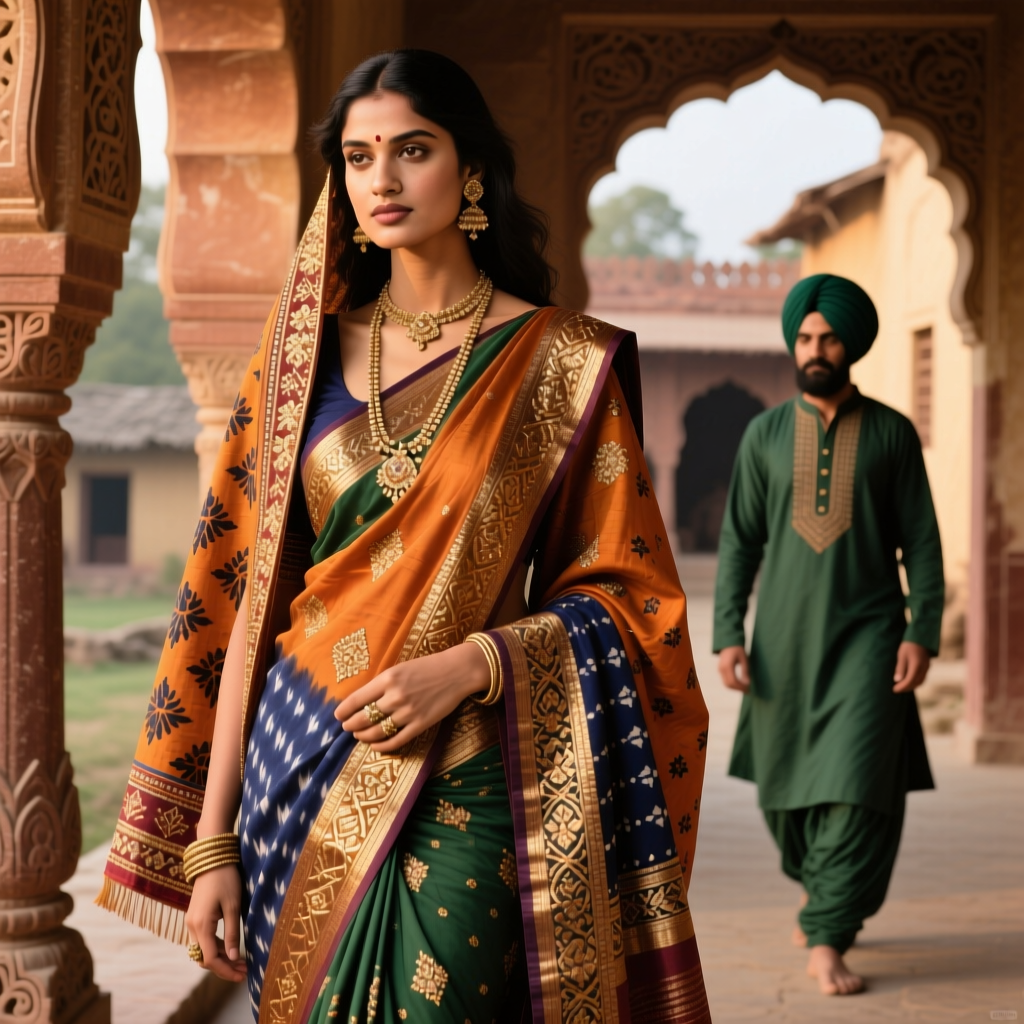
How to Identify Authentic Traditional Textiles

Why Authenticity Matters
As global interest in traditional textiles grows, so does the market for imitations. Mass-produced knockoffs flood tourist markets and online platforms, making it essential to know how to distinguish genuine handcrafted pieces from factory-made copies.
Examining the Fabric
- Check the weave: Hand-woven fabrics have slight irregularities. Perfectly uniform weaving usually indicates machine production.
- Feel the texture: Natural fibers (silk, cotton, wool) have warmth and character. Synthetics feel smooth but lifeless.
- Examine the selvedge: Hand-woven pieces have distinctive edge finishing that machines cannot replicate.
Evaluating Dyes
Natural dyes have softer, more nuanced colors that may vary across the fabric. Synthetic dyes are uniformly intense. The burn test can help: natural fibers burn to ash, while synthetics melt into beads.
Assessing Craftsmanship
Turn the piece over. Handwork looks nearly as clean on the reverse side. Machine embroidery often has visible bobbin thread and jump stitches. Hand-stitched pieces show slight variations in stitch length that indicate human hands.
Red Flags for Fakes
If the price seems too good for genuine handwork, it probably is. Authentic handmade textiles take days to months to create. Mass-produced pieces may have printed patterns that mimic weaving or embroidery. Check for labels, ask about the artisan, and buy from reputable sources.