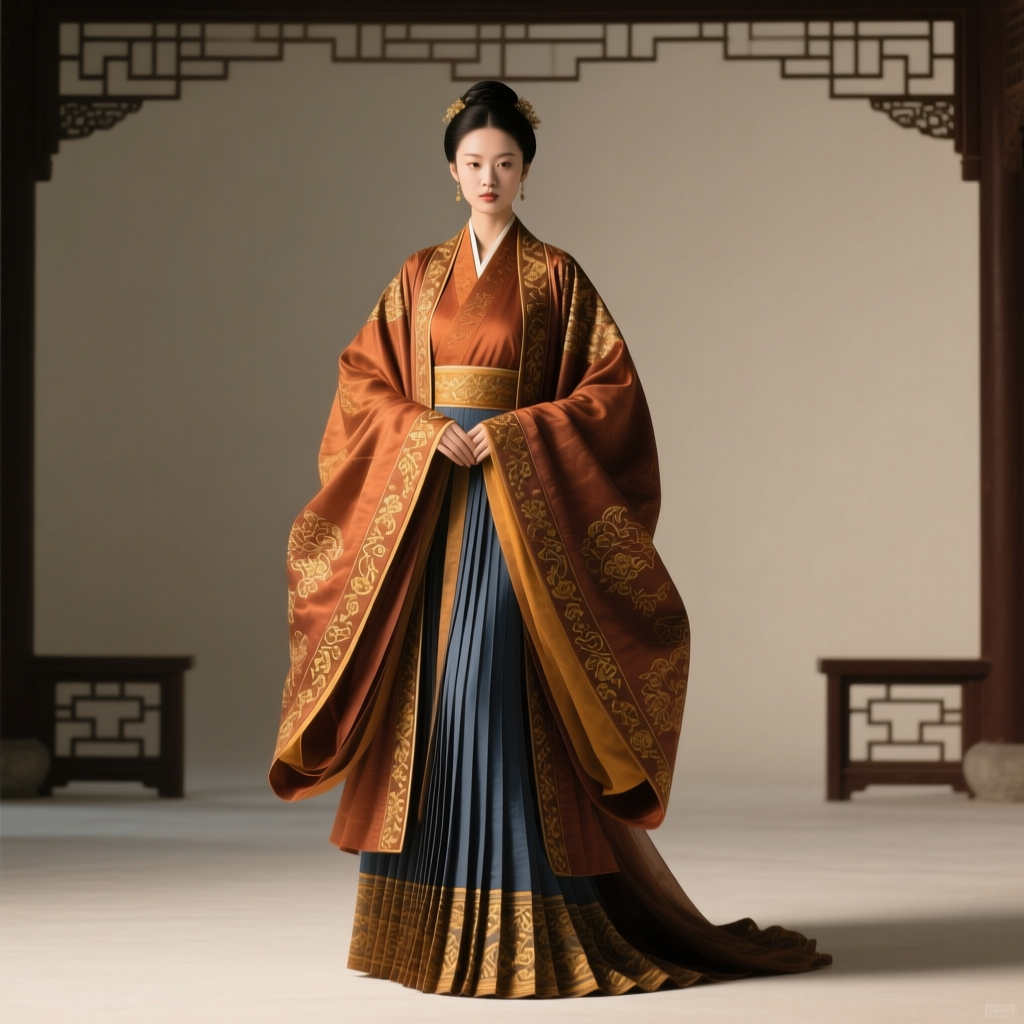
Textile Conservation at Home: Museum Techniques for All
Preserving Textile Heritage
Whether you have a grandmothers wedding dress, a collection of vintage scarves, or antique quilts, proper conservation techniques can extend their life for future generations. These methods, adapted from museum conservation practice, are accessible to home collectors.
Storage Environment
Textiles should be stored at stable temperature (65-70F) and humidity (45-55%). Avoid attics (too hot) and basements (too damp). Use acid-free boxes and tissue paper. Never store textiles in plastic bags, which trap moisture and promote mold growth.
Handling
Always handle historic textiles with clean, dry hands. Avoid wearing jewelry that might snag delicate fabrics. Support the full weight of the garment when moving it — never lift by straps, sleeves, or other weak points. Minimize handling to reduce stress on fibers.
Display Considerations
If displaying textiles, avoid direct sunlight and fluorescent lighting. Rotate displayed items every 3-6 months to limit light exposure. Use padded hangers for garments and support flat textiles on acid-free boards. Never pin or staple historic textiles for display.