Traditional African Clothing for Women: A Comprehensive Cultural Guide
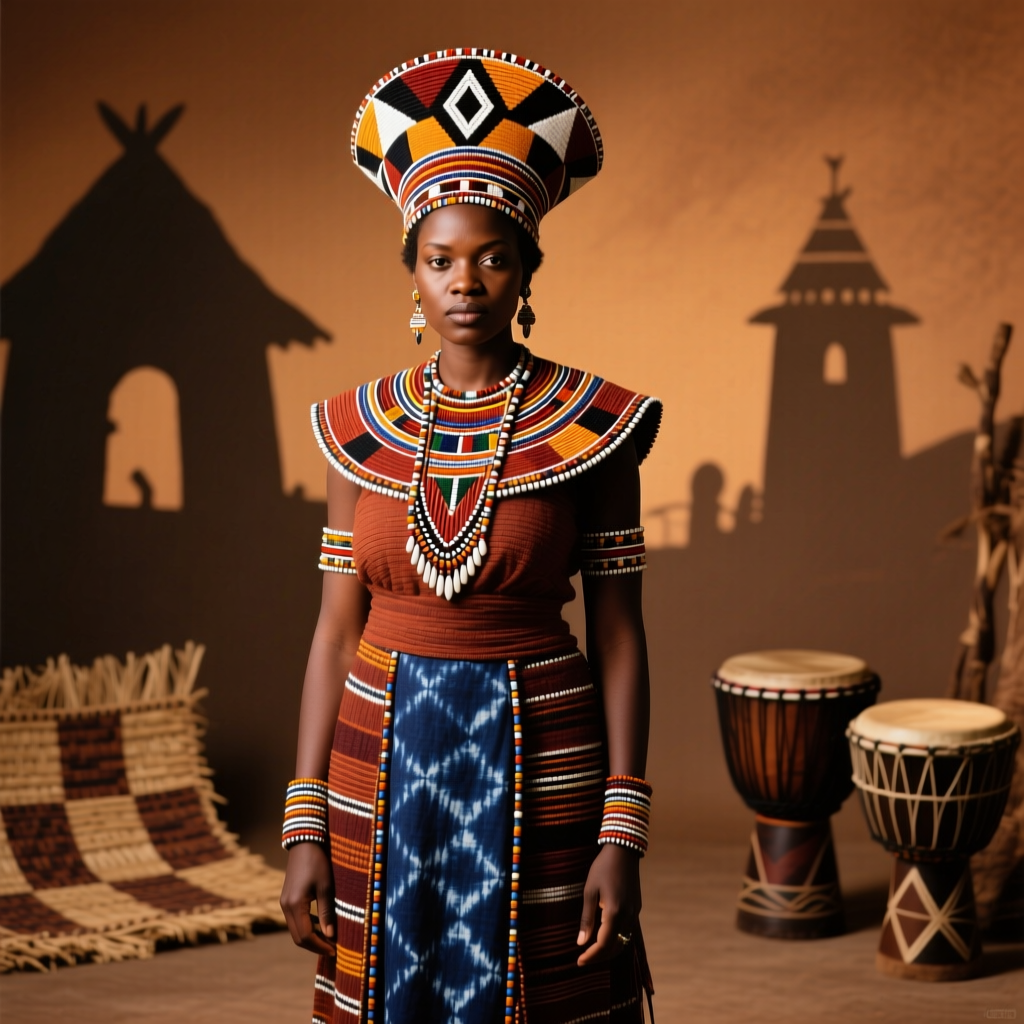
Traditional African Clothing for Women: A Comprehensive Cultural Guide
Africa is a continent of extraordinary cultural diversity, home to over 3,000 ethnic groups, each with its own distinct traditions, languages, and artistic expressions. Among the most vibrant and visually striking of these expressions is the traditional clothing worn by African women. From the flowing boubous of West Africa to the intricately beaded garments of the Maasai in East Africa, female traditional dress on the continent tells a story that stretches back centuries — a story of identity, status, spirituality, artistry, and resilience.
Traditional African clothing for women is far more than mere adornment. Every pattern, color, fabric choice, and silhouette carries meaning. Garments communicate a woman's marital status, age group, social rank, ethnic affiliation, and even her emotional state during particular ceremonies. In many communities, the act of dressing in traditional attire is itself a ritual, one that connects the wearer to her ancestors, her community, and the land itself.
This guide explores the origins, characteristics, regional variations, and enduring cultural significance of traditional African female clothing. Whether you are a student of fashion history, a cultural enthusiast, or someone seeking to understand and honor these traditions, this comprehensive resource will deepen your appreciation for one of the world's richest sartorial heritages. For a broader look at global garment traditions, explore our complete collection of cultural garment guides.
Origins & Historical Evolution of Women's Traditional African Dress
The history of traditional African clothing for women is as ancient as civilization on the continent itself. Archaeological evidence suggests that as early as the prehistoric era, African peoples used animal skins, bark cloth, and plant fibers to create garments for protection, modesty, and ornamentation. Over millennia, these early practices evolved into sophisticated textile traditions that rivaled — and in many cases influenced — clothing production worldwide.
Early Materials & Techniques
Before the introduction of woven textiles, women across the continent crafted clothing from locally available materials. Bark cloth, produced by pounding the inner bark of trees such as the fig tree, was widely used in Central and East Africa. Animal hides were softened and decorated with ochre, beads made from shells, bones, and seeds, and natural dyes. These early garments were functional but also deeply symbolic, with decorations denoting clan membership, rites of passage, and spiritual protection.
The Rise of Textile Weaving
The development of weaving technologies transformed African dress dramatically. West Africa, in particular, became renowned for its narrow-strip weaving traditions, with the Yoruba, Ashanti, and Dogon peoples producing cloth of exceptional quality. The Ashanti people of Ghana created kente cloth, a dazzling strip-woven fabric whose patterns and colors encode proverbs, historical events, and philosophical concepts. Kente was historically reserved for royalty and special occasions, and its influence on African diaspora fashion remains profound to this day.
In other regions, cotton cultivation and indigo dyeing became central to textile production. The Yoruba women of Nigeria perfected the art of adire — a resist-dyed indigo cloth whose intricate patterns were created using cassava paste, stitching, or binding techniques. Meanwhile, in Mali, the women of the Bamana people created bogolanfini (mud cloth), painting geometric designs onto handwoven cotton using fermented mud, a technique passed down through generations of female artisans.
Trade & Cross-Cultural Exchange
Trans-Saharan trade routes, Indian Ocean commerce, and later European contact introduced new materials — silk, satin, velvet, and machine-printed cotton — that were absorbed into existing traditions rather than replacing them. African women demonstrated remarkable adaptability, incorporating imported fabrics into indigenous styles. The Dutch wax prints that are now synonymous with West and Central African fashion, for example, originated from Indonesian batik techniques, were manufactured in the Netherlands, and were ultimately embraced and reinterpreted by African women who assigned their own names and meanings to each pattern. Learn more about how trade shaped global textile traditions in our textile trade routes heritage guide.
Key Characteristics & Types of Traditional African Female Garments
While the diversity of African women's clothing defies simple categorization, several broad garment types and characteristics recur across the continent. Understanding these foundational elements provides a framework for appreciating the regional variations explored in the next section.
Wrapper Skirts & Lappas
One of the most widespread garment forms across sub-Saharan Africa is the wrapper — a length of cloth wrapped around the waist to form a skirt. Known by various names including lappa, pagne, kanga, and chitenge depending on the region, the wrapper is versatile, elegant, and deeply practical. A single wrapper can serve as a skirt, a baby carrier, a head covering, or a shawl. In many cultures, the quality and number of wrappers a woman wears signals her wealth and social standing. For more on wrapped garments worldwide, see our guide to wrap skirts across cultures.
Boubous & Grand Boubous
The boubou (also spelled bubu) is a flowing, wide-sleeved robe worn by women across West Africa and the Sahel region. The grand boubou is an elaborate, full-length version often made from luxurious fabrics such as silk, satin, or fine cotton, and is typically embroidered with intricate patterns around the neckline, chest, and sleeves. The grand boubou is a garment of prestige, worn at weddings, religious celebrations, and formal gatherings. Its voluminous silhouette conveys dignity and grace, and its embroidery patterns often carry symbolic meaning related to fertility, protection, or prosperity.
Headwraps & Gele
No discussion of traditional African female clothing is complete without addressing headwraps. The gele of the Yoruba people is perhaps the most iconic, an elaborate, sculptural headtie that can reach impressive heights and is considered an art form in itself. Tying a gele requires considerable skill, and the style, size, and angle of the gele communicate information about the wearer's mood, status, and the formality of the occasion. Other notable headwrap traditions include the duku in Malawi, the tukwi in Botswana, and the colorful kanga head coverings of East Africa.
Two-Piece & Three-Piece Sets
In many West and Central African cultures, women's traditional attire consists of coordinated sets: a wrapper skirt, a matching blouse or top, and a headwrap. These three-piece sets are typically made from the same fabric, creating a harmonious and polished look. The blouse styles vary widely — from the peplum-style buba of the Yoruba to the loose-fitting, embroidered tops worn in Senegal and Mali. The coordination of the set is a point of pride, and women often commission tailors to create bespoke designs for special occasions.
Beaded Adornments & Accessories
Beadwork plays a central role in many African women's traditional dress. Among the Maasai of Kenya and Tanzania, women create spectacular beaded necklaces, collars, and earrings using vibrant glass beads in colors that carry specific meanings — red for bravery, white for peace, blue for the sky and cattle, green for the land. Zulu women in South Africa craft beaded love letters (ibheqe) and aprons that communicate romantic messages and marital status. Beaded accessories are not mere decoration; they are a visual language.
Regional Variations Across the African Continent
Africa's enormous geographic and cultural diversity means that traditional female clothing varies dramatically from one region to the next. Below, we explore the distinctive sartorial traditions of five major regions.
West Africa: Bold Prints & Regal Silhouettes
West Africa is home to some of the most globally recognized traditions in African women's fashion. In Nigeria, Yoruba women wear the iro ati buba — a wrapper and blouse combination — paired with a gele headwrap and an ipele (shoulder sash). The Igbo people favor richly textured George wrappers and elaborate coral bead jewelry for ceremonial occasions. In Ghana, kente cloth remains the ultimate symbol of cultural pride, with women wearing kente wrappers and stoles at festivals, graduations, and weddings. The Ashanti queen mothers are particularly known for their majestic kente ensembles.
Senegal and Mali are renowned for their elegant boubous, often made from finely woven cotton called bazin (or basin riche), which is beaten and polished to a luminous sheen. Senegalese women's boubous are often dyed in rich, saturated colors and feature delicate embroidery. In Liberia and Sierra Leone, country cloth — a heavy, handwoven cotton — is used for traditional garments that connect women to their rural heritage. Explore more about West African textile traditions in our West African textiles heritage page.
East Africa: Kanga, Kitenge & Maasai Beadwork
In East Africa, the kanga (or lesso) is an indispensable garment for women in Kenya, Tanzania, and the Swahili coast. A kanga is a rectangular cotton cloth printed with bold patterns and, crucially, a Swahili proverb or saying along its border. Women use kangas as skirts, shawls, baby carriers, and household items, and the proverb on a kanga can be used to send subtle social messages — a form of communication known as "speaking through cloth."
The kitenge (or chitenge) is a heavier, more formal printed fabric used for tailored dresses, skirts, and headwraps. In Uganda, the gomesi — a floor-length dress with a square neckline, short puffed sleeves, and a sash tied at the waist — is the national garment for women, worn at everything from office settings to traditional ceremonies. The Maasai women of Kenya and Tanzania are instantly recognizable in their shuka (red-checked blankets) and extraordinary beaded jewelry, which includes stacked necklaces, large disc-shaped collars, and dangling earrings that signify age, marital status, and social position.
Southern Africa: Blankets, Beads & Victorian Influences
Southern African women's traditional clothing reflects a fascinating blend of indigenous and colonial influences. The Herero women of Namibia wear voluminous Victorian-style dresses with enormous horn-shaped headdresses called otjikaiva, a tradition that originated as a form of resistance and identity preservation during the colonial era. These dresses, with their multiple petticoats and long sleeves, are a powerful symbol of Herero cultural survival.
In South Africa, Zulu women wear beaded aprons, skirts, and capes, with different styles indicating whether a woman is unmarried, engaged, or married. Married Zulu women traditionally wear the isicholo, a large, flared hat made from grass and covered with fabric, which is one of the most iconic symbols of Zulu womanhood. Xhosa women are known for their elegant long dresses and intricately beaded accessories, often in white, black, and turquoise. The Sotho people wrap themselves in distinctive Basotho blankets — woolen blankets with geometric patterns that have become a national symbol of Lesotho.
North Africa: Elegance at the Crossroads of Continents
North African women's traditional clothing reflects the region's position at the intersection of African, Arab, Mediterranean, and Berber (Amazigh) cultures. In Morocco, the kaftan (or caftan) is the quintessential women's garment — a long, flowing robe made from silk, satin, or fine cotton, elaborately embroidered with gold or silver thread and fastened with decorative buttons. Moroccan kaftans are worn at weddings, religious holidays, and formal events, and the city of Fez is particularly renowned for its kaftan craftsmanship.
Algerian women traditionally wear the karakou, a fitted velvet jacket embroidered with gold thread, paired with a long skirt or sirwal (loose trousers). In Tunisia, the sefsari — a large silk or satin wrap worn over clothing when going outdoors — is an elegant garment that has seen a revival in recent times. Egyptian women's historical dress includes the galabeya, a loose, ankle-length robe, often beautifully embroidered, that remains popular in rural areas. For more on North African and Middle Eastern garment traditions, visit our kaftan history and styles guide.
Central Africa: Raffia, Bark Cloth & Printed Elegance
Central Africa preserves some of the continent's oldest textile traditions. In the Democratic Republic of Congo, the Kuba people produce extraordinary raffia cloth, woven from the fibers of the raffia palm and decorated with geometric appliqué and embroidery. Kuba women wear raffia skirts for ceremonial occasions, and the cloth is also used in funerary rites, where it is believed to accompany the deceased into the afterlife.
Urban women across Central Africa — particularly in the DRC, Cameroon, and the Republic of Congo — favor bold, colorful pagne (wax print fabric) fashioned into tailored dresses, skirts, and matching headwraps. The liputa style, in which the pagne is wrapped and draped in creative ways, is especially popular. Cameroonian women wear the kaba, a loose-fitting, long top paired with a wrapper, often made from richly colored wax prints or lace fabrics.
Occasions & Ceremonies: When Traditional Clothing Comes Alive
Traditional African clothing for women is intimately connected to the ceremonies, rituals, and celebrations that mark the passage of life. Understanding the occasions on which specific garments are worn reveals the deep relationship between dress and cultural meaning.
Weddings & Marriage Ceremonies
African weddings are among the most elaborate occasions for traditional female dress. Among the Yoruba of Nigeria, the bride and her family coordinate their outfits in a practice called aso-ebi — a uniform fabric chosen for the family and close friends, creating a visually stunning display of unity and solidarity. The bride typically wears a lavish wrapper set made from lace, guinea brocade, or aso-oke (handwoven silk), with a grand gele and heavy coral or gold jewelry.
In Zulu tradition, the bride wears a beaded leather skirt and a beaded cape, along with the isicholo hat. Among the Maasai, brides wear layers of beaded necklaces and a special leather garment adorned with beads and cowrie shells. In Morocco, the bride may change outfits multiple times during the wedding celebrations, with each kaftan more elaborate than the last — sometimes wearing as many as seven different ensembles over the course of the festivities.
Rites of Passage & Initiation Ceremonies
Clothing plays a central role in initiation ceremonies that mark the transition from girlhood to womanhood. Among the Xhosa of South Africa, young women undergoing intonjane (female initiation) wear specific garments and beadwork that signify their transitional status. In many West African cultures, girls who have completed puberty rites are presented to the community in new clothes and jewelry, symbolizing their readiness for adult responsibilities.
Religious & Spiritual Observances
For Muslim women across North and West Africa, traditional clothing intersects with religious practice. The hijab, niqab, and boubou are worn during prayers, Ramadan, and Eid celebrations, often in the finest fabrics a woman owns. In Ethiopia, Orthodox Christian women wear the habesha kemis — a white cotton dress with embroidered borders — for church services and religious festivals, often accompanied by a netela (shawl) draped over the shoulders and head. Discover more about religious garment traditions in our religious clothing traditions guide.
Festivals & National Celebrations
Public festivals are occasions for African women to display their finest traditional garments. The Durbar festivals of Northern Nigeria feature women in richly embroidered boubous and elaborate headwraps. The Umhlanga (Reed Dance) in Eswatini and South Africa sees thousands of young women wearing traditional beadwork, short beaded skirts, and sashes in a spectacular celebration of culture and unity. In Ghana, the Akosombo and other kente festivals are opportunities for women to wear their most prized kente cloth with pride.
Cultural Significance & Modern Relevance
The cultural significance of traditional African clothing for women extends far beyond aesthetics. These garments are repositories of knowledge, vehicles of communication, and instruments of cultural continuity.
Identity & Belonging
Traditional dress is one of the most visible markers of ethnic and cultural identity. In a rapidly globalizing world, wearing traditional clothing is an act of cultural affirmation — a declaration of who you are and where you come from. For women in the African diaspora, donning traditional garments at cultural events, graduations, and celebrations is a powerful way to maintain connections to ancestral heritage. The global popularity of African print fabrics has also sparked important conversations about cultural appreciation versus appropriation, underscoring the deep meaning these garments hold for the communities that created them.
Economic Empowerment
The production of traditional African textiles is overwhelmingly a female enterprise. From the indigo dyers of Yorubaland to the weavers of kente in Ghana, the beadworkers of Maasailand to the embroiderers of Fez, women have been the primary custodians of textile knowledge for generations. Supporting traditional textile industries is therefore not only an act of cultural preservation but also a means of economic empowerment for women and their communities. Cooperatives and social enterprises across the continent are working to ensure that these artisanal skills remain viable livelihoods.
Sustainability & Slow Fashion
Traditional African clothing embodies many of the principles that the modern sustainable fashion movement champions. Garments are typically made from natural fibers, dyed with plant-based or mineral-based dyes, and produced using hand techniques that require no fossil fuel energy. The wrapper, in particular, is a zero-waste garment — a single piece of cloth that can be worn, repurposed, and passed down through generations. In an era of fast fashion and environmental crisis, these traditions offer valuable lessons in mindful consumption and respect for materials.
Contemporary Fashion & Global Influence
Traditional African female clothing has had an enormous influence on global fashion. Designers across the continent and in the diaspora are reinterpreting traditional silhouettes, fabrics, and techniques for contemporary audiences. African print fabrics have appeared on international runways, and traditional garments like the boubou, kaftan, and kente-inspired pieces have become part of the global fashion vocabulary. This visibility is a double-edged sword: while it celebrates African creativity and beauty, it also raises questions about intellectual property, fair compensation, and the preservation of cultural context. For a deeper exploration of how traditional garments influence modern fashion, read our guide to traditional clothing in modern fashion.
Preservation & Transmission
The transmission of traditional clothing knowledge from one generation to the next is essential for cultural survival. In many communities, grandmothers, mothers, and aunts teach younger women not only how to wear traditional garments correctly but also the meanings behind specific patterns, colors, and styles. Museums, cultural festivals, and digital archives are increasingly playing a role in documenting and preserving these traditions. However, the most vital preservation happens in everyday life — in the choices women make to wear, create, and celebrate their traditional dress.
Frequently Asked Questions
What is the most common traditional African garment for women?
The wrapper (also known as a lappa, pagne, kanga, or chitenge depending on the region) is arguably the most widespread traditional garment for African women. It is a versatile rectangular cloth that can be wrapped around the waist as a skirt, draped over the shoulder as a shawl, or used as a head covering and baby carrier. The wrapper is found in virtually every region of sub-Saharan Africa, though the fabrics, patterns, and styling conventions vary enormously from one culture to the next. It is often paired with a matching blouse and headwrap to create a complete traditional ensemble.
What do the colors and patterns in African women's clothing mean?
Colors and patterns in traditional African clothing carry rich symbolic meanings that vary by culture and context. In kente cloth, for example, gold represents royalty and wealth, green signifies growth and renewal, black denotes maturity and spiritual energy, and red symbolizes sacrifice and political passion. In Maasai beadwork, red represents bravery and unity, white stands for peace and purity, and blue symbolizes the sky and the waters that sustain cattle. Among the Akan people of Ghana, specific adinkra symbols stamped onto cloth convey philosophical concepts and proverbs. It is important to note that meanings are not universal across the continent — a color that signifies mourning in one culture may represent celebration in another.
Can non-African women wear traditional African clothing?
This is a nuanced question that depends heavily on context. In general, wearing traditional African clothing is welcomed when done with genuine respect, cultural understanding, and an awareness of the garment's significance. Many African designers and cultural advocates encourage people of all backgrounds to purchase and wear African-made clothing, as this supports local economies and promotes cultural exchange. However, it is important to avoid wearing sacred or ceremonial garments (such as initiation attire or royal regalia) outside of their proper context, to credit and compensate the communities and designers who create these garments, and to educate yourself about the cultural meaning of what you are wearing. Purchasing directly from African artisans and designers, rather than buying mass-produced imitations, is one of the most respectful ways to incorporate African textiles into your wardrobe.
How has traditional African women's clothing influenced global fashion?
Traditional African women's clothing has profoundly influenced global fashion in numerous ways. African print fabrics — particularly Ankara (wax print) and kente — have been adopted by international designers and have appeared on runways from Paris to New York. Silhouettes such as the boubou, kaftan, and peplum blouse have entered the global fashion vocabulary. The bold color combinations, geometric patterns, and innovative draping techniques found in African dress have inspired countless collections. Additionally, the African diaspora has played a crucial role in popularizing these styles, with celebrities, politicians, and public figures wearing traditional African garments at high-profile events. The growing global interest in sustainable and artisanal fashion has also drawn attention to the eco-friendly practices inherent in many African textile traditions.
Where can I learn more about specific African textile traditions?
There are many excellent resources for deepening your knowledge of African textile traditions. Visiting cultural museums — either in person or through their digital collections — is a wonderful starting point. Institutions such as the Smithsonian National Museum of African Art, the British Museum's Africa collections, and the Museum of Black Civilizations in Dakar hold extensive textile collections. Books by scholars and textile experts provide in-depth analysis of specific traditions. Supporting and engaging with African designers, artisans, and cultural organizations — both on the continent and in the diaspora — offers firsthand insight into living traditions. You can also explore our cultural heritage archive for more guides on global garment traditions and their significance.
Traditional African clothing for women is a living, breathing testament to the creativity, resilience, and cultural richness of the African continent. From the ancient bark cloth garments of prehistoric times to the dazzling contemporary designs that grace international stages, these garments carry within them the stories of generations of women who have woven, dyed, beaded, embroidered, and draped their identities into fabric. By learning about, respecting, and celebrating these traditions, we honor not only the beauty of the garments themselves but also the remarkable women who create and sustain them.