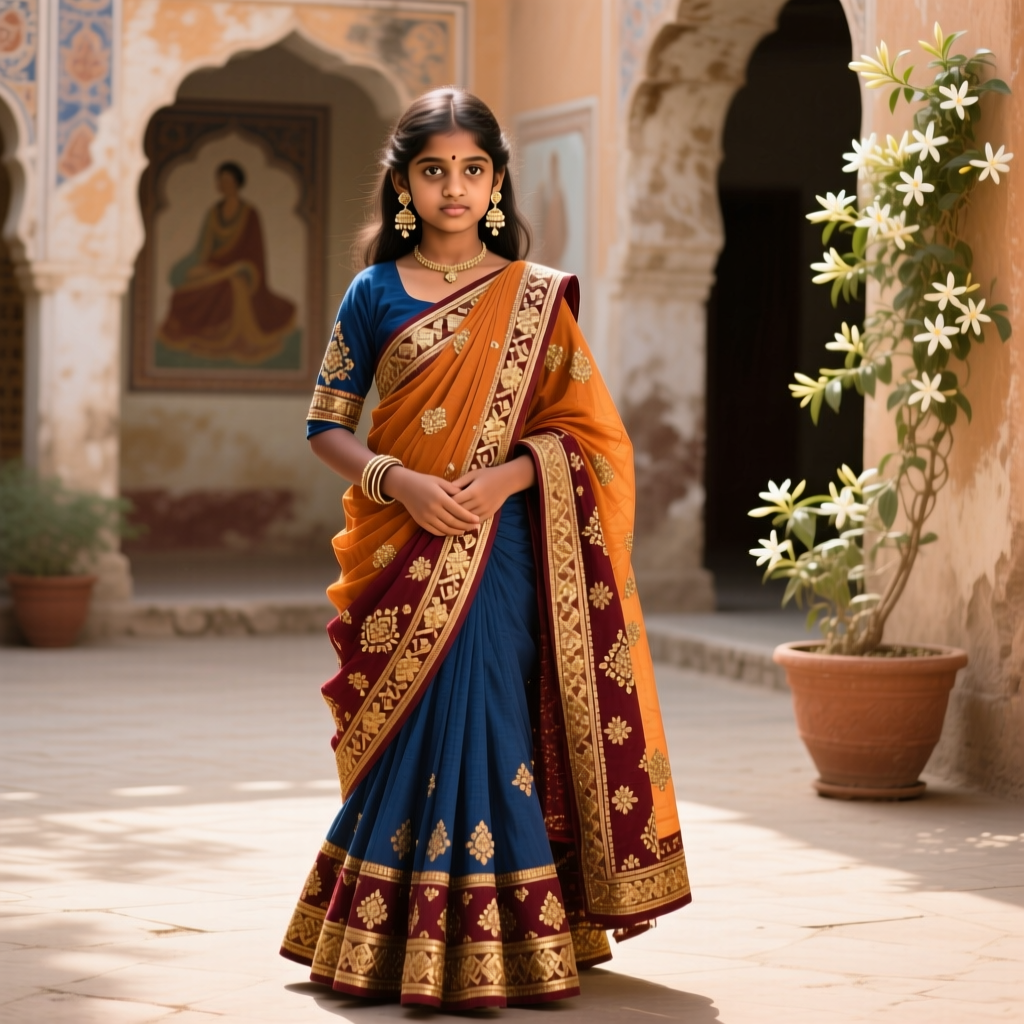
How to Identify Authentic Handloom
Spotting Genuine Handwoven Textiles
With mass-produced imitations flooding the market, knowing how to identify authentic handloom fabric is essential for ethical shoppers. Here are the key indicators that distinguish handwoven from machine-made cloth.
Visual Inspection
Authentic handloom fabric shows slight irregularities in the weave — small variations in thread tension, occasional thicker or thinner threads, and imperfect selvedges. Machine-made fabric is too uniform to be handmade.
The Reverse Side Test
Turn the fabric over. Handwoven textiles often show the pattern differently on the reverse — threads may be looser, floats visible, and colors slightly muted. Machine-made fabrics look nearly identical on both sides.
Physical Tests
Gently stretch the fabric widthwise. Handloom cloth has natural give due to hand-spun threads and manual tensioning. The burn test (on a tiny hidden sample) can identify natural fibers: cotton smells like burning paper, silk like burning hair, synthetics melt and smell chemical.
Certification Marks
Look for GI (Geographical Indication) labels, Handloom Mark (India), or Fair Trade certifications. These verify origin and production method. Reputable sellers provide information about the weaving community and artisan.
- Price reflects labor: authentic handloom costs more
- Ask about the weaving community and technique
- Beware "handloom" fabric sold in bulk at low prices