Caring for Vintage Traditional Garments

Preserving Textile Heritage
Vintage traditional garments are irreplaceable pieces of cultural heritage. Proper care ensures they survive for future generations to study, appreciate, and wear. Different textiles require different approaches to preservation.
Storage Fundamentals
- Temperature: Keep between 65-70°F (18-21°C) with stable humidity of 45-55%
- Light: Store in darkness. Even brief exposure to strong light damages dyes and fibers
- Air circulation: Avoid airtight containers. Use acid-free tissue paper for padding
- Positioning: Fold as little as possible. Roll heavy pieces around acid-free tubes
Cleaning Guidelines
Never machine-wash vintage textiles. For surface dust, gentle vacuuming through a screen works well. Spot cleaning with distilled water may be safe for some fibers, but always test an inconspicuous area first. Professional textile conservators should handle serious soiling.
Fiber-Specific Care
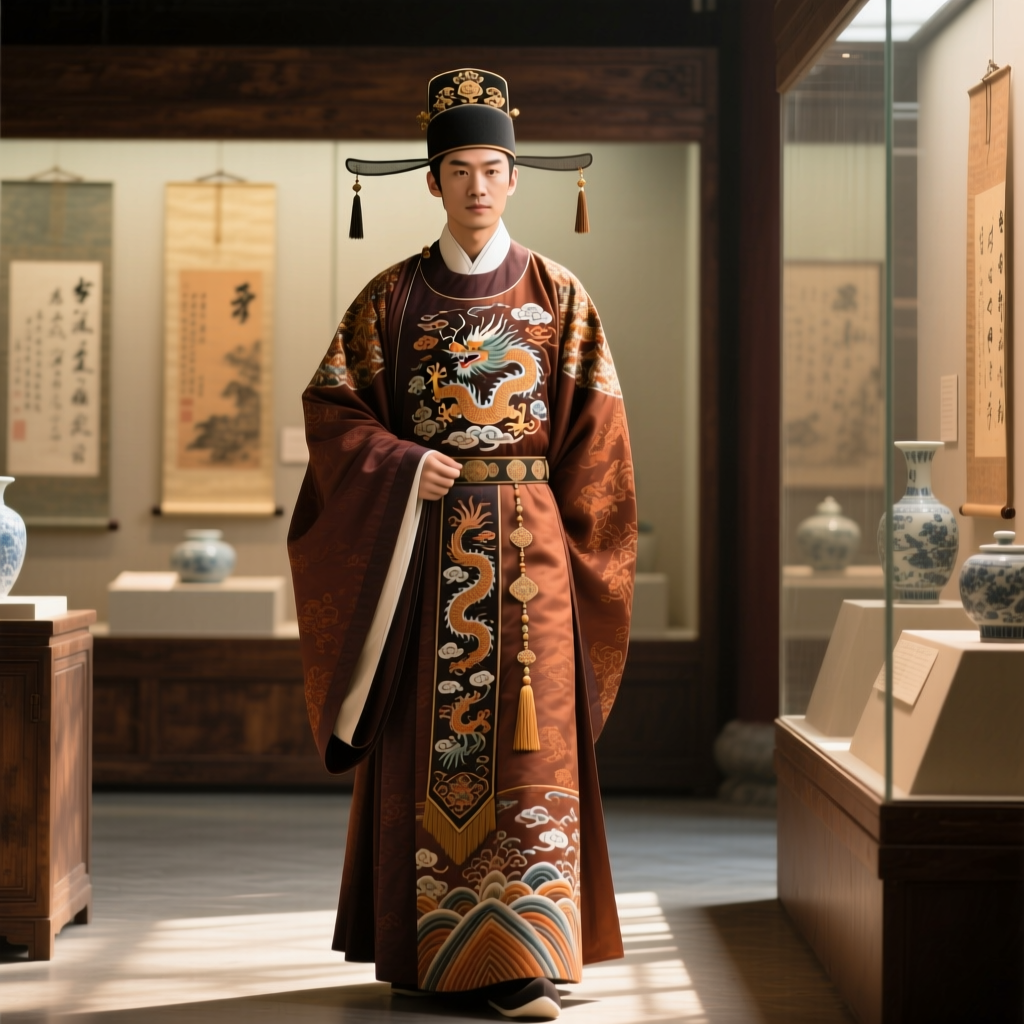
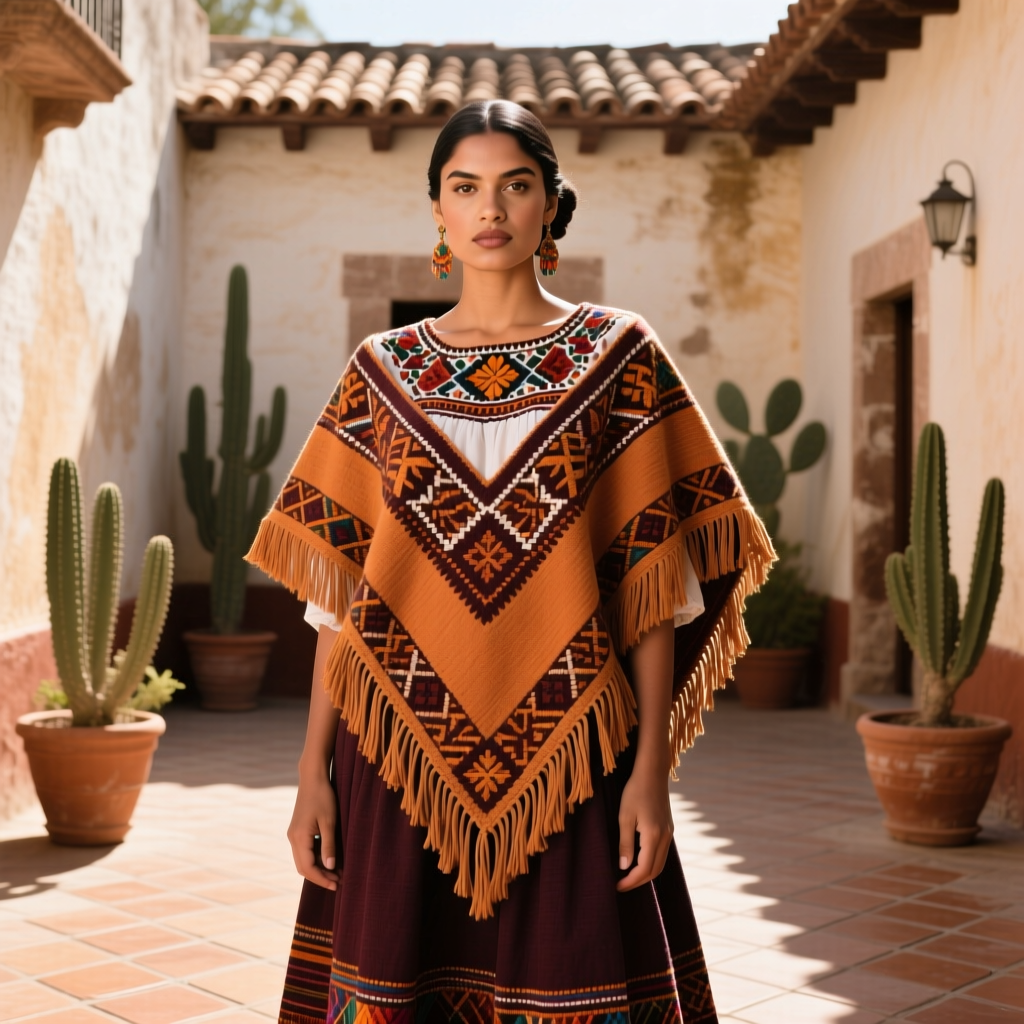
Silk requires the gentlest handling — it becomes brittle with age and loses strength when wet. Wool needs protection from moths using cedar or lavender rather than chemical mothballs. Cotton is more resilient but still needs careful handling when dry and aged. Metallic threads in brocade require special attention to prevent tarnishing.
Display Considerations
If displaying vintage garments, use padded hangers for structured pieces and flat display cases for fragile items. Rotate displays every 3-6 months to limit light exposure. UV-filtering glass or acrylic protects against the most damaging wavelengths.