Women Lederhosen: Historical Origins and Modern Tracht Guide

When exploring the rich tapestry of Alpine folk dress, few garments spark as much curiosity and debate as the concept of women lederhosen. For enthusiasts of European folk dress and traditional costumes, the Bavarian and Austrian Tracht (traditional dress) represents a living history of Alpine culture. However, navigating the intersection of historical authenticity and modern fashion requires a nuanced understanding of regional customs, garment construction, and cultural etiquette.
This comprehensive historical origins guide separates the myths from the facts regarding female leather breeches, explores the evolution of women’s leather Tracht, and provides actionable advice on sourcing, styling, and understanding the craftsmanship behind these iconic garments.
The Historical Reality: Did Women Historically Wear Lederhosen?
To understand the modern phenomenon of women wearing lederhosen, we must first address the historical record. Authentic, historical Lederhosen (leather breeches) were strictly a male garment. Originating in the 18th century among the rural working classes, hunters, and foresters of the Alpine regions, leather breeches were designed for durability in harsh mountain environments. The Bayerisches Nationalmuseum (Bavarian National Museum) houses extensive collections of 18th and 19th-century peasant dress, confirming that male alpine workers wore Lederhosen, while women wore the precursor to the modern Dirndl.
The traditional female equivalent was the Dirndlgewand, derived from the word Dirn (a Bavarian/Austrian term for a young woman or maid). This ensemble consisted of a Mieder (bodice), Bluse (blouse), Rock (skirt), and Schürze (apron). In strict, traditional Trachtenvereine (folk costume preservation clubs), women wearing breeches is still considered a violation of historical Tracht protocols. According to the Bayerischer Trachtenverband (Bavarian Tracht Association), authentic female Tracht remains rooted in the skirt and bodice silhouette, reflecting the historical gender roles and textile practices of Alpine agrarian societies.
The Evolution of Women's Leather Tracht: From Bodice to Breeches
While women did not historically wear leather trousers, leather was not entirely absent from female Alpine dress. In certain regions of Bavaria and Tyrol, women wore a Leder-Mieder (leather bodice) as part of their festive Tracht. These bodices were often intricately embroidered and provided structural support, showcasing the region's mastery of leatherworking.
The emergence of women lederhosen—often referred to in German as Damenlederhosen or Lederhosen für Frauen—is a distinctly 21st-century development. Driven by the global commercialization of Oktoberfest and the rise of Trachtenmode (Tracht-inspired fashion), contemporary designers began adapting the male silhouette for the female form. This was further popularized by the Lederrock (leather skirt), which served as a bridge between traditional female modesty and the rugged aesthetic of alpine leatherwear. Today, female-cut leather breeches are widely accepted as modern fashion statements at festivals, though they remain distinct from historical museum-piece Tracht.
Anatomy of Modern Women Lederhosen: Construction and Tailoring
Creating authentic leather breeches for women requires specialized tailoring that differs significantly from male cuts. The female anatomy necessitates a higher waistline, strategic darting around the hips, and a tapered inseam. Artisan makers utilize centuries-old tanning and embroidery techniques to craft these garments.
Leather Selection and Tanning
The quality of Damenlederhosen is defined by the hide and the tanning process. The Deutsches Ledermuseum (German Leather Museum) highlights the importance of traditional alpine tanning methods:
- Hirschleder (Deerskin): The gold standard for high-end Tracht. Deerskin is exceptionally soft, breathable, and molds to the wearer's body over time. It is lightweight, making it ideal for the tailored fit required for women's breeches.
- Ziegenleder (Goatskin): More rustic and heavily grained, goatskin is durable and slightly stiffer. It is often used for more rugged, everyday festival wear.
- Sämischgerbung (Oil Tanning): Authentic Alpine leather is tanned using fish oil or animal fats (brain tanning). This labor-intensive process yields a suede-like finish on the inside and a soft, washable exterior that develops a beautiful patina with wear.
Embroidery (Stickerei) and Hardware
Female lederhosen often feature distinct embroidery motifs. While male breeches heavily feature the Gamsbart (chamois beard) motif and oak leaves, women's designs frequently incorporate Alpine flora such as Edelweiss, Enzian (gentian), and delicate floral vines. The embroidery is done using silk or high-grade cotton thread. The iconic Latze (drop-front flap) is secured with horn buttons or cast pewter, and the Messersepl (traditional knife pocket) on the right thigh is retained for aesthetic authenticity, even if the hunting knife is replaced by a modern smartphone.
Authentic Tracht vs. Modern Oktoberfest Fashion
Understanding the distinction between historical preservation and modern commercial fashion is crucial for anyone looking to purchase or wear women's leather breeches. The table below outlines the key differences.
| Feature | Traditional Female Tracht (Dirndl) | Modern Women Lederhosen (Trachtenmode) |
|---|---|---|
| Historical Precedent | Deep roots in 18th/19th-century Alpine agrarian and servant dress. | 21st-century innovation; no historical precedent in rural female dress. |
| Primary Material | Cotton, linen, wool, and silk; occasionally leather for the bodice. | 100% oil-tanned deerskin or goatskin. |
| Cultural Venues | Church festivals, weddings, official Trachtenverein parades. | Oktoberfest, modern folk festivals, alpine resort casual wear. |
| Tracht Club Approval | Strictly regulated and mandated for female members. | Generally prohibited in official, traditional Tracht club events. |
Sourcing and Pricing: Investing in Artisan Leatherwear
If you are seeking authentic, high-quality women lederhosen, it is essential to look beyond mass-produced costume shops. True artisan leatherwear is an investment in heritage craftsmanship. Prices vary drastically based on the origin of the leather, the tanning method, and the complexity of the hand-embroidery.
Price Tiers and What to Expect
- Fast Fashion / Costume Grade (€60 - €120): Made from split cowhide or synthetic blends, often glued rather than stitched. The embroidery is machine-done with polyester thread. These lack breathability and will not mold to the body. Suitable only for a single costume party.
- Mid-Range Artisan (€250 - €450): Genuine goatskin or standard deerskin, chrome-tanned or semi-oil-tanned. Features decent machine-assisted embroidery and horn buttons. A solid choice for regular Oktoberfest attendees who want durability and a respectable aesthetic.
- Bespoke & Heritage Makers (€600 - €1,500+): Sourced from specialized Trachten ateliers in regions like Miesbach, Garmisch-Partenkirchen, or Salzburg. Crafted from premium, hand-rubbed Hirschleder using traditional Sämischgerbung. Embroidery is done entirely by hand. These garments are heirloom-quality and will last a lifetime.
"True Tracht is not a costume you put on; it is a second skin that tells the story of your region, your craft, and your respect for the Alpine ancestors." — Proverb often cited among master Tracht tailors in Upper Bavaria.
Styling and Etiquette: Wearing Female Leather Tracht Today
While Damenlederhosen are a modern invention, styling them with respect for the broader Alpine aesthetic elevates the garment from a mere novelty to a sophisticated nod to Bavarian culture. Here is a framework for styling women's leather breeches with authenticity and flair.
1. The Upper Garment (Trachtenbluse or Karohemd)
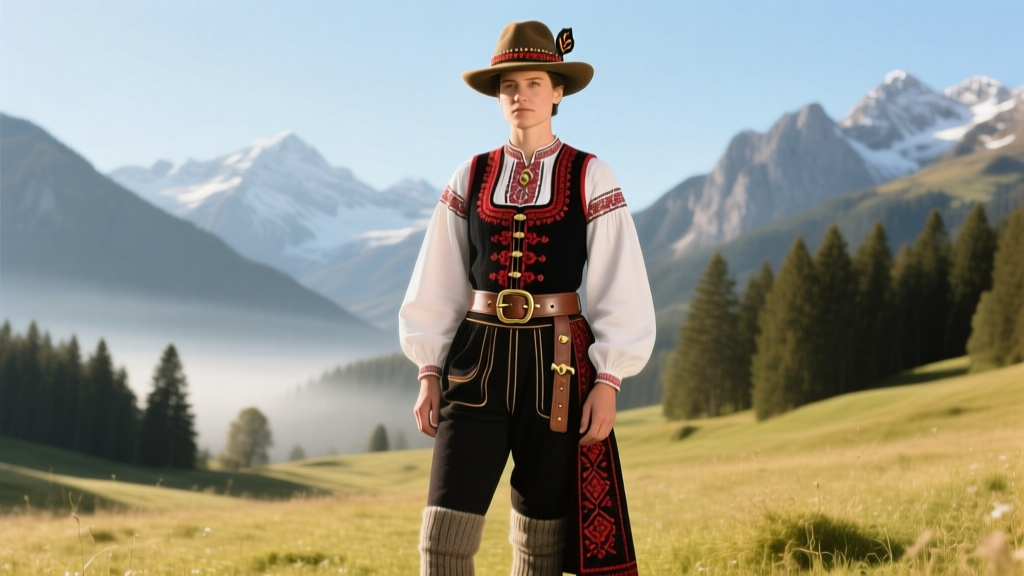
Women have the flexibility to pair lederhosen with either a traditional checkered alpine shirt (Karohemd) or a feminine Trachtenbluse (Tracht blouse). For a more authentic, rugged look, choose a linen or cotton checkered shirt in red, green, or blue. For a softer, festival-ready aesthetic, a white lace-trimmed blouse with puff sleeves contrasts beautifully with the heavy leather.
2. Hosiery and Socks
Bare legs are generally frowned upon in traditional alpine styling, even in summer. Pair your breeches with Trachtenstutzen (thick, ribbed calf warmers) or knee-high cotton socks. Looped or cabled knit patterns in off-white, heather grey, or forest green are the most culturally accurate choices.
3. Footwear: Haferlschuhe vs. Alpine Boots
The most historically accurate footwear is the Haferlschuh, a traditional alpine shoe characterized by its side-lacing and sturdy leather sole. However, because authentic Haferlschuhe are heavily masculine in their original design, many women opt for Trachtenstiefel (Tracht boots) or low-heeled leather booties that feature similar side-lacing or antique brass hardware. Avoid high heels or modern sneakers, as they break the visual harmony of the folk dress.
4. Accessories: The Charivari and Alpine Hats
Complete the look with a Charivari—a traditional alpine chain worn across the front flap of the lederhosen. Originally a hunter's trophy chain made of silver coins, animal teeth, and antlers, modern female Charivari often feature polished stones, pearls, and delicate silver charms. Top the ensemble with a Tirolerhut (Tyrolean hat) made of wool felt, adorned with a Gamsbart (chamois hair tuft) and a feather or enamel pin.
Conclusion: Respecting the Culture While Embracing Modernity
The story of women lederhosen is a fascinating study in how traditional garments evolve. While they do not possess the deep historical roots of the female Dirndl or the male alpine breeches, modern female leather tracht represents a contemporary appreciation for Alpine craftsmanship, oil-tanned leathers, and hand-embroidery. By understanding the historical boundaries of the Trachtenvereine, investing in artisan-made garments, and styling your leatherwear with cultural respect, you can confidently participate in the living, breathing tradition of European folk dress.