Traditional Dresses of Europe: 2026 Festival Guide
Experiencing the Traditional Dresses of Europe at Authentic Festivals
When we discuss the traditional dresses of Europe, we are not merely referencing static artifacts confined to glass museum cases. Across the continent, folk dress remains a vibrant, living practice. For cultural travelers and textile enthusiasts, the 2026 festival season offers an unprecedented opportunity to witness these garments in their rightful context: in motion, celebrated by the communities that have preserved them for centuries.
From the silver-clad valleys of Norway to the highland gatherings of Scotland, understanding the nuances of European folk dress requires looking beyond the superficial. This guide explores where to witness authentic regional attire, the intricate construction of these garments, and the cultural etiquette required to appreciate them respectfully.
The Alpine Heartland: Tracht at Oktoberfest & Almabtrieb
While mass-produced 'costumes' flood tourist shops in Munich, true Bavarian and Austrian Tracht is a highly regulated, deeply respected cultural marker. The pinnacle events to witness authentic Tracht in 2026 are the O'zapft parade at Munich's Oktoberfest and the Almabtrieb (alpine cattle drives) in Tyrol and Salzburg during late September.
Anatomy of an Authentic Dirndl
A genuine Dirndl is not a single piece, but a complex ensemble consisting of four distinct elements:
- Mieder (Bodice): Tailored to provide structure, often featuring horn buttons, silver hooks, or intricate cross-lacing. Authentic bodices are lined with natural fibers to withstand long festival days.
- Rock (Skirt): Typically made of high-quality wool, linen, or heavy cotton, gathered or pleated at the waist. Lengths vary by region and occasion, ranging from midi to ankle-length for formal church events.
- Schürze (Apron): The most expressive element. Hand-embroidered (handgestickt) silk or linen aprons can cost more than the dress itself. The placement of the bow knot indicates the wearer's relationship status: left for single, right for taken, center for virgins, and back for widows or waitresses.
- Bluse (Blouse): Worn underneath, traditionally crafted from crisp white batiste or linen, featuring delicate lace or smocking (Smokarbeit).
For men, authentic Lederhosen are crafted from Hirschleder (deer leather) or Sämischleder (chamois), tanned using traditional brain-tanning or oil-tanning methods that make the leather washable and incredibly durable. Paired with a Gamsbart (chamois beard hat), this attire is championed by local Trachtenvereine (costume associations).
Cultural Etiquette Note: In Bavaria and Austria, the phrase 'Tracht ist keine Tracht' reminds us that traditional dress is not a costume. Wearing cheap, synthetic, hyper-sexualized 'party dirndls' to a traditional Trachtenzug (parade) is considered highly disrespectful to the artisan cooperatives that preserve these techniques. If attending, opt for modest, high-quality garments from heritage brands like Angermaier or Lodenfrey, with authentic sets starting around €450 to €1,200.
Nordic Heritage: Bunad and Folkdräkt at Midsommar & Syttende Mai
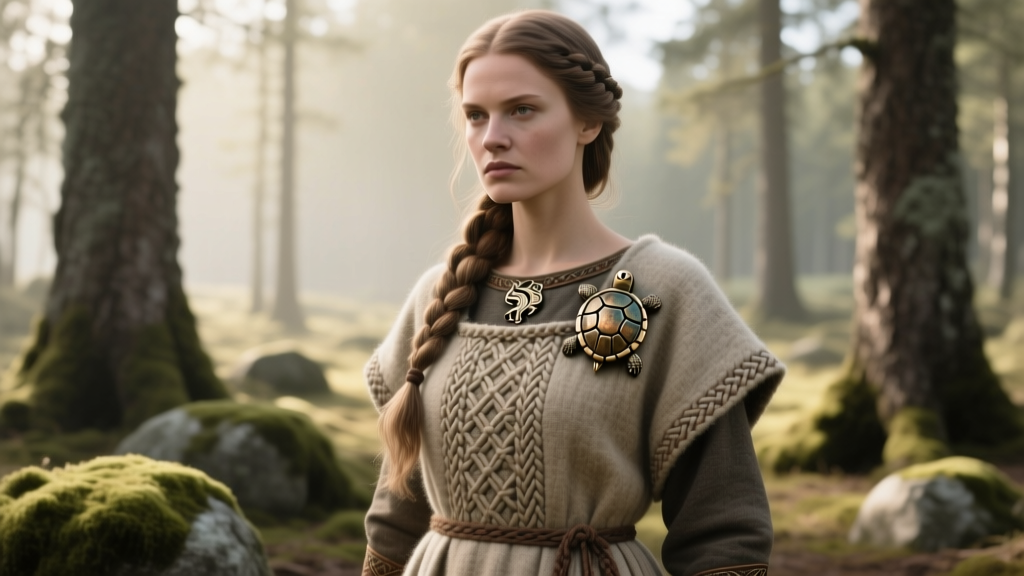
Scandinavia treats its national garments with immense reverence. In Norway, the bunad is worn by a vast percentage of the population during Syttende Mai (Constitution Day on May 17th). In Sweden, regional folkdräkter take center stage during Midsommar (Midsummer) in late June.
The Norwegian Bunad: Silver and Wool
The Norwegian bunad is heavily regulated by the Bunad- og folkedraktrådet (National Council for Folk Costumes). You cannot simply choose a bunad because you like the colors; you must have a geographical or ancestral tie to the specific region it represents.
The Hardangerbunad, often called the 'national bunad,' is a masterpiece of textile art. It features:
- Hardangersøm: Intricate cut-work and drawn-thread embroidery on the white linen apron and cuffs.
- Oksidert Sølv: Oxidized silver jewelry, including the sølje (brooch) worn at the collar, believed historically to protect the wearer from evil spirits. A full set of hand-forged silver can cost upwards of €2,500.
- Wool Construction: The skirt and bodice are woven from heavy, locally sourced wool, dyed in deep reds, blacks, and greens using historical botanical recipes.
To purchase an authentic bunad, one must visit a certified Husfliden (Norwegian Folk Art and Craft Association) store. A complete women's bunad, including silver and accessories, typically ranges from 35,000 to 60,000 NOK (€3,000 to €5,200), reflecting hundreds of hours of hand-stitching.
Celtic Roots: Highland Dress at The Braemar Gathering
Scottish Highland dress is perhaps the most globally recognized of the traditional dresses of Europe, yet its authentic construction remains widely misunderstood. The premier event to witness genuine Highland dress in 2026 is The Braemar Gathering in September, attended by the British Royal Family, where clan chiefs and pipe bands display historically accurate attire.
Beyond the Kilt: The Arisaid and the 8-Yard Cut
While the male kilt is famous, women's traditional Highland dress centers on the Arisaid (or Earasaid). Historically, this was a large, draped plaid worn over a gown, pinned at the breast and belted at the waist, allowing for versatile protection against the harsh Highland weather. Today, formal women's Highland dress often features a tartan sash worn over the right shoulder for clan members, or the left for married women who have taken their husband's name.
An authentic men's kilt is a feat of tailoring:
- Fabric: Woven from 13oz to 16oz worsted wool in a specific, registered Clan sett (tartan pattern).
- Yardage: A true formal kilt uses 8 yards of single-width tartan fabric, allowing for deep, overlapping pleats that create the signature 'swing' when dancing or marching.
- Pleating: Pleats can be 'knife-pleated' (all facing one direction) or 'box-pleated'. They are either pleated to the sett (repeating the pattern) or to the stripe (creating vertical lines on the back).
Authentic kilts are hand-stitched by master kiltmakers in Scotland, with prices ranging from £400 to £900+, excluding the sporran, sgian-dubh, and sterling silver kilt pin.
2026 European Folk Dress Festival Matrix
To help you plan your cultural itinerary, refer to this matrix detailing where and when to witness these garments in their most authentic settings.
| Region / Country | Primary Garment (Native Term) | Key 2026 Festival / Event | Authentic Price Range (EUR) | Primary Materials |
|---|---|---|---|---|
| Bavaria, Germany | Dirndl / Lederhosen (Tracht) | Oktoberfest Trachtenzug (Late Sept) | €450 - €1,500+ | Deer leather, linen, wool |
| Hardanger, Norway | Bunad (Hardangerbunad) | Syttende Mai (May 17) | €3,000 - €5,200 | Heavy wool, linen, oxidized silver |
| Dalarna, Sweden | Folkdräkt (Bungsdräkt) | Midsommar (Late June) | €800 - €2,000 | Wool, linen, silk ribbons |
| Scottish Highlands | Kilt / Arisaid | Braemar Gathering (Early Sept) | €500 - €1,200 (Kilt only) | 16oz worsted wool, silver |
| Kraków, Poland | Strój Krakowski | Wianki / Midsummer (Late June) | €300 - €800 | Wool, coral beads, floral embroidery |
Slavic Splendor: Embroidery and Symbolism at Kupala Night
In Eastern Europe, traditional dress is deeply intertwined with agrarian calendars and pagan symbolism. During Kupala Night (the summer solstice festival celebrated in late June/early July across Ukraine, Poland, and Belarus), the vyshyvanka (embroidered shirt) takes center stage.
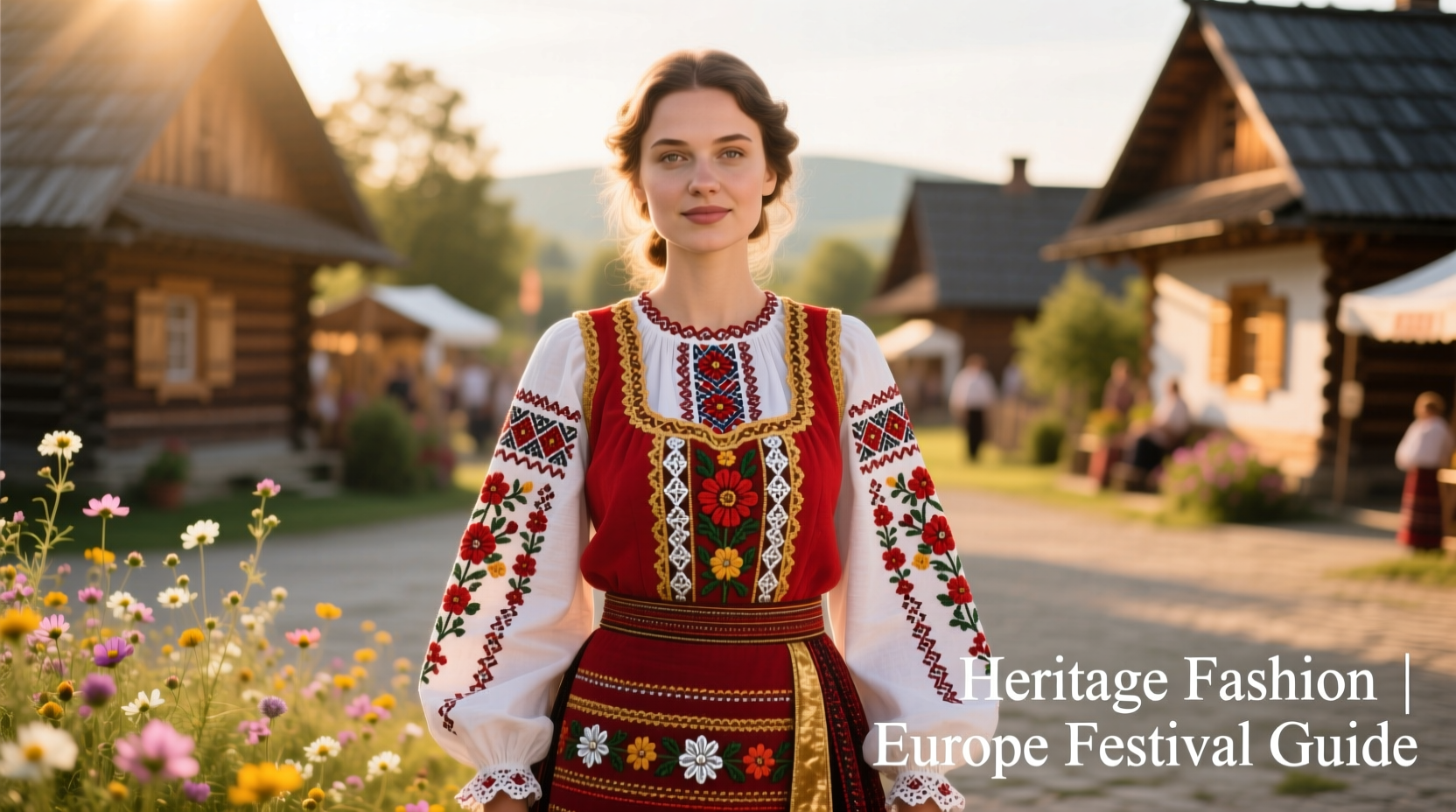
The Ukrainian vyshyvanka is not merely decorative; it is a talisman. The geometric and botanical cross-stitch patterns, traditionally worked in red and black linen thread, represent blood, life, and protection against malevolent forces. In the Hutsul region of the Carpathians, artisans incorporate brass beads and intricate smocking techniques that take hundreds of hours to complete by hand. Paired with a vinok (a wreath of wildflowers and ribbons worn by unmarried women), the visual impact of a village celebrating Kupala Night is a profound display of living Slavic heritage.
Preserving the Thread: Sourcing and Cultural Institutions
For those seeking to study or acquire authentic pieces, bypass commercial 'costume' websites. Instead, engage directly with artisan cooperatives and heritage museums that protect these textile traditions. The Bayerisches Nationalmuseum in Munich holds one of the most exhaustive archives of Alpine Tracht, detailing the evolution of regional tailoring from the 18th century to the modern era.
Similarly, the Norsk Folkemuseum (Norwegian Museum of Cultural History) in Oslo provides unparalleled research on the regional variations of the bunad and the socio-economic history of Norwegian rural dress. For a broader perspective on European textile history, the Victoria and Albert Museum in London frequently curates exhibitions that trace the lineage of folk embroidery and its influence on global fashion.
Final Thoughts for the 2026 Traveler
Attending a European festival in 2026 offers a rare glimpse into the soul of a culture. When you observe the heavy swing of an 8-yard wool kilt, the glint of oxidized silver on a Norwegian bunad, or the meticulous hand-embroidery of a Bavarian apron, you are witnessing the survival of indigenous European identities. Approach these garments with curiosity, respect the artisans who keep the traditions alive, and let the living history of Europe's traditional dresses enrich your journey.