Taiwan National Dress: Formosan & Han Textiles

Decoding the 'Taiwan National Dress' Concept
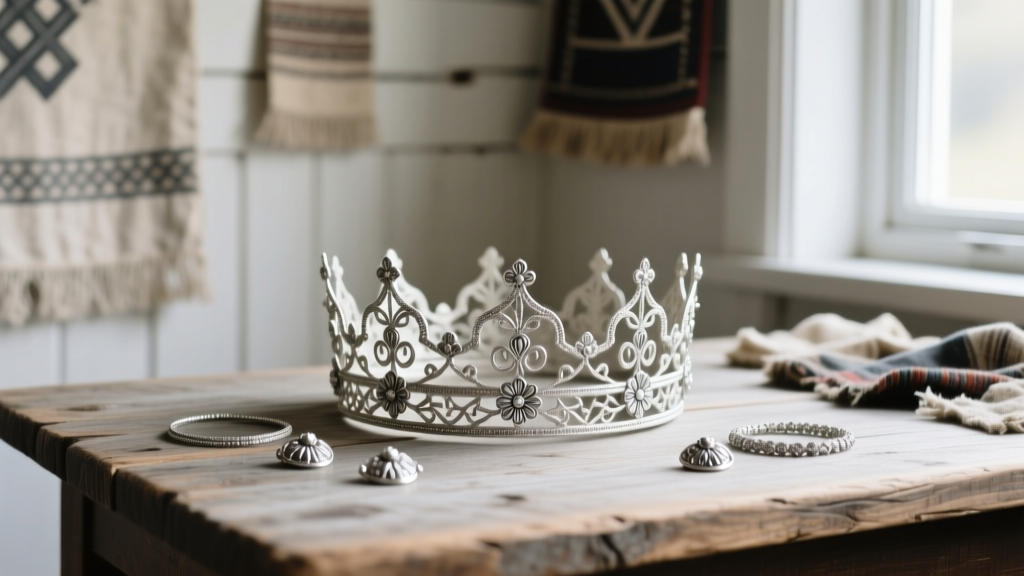
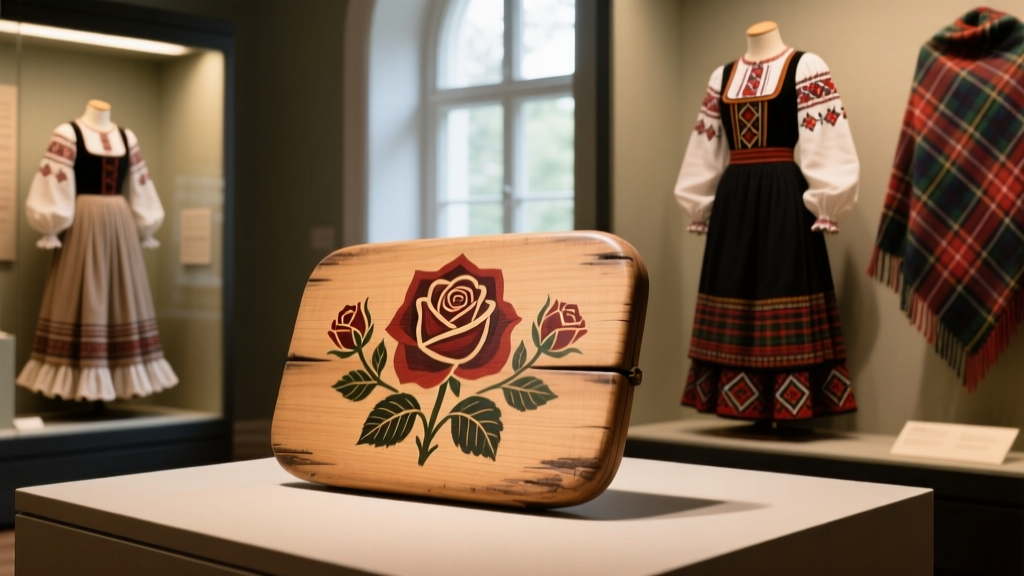
When global textile enthusiasts and cultural historians search for the Taiwan national dress, they often expect a single, codified garment akin to the Norwegian bunad or the Bavarian dirndl. However, Taiwan’s sartorial identity is not a monolith. Instead, it is a rich, dual-narrative tapestry woven from the ancient traditions of Indigenous Formosan peoples and the centuries-old migratory waves of Han Chinese settlers. As a premier encyclopedia of global folk dress, The Garment Atlas includes Taiwan in its broader cross-cultural studies due to the fascinating historical intersections between Formosan indigenous textiles and early European maritime trade routes.
This beginner guide will navigate you through the distinct garments that define Taiwan’s cultural heritage, from the sacred ramie weaves of the Atayal people to the elegant silk tailoring of the modern qipao, complete with actionable buying advice and cultural protocols for 2026.
The Indigenous Soul: Formosan Weaving and Aristocratic Dress
Long before Han migration, Taiwan was home to diverse Austronesian Indigenous groups, each with distinct textile traditions that served as markers of identity, social status, and spiritual protection. According to the Shung Ye Museum of Formosan Aborigines, Indigenous clothing was historically deeply tied to the natural environment and animist beliefs.
Atayal Ramie Weaving and the Backstrap Loom
The Atayal people, residing primarily in the mountainous north, are renowned as master weavers. Their traditional garment, the lalu (a sleeveless woven vest or jacket), is crafted from ramie (often called China grass), a bast fiber known for its incredible tensile strength and breathability. Atayal women traditionally use a ubung (backstrap loom), a technique where the weaver's body tension controls the warp threads.
- Dyes & Motifs: The iconic Atayal color palette features deep reds, blacks, and natural whites. Red, historically derived from yam or Japanese madder, symbolizes vitality and the blood of ancestors. The most sacred motif is the rhombus or diamond shape, representing the eyes of ancestors watching over the wearer.
- Cultural Protocol: Historically, a woman’s weaving skill was a prerequisite for marriage and a ticket to crossing the 'rainbow bridge' to the ancestral afterlife.
Paiwan Aristocracy and the European Connection
The Paiwan and Rukai peoples of southern Taiwan developed a highly stratified aristocratic society, reflected in their opulent dress. Their ceremonial robes are heavily embroidered with the hundred-pace viper (Deinagkistrodon acutus), a sacred ancestor spirit.
Why does this matter to students of European folk dress? In the 17th century, the Dutch East India Company occupied parts of Formosa. They introduced European velvet, brass, and Venetian-style glass trade beads to the island. These European materials were rapidly integrated into Paiwan aristocratic dress, creating a unique hybrid textile lineage where indigenous viper motifs are outlined with imported European glass beads (vulung). The National Taiwan Museum houses stunning 18th-century examples of this cross-cultural synthesis.
Han Chinese Influences: From Ming-Era Hanfu to the Qipao
Beginning in the 17th century, large-scale migration from China’s Fujian and Guangdong provinces brought Han Chinese textile traditions to Taiwan. While early settlers wore practical, wide-sleeved Ming and Qing dynasty-influenced Hanfu adapted for subtropical farming, the 20th century introduced a new icon of Taiwanese formalwear.
The Qipao (Cheongsam) in Taiwanese Culture
Following 1949, Taipei became a hub for master tailors fleeing Shanghai, cementing the qipao as the de facto formal 'national dress' for many Han-Taiwanese women. The Taiwanese qipao is characterized by:
- The Mandarin Collar & Pankou: A stiff, high collar paired with intricate, hand-knotted silk frog fasteners (pankou).
- Fabric Composition: While Shanghai favored heavy brocades, Taiwanese tailors adapted to the humid subtropical climate by utilizing lighter silk crepes, breathable linens, and high-quality cottons.
- The Silhouette: Modern Taiwanese qipao often feature a slightly more relaxed A-line cut compared to the skin-tight Shanghai style, prioritizing elegance and comfort for extended banquet wear.
Sartorial Identity Matrix: Formosan vs. European Traditions
To contextualize Taiwan's garments within our broader European folk dress category, consider how different cultures use textiles to encode social data.
| Feature | Atayal (Taiwan) | Scottish Highland (Europe) | Norwegian Bunad (Europe) |
|---|---|---|---|
| Primary Material | Ramie & Hemp | Wool (Tartan) | Wool, Linen, & Silk |
| Identity Marker | Diamond motifs & Red dye mastery | Specific clan Tartan patterns | Strict regional embroidery rules |
| Loom Type | Backstrap Loom (ubung) | Horizontal Treadle Loom | Various (often guild-regulated) |
| Spiritual Tie | Ancestral Rainbow Bridge | Clan allegiance & Land | Christian & Agrarian folk rites |
A Beginner’s Buying Guide: Where and What to Purchase
If you are traveling to Taiwan or sourcing authentic pieces online, knowing where to look—and what to expect to pay—is crucial. The Ministry of Culture, Taiwan actively supports indigenous artisan cooperatives, ensuring fair trade and cultural preservation.
Sourcing Indigenous Textiles
Where to go: Skip the generic airport souvenir shops. Head to the Taipei Indigenous Handicraft Center or visit the weekend markets in Hualien and Taitung counties to buy directly from Atayal and Amis weavers.
- Authentic Hand-Woven Atayal Vest: 8,000 – 15,000 NTD ($250 – $480 USD). Expect to wait weeks or months for bespoke pieces.
- Contemporary Indigenous-Inspired Streetwear: Brands like Aboriginal Design blend traditional motifs with modern cotton hoodies and tees, ranging from 1,500 – 3,000 NTD ($50 – $95 USD).
Sourcing the Qipao
Where to go: Dihua Street in Taipei’s Dadaocheng district is the historic heart of the textile trade. Here, you can buy fine silks by the yard and hire a master tailor.
- Mass-Market / Ready-to-Wear Qipao: 1,500 – 3,500 NTD ($50 – $110 USD). Usually made of synthetic blends or cotton; great for casual festivals.
- Bespoke Silk Qipao: 12,000 – 30,000+ NTD ($380 – $950+ USD). Includes custom measurements, hand-knotted pankou, and premium imported silk.
Wearing Etiquette and Cultural Sensitivity
As with any traditional garment, respect for the living culture is paramount. The concept of 'cultural appropriation' is highly relevant when engaging with Indigenous Formosan dress.
- Do Not Buy Sacred Ceremonial Items: Certain Paiwan glass bead necklaces and chief's robes are restricted by traditional sumptuary laws. Purchasing mass-produced knock-offs of these sacred items is considered deeply offensive. Always ask artisans if a motif is appropriate for everyday wear by non-tribe members.
- Qipao Etiquette: The qipao is widely embraced as formalwear in Taiwan for weddings, Lunar New Year, and diplomatic banquets. When wearing one, ensure the hemline and slit heights are tailored appropriately for the occasion; overly sexualized, cheap costume versions are frowned upon in formal Taiwanese society.
- Support Living Artisans: The true value of the Taiwan national dress lies in its continuation. Seek out pieces certified by the Taiwan Crafts Research Institute to ensure your purchase supports the livelihoods of indigenous weavers and Han master tailors keeping these heritage skills alive.
Caring for Your Heritage Garments
Proper maintenance ensures these textiles survive for generations. Ramie is naturally anti-bacterial and mold-resistant, making it ideal for humid climates; it should be hand-washed in cold water and air-dried in the shade to prevent fiber brittleness. Silk qipao, conversely, should never be machine-washed. Rely on specialized dry cleaners in Taipei who understand the delicate nature of hand-knotted frog buttons, which can unravel or lose their shape if submerged in harsh chemicals.
Whether you are drawn to the ancestral geometry of an Atayal weave or the cosmopolitan elegance of a Taipei-tailored qipao, understanding the Taiwan national dress offers a profound window into the island's complex, resilient, and beautifully layered history.