Scottish Kilt and Tartan: Clan System Guide

The Kilt: Scotland's National Garment
The kilt is a knee-length garment with pleats at the back, originating in the traditional dress of men and boys in the Scottish Highlands. Today it is worn on formal occasions, at Highland games, and as everyday fashion by Scots and non-Scots alike.
History of the Kilt
The modern kilt evolved from the "great kilt" (feileadh mor), a full-length garment that could be wrapped around the body and draped over the shoulder. The small kilt (feileadh beag) — the version worn today — emerged in the 18th century. After the Jacobite rising of 1745, the Dress Act banned Highland dress until 1782.
Understanding Tartan
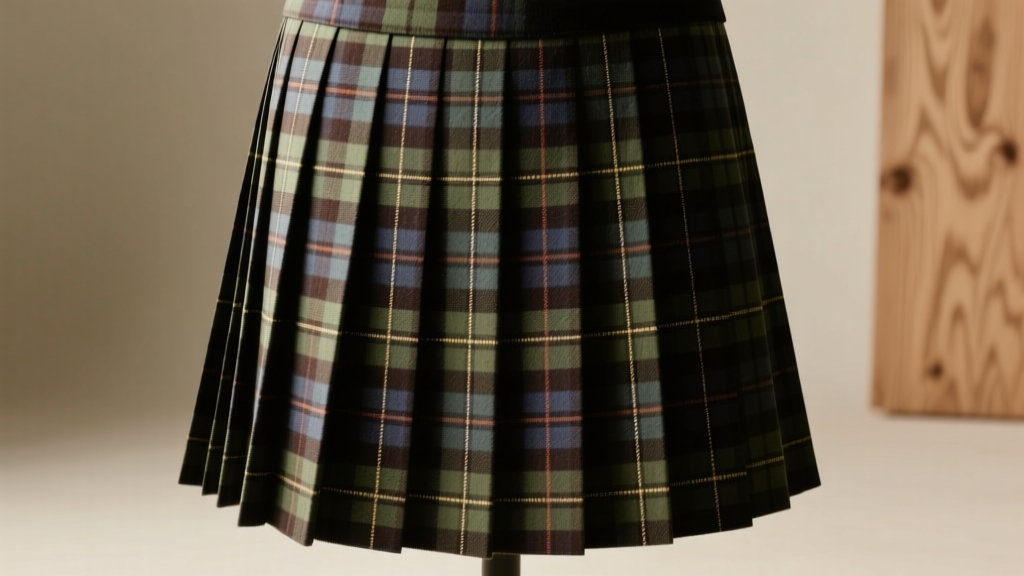
Tartan is a patterned cloth of crossing horizontal and vertical bands in multiple colors. Each registered tartan is associated with a Scottish clan, family, or institution. The sett (pattern) is defined by thread counts and color sequences.
Clan Tartans Explained
- Ancient tartans: Lighter, muted colors using natural dyes available historically
- Modern tartans: Deeper, richer colors using synthetic dyes
- Dress tartans: Lighter backgrounds, often with white, for formal occasions
- Hunting tartans: Darker, earth-toned colors for outdoor wear
Wearing the Kilt Today
A proper Highland dress includes the kilt, sporran (leather pouch), sgian-dubh (small knife), kilt hose with flashes, and ghillie brogues. For formal events, a Prince Charlie jacket or Argyll jacket completes the ensemble.