Sardinian Costume: Island Traditions
Europe's Most Diverse Costume Tradition
Sardinia possesses one of Europe's most diverse and well-preserved traditional costume traditions, with over 400 documented village-specific variations across the island. Each community's costume — known as abidu or bestire — encodes information about the wearer's village, social status, marital situation, and the occasion being observed.
The Sardinian Palette
Sardinian traditional dress favors a dramatic color palette dominated by black, red, and white. Women's costumes typically feature a dark base layer (black or deep blue), accented with red shawls, embroidered aprons, and white headcoverings. This restrained palette creates visual impact through texture and detail rather than bright color variety.
Filigree Jewelry
Sardinian filigree (filigrana) jewelry is inseparable from the traditional costume. Women wear elaborate gold or silver earrings (often hoop-style with intricate wirework), necklaces of coral or amber, and the distinctive button-shaped buttons (bottoni) that fasten bodices. Each village has preferred jewelry styles, and families pass down pieces through generations.
Village Distinctions
The level of village-specific variation is extraordinary. Neighboring communities may differ in apron color, headcovering style, bodice cut, or embroidery pattern. Expert observers can identify a wearer's village of origin from costume details alone. The village of Atzara, for example, is known for its distinctive white headcovering with red trim, while Desulo favors darker tones with minimal ornament.
Living Tradition
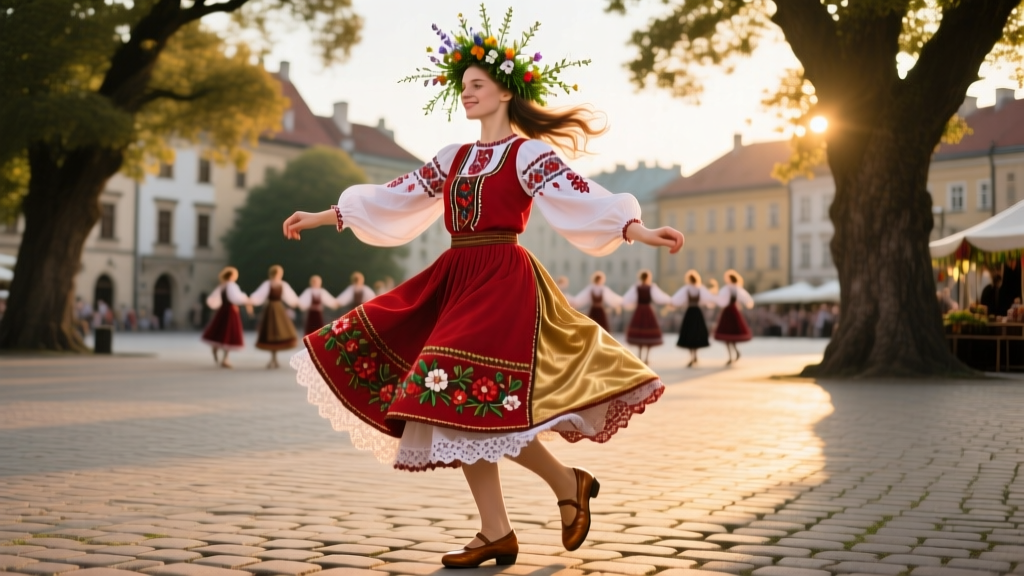
Sardinia maintains an active calendar of festivals where traditional costumes are worn: the Cavalcata Sarda in Sassari, the Sagra di Sant'Efisio in Cagliari, and numerous village feast days. The tradition is supported by local cultural associations and the Sardinian regional government, which funds documentation and training programs for young costume makers and embroiderers.