Styling German Clothing: Modern vs Traditional Trachten 2026

The Evolution of Tracht: Beyond the Oktoberfest Caricature
When discussing german clothing, the global imagination often defaults to the beer-hall aesthetics of Munich’s Oktoberfest. However, authentic German folk dress—collectively known as Tracht—is a complex, highly regionalized sartorial language with roots stretching back centuries. In 2026, the styling of German heritage garments exists on a spectrum between strict historical preservation and Landhausmode (country-house fashion), a contemporary adaptation that blends Alpine silhouettes with modern minimalism. Understanding the difference between a mass-produced costume and a handcrafted Miedergwand (bodice dress) is essential for anyone looking to wear these garments with cultural respect and modern elegance.
Historically, Tracht was not a uniform, but a geographic identifier. The cut of a bodice, the specific shade of blue in a skirt, or the motif of an embroidery could pinpoint a wearer’s village, marital status, and social standing. Today, the revival of traditional german clothing is driven by a desire for slow fashion and artisanal craftsmanship, moving away from the synthetic, neon-hued costumes of tourist shops toward sustainable, heritage-minded styling.
Decoding the Dirndl: Heritage Construction vs. Contemporary Cuts
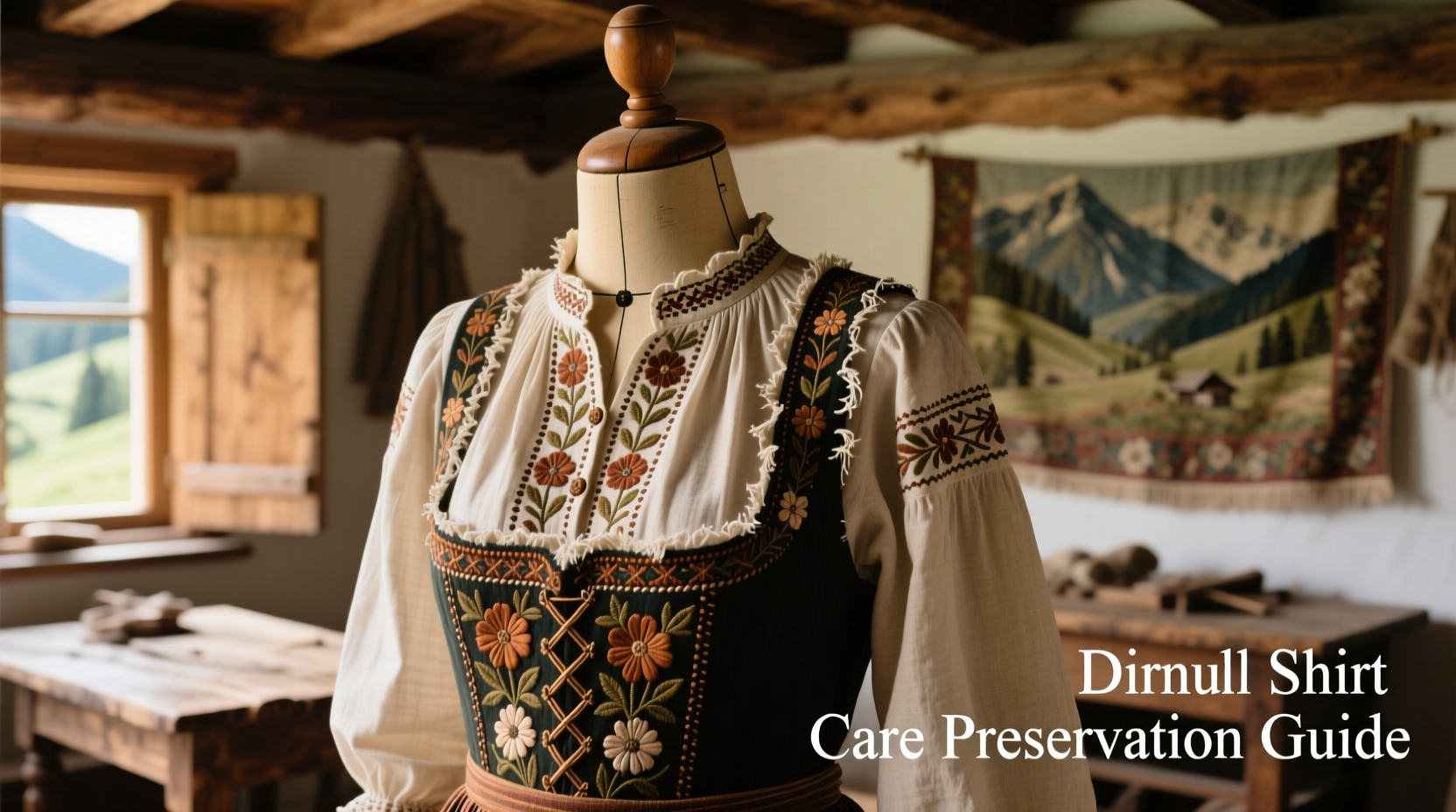
The Dirndl is arguably the most recognized piece of german clothing, yet its modern iterations often strip away the structural engineering that made the original garment so enduring. A traditional Dirndl consists of four distinct elements: the Mieder (bodice), the Rock (skirt), the Schürze (apron), and the Bluse (blouse).
In traditional Bavarian and Austrian tailoring, the Mieder is heavily structured, often featuring internal boning and a front closure secured by a silver chain (Erkerkette) or hand-stitched eyelets. The fabric is typically a heavy, durable cotton-linen blend or virgin wool, designed for labor and alpine weather. Modern Landhausmode Dirndls, conversely, often utilize softer, unboned bodices made from silk blends, chambray, or lightweight viscose, prioritizing comfort and a relaxed silhouette over historical rigidity.
The Apron Code (Schürzenknoten)
Regardless of whether you are wearing a vintage 1920s Dirndl or a modern minimalist design, the cultural protocol of the apron knot remains a vital piece of sartorial communication. Tying the Schürze incorrectly is a common faux pas for international visitors.
- Left Side: The wearer is single and open to courtship.
- Right Side: The wearer is married, engaged, or in a relationship.
- Center Front: Historically indicated a young, unmarried woman or a virgin, though in some modern contexts, it is simply a stylistic choice.
- Center Back: The wearer is a widow, or, in the context of hospitality, the wearer is a waitress working the floor.
Lederhosen and Masculine Silhouettes in the 2020s
While the Dirndl dominates female fashion, Lederhosen (leather breeches) represent the pinnacle of masculine german clothing craftsmanship. Authentic Lederhosen are not merely shorts; they are heirloom garments crafted by a Säckler (master leatherworker). The gold standard is Hirschleder (deer leather), which is brain-tanned or smoked, resulting in a supple, washable, and incredibly durable material that develops a rich patina over decades of wear.
Traditional styling features the Plattler (drop-front flap) secured by horn buttons, and the Hosenträger (suspenders) adorned with intricate Stickerei (embroidery) depicting regional flora like oak leaves, edelweiss, or alpine roses. In 2026, modern styling has seen a shift in how Lederhosen are contextualized. While the traditional pairing remains a checked Karo shirt and rustic Haferlschuhe
Material and Palette: A Comparative Styling Matrix
To navigate the market, it is crucial to distinguish between authentic Tracht and commercial Landhausmode. The table below outlines the core differences in construction, materials, and pricing for german clothing in the current market.
| Element | Traditional Tracht (Heritage) | Modern Landhausmode (Contemporary) |
|---|---|---|
| Primary Fabrics | Heavy linen, virgin wool, raw silk, brain-tanned deer leather. | Cotton blends, viscose, chambray, cowhide leather, polyester mixes. |
| Color Palette | Regionally specific (e.g., Miesbacher deep green, Werdenfelser brown). Muted, natural dyes. | High-contrast tourist colors (neon pinks, bright reds) OR ultra-minimalist monochromes (navy, slate, olive). |
| Hemline / Length | Dirndl: Mid-calf to ankle. Lederhosen: Knee-length (Kniebundhose). | Dirndl: Above-the-knee (mini) to midi. Lederhosen: Short shorts or tailored trousers. |
| Footwear | Haferlschuhe, traditional alpine loafers, leather lace-ups. | Clean white sneakers, modern ankle boots, minimalist loafers. |
| Price Range (EUR) | Dirndl: €400 - €1,500+. Lederhosen: €600 - €2,500+. | Dirndl: €120 - €350. Lederhosen: €150 - €400. |
Regional Spotlight: Beyond the Bavarian Alps
A common mistake in styling german clothing is assuming Bavarian Alpine wear represents the entirety of the nation. Germany’s diverse topography has birthed vastly different folk costumes, each with unique modern styling potential.
The Black Forest (Schwarzwälder Tracht)
The Black Forest region is famous for the Bollenhut, a striking hat adorned with large, pom-pom-like wool spheres (red for unmarried women, black for married). While the full traditional ensemble is heavy and largely reserved for cultural festivals, modern designers frequently borrow the high-necked, puff-sleeved blouses and the rich, dark velvet skirts of the Schwarzwald aesthetic, pairing them with modern leather accessories for a dramatic, gothic-tinged winter wardrobe.
East Frisia (Friesische Tracht)
In the windswept north, the Frisian traditional dress reflects a maritime heritage. Characterized by dark, modest skirts, intricate silver filigree jewelry (Friesensilber), and practical woolen shawls, Frisian styling is inherently understated. Contemporary fashion in northern Germany often channels this "coastal grandmother" aesthetic through heavy cable-knit sweaters, silver clasps, and structured, wind-resistant wool coats, proving that german clothing extends far beyond the southern mountains.
Curating an Authentic Wardrobe: Sourcing and Price Guide
Investing in authentic german clothing requires knowing where to look. Avoid souvenir shops in city centers, which sell mass-produced, culturally hollow garments. Instead, seek out established heritage brands and regional artisans. For Dirndls, houses like Meindl, Krüger, and smaller bespoke tailors in Munich and Salzburg offer garments with proper internal corsetry and natural fibers. For Lederhosen, look for the Echtes Leder (genuine leather) certification and inquire about the tanning process; brands like Luis Steindl or Trachten Angermaier provide excellent entry points into high-quality alpine wear.
When styling these pieces for contemporary events—such as a modern wedding, a cultural festival, or an upscale alpine dinner—opt for the "rule of one." If you are wearing a highly traditional, heavily embroidered Dirndl, keep your hair, makeup, and footwear modern and minimalist. Conversely, if you are wearing a sleek, monochrome Landhausmode dress, you can elevate the look with vintage silver Charivari (chain jewelry) or a traditional silk neckerchief. This tension between the historical and the contemporary is what keeps German folk dress a living, breathing fashion tradition rather than a museum relic.
References and Cultural Institutions
To further research the historical accuracy and regional variations of german clothing, the following institutions offer extensive archives, exhibitions, and academic resources on European folk dress:
- Bayerisches Nationalmuseum (Bavarian National Museum) - Home to one of the most comprehensive collections of historical Alpine and Bavarian Tracht, detailing the evolution of textiles from the 18th century to the modern era.
- Münchner Stadtmuseum (Munich City Museum) - Features extensive archives on the cultural impact of Oktoberfest and the commercialization of traditional german clothing in the 20th and 21st centuries.