How to Wash, Iron, and Preserve Your Dirndl Shirt
The Foundational Layer: Understanding the Dirndlbluse
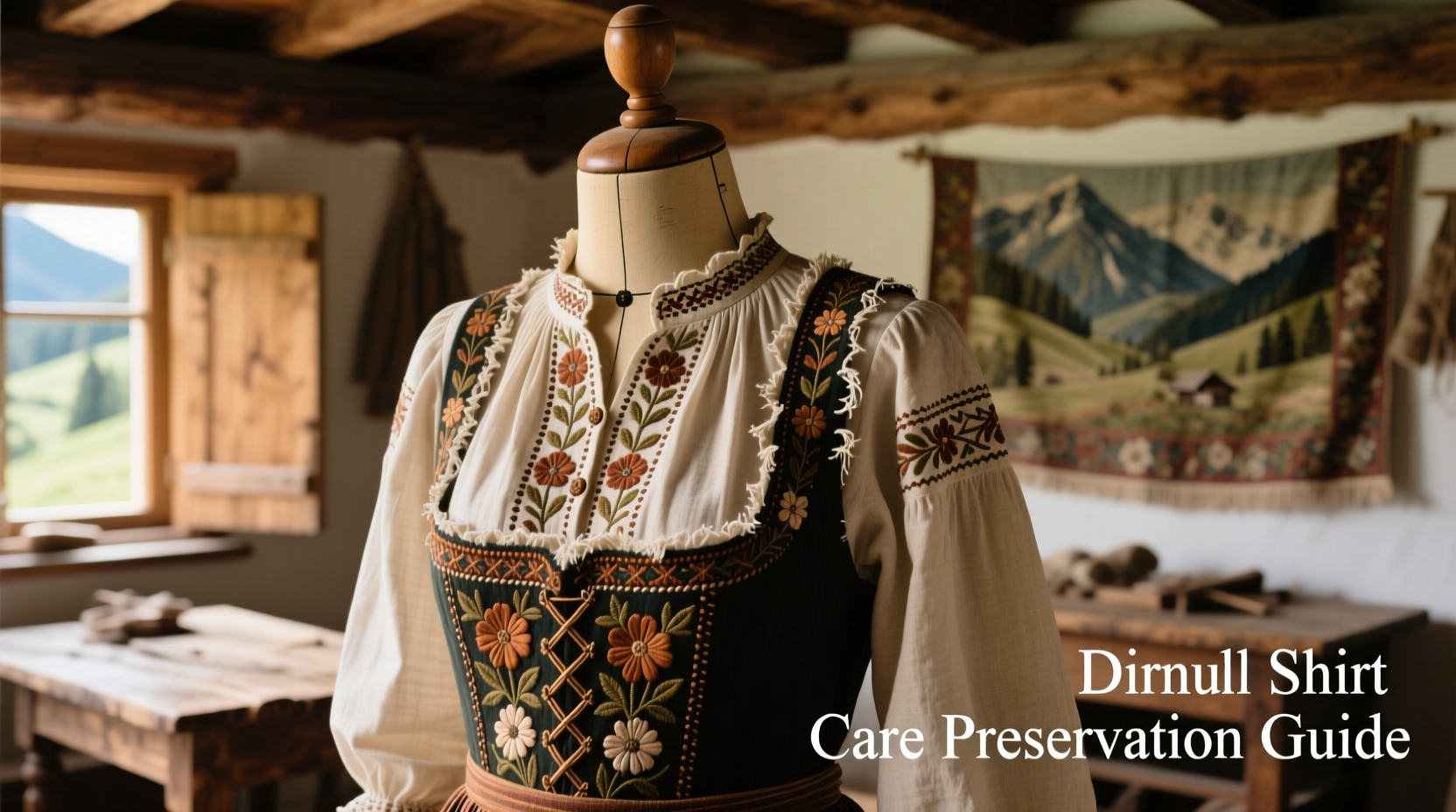
The dirndl shirt, known natively in German and Austrian traditions as the Dirndlbluse, is far more than a simple undergarment. It is the foundational layer of the Tracht (traditional folk dress) ensemble, framing the face and providing a striking visual contrast to the dark, rich wools and silks of the dirndl bodice and apron. Whether you are wearing a rustic everyday dress or a highly ornate festival garment for Oktoberfest or a traditional Alpine wedding, the pristine condition of your dirndl shirt is paramount.
High-quality, artisan-made dirndl shirts featuring hand-embroidered Weißstickerei (white embroidery) or delicate bobbin lace can cost anywhere from €120 to over €400. Because these garments are often crafted from delicate natural fibers, improper laundering can lead to irreversible shrinkage, fiber degradation, and the dreaded yellowing of white fabrics. This comprehensive preservation guide draws on textile conservation principles and Alpine heritage practices to ensure your blouse remains a lasting part of your cultural wardrobe.
Fabric Composition and Anatomy of the Blouse
Before applying water or detergent, you must identify the fabric composition and structural elements of your specific blouse. The Bayerisches Nationalmuseum (Bavarian National Museum) notes that historical and contemporary dirndl blouses rely on specific natural fibers to maintain their traditional silhouette and breathability.
- Baumwollbatist (Cotton Batiste): The most common fabric. It is a lightweight, semi-sheer, tightly woven cotton that holds crisp pleats and delicate gathers well.
- Leinen (Linen): Used primarily in rustic, summer, or historically accurate peasant-style Tracht. Linen is highly durable but prone to severe wrinkling and requires specific ironing techniques.
- Seide (Silk): Reserved for festive and high-end regional variations, such as the Ausseer Dirndl. Silk blouses require entirely different, often professional, care protocols.
- Spitze (Lace): Often integrated into the collar (Stehkragen) or cuffs. This may be Klöppelspitze (bobbin lace) or Häkelspitze (crochet lace), both of which are highly susceptible to snagging and tearing in washing machines.
Structurally, the classic blouse features Puffärmel (puffed sleeves) gathered at the shoulder and cuff, and a square or round neckline designed to sit perfectly beneath the dirndl's bodice edge. These gathers and delicate seams are the primary stress points during laundering.
Washing Protocols: Hand-Washing vs. Machine Care
While modern cotton batiste blouses often carry a 'machine washable' label, cultural garment experts and textile conservators strongly recommend hand-washing to preserve the integrity of the gathers and embroidery. If you must use a machine, always utilize a mesh lingerie bag and a delicate cycle at a maximum of 30°C (86°F).
The Hand-Washing Method for Cotton and Linen
Fill a clean basin with lukewarm water (around 30°C). Avoid hot water, which can cause severe shrinkage in untreated cotton and linen. Use a pH-neutral, liquid detergent designed for delicates. Crucially, never use chlorine bleach. Chlorine weakens cellulose fibers (cotton and linen) over time, leading to fabric rot and eventual tearing at the stress points of the puffed sleeves.
Gently submerge the blouse and agitate the water with your hands. Allow it to soak for no more than 15 minutes. Pay special attention to the collar and underarm areas, where sebum and perspiration accumulate. Gently rub these areas between your fingers with a small amount of detergent, then rinse thoroughly in cool water until the water runs completely clear.
| Fabric Type | Washing Method | Max Temperature | Detergent Type | Drying Method |
|---|---|---|---|---|
| Cotton Batiste | Hand wash / Delicate machine | 30°C - 40°C | pH-neutral liquid | Air dry flat or padded hanger |
| Pure Linen | Hand wash preferred | 30°C | Mild liquid or curd soap | Air dry damp, iron immediately |
| Silk (Festive) | Professional Dry Clean | N/A | N/A | Professional finishing |
| Lace Accents | Hand wash in mesh bag | 20°C | Wool/Silk specific wash | Reshape and dry flat on towel |
Combating Yellowing: Traditional and Modern Solutions
White cotton and linen dirndl shirts are notorious for yellowing over time, particularly when stored in environments with fluctuating humidity or when packed away in plastic. This yellowing is often caused by the oxidation of residual body oils or the degradation of optical brighteners found in modern commercial detergents.
To restore the brilliant white of a vintage or yellowed Dirndlbluse, turn to traditional Alpine methods before resorting to harsh chemicals. Kernseife (traditional German curd soap, made without excess fats or synthetic additives) is highly effective. Lather the yellowed areas with Kernseife and place the damp blouse in direct sunlight for a few hours. The ultraviolet (UV) rays from the sun act as a natural, gentle bleaching agent that breaks down the oxidized oils without destroying the cotton fibers. Rinse thoroughly afterward. For severe historical yellowing, consult the Victoria and Albert Museum's textile conservation guidelines before attempting any chemical whitening on garments over 50 years old.
Ironing and Shaping Puffed Sleeves and Lace
The silhouette of the dirndl shirt relies heavily on proper ironing. Ironing a Puffärmel flat against an ironing board will permanently crease the gathers and ruin the voluminous shape.
- Preparation: Ensure the blouse is slightly damp. If it has dried completely, use a spray bottle filled with distilled water to mist the fabric evenly. Distilled water prevents mineral spots from tap water.
- The Sleeve Roll: To iron the puffed sleeves, insert a sleeve roll or a tightly rolled, clean cotton towel into the sleeve. This provides a curved surface that allows you to press the fabric without flattening the gathers at the shoulder and cuff.
- Embroidery and Lace: If your blouse features Weißstickerei or raised lace, always iron it face down on a thick, clean terry cloth towel. This allows the raised textures to sink into the towel's pile, preventing them from being crushed flat by the iron's weight. Use a pressing cloth (a piece of plain white cotton) between the iron and the delicate lace to prevent scorching.
- Linen Specifics: Linen requires high heat and copious amounts of steam. Iron while the garment is still quite damp, pulling the fabric taut to smooth out the stubborn flax fibers.
Long-Term Storage and Archival Preservation
How you store your dirndl shirt between festival seasons or family gatherings dictates its lifespan. The Tiroler Volkskunstmuseum (Tyrolean Folk Art Museum) emphasizes that traditional textiles must be protected from acidic environments, pests, and light exposure.
Never store your white blouses in standard plastic dry-cleaning bags or vacuum-sealed plastic bins. Plastic traps moisture and emits off-gassing chemicals that will cause white cotton to yellow and degrade rapidly. Instead, utilize the following archival storage checklist:
- Unbleached Cotton Garment Bags: Store the clean, completely dry blouse inside a breathable, unbleached cotton bag.
- Acid-Free Tissue Paper: Stuff the puffed sleeves and the bodice gathers with acid-free, unbuffered tissue paper. This maintains the garment's structural shape and prevents deep, hard-to-remove creases from forming.
- Padded Hangers: If hanging in a wardrobe, use wooden hangers wrapped in acid-free tissue or cotton batting. Wire hangers will distort the delicate shoulder seams and cause rust stains.
- Climate Control: Store in a dark, climate-controlled closet. Avoid attics or basements where temperature and humidity fluctuations encourage mold growth and fiber stress.
Regional Variations in Blouse Care
Care protocols must sometimes adapt to specific regional Tracht variations. For example, the Ausseer Dirndl from the Salzkammergut region traditionally pairs with a highly delicate, sometimes silk-blend blouse featuring intricate pintucks. These should rarely be submerged in water; spot cleaning and professional steaming are preferred. Conversely, the robust linen blouses worn with the Isarwinkler Tracht are designed for hard work and can withstand more rigorous washing, provided they are heavily starched and hot-ironed afterward to maintain their crisp, traditional armor-like appearance.
By understanding the specific anatomy, fabric, and regional heritage of your dirndl shirt, you transition from simply doing laundry to actively preserving a piece of European cultural history. Treat your Dirndlbluse with the respect it deserves, and it will remain a brilliant, flawless foundation for your traditional wardrobe for decades to come.