The Authentic Lederhosen and Dirndl Buying Guide 2026

Beyond the Beer Tent: Understanding Authentic Tracht
When shopping for traditional Alpine clothing, the most critical distinction a buyer must make is between Kostüm (costume), Landhausmode (country-house fashion), and genuine Tracht. Mass-produced costumes sold near tourist traps are often made of synthetic polyesters, featuring inaccurate cuts and historically inappropriate hemlines. Genuine lederhosen and dirndl garments, however, are part of a living cultural heritage recognized and preserved by institutions like the Bayerischer Trachtenverband (Bavarian Traditional Costume Association).
Authentic Tracht is an investment in artisanal craftsmanship. A true dirndl is constructed to flatter and support, while genuine lederhosen are crafted from regionally sourced, oil-tanned leathers that mold to the wearer's body over decades. This 2026 buying guide will walk you through the exact anatomy, sizing matrices, and regional variations necessary to purchase authentic Bavarian and Alpine garments with cultural respect and sartorial confidence.
The Anatomy of a Genuine Dirndl
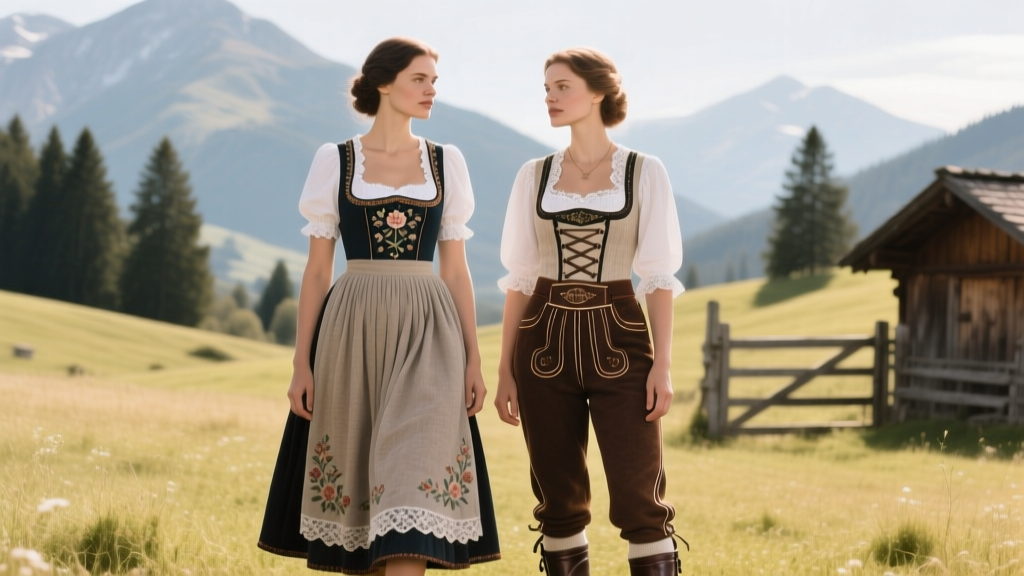
A traditional dirndl is not a single dress, but a four-piece ensemble. Understanding these components is vital for assessing quality and ensuring a proper fit.
- Dirndlbluse (Blouse): Typically made of white cotton batiste or linen. Authentic blouses end just below the bust and feature square, round, or heart-shaped necklines. They are designed to be worn under the bodice, not as standalone tops.
- Mieder (Bodice): The structural core of the dirndl. High-quality Mieder are made from cotton, linen, or silk brocade, reinforced with internal boning or heavy canvas interfacing. They fasten via horn buttons, metal hooks, or a front lacing cord. The Mieder should fit snugly to provide bust support without restricting breathing.
- Rock (Skirt): Traditionally made of wool, linen, or high-grade cotton. The skirt is heavily gathered or pleated at the waistband. While modern fashion dirndls often feature mini hemlines, authentic Tracht skirts fall to the knee or mid-calf (typically 60cm to 80cm in length).
- Schürze (Apron): A mandatory component. The apron is tied at the front, and the placement of the bow (Schleife) communicates the wearer's relationship status. Tied on the left: single. Tied on the right: married or taken. Tied in the center back: widowed. (The center-front bow, historically denoting virginity, is largely obsolete in modern practice).
Dirndl Sizing and Fit Matrix
German sizing (DE) differs significantly from US and UK metrics. Furthermore, authentic Tracht makers tailor their garments with a 'corset-fit' assumption. The Mieder must be tight enough to support the bust, but the Rock waistband should sit comfortably on the natural waist. Below is a standard conversion and measurement chart for premium dirndl manufacturers.
| DE Size | US Size | Bust (cm) | Waist (cm) | Hips (cm) | Fit Notes |
|---|---|---|---|---|---|
| 34 | 4 | 80 - 84 | 62 - 66 | 88 - 92 | Mieder should feel firm; allows 2cm stretch. |
| 36 | 6 | 84 - 88 | 66 - 70 | 92 - 96 | Standard slim fit; ensure ribcage is measured. |
| 38 | 8 | 88 - 92 | 70 - 74 | 96 - 100 | Most common size; check bodice hook spacing. |
| 40 | 10 | 92 - 96 | 74 - 78 | 100 - 104 | Opt for adjustable lacing Mieder if between sizes. |
| 42 | 12 | 96 - 100 | 78 - 82 | 104 - 108 | Ensure Rock waistband sits exactly at natural waist. |
| 44 | 14 | 100 - 104 | 82 - 86 | 108 - 112 | Look for reinforced side-seams in the Mieder. |
Pro Tip: If your bust and waist measurements fall into two different DE sizes, always size for the bust and have the waist taken in by a tailor, as letting out a bodice is often impossible due to lack of seam allowance in traditional Tracht.
Investing in Lederhosen: Leather Types and Craftsmanship
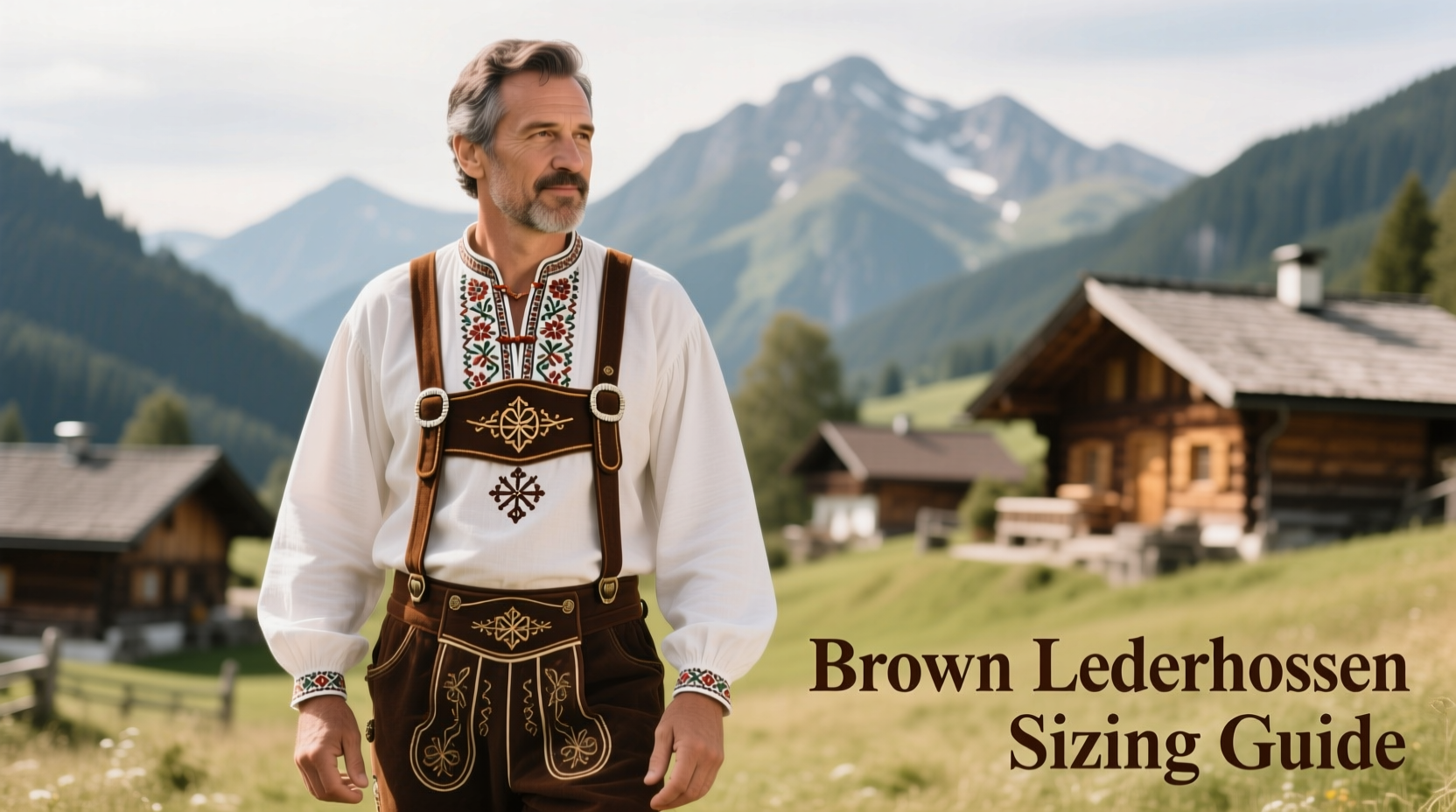
Authentic lederhosen are masterworks of the Säcklermeister (master leatherworker). According to historical archives at the Bayerisches Nationalmuseum, the craft of Alpine leatherworking dates back centuries, utilizing specific regional tanning methods that modern factories cannot replicate.
The Leather Hierarchy
The value and comfort of your lederhosen depend entirely on the hide and the tanning process:
- Hirschleder (Deerskin): The gold standard of Bavarian Tracht. Deerskin is tanned using Sämischgerbung (oil tanning with fish or cod liver oil). This labor-intensive process makes the leather incredibly soft, breathable, and uniquely washable. Hirschleder develops a beautiful patina over time and conforms perfectly to the wearer's thighs and seat.
- Rindsleder (Cowhide): Thicker, stiffer, and more durable, but lacks the breathability and soft drape of deerskin. Often used for heavy workwear or entry-level Tracht. It requires a significant 'break-in' period.
- Ziegenleder (Goatskin): A middle-ground option. Softer than cowhide but more affordable than deerskin. It features a distinct pebble grain and is highly resistant to scratching.
Lederhosen Measurement Guide
Unlike denim, genuine oil-tanned leather will stretch up to 3-4 centimeters in the waist and seat after a few wears. Therefore, lederhosen must be purchased snugly. If they feel comfortable in the fitting room, they will be too loose after a week of wear. When measuring, focus on:
- The Bund (Waist): Measure exactly at the navel. Traditional lederhosen sit higher on the waist than modern jeans.
- The Oberschenkel (Thigh): Measure the widest part of the thigh. The Latze (front drop-flap) and gussets should allow for sitting without pulling the suspenders (Hosenträger) aggressively.
- The Länge (Length): For Kurze Lederhosen (short), the hem should end mid-thigh. For Bundhosen (knee-length), the hem should rest exactly on the kneecap, fastened by a leather tie or button cuff.
Regional Variations: Miesbacher vs. Allgäuer Tracht
Authentic Tracht is deeply tied to specific valleys and municipalities. Purchasing a garment that aligns with a specific regional style demonstrates profound cultural respect.
The Miesbacher Tracht (from the Miesbach district) is considered the quintessential Bavarian style. Men's lederhosen feature intricate, light-green or yellow hand-stitched embroidery (Stickerei) depicting alpine flora, edelweiss, and hunting motifs. The Miesbacher dirndl is characterized by a dark, elegant color palette, often utilizing heavy silk or wool blends, paired with a distinct grey loden jacket.
Conversely, the Allgäuer Tracht (from the Allgäu region in Swabia) features lighter, more pastel tones. The embroidery on Allgäuer lederhosen often incorporates white or cream thread, and the dirndls frequently feature floral cotton prints with contrasting, brightly colored silk aprons. When buying from heritage retailers like Lodenfrey in Munich, staff can guide you toward garments that respect these specific regional codes.
Price Tiers and Sourcing Authentic Garments
Understanding the pricing structure of Bavarian Tracht helps buyers avoid overpaying for mass-produced imports while recognizing the value of true artisanal labor. A master-crafted pair of Hirschleder lederhosen requires over 40 hours of hand-stitching and embroidery.
| Tier | Dirndl Price Range (EUR) | Lederhosen Price Range (EUR) | Materials & Construction |
|---|---|---|---|
| Entry / Landhaus | €120 - €250 | €180 - €350 | Cotton/poly blends, cowhide, machine embroidery. Good for occasional festive wear. |
| Mid-Tier Manufaktur | €350 - €700 | €500 - €900 | 100% linen/cotton, goatskin or basic deerskin, partial hand-stitching, horn buttons. |
| Mastercraft (Säckler) | €800 - €2,500+ | €1,200 - €3,500+ | Premium Hirschleder, pure silk brocades, 100% hand-embroidered, bespoke tailoring. |
Caring for Your Bavarian Heritage Garments
Proper care ensures your Tracht lasts for generations. Never dry-clean genuine Hirschleder. The chemicals will strip the natural oils, leaving the leather brittle and gray. If your oil-tanned lederhosen become soiled, they can be gently washed by hand in a bathtub using lukewarm water and a specialized leather soap or mild baby shampoo. Massage the leather gently, rinse thoroughly, and let them air dry away from direct heat. Once slightly damp, put them on and wear them until fully dry; this molds the leather back to your exact body shape.
For dirndls, the Mieder and Rock should be spot-cleaned or hand-washed cold to preserve the structural boning and prevent natural fibers from shrinking. Silk aprons (Schürzen) must be dry-cleaned or steamed gently. Always store your garments on wide, padded hangers in a breathable cotton garment bag to protect the delicate embroidery and silk from dust and light damage.
By prioritizing authentic materials, respecting regional tailoring traditions, and understanding the nuances of Alpine sizing, you elevate your wardrobe from a temporary festival outfit to a lasting piece of European cultural heritage.