Brown Lederhosen: Buying & Sizing Guide 2026
The Foundation of Alpine Tracht: Why Brown Lederhosen?
When navigating the world of Bavarian and Alpine folk dress, the brown lederhosen stands as the undisputed cornerstone of authentic menswear. Unlike the commercialized, mass-produced costumes often seen at international beer festivals, genuine Tracht is a living tradition governed by regional customs, historical craftsmanship, and strict sartorial codes. According to the Bayerisches Nationalmuseum (Bavarian National Museum), the leather trouser evolved from the rugged workwear of 18th-century Alpine hunters and foresters into a symbol of regional pride and cultural identity.
Whether you are attending a traditional Gaufest (folk festival), participating in a Trachtenverein (traditional dress club) event, or simply investing in high-quality heritage garments, understanding the nuances of brown lederhosen is essential. This 2026 buying and sizing guide will help you distinguish between authentic artisanal craftsmanship and tourist-grade apparel, ensuring your investment honors the cultural weight of the garment.
Decoding Leather Types: Hirschleder vs. Rindsleder
The soul of any lederhosen lies in its hide. The color brown is not merely a dye choice; it is the natural result of traditional tanning methods and the specific animal hide used. When browsing high-end Trachtenschneider (traditional tailors), you will encounter two primary materials:
Hirschleder (Deerskin)
Considered the gold standard for premium lederhosen, Hirschleder is prized for its buttery texture, exceptional breathability, and lightweight feel. Because deer hides are smaller and more difficult to source without blemishes (from tick bites or brambles), a flawless pair of deerskin lederhosen commands a premium price. The natural brown hue of brain-tanned deerskin develops a rich, dark patina over years of wear, molding perfectly to the wearer's body.
Rindsleder (Cowhide)
Cowhide is thicker, more rigid, and highly durable. While it requires a longer and more rigorous break-in period, Rindsleder is an excellent choice for those who need a rugged garment for outdoor alpine activities or frequent wear. High-quality cowhide is often split to achieve a workable thickness, but it will never achieve the drape and softness of deerskin.
The Tanning Process: Sämischgerbung
Authentic brown lederhosen achieve their color and washability through Sämischgerbung (oil or brain tanning), a centuries-old process utilizing cod liver oil and smoke. This method yields a distinctive, slightly smoky scent and a soft, velvety finish. Crucially, sämisch-tanned leather is entirely washable with specialized leather soap, a necessity for historical Alpine laborers. Avoid chrome-tanned (chromgegerbt) leather, which is stiff, smells of chemicals, and is a hallmark of cheap, imported festival costumes.
Anatomical Guide to Authentic Construction
To evaluate the quality of a garment, you must understand its anatomy. The Tiroler Volkskunstmuseum highlights that historical Alpine garments were designed for extreme mobility and utility. Look for these non-negotiable construction details:
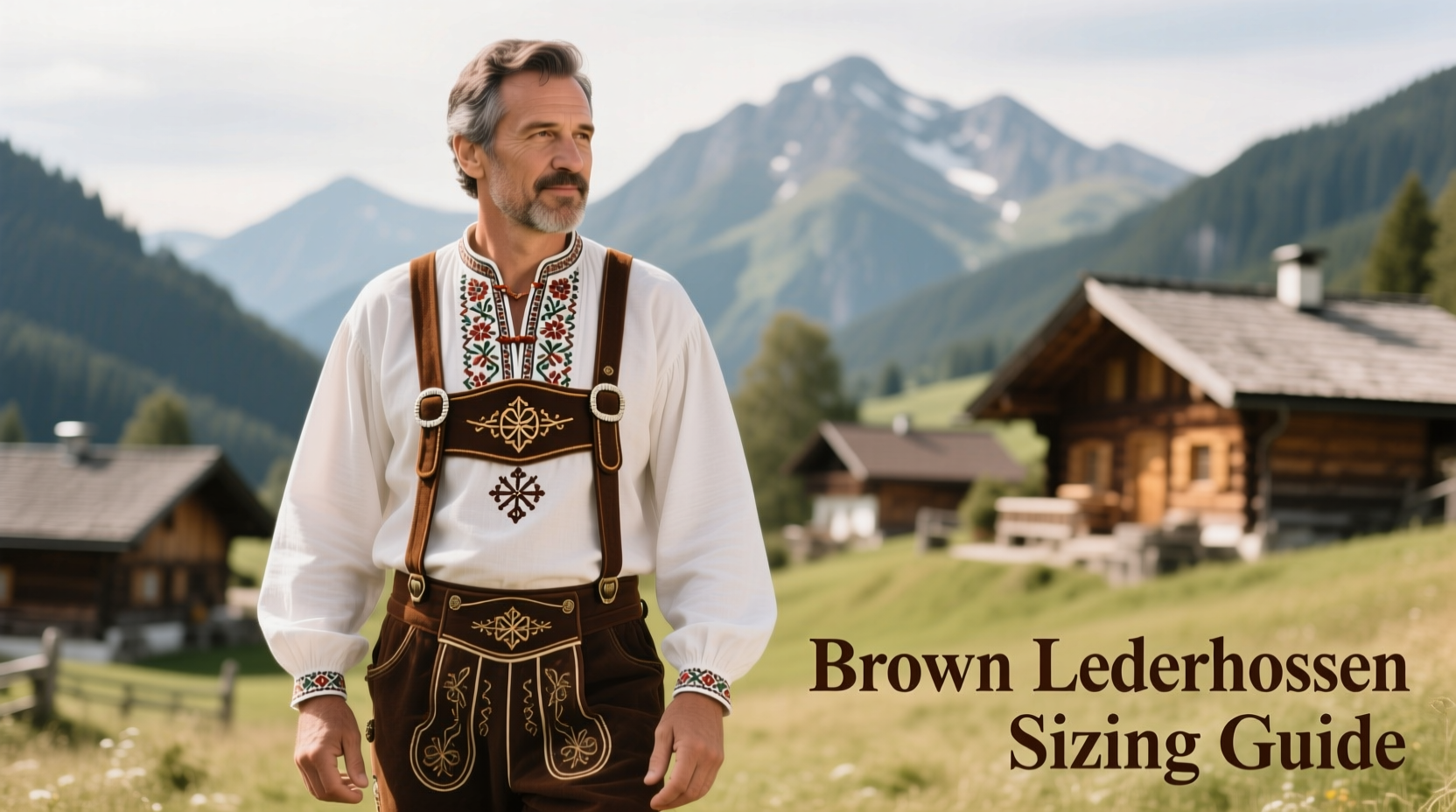
- The Latz (Drop-Front Flap): Authentic lederhosen never use a modern zipper fly. They feature a Latz, a wide front flap secured by two horn or bone buttons. This design historically protected the wearer from cold alpine winds and allowed for easy repair.
- Hosenträger (Suspenders): The suspenders should be made of the same leather as the trousers, featuring an intricately embossed or embroidered cross-piece (Steg) across the chest. They are attached via sturdy leather loops, never metal clips.
- Der Messerer (Knife Pocket): A small, specialized vertical pocket located on the right thigh, originally designed to hold a Gamsbart knife or hunting dagger. Its presence is a key indicator of traditional patterning.
- Stickerei (Embroidery): Hand-stitched embroidery in oak leaf (Eichenlaub), edelweiss, or vine motifs adorns the Latz, pockets, and knee cuffs. In authentic pairs, the stitching is done with thick, waxed linen or silk thread, often in shades of green, gold, or rust.
Mastering the Fit: Bavarian Sizing Protocols
The most common mistake international buyers make is purchasing lederhosen that are too large. Traditional Alpine leather trousers are designed to fit like a second skin. Because genuine sämisch-tanned leather stretches significantly with body heat and movement, a pair that feels comfortably loose on the hanger will become baggy and lose its traditional silhouette within an hour of wear.
The Golden Rule of Fit: When you first button a new pair of authentic lederhosen, they should feel uncomfortably snug. You should be able to slide only one or two fingers flat between the waistband and your stomach. If you can easily pinch an inch of leather at the waist, size down.
| EU Size | Waist (cm) | Target Initial Fit | Expected Break-In Stretch |
|---|---|---|---|
| 46 | 78 - 82 cm | Extremely Snug | +3 to 4 cm |
| 48 | 82 - 86 cm | Very Snug | +3 to 4 cm |
| 50 | 86 - 90 cm | Firm Compression | +4 to 5 cm |
| 52 | 90 - 94 cm | Firm Compression | +4 to 5 cm |
| 54 | 94 - 98 cm | Snug but Secure | +4 to 5 cm |
Kurze vs. Kniebundhosen: Choosing Your Length
Kurze Lederhosen (short) end above the knee and are traditionally paired with thick, calf-high wool socks (Loferl or Stutzen) and Haferl shoes. They are the standard for summer festivals and warmer weather. Kniebundhosen (knee-britches) extend below the knee and are tied tightly with a leather cord or ribbon. Historically worn by nobility and for formal winter events, they are paired with knee-high socks and are considered slightly more formal.
Regional Dye Variations: Which Brown is Yours?
Brown is not a monolith in Alpine Tracht. Different regions historically favored specific shades based on local tanning materials and forest flora. Understanding these shades can help you match your lederhosen to a specific regional Trachtenordnung (dress code):
- Miesbacher Tracht: Favors a deep, rich chocolate brown. This is the most formal and widely recognized shade for Bavarian folk clubs.
- Werdenfelser Tracht: Often features a greyish-brown or 'stone' brown, reflecting the rugged, rocky terrain of the Garmisch-Partenkirchen region.
- Allgäuer Tracht: Leans toward lighter, warmer cognac and tan shades, historically influenced by the dairy-rich, sunlit alpine meadows of the Swabian-Allgäu border.
Investment Tiers: What Should You Pay in 2026?
Authenticity comes at a cost, reflecting the dozens of hours of skilled labor required to cut, stitch, and embroider a single garment. When budgeting for brown lederhosen, expect the following market realities:
Tourist & Fast Fashion (80€ - 180€)
Usually made from pigskin or chrome-tanned cowhide, often manufactured outside of Europe. The embroidery is machine-done with synthetic threads, and the leather will crack rather than patina. These are considered Kostüm (costumes) and are frowned upon at serious cultural events.
Mid-Tier Trachten Shops (350€ - 650€)
The sweet spot for most buyers. These are typically made from genuine Rindsleder or lower-grade Hirschleder, tanned using traditional methods, and feature a mix of hand and machine embroidery. Brands in this tier offer excellent longevity and are perfectly acceptable for most local festivals and weddings.
Bespoke & Master Tailored (1,200€ - 3,000+ €)
Commissioned from a certified Trachtenschneider. You will receive premium, blemish-free Hirschleder, entirely hand-stitched Sämisch tanning, and bespoke embroidery featuring your family initials or specific regional motifs. These are heirloom garments meant to be passed down through generations.
Care, Break-In, and Wearing Etiquette
Breaking in a new pair of brown lederhosen requires dedication. Wear them around the house with a thick sweater to gently stretch the waistband and knees. If they become soaked in rain or beer, never place them near a radiator or direct heat source, as the heat will bake the natural oils out of the leather, causing it to shrink and harden. Instead, let them air dry at room temperature, then gently massage the leather with your hands to restore the fibers.
'True Tracht is not a disguise you put on for a single day; it is a cultural garment that ages with you, recording your experiences in its creases and patina.' — Guidelines from the Vereinigte Trachtenverbände.
When wearing your brown lederhosen, always pair them with a traditional linen or cotton Trachtenhemd (checkered or plain white), a wool vest (Gilet), and a felt hat (Trachtenhut) adorned with a Gamsbart (chamois hair brush). By respecting the construction, fit, and regional history of the garment, you participate in the preservation of one of Europe's most vibrant and enduring folk dress traditions.